
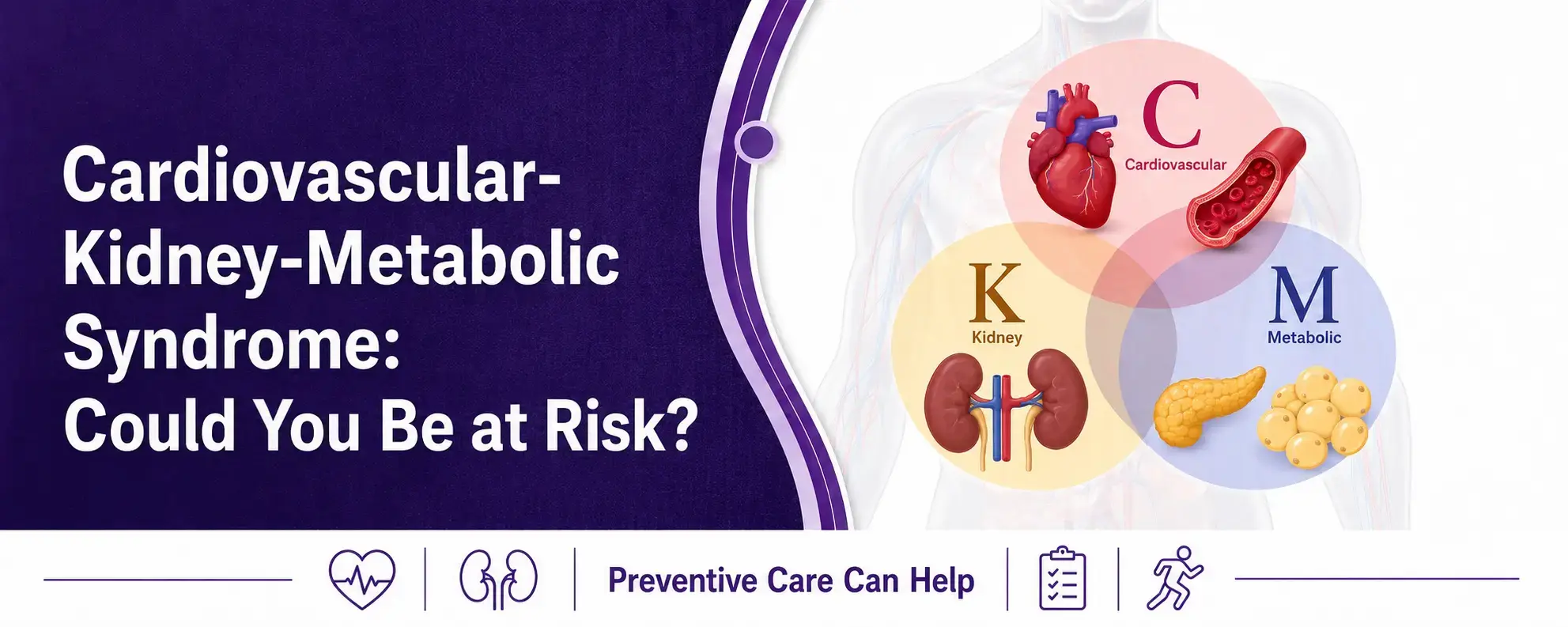
Could One Health Problem Affect Your Heart, Kidneys, and Blood Sugar?
High blood pressure, elevated blood sugar, excess weight, abnormal cholesterol, and kidney concerns may look like separate health problems. However, they often affect one another.
Cardiovascular-kidney-metabolic syndrome explains this connection. It helps doctors look beyond one test result and understand how several risk factors may work together.
The condition can progress quietly. A patient may feel healthy while blood pressure, kidney function, cholesterol, or blood sugar start moving outside a healthy range. Waiting for symptoms can delay the opportunity to act early.
Concerned about several connected health risks? Schedule a CKM risk assessment with Passion Health Advanced Primary Care.
Why CKM Syndrome Is Making News
Recent news reports have highlighted new clinical guidelines that connect obesity, diabetes, heart disease, and kidney disease under one coordinated health framework.
The first CKM guideline recommends earlier screening, staging, and treatment based on a patient’s combined heart, kidney, and metabolic risks—not just one condition at a time.
Nearly 90% of U.S. adults have at least one CKM risk factor, such as excess weight, high blood pressure, abnormal cholesterol, elevated blood sugar, or reduced kidney function.
However, this does not mean that 90% of adults have advanced disease. It shows why routine primary care screening and early risk assessment matter, even when no symptoms appear.
What Is CKM Syndrome?
Cardiovascular-kidney-metabolic syndrome, also called CKM syndrome, describes the close relationship between cardiovascular health, kidney function, obesity, diabetes, and other metabolic concerns. A problem in one system can place greater strain on the others.
The simplest CKM syndrome definition focuses on three connected areas:
Cardiovascular health: The heart and blood vessels
Kidney health: The organs that filter waste and balance fluid
Metabolic health: Blood sugar, cholesterol, body weight, and energy use
The American Heart Association’s 2026 guideline recommends earlier screening and coordinated care because these conditions often occur together. Cardiovascular disease, kidney disease, obesity, and Type 2 diabetes share risk factors and may worsen one another.
In practical terms, what is CKM? It is a way to evaluate the whole health pattern instead of treating blood pressure, diabetes, weight, or kidney concerns as unrelated problems.
Why Cardiovascular-Kidney-Metabolic Syndrome Develops
The heart pumps blood throughout the body. Meanwhile, the kidneys filter waste, balance fluids, and support blood pressure control. The metabolic system manages how the body stores and uses energy.
High blood pressure can damage small blood vessels and increase strain on the kidneys.
Elevated blood sugar may harm blood vessels and kidney filters. Excess abdominal fat can also contribute to inflammation and insulin resistance.
Over time, these changes may create a cycle. Kidney problems can increase cardiovascular risk, while diabetes and high blood pressure can place further stress on both the heart and kidneys.
The National Kidney Foundation explains that these conditions often develop together and that one condition can increase the chance of another becoming worse.
For that reason, cardiovascular-kidney-metabolic syndrome requires a broader primary care approach.
Cardiovascular-Kidney-Metabolic Syndrome Symptoms and Screening
Early cardiovascular-kidney-metabolic syndrome may not cause clear symptoms. High blood pressure, prediabetes, and early kidney disease can develop without obvious warning signs.
Possible CKM syndrome symptoms may include:
Unusual tiredness
Shortness of breath
Chest discomfort
Swelling in the ankles, feet, legs, or hands
Frequent urination
Changes in appetite
Leg pain while walking
Dry or itchy skin
Reduced ability to exercise
These symptoms do not confirm cardiovascular-kidney-metabolic syndrome. Several health conditions can cause similar changes, so a clinician must review the complete medical history, examination, and test results.
Cardiovascular-Kidney-Metabolic Syndrome Can Start Silently
Feeling normal does not always mean every health marker remains within a healthy range. Routine screening may uncover early blood pressure, cholesterol, glucose, or kidney changes before symptoms begin.
Patients with diabetes, hypertension, abnormal cholesterol, kidney disease, excess abdominal weight, or a strong family history should discuss cardiovascular-kidney-metabolic syndrome with a primary care doctor.
What Are the CKM Syndrome Stages?
The CKM framework often starts with Stage 0 as ideal health. Risk then increases through Stages 1 to 4.
Stage | What it may mean |
Stage 0 | No identified CKM risk factors |
Stage 1 | Excess weight, increased waist size, or prediabetes |
Stage 2 | High blood pressure, diabetes, abnormal lipids, metabolic syndrome, or kidney disease |
Stage 3 | Silent cardiovascular damage or very high predicted cardiovascular risk |
Stage 4 | Diagnosed cardiovascular disease with metabolic or kidney concerns |
These CKM syndrome stages help doctors understand current risk and guide prevention or treatment. A stage does not decide a patient’s future. Early care, appropriate treatment, and sustainable lifestyle changes may slow progression or improve modifiable risks.
Who Should Request a CKM Risk Assessment?
A cardiovascular-kidney-metabolic syndrome risk assessment may help patients with one or more of these concerns:
High blood pressure
High triglycerides
High LDL cholesterol
Low HDL cholesterol
Fatty liver disease
Previous heart or blood-vessel disease
A family history of diabetes, kidney disease, or heart disease
One slightly abnormal result may not show the complete picture. However, several small changes together can signal a more meaningful risk pattern.
A CKM risk assessment helps connect those findings.
Your Health Risks May Be More Connected Than They Appear
High blood pressure, blood sugar changes, cholesterol concerns, excess weight and kidney risk deserve one coordinated review. Passion Health Advanced Primary Care offers primary care screening in North Texas for a clearer view of heart, kidney and metabolic health.
How Primary Care Checks Cardiovascular-Kidney-Metabolic Syndrome Risk
No single test confirms every part of cardiovascular-kidney-metabolic syndrome. Instead, a primary care doctor reviews the medical history, physical findings, current conditions, medications, and selected tests.
A CKM risk assessment may include:
Blood pressure measurement
Weight and waist measurement
Body mass index calculation
Cholesterol and triglyceride testing
Creatinine and estimated glomerular filtration rate
Review of sleep, nutrition, activity, and tobacco use
Family medical history
Heart testing when symptoms or risk levels support it
The 2026 CKM guideline recommends routine assessment of metabolic risk factors and kidney function for adults. It also supports cardiovascular risk estimation for appropriate patients.
A doctor should select tests according to age, symptoms, health history, and known medical conditions.
Can Cardiovascular-Kidney-Metabolic Syndrome Improve?
Many CKM risk factors can improve with consistent medical care. Treatment depends on the stage and the health conditions involved.
A primary care plan may focus on:
Lowering high blood pressure
Managing blood sugar
Improving cholesterol levels
Protecting kidney function
Supporting healthy weight loss
Treating heart disease
Reviewing medicines for safety and effectiveness
Daily choices also influence cardiovascular-kidney-metabolic syndrome. Helpful steps may include eating more vegetables, fruit, whole grains, and lean protein. Reducing excess sodium, sugary drinks, and heavily processed foods can also support long-term health.
Regular physical activity may help when medically safe. Quality sleep, tobacco avoidance, medication adherence, and follow-up testing also matter.
Nutrition, activity, weight management, blood pressure control, blood sugar management, cholesterol control, tobacco avoidance, and sleep are key parts of CKD prevention and care.
When Should You Book a Primary Care Visit?
Schedule a routine visit when blood pressure, glucose, cholesterol, weight, or kidney test results remain outside the recommended range.
An appointment also makes sense when several doctors manage connected conditions, but no single care plan brings the information together.
Do not ignore persistent swelling, unusual fatigue, changes in urination, worsening shortness of breath, or reduced exercise tolerance.
Severe chest pain, sudden breathing difficulty, fainting, facial drooping, sudden weakness, or trouble speaking require urgent medical attention rather than a routine appointment.
Take Action Before Silent Risk Becomes Serious
Cardiovascular-kidney-metabolic syndrome connects health concerns that may once have seemed unrelated. Although that connection can raise long-term risk, it also gives patients and doctors a valuable opportunity to act earlier.
Protect Your Heart, Kidneys and Metabolic Health
High blood pressure, blood sugar changes, cholesterol concerns, excess weight, and kidney risks may develop together—even before clear symptoms appear. Passion Health Advanced Primary Care can review these connected concerns through one coordinated CKM risk assessment.
Our Primary Care Locations
FAQs
1. What is CKM syndrome?
CKM syndrome describes the connection between cardiovascular disease, kidney disease, and metabolic conditions.
2. What are the first signs of CKM syndrome?
Early stages may not cause symptoms. Blood pressure, blood sugar, cholesterol, urine, and kidney function tests may reveal risk.
3. Is CKM syndrome the same as metabolic syndrome?
No. Metabolic syndrome is part of the broader CKM framework, which also considers kidney and cardiovascular health.
4. Can a primary care doctor check CKM risk?
Yes. Primary care can review connected risk factors, order appropriate screening, and coordinate specialist care when necessary.
5. Can CKM syndrome improve?
Managing blood pressure, blood sugar, cholesterol, weight, and kidney risk may reduce progression and future complications.