

What Does a Sleep Doctor Do and How Can They Help?
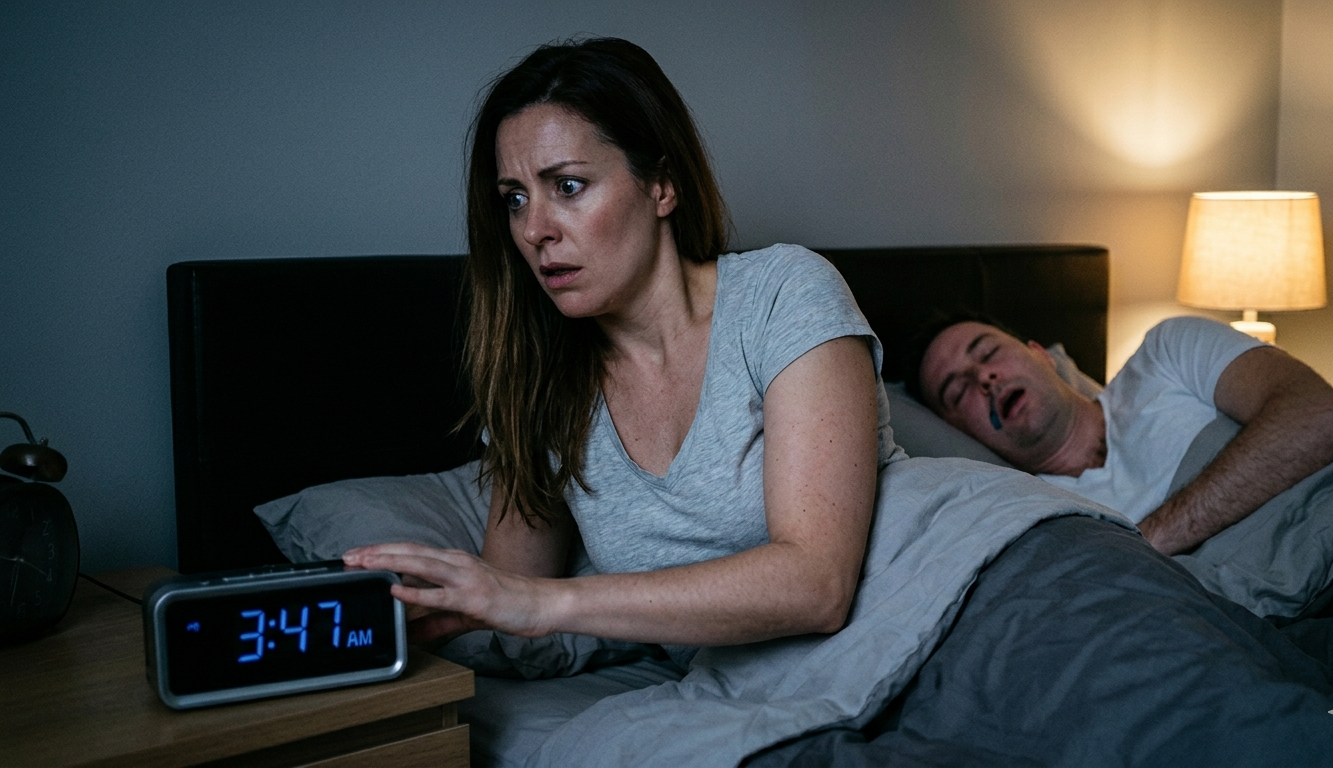
You wake up tired even after a full night in bed. You snore loudly. You toss and turn for hours. Or maybe you fall asleep during the day without warning.
Many people ignore these warning signs for months or even years.According to the American Academy of Sleep Medicine, an estimated 50 to 70 million Americans have Chronic Sleep problems can affect your heart, brain, mood, memory, weight, and daily performance
Knowing how to know if you need a sleep doctor can help you catch serious health problems early.
In some cases, untreated sleep disorders increase the risk of high blood pressure, diabetes, depression, and heart disease.
Book your consultation at Passion Health Primary Care today — and take the first step toward real, lasting sleep.
What Is a Sleep Doctor?
A sleep doctor(somnologist) is a physician trained to diagnose and treat sleep disorders. Most sleep specialists come from backgrounds in pulmonology, neurology, psychiatry, or internal medicine before completing fellowship training in sleep medicine and earning board certification.
A sleep specialist looks for the root cause behind ongoing sleep problems instead of only treating symptoms.
They commonly diagnose conditions like:
Obstructive and central sleep apnea
Restless leg syndrome
Narcolepsy
Circadian rhythm disorders
Excessive daytime sleepiness
Snoring-related breathing problems
Signs You Need a Sleep Doctor
Many sleep issues seem minor at first. Certain symptoms, though, warrant professional evaluation rather than another cup of coffee.
You Feel Tired Every Day
Constant fatigue is one of the clearest indicators that something is wrong with your sleep quality, not just your sleep quantity.
This pattern often signals fragmented sleep, meaning your body isn’t cycling through restorative deep sleep and REM stages properly.
Daytime fatigue affects focus, work performance, mood, driving safety, and memory.
If tiredness persists for more than two to three weeks despite adequate time in bed, a sleep specialist can help identify what’s disrupting your rest.
You Snore Loudly
Occasional snoring is common. Loud, chronic snoring is different.
Heavy snoring may point to obstructive sleep apnea, a condition where breathing repeatedly stops during sleep.
Common sleep apnea symptoms include:
Gasping for air during sleep
Morning headaches
Dry mouth
Daytime sleepiness
Brain fog
Irritability
You Struggle to Fall Asleep
Difficulty falling asleep several nights per week may signal chronic insomnia, which affects roughly 10% of adults according to the American Academy of Sleep Medicine.
Stress can trigger temporary sleep disruption, and that’s normal.
But when you consistently take more than 30 minutes to fall asleep, wake multiple times nightly, feel anxious about bedtime, or rely on sleep medications regularly, the problem likely needs medical attention.
Effective insomnia treatment focuses on identifying the cause rather than masking symptoms with pills.
You Wake Up Gasping or Choking
This symptom requires prompt evaluation.
Waking suddenly while gasping for breath strongly suggests interrupted breathing during sleep. Left untreated, sleep apnea can increase the risk of:
Many patients ignore these episodes because they happen during the night. However, your body experiences real stress each time breathing stops.
You Fall Asleep During the Day
Falling asleep during meetings, conversations, or driving is not normal.
Severe daytime sleepiness may result from:
Sleep apnea
Narcolepsy
Poor sleep quality
Sleep deprivation
This symptom can become dangerous, especially while driving or operating machinery.
What Does a Sleep Doctor Do for Sleep Disorders?
A sleep doctor evaluates your symptoms, sleep habits, medical history, and overall health to build a complete picture of what’s happening.
The process typically starts with a detailed consultation. Your specialist will ask how long symptoms have lasted, whether you snore, how often you wake at night, whether you feel rested in the morning, and how daytime fatigue affects your daily life.
Sleep Studies and Testing
Many sleep doctors recommend a sleep study to monitor breathing, heart rate, oxygen levels, and brain activity during sleep.
Testing may happen:
At home
In a sleep clinic
Overnight in a lab
These studies help diagnose conditions such as sleep apnea, restless leg syndrome, and narcolepsy.
Personalized Treatment Plans
Treatment depends on the diagnosis.
A sleep specialist may recommend:
Lifestyle changes
Weight management
CPAP therapy
Behavioral therapy
Medication adjustments
Insomnia treatment programs
The goal is to improve sleep quality and protect long-term health.
Sleep Apnea vs. Insomnia: How to Tell the Difference
These two conditions sometimes overlap, but they have distinct clinical profiles.
Sleep apnea typically involves loud snoring, breathing pauses, gasping awake, morning headaches, and excessive daytime sleepiness. Patients often don’t realize they’re waking dozens of times per night.
Chronic insomnia presents as difficulty initiating or maintaining sleep, racing thoughts at bedtime, and heightened arousal that prevents rest. Patients are acutely aware they can’t sleep.
The distinction matters because treatment differs significantly. CPAP therapy treats apnea; CBT-I is the gold-standard treatment for insomnia. A sleep specialist can differentiate between the two through clinical evaluation and testing.
How Sleep Disorders Affect Mental and Physical Health
Sleep problems rarely stay confined to nighttime hours.
Chronic poor sleep may contribute to anxiety, depression, irritability, and difficulty concentrating.
A 2022 meta-analysis in The Lancet Psychiatry found that treating sleep disorders reduced depressive symptoms by an average of 50% in participants with comorbid insomnia and depression.
On the physical side, ongoing sleep disruption is associated with obesity, cardiovascular disease, weakened immune function, and hormonal imbalance.
Recognizing the signs that you may need a sleep doctor isn’t just about sleeping better: it’s about protecting your overall health.
How to Prepare for Your First Sleep Specialist Visit
A little preparation makes your appointment more productive.
A little preparation can help your appointment go smoothly.
Before your visit:
Track your sleep schedule
Note symptoms
Record snoring patterns
List medications
Mention caffeine or alcohol use
Your doctor may also ask about stress, work schedules, and medical conditions.
Clear information helps the sleep specialist find answers faster.
Lifestyle Habits That Can Improve Sleep
Medical care matters, but daily habits also affect sleep quality.
Helpful sleep habits include:
Keeping a consistent bedtime
Avoiding screens before bed
Reducing caffeine late in the day
Limiting alcohol
Exercising regularly
Sleeping in a dark, quiet room
These changes support better sleep and improve treatment results.
When Poor Sleep Becomes a Serious Health Warning
Many people normalize exhaustion because busy schedules feel common.
However, constant fatigue is not normal.
Your body uses sleep to repair tissues, regulate hormones, strengthen memory, and support heart health. When sleep quality drops, your entire body feels the effects.
Ignoring sleep disorder symptoms may allow serious conditions to worsen silently.
The earlier you seek help, the easier treatment often becomes.
Take the Next Step Toward Better Sleep
If you experience loud snoring, chronic fatigue, insomnia, or sleep apnea symptoms, it may be time to speak with a sleep specialist.
At Passion Health Primary Care, our team helps patients identify sleep-related health concerns and create personalized treatment plans focused on long-term wellness.
Better sleep can improve your energy, focus, mood, and overall health. Schedule your appointment today and take the first step toward healthier nights and better mornings.