Understanding Cholesterol
Key takeaways
- High cholesterol usually causes no symptoms, so a lipid panel blood test is the most common way to find it.
- Visible signs such as yellow skin deposits are uncommon and often point to very high or inherited cholesterol.
- Chest pain, shortness of breath, leg pain, or numbness can signal heart or circulation problems and need prompt evaluation.
- Ask a clinician how often to check cholesterol based on your age, family history, and other risk factors.
- Lifestyle changes and medicines can lower cholesterol, and a clinician decides the right plan for your risk.
On this page
- Understanding Cholesterol
- Types of Cholesterol and Recommended Levels
- Additional Risk Factors for High Cholesterol
- Symptoms and Signs of High Cholesterol
- Heart Symptoms in Men and Women
- Why High Cholesterol Is Dangerous
- Complications of Untreated High Cholesterol
- Signs That May Accompany High Cholesterol
- How High Cholesterol Is Diagnosed
- When Should You Get Tested?
- Treatment Options for High Cholesterol
- Conclusion
- Frequently Asked Questions
Low-Density Lipoprotein (LDL)
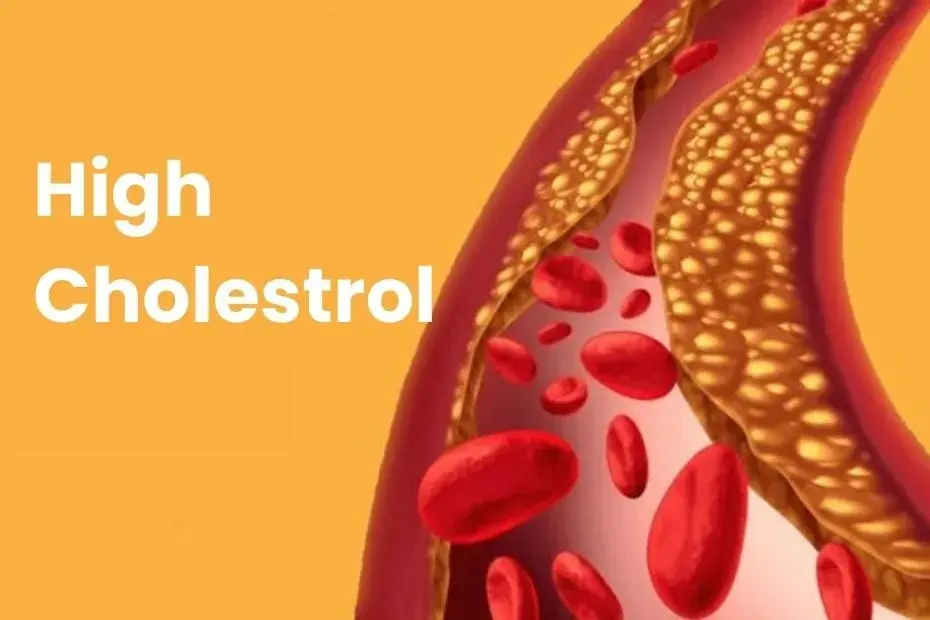
Low-density lipoprotein is widely known as “bad” cholesterol; it contributes to the buildup of fatty plaque in the arteries. In case of high levels of LDL, they can narrow the blood vessels, reducing the blood flow to the heart and brain.High-Density Lipoprotein (HDL)
High-density lipoprotein is known as “good” cholesterol; it helps remove excess cholesterol from the bloodstream and sends it back to the liver for elimination.The desirable levels of cholesterol are- LDL cholesterol: less than 100 mg/dL
- HDL cholesterol: 40 mg/dL or higher
- triglycerides: less than 150 mg/dL
- Poor diet (high in saturated fats and processed foods)
- Lack of physical activity
- Genetics
- Diabetes, hypothyroidism, or liver/kidney disorders
Types of Cholesterol and Recommended Levels
| Type of Cholesterol | Nickname | Role in the Body | Healthy Range |
|---|---|---|---|
| LDL (Low-Density Lipoprotein) | “Bad” Cholesterol | Contributes to plaque buildup in arteries | Less than 100 mg/dL |
| HDL (High-Density Lipoprotein) | “Good” Cholesterol | Removes excess cholesterol, returns it to the liver for elimination | 40 mg/dL or higher |
| Triglycerides | Blood Fats | Stores unused calories as fat; high levels raise heart disease risk. | Less than 150 mg/dL |
Additional Risk Factors for High Cholesterol
While diet, inactivity, and genetics are common causes of high cholesterol, several other risk factors can increase your risk, according to the American Heart Association:- Age: Cholesterol levels tend to rise naturally as you get older.
- Gender: Before menopause, women usually have lower LDL cholesterol than men, but after menopause, LDL levels in women often increase.
- Family history: If a parent or sibling has high cholesterol or heart disease, you may be more likely to develop it. Conditions like familial hypercholesterolemia can cause dangerously high levels at an early age.
- Obesity: Excess weight can raise LDL cholesterol while lowering HDL cholesterol.
- Smoking: Tobacco damages blood vessels and lowers “good” cholesterol.
- Alcohol consumption: Drinking too much alcohol increases triglyceride levels.
- Stress: Chronic stress can trigger hormonal changes and unhealthy lifestyle habits that affect cholesterol.
Symptoms and Signs of High Cholesterol
One of the most alarming concerns of high cholesterol is that, often, there are no obvious symptoms in its early stages. That is why it is often called a silent condition. Symptoms, when they occur, can differ from person to person.Recognizing the early warning signs of high cholesterol in women and men can lead to faster diagnosis and better treatment plans. These symptoms can often be misattributed to stress, aging, or hormonal shifts. Any new or worsening symptom like these should be checked by a clinician.- High cholesterol usually causes no symptoms on its own. When symptoms do appear, they are usually signs of the heart and blood vessel disease it can cause.
- Leg numbness or cramping can be a sign of reduced blood flow from narrowed arteries.
- Yellow fatty deposits around the eyes can be a sign of high cholesterol. Vision changes need a separate evaluation.
Heart Symptoms in Men and Women
Heart and blood vessel symptoms can look different in men and women. Both can have chest pain, but women more often report fatigue, shortness of breath, nausea, or back or jaw pain. Any of these symptoms should be checked by a clinician, especially if they are new or getting worse.
Why High Cholesterol Is Dangerous
You might be wondering: if high cholesterol doesn’t make me feel sick, why should I worry about it? Here’s why: High cholesterol silently damages your arteries and internal organs long before any symptoms appear. Over time, excess LDL cholesterol forms plaques inside the walls of arteries, leading to:- Narrowed arteries
- Reduced oxygen supply to organs
- Increased risk of blood clots
- Sudden blockages in the heart
- Plaque buildup restricts blood flow to the heart, potentially leading to angina and other heart diseases.
- If plaques rupture, they can cause blood clots that travel to the brain, leading to a stroke.
- When bad cholesterol restricts blood flow, it can cause pain, numbness, or even tissue damage, all symptoms of peripheral artery disease.
- The kidneys rely on healthy blood vessels to filter waste. Blockages can lead to chronic kidney dysfunction over time.
Complications of Untreated High Cholesterol
High cholesterol doesn’t just sit quietly in your body—over time, it can cause significant damage to multiple organs and systems. If left unmanaged, it may lead to:- Heart Attack: Plaque buildup can rupture and block blood flow to the heart, causing a heart attack.
- Stroke: A blood clot may travel to the brain, cutting off oxygen supply and leading to a stroke.
- Peripheral Artery Disease (PAD): Narrowed arteries in the legs can cause pain, cramping, or numbness and may even increase the risk of limb complications.
- Kidney Disease: Blocked or damaged blood vessels in the kidneys reduce their ability to filter waste, leading to chronic kidney problems.
- Gallstones: High cholesterol levels can contribute to the formation of gallstones in the gallbladder.
- Cognitive Decline: Some studies have explored a possible link between high cholesterol and memory issues or Alzheimer’s disease, but the evidence is not conclusive.
Signs That May Accompany High Cholesterol
Many of the signs below are not specific to high cholesterol. Some are signs of the heart and blood vessel disease it can cause, so any new or worsening symptom should be checked by a clinician. Seek emergency care right away for chest pain or sudden shortness of breath.Chest Pain
Chest pain occurs when cholesterol plaques restrict blood flow to the heart. It may feel like pressure, tightness, or a squeezing sensation in your chest.Yellowish Deposits on Skin (Xanthomas)
Xanthomas are fatty deposits that appear as yellowish bumps, often on the elbows, knees, buttocks, or around the eyes. Xanthomas are visible signs of high cholesterol that are often overlooked.Shortness of Breath
As cholesterol clogs your arteries, your heart works harder to pump blood. This can result in unexplained fatigue, especially during physical activity.Numbness or Tingling in Limbs
Signs of high cholesterol in the legs and arms can include a numb sensation. This occurs due to poor circulation when narrowed arteries restrict blood supply to extremities.High Blood Pressure
High cholesterol and high blood pressure commonly happen simultaneously. When arteries narrow due to bad cholesterol, the heart is required to work and pump harder to circulate blood, leading to elevated pressure.Headache & Dizziness
Frequent headaches or dizziness could be a warning sign of blocked arteries, especially if you’re experiencing other high cholesterol symptoms.Leg Pain
Frequent cramping or pain in your calves can be a sign of PAD, often linked to high cholesterol. The pain is due to restricted blood flow and usually improves with rest.Memory Fog
High concentration and a healthy brain need adequate blood flow to function. Signs of high cholesterol can include brain fog, difficulty concentrating, and forgetfulness. This is particularly common in older women whose estrogen levels have declined.Erectile Dysfunction
High cholesterol in men can limit blood flow to reproductive organs, leading to erectile dysfunction (ED). It’s often an early sign of vascular issues caused by high LDL levels.Vision Problems
Blurry vision, watery eyes, or a gray ring around the cornea can indicate elevated cholesterol. Blocked blood vessels in the retina can even lead to partial vision loss.How High Cholesterol Is Diagnosed
Because high cholesterol often has no obvious symptoms, the only reliable way to know your levels is through a blood test called a lipid panel (or lipid profile).A lipid panel measures:- Total cholesterol – overall amount in your blood
- LDL cholesterol (bad cholesterol)—high levels increase plaque buildup
- HDL cholesterol (good cholesterol)—higher levels are protective
- Triglycerides—another type of fat in the blood that can raise heart disease risk when elevated
When Should You Get Tested?
- Adults: The American Heart Association recommends cholesterol testing every 4–6 years starting at age 20, and more often if you have risk factors.
- Children & Teens: Screening is usually done once between ages 9–11 and again between ages 17–21.
- High-risk individuals: If you have diabetes, obesity, a family history of heart disease, or other risk factors, your doctor may recommend more frequent testing.
Treatment Options for High Cholesterol
Managing high cholesterol involves a combination of lifestyle changes and, in some cases, medication. Your doctor will tailor a plan based on your risk factors, cholesterol levels, and overall health.Lifestyle Changes
- Heart-healthy diet:
- Reduce foods high in saturated and trans fats (fried foods, processed snacks, fatty meats).
- Add more fruits, vegetables, whole grains, beans, and nuts.
- Include heart-friendly fats such as omega-3s (found in fish, flaxseeds, and walnuts).
- Regular exercise: Aim for at least 150 minutes of moderate activity (like brisk walking or cycling) per week.
- Weight management: Losing even a small amount of weight can lower LDL and triglycerides.
- Quit smoking: Stopping smoking improves HDL cholesterol and benefits overall heart health.
- Limit alcohol: Excess drinking raises triglyceride levels.
Medications
If lifestyle changes aren’t enough, your provider may recommend medications, including:- Statins: The most common drugs that lower LDL cholesterol.
- Ezetimibe: Helps reduce cholesterol absorption from food.
- PCSK9 inhibitors: Injectable medications that significantly lower LDL.
- Fibrates or Niacin: Often used to lower triglycerides or boost HDL.
Conclusion
For a healthy, long-living life, frequent cholesterol level checks are necessary. Passion Health Primary Care emphasizes the importance of proactive health management. Due to the subtle nature of high cholesterol symptoms, it’s essential to maintain good lifestyle habits, eat a healthy diet, and maintain a regular exercise routine for a healthy heart and body, a cornerstone of care at Passion Health Primary Care.Need care for this?
A Passion Health clinician can see you in person or online.

In person
Request an in-person visit at any Passion Health location to review your cholesterol numbers and heart risk.
Choose your clinic and clinician across North Texas
Book an appointment in person at Passion Health clinics
Online
Answer a few questions online to find the right next step, whether that is a visit, lab work, or a referral. For non-emergency questions, you can get care online through Passion Health Online Care.
Adults 18 and older in Texas · Texas-licensed clinicians
Get the right care in a few steps
Blood work
Your clinician can order a lipid panel and any other labs recommended for you during your visit.
Essential Blood Work · $59
Get Passion Health Blood WorkFrequently Asked Questions
Q. What are the warning signs of high cholesterol in women?
Ans. High cholesterol usually causes no symptoms. Women are more likely to report atypical heart symptoms such as fatigue or shortness of breath, and leg pain or numbness can signal reduced blood flow.
Q. What are the different high cholesterol symptoms in females?
Ans. High cholesterol does not produce a specific set of symptoms in women or men. Fatigue or brain fog can have many causes, so a lipid panel is the reliable way to check.
Q. How do you prevent high cholesterol naturally?
Ans. To control cholesterol levels without taking medications, it’s recommended to eat well, work out, avoid smoking, and get check-ups often.
Q. Can stress or anxiety cause high cholesterol?
Ans. While stress itself doesn’t directly raise cholesterol, it can lead to unhealthy habits like overeating, smoking, or lack of exercise, which may increase cholesterol levels. Chronic stress hormones may also influence fat metabolism.
Q. Does high cholesterol always need medication?
Ans. Not always. In many cases, lifestyle changes such as improving diet, exercising regularly, and quitting smoking can bring cholesterol levels down. However, if your cholesterol remains high or you have additional risk factors, your doctor may recommend medication.
Q. What foods help lower cholesterol naturally?
Ans. Foods rich in soluble fiber (like oats, beans, lentils, and apples), healthy fats (like avocados, olive oil, and nuts), and omega-3 fatty acids (like salmon and flaxseeds) can help lower LDL cholesterol. Reducing trans fats and saturated fats is equally important.
Q. Can high cholesterol cause weight gain?
Ans. High cholesterol itself doesn’t directly cause weight gain, but the same lifestyle habits that increase cholesterol—such as a poor diet and lack of exercise—can also lead to excess weight. Being overweight may then further raise cholesterol levels.