Could a Tick Bite Cause Bourbon Virus Symptoms?
Ticks can carry several germs that cause illness. One extremely rare example is Bourbon virus, which likely spreads through the bite of an infected tick.
Bourbon virus symptoms can resemble other tick-borne illnesses. Understanding the warning signs can help you decide when to contact a primary care provider.
Patients looking for primary care in Frisco, Irving, Plano, Prosper, Aubrey, Flower Mound, Ennis, Kaufman, Kemp, McKinney, TX
Do You Feel Sick After a Tick Bite or Outdoor Exposure?
Passion Health Advanced Primary Care can evaluate your symptoms and recommend appropriate next steps.
Key Takeaways
Bourbon virus is extremely rare and likely spreads through infected tick bites.
Symptoms may include fever, fatigue, headache, rash, nausea, and body aches.
Doctors may find low white blood cell and platelet counts during evaluation.
No specific antiviral treatment or vaccine is currently available.
Seek medical care if symptoms develop after a tick bite or outdoor exposure.
What Is Bourbon Virus?
Bourbon virus is a rare RNA virus in the genus Thogotovirus. Researchers identified it in 2014 after investigating a serious illness in Bourbon County, Kansas.
Most diagnosed patients reported tick exposure before becoming ill. Researchers consider the lone star tick a likely carrier, although studies continue to examine how the virus spreads.
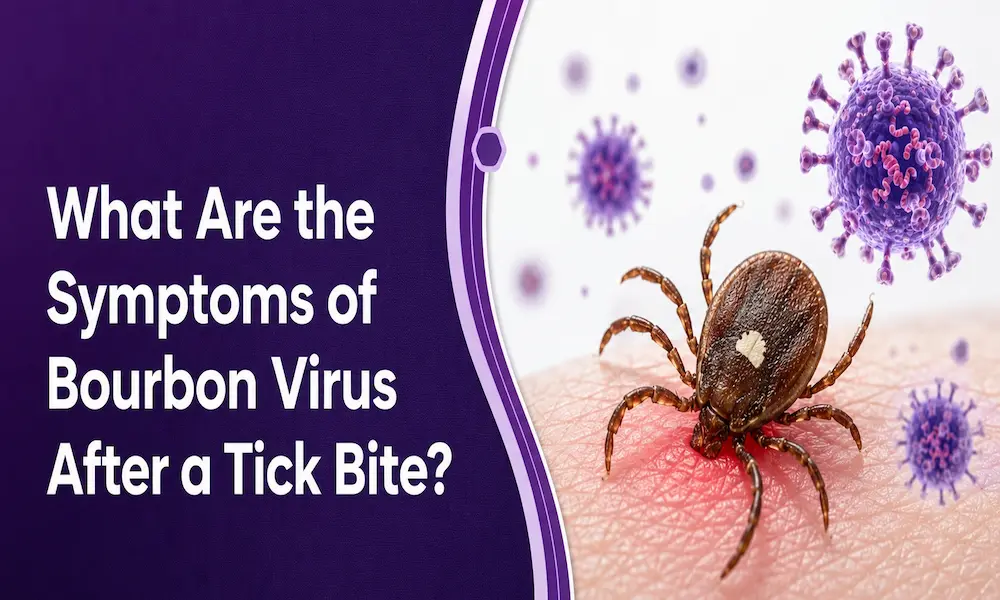
What Are the Symptoms of Bourbon Virus After a Tick Bite?
Bourbon virus can cause symptoms that resemble the flu or other tick-borne illnesses. A person may experience several symptoms at the same time.
Commonly reported symptoms include:
White blood cells help the immune system respond to infection, so doctors may monitor these levels closely.
Platelets support normal blood clotting, and very low levels may contribute to unexplained bleeding or bruising.
Not everyone with these symptoms has Bourbon virus. Influenza, COVID-19, ehrlichiosis, Heartland virus disease, and other conditions can cause similar problems.
How Soon Can Symptoms Begin?
The small number of confirmed cases makes it difficult to define an exact timeline.
Monitor your health during the days and weeks after possible tick exposure. Do not wait for a particular day before contacting a doctor if symptoms appear.
Write down when you noticed the tick bite and when each symptom started. This timeline gives your healthcare provider useful information during the evaluation.
Immediate Action Plan After a Tick Bite
Remove an attached tick as soon as you notice it. Use clean, fine-tipped tweezers to grasp the tick close to the skin.
Pull upward with steady, even pressure. Avoid twisting or squeezing the tick because parts of its mouth may remain in the skin.
After removal, follow these steps:
Wash the bite area and your hands.
Record the date of the bite.
Note where the exposure occurred.
Photograph the tick and bite area.
Check your body for other ticks.
Monitor for fever, rash, or body aches.
Do not burn the tick or cover it with petroleum jelly, nail polish, or chemicals. These methods may delay safe removal and irritate the skin.
Feeling Unwell After a Tick Bite?
A primary care provider can review your symptoms, exposure history, medications, and possible testing needs.
Book an Appointment →When Should You Contact a Primary Care Doctor?
Contact a primary care provider if you develop fever, fatigue, rash, headache, nausea, or muscle pain after possible tick exposure. Mention outdoor activity even if you never saw a tick.
Ticks can attach to hidden areas such as the scalp, waist, groin, armpits, and behind the knees. Therefore, some people never notice an attached tick.
Your doctor may ask about recent hiking, gardening, camping, travel, and contact with grassy areas. The provider will also review your medications and medical history.
A physical examination can help identify rashes, dehydration, and other warning signs. Your doctor may order a complete blood count to examine white blood cells and platelets.
When Do You Need Immediate Medical Attention?
Some illnesses after tick exposure can worsen quickly. Seek immediate care for serious symptoms instead of waiting for a routine appointment.
Urgent warning signs include:
Trouble breathing
Confusion
Fainting
Severe weakness
Persistent vomiting
Uncontrolled bleeding
Signs of serious dehydration
Rapidly worsening symptoms
A tick bite does not confirm Bourbon virus, but severe symptoms require prompt medical evaluation regardless of the cause.
How Do Doctors Diagnose Bourbon Virus?
No symptom or routine blood test can confirm Bourbon virus on its own. Doctors combine the patient’s symptoms, exposure history, examination, and laboratory findings.
Low white blood cell and platelet counts may raise concern about a tick-borne illness. However, other infections can also cause these laboratory changes.
A primary care provider may also test for more common illnesses. Identifying another tick-borne disease matters because some bacterial infections respond to timely antibiotic treatment.
What Treatment Is Available?
No vaccine or specific antiviral medication currently prevents or cures Bourbon virus disease. Antibiotics cannot directly treat Bourbon virus because it is a viral infection.
However, doctors may prescribe antibiotics when they suspect a bacterial tick-borne disease. Never take leftover medication or another person’s prescription without medical guidance.
Treatment for suspected Bourbon virus focuses on supportive care. Mild symptoms may require rest, adequate fluids, appropriate fever control, and careful monitoring.
Severe illness may require hospitalization, intravenous fluids, and treatment for complications. A healthcare team may also monitor blood counts, hydration, and organ function.
Primary Care Recommendations
Contact your primary care clinic when symptoms appear instead of relying only on the appearance of the bite. Many tick-borne diseases produce similar symptoms.
Bring your symptom timeline, bite photograph, and medication list to the visit. Tell your provider about pregnancy, immune conditions, bleeding disorders, or medicines that affect clotting.
Follow the recommended monitoring plan. Contact the clinic again if symptoms persist, change, or become worse.
Precautions That Help Prevent Tick Bites
Preventing tick bites provides the best protection against the Bourbon virus. Take precautions in wooded, brushy, and grassy environments.
Helpful prevention measures include:
Use an EPA-registered insect repellent.
Wear long sleeves and long pants.
Treat clothing and gear with permethrin.
Walk near the center of maintained trails.
Avoid direct contact with thick vegetation.
Check children, pets, clothing, and equipment.
Shower after returning indoors.
Examine your entire body for ticks.
Pay close attention to the hairline, scalp, ears, armpits, waist, groin, and areas behind the knees. Follow all product directions when applying repellent or permethrin.
Get Help After a Tick Bite
The Bourbon virus remains rare, but fever, rash, fatigue, and body aches after tick exposure deserve attention. A more common tick-borne illness may cause the symptoms and require treatment.
A primary care provider can review your exposure, examine your symptoms, and create a safe care plan. Book an appointment at Passion Health Advanced Primary Care for personalized guidance after a tick bite.
Our Primary Care Locations
Frequently Asked Questions
1. Does every tick bite cause the Bourbon virus?
No. Bourbon virus remains extremely rare, and most tick bites do not cause the disease.
2. Can the Bourbon virus spread between people?
Current evidence links Bourbon virus-infected tick bites. Health authorities have not identified routine person-to-person transmission.
3. Can antibiotics treat the Bourbon virus?
No. Antibiotics do not treat viruses, but doctors may use them for a suspected bacterial tick-borne infection.
4. Can a doctor test for the Bourbon virus?
Specialized CDC testing may help confirm an infection. State or local health departments coordinate testing when a patient meets appropriate clinical criteria.
5. Should I seek care without a visible tick bite?
Yes, if symptoms develop after likely exposure. Many people never notice the tick or find a clear bite mark.

About the Author
Dr. Anantha Chentha is a board-certified internal medicine physician with extensive experience in primary care and chronic disease management. He provides comprehensive, patient-centered care with a focus on prevention, accurate diagnosis, and long-term health management.
View Provider Profile →