Can Tirzepatide Help With Diabetes and Weight Together?
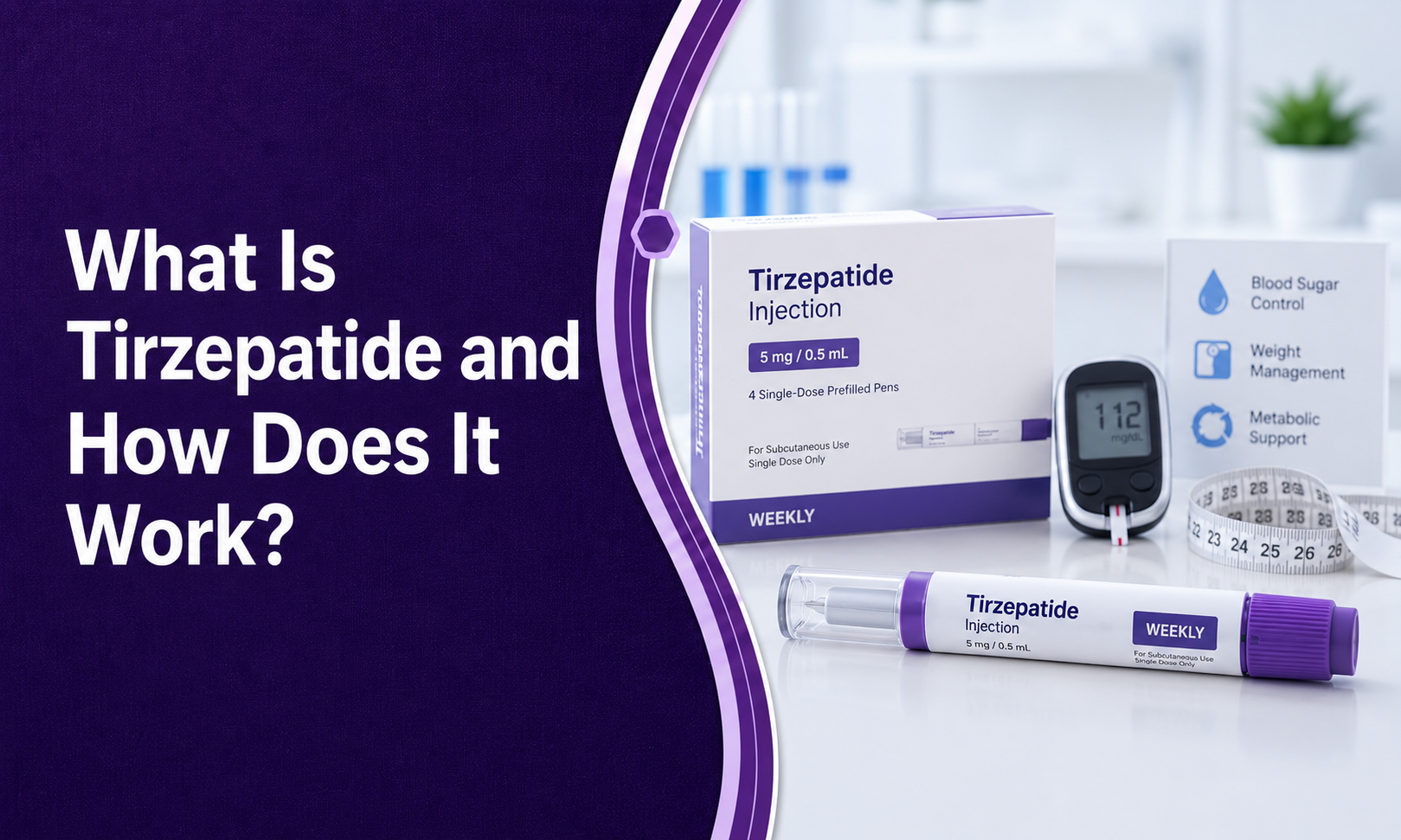
what is tirzepatide and how does it work, Tirzepatide has become one of the most talked-about medicines for type 2 diabetes and medical weight management.
Many patients hear names like Mounjaro or Zepbound and wonder what they mean.
In simple words, tirzepatide is a once-weekly injection that helps the body manage blood sugar, appetite, digestion, and weight when used under medical guidance.
Doctors may prescribe tirzepatide for adults with type 2 diabetes, weight-related health concerns, or certain obesity-related conditions.
Mayo Clinic explains that tirzepatide acts as both a GIP receptor agonist and a GLP-1 receptor agonist and must be used under a doctor’s prescription.
Still unsure if tirzepatide is right for you? A doctor can review your health history and give you a clear answer in minutes.
What Is Tirzepatide
Tirzepatide is a once-weekly injectable prescription medication developed by Eli Lilly and Company. It belongs to a class of drugs called dual GIP/GLP-1 receptor agonists — meaning it mimics two naturally occurring gut hormones simultaneously.
Tirzepatide is an injectable medicine. It comes under brand names such as Mounjaro and Zepbound.
Mounjaro is commonly linked with type 2 diabetes care, while Zepbound is used for chronic weight management in certain patients.
This medicine does not work like a simple fat burner. It changes how the body responds to food, sugar, and hunger signals. That is why patients should not treat it like a quick weight-loss shortcut.
A doctor usually considers your:
Blood sugar levels
Weight history
Medical conditions
Current medicines
Family health history
Lifestyle habits
Side effect risk
Tirzepatide works best when patients also follow a healthy eating plan, engage in physical activity, and attend regular medical follow-ups.
How Does Tirzepatide Work?
This is where tirzepatide stands apart from every other weight loss drug currently available.
Most GLP-1 medications — like semaglutide (Ozempic, Wegovy) — target one hormone receptor. Tirzepatide targets two simultaneously. This dual action drives significantly stronger results.
The Two Hormones It Targets
1. GLP-1 (Glucagon-Like Peptide-1)
Your gut releases GLP-1 naturally after you eat. It tells the pancreas to produce insulin, slows the movement of food through your stomach, and signals your brain that you are full. Tirzepatide mimics this hormone, which reduces appetite and keeps blood sugar stable after meals.
2. GIP (Glucose-Dependent Insulinotropic Polypeptide)
GIP works alongside GLP-1 to amplify insulin release and further suppress hunger. No other approved weight loss drug activates the GIP receptor. This is tirzepatide’s key differentiator — and the main reason its weight loss results exceed those of single-agonist drugs.
What Happens in Your Body After an Injection
Your pancreas releases more insulin in response to meals
Your liver releases less glucose into the bloodstream
Your stomach empties more slowly, so you feel full longer
Your brain receives stronger satiety signals, cutting overall calorie intake
Your body becomes more sensitive to its own insulin
Tirzepatide vs. Semaglutide
Feature | Tirzepatide | Semaglutide |
Mechanism | Dual GIP + GLP-1 agonist | GLP-1 agonist only |
Avg weight loss | ~22% | ~15% |
Injection frequence | Once weekly | Once weekly |
Max approved | 15mg | 2.4mg |
FDA approved for obesity | Zepbound | Wegovy |
FDA-approved T2D | Mounjaro | |
Cardivascular benefit Trail | SURMOUNT-MMO (ongoing) | SELECT trial (proven) |
Price(monthly) | ~$1,000–$1,100 | ~$900–$1,000 |
Generic available | Not yet (patent active) | Biosimilars entering 2026 |
Brand Names: Mounjaro vs. Zepbound
Feature | Mounjaro | Zepbound |
Active ingredient | Tirzepatide | Tirzepatide |
FDA Approved | Type 2 diabetes | Chraonic weight management |
Approved since/Dosage available | May 2022 / 2.5, 5, 7.5, 10, 12.5, 15 mg | November 2023 /2.5, 5, 7.5, 10, 12.5, 15 mg |
Insurance coverage | Diabetes insurance plans | Obesity/weight loss plans |
Pen Format | Autoinjector pen | Autoinjector pen + single-dose vials |
Tirzepatide for Type 2 Diabetes
Tirzepatide may help adults with type 2 diabetes manage blood sugar better. It helps the body release insulin when blood sugar rises and may reduce extra sugar release from the liver.
Doctors may track progress through:
Fasting blood sugar
Weight changes
Side effects
Current diabetes medicines
Do not stop diabetes medicines suddenly after starting tirzepatide. A doctor may adjust your dose if your blood sugar drops too low, especially if you also use insulin or sulfonylureas.
Tirzepatide for Weight Loss
Many people ask, what is tirzepatide and how does it work, because it can support weight loss. Tirzepatide may help you feel full sooner, reduce cravings, and slow digestion.
It may support weight loss by helping with:
Smaller portions
Less hunger
Better appetite control
Fewer cravings
Longer fullness after meals
Healthy habits still matter. For better results, focus on:
Protein-rich meals
Vegetables and fiber
Less sugary drinks
Regular walking
Strength training
Good sleep
Doctor follow-ups
Tirzepatide supports weight loss, but it does not replace nutrition, exercise, or medical care.
What Does Tirzepatide Actually Do — Day to Day?
Understanding the mechanism matters, but most people want to know what changes they will actually feel.
Here is what patients commonly experience:
Week 1–2: Reduced hunger between meals. Some nausea, especially after eating large portions.
Week 3–4: Noticeably smaller appetite. Food cravings decrease. Some patients describe food as feeling “less interesting.”
Month 2–3: Steady weight loss, typically 1–2 pounds per week. Blood sugar readings improve in diabetic patients.
Month 4–6: More significant weight loss. Energy often improves as the body adapts to lower calorie intake.
Month 12–18: Most patients reach their maximum weight loss. Results plateau before this point, which is normal and expected.
Tirzepatide Dosage — How the Schedule Works
Tirzepatide uses a step-up titration schedule. Nobody starts at the maximum dose. The gradual increase lets the body adjust and keeps side effects manageable.
Weeks | Dose | Purpose |
1-4 | 2.5mg | Adjustment period only |
5-8 | 5mg | First therapeutic dose |
9-12 | 7.5mg | Increased efficacy |
13-16 | 10mg | Higher therapeutic range |
17-20 | 12.5mg | Advanced dose |
21+ | 15mg | Maximum dose |
Who Can Take Tirzepatide?
Tirzepatide suits you if you:
Have type 2 diabetes and need better blood sugar control
Have a BMI of 30 or higher (obesity)
Have a BMI of 27 or higher with at least one weight-related condition — such as high blood pressure, high cholesterol, or sleep apnea
Tirzepatide is not suitable if you:
Have a personal or family history of medullary thyroid carcinoma (MTC)
Have Multiple Endocrine Neoplasia syndrome type 2 (MEN 2)
Are you planning to become a baby within two months
Have had serious allergic reactions to tirzepatide or its ingredients
Have a history of pancreatitis — discuss carefully with your doctor first
Common Side Effects to Expect
The majority of tirzepatide side effects involve the digestive system. They tend to peak during dose increases and settle down as the body adjusts.
Most common:
Nausea — affects around 31% of patients at higher doses
Diarrhea — around 23%
Vomiting — around 13%, often linked to eating too quickly
Constipation — around 11%, manageable with hydration and fiber
Fatigue — usually temporary, resolves within the first few weeks
Less common but worth knowing:
Hair shedding (telogen effluvium) — caused by rapid calorie restriction, not the drug itself. It typically reverses within a few months.
Low blood sugar — risk is low in non-diabetic patients but rises sharply if combined with insulin or sulfonylurea medications
Pancreatitis — rare but serious. Seek immediate care for severe, persistent stomach pain.
Who Should Talk to a Doctor First?
Anyone considering tirzepatide should speak with a licensed medical provider. This step becomes even more important if you have a complex health history.
Talk to your doctor first if you have:
Type 1 diabetes
Pancreatitis history
Gallbladder disease
Kidney disease
Diabetic eye disease
Severe stomach problems
Thyroid cancer history
MEN 2 history
Low blood sugar episodes
Upcoming surgery
Current insulin use
Many daily medicines
Patients who use oral birth control should also ask about backup options. Cleveland Clinic notes that estrogen and progestin hormones taken by mouth may not work as well after starting tirzepatide or after dose increases.
Tirzepatide Is Not for Everyone
Tirzepatide can help many patients, but it is not a perfect choice for every person. Some patients may need a different diabetes medicine. Others may need a weight plan without injections.
A good doctor does not look only at the scale. They also review blood pressure, cholesterol, blood sugar, sleep, eating patterns, heart risk, and medication safety.
That complete view helps patients avoid unsafe decisions.
Doctor Guidance Makes the Difference
The best question is not only what tirzepatide is and how it works. Patients should also ask, “Is it safe for me?”
Medical guidance helps answer that question. A provider can check your labs, review your medicines, explain side effects, and monitor your progress.
At Passion Health Advanced Primary Care, patients can discuss weight, blood sugar, metabolism, and long-term health goals with a care team. The right plan should feel safe, clear, and realistic.
Final Thoughts
Tirzepatide is a once-weekly injection that supports blood sugar control and weight management by acting on GIP and GLP-1 hormone pathways. It can help the body release insulin, slow digestion, reduce appetite, and improve meal-time blood sugar response.
Still, this medicine needs careful use. Side effects, medical history, and dose changes matter. Patients should never start, stop, or adjust tirzepatide without a doctor’s guidance.
So, what is tirzepatide and how does it work? It is a powerful prescription medicine that can support better metabolic health when used with the right medical plan, healthy habits, and regular follow-up care.
Ready to get started? Do not begin tirzepatide without medical guidance.
FAQs About Tirzepatide
1. What is tirzepatide and how does it work?
Tirzepatide is a once-weekly injection used with diet and exercise to help control blood sugar in adults with type 2 diabetes. It works on two hormone pathways, GIP and GLP-1, which help the body manage insulin, blood sugar, appetite, and digestion.
2. Can tirzepatide help with weight loss?
Yes, tirzepatide may support weight loss because it can reduce appetite, slow digestion, and help people feel full longer. Results can vary from person to person, so doctor guidance is important.
3. Is tirzepatide only for diabetes?
Tirzepatide is used for type 2 diabetes under the brand name Mounjaro. It is also used for weight management under other brand names when a doctor decides it is appropriate.
4. What are common tirzepatide side effects?
Common side effects may include nausea, diarrhea, constipation, upset stomach, vomiting, and reduced appetite. These side effects often happen when starting treatment or increasing the dose.
5. Should I take tirzepatide without a doctor?
No. Tirzepatide should only be used with medical guidance. A doctor can check your health history, current medicines, blood sugar levels, side effect risk, and whether tirzepatide is safe for you.