
What Happens When You Start Ozempic?
Ozempic beginner guide dosage and side effects matter because most patients feel unsure before starting treatment.
You may hear mixed information, and that creates fear. As a primary care doctor, I see this confusion every day in my clinic.
Let’s be clear. Ozempic is not a quick fix. It is a medical treatment that changes how your body controls blood sugar and appetite.
When you start Ozempic, your body begins a real adjustment phase.
You may feel hopeful. You may also feel nervous. That is normal. However, understanding what happens next reduces risk and improves results.
If you are starting Ozempic or planning to start, read this carefully. Your first weeks decide your long-term success.
Book a consultation with Passion Health Primary Care today to start safely with medical guidance.
What Is Ozempic and How Does It Work?
Ozempic contains the active ingredient semaglutide. Doctors prescribe this medication to adults living with type 2 diabetes. It helps lower blood sugar levels and reduces the risk of serious heart and kidney problems.
So how does it work inside your body? Ozempic belongs to a class of drugs called GLP-1 receptor agonists. It mimics a natural hormone called GLP-1 that your body releases after meals. This process triggers three powerful effects:
It stimulates your pancreas to release insulin when blood sugar runs high.
It tells your liver to stop releasing stored glucose into your bloodstream.
It slows down how quickly your stomach empties food, which helps you feel fuller for longer.
FDA Approval History and Uses of Ozempic
FDA Approval Timeline
December 5, 2017: FDA first approved Ozempic injection (semaglutide)
February 4, 2026: FDA approved oral Ozempic tablet (expected U.S. launch in Q2 2026)
FDA-Approved Uses: Ozempic Injection
Improves blood sugar control in type 2 diabetes
Reduces risk of heart attack and stroke (major cardiovascular events)
Lowers the risk of kidney disease progression and kidney failure in diabetic patients with chronic kidney disease
FDA-Approved Uses: Ozempic Pill (2026 approval)
Improves blood sugar control in type 2 diabetes
Reduces cardiovascular risk in high-risk patients
Ozempic Injection Dosage
Available pen strengths:
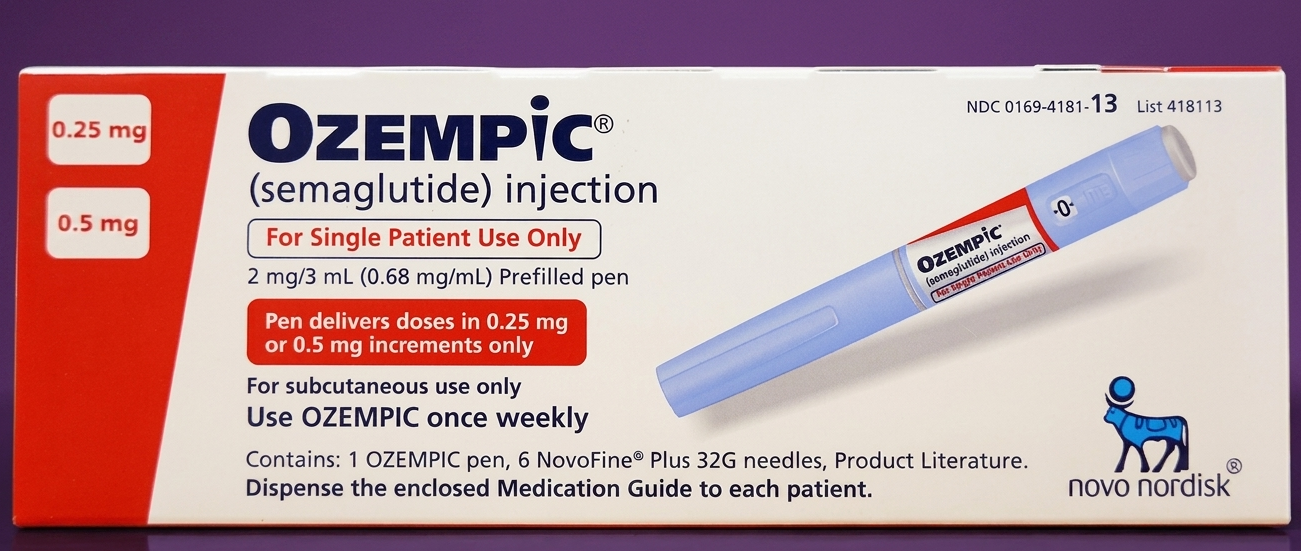
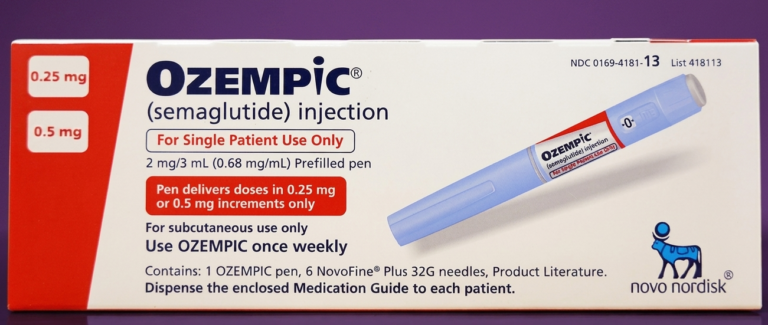
2 mg/3 mL pen → delivers 0.25 mg or 0.5 mg per injection
4 mg/3 mL pen → delivers 1 mg per injection
8 mg/3 mL pen → delivers 2 mg per injection
Taken once weekly, on the same day each week
Inject under the skin (subcutaneous) in:
Abdomen
Thigh
Upper arm
Doctors usually:
Start with a low dose for the first 4 weeks
Gradually increase based on response and tolerance
Ozempic Oral Pill Dosage (2026 Form)
Available strengths:
1.5 mg tablet
4 mg tablet
9 mg tablet
Taken once daily
Must take:
In the morning on an empty stomach
With water only
Wait at least 30 minutes before eating, drinking, or other medication
What if you miss a dose\Life gets busy, and accidents happen. Here is what to do if you miss your Ozempic injection:
If five days or fewer have passed since your missed dose, take it as soon as you remember.
If six days or more have passed, skip that dose entirely. Take your next scheduled dose on your regular day.
Never double up on doses to catch up. Taking too much medication increases your risk of severe side effects
Common Side Effects Every Beginner Should Know
Your body needs time to adjust to this new medication. Many people experience some side effects, especially in the first few weeks. Knowing what to expect reduces fear and helps you manage symptoms effectively.
Most Common Side Effects
Clinical trials show that the most frequently reported side effects include:
Nausea
Vomiting
Decreased appetite
Diarrhea
Abdominal (stomach) pain
Constipation
These gastrointestinal issues happen because Ozempic slows down stomach emptying. Your digestive system suddenly works at a different pace, which can cause temporary discomfort.
Why Do Side Effects Occur?
Understanding the “why” behind side effects makes them less scary. Ozempic mimics GLP-1, a hormone that signals fullness to your brain.
While this helps with blood sugar control and weight management, it also changes how your stomach processes food.
Nausea occurs when food sits in your stomach longer than usual. Diarrhea or constipation may result from altered gut motility.
Tips to Manage Nausea
Do not let nausea derail your treatment. Try these practical strategies:
Eat smaller, more frequent meals instead of three large ones.
Avoid fatty, greasy, or fried foods that take longer to digest.
Stay hydrated with small sips of water throughout the day.
Eat bland foods like crackers, toast, or rice when nausea strikes.
Ask your doctor about anti-nausea medications if symptoms persist.
Best Time to Take Ozempic: Morning vs Evening
Timing does not affect effectiveness (morning or evening, both work)
The most important factor is consistency every week
Take it on the same day each week to maintain stable levels
Morning vs Evening Choice
Morning: fits daily routine, easier to remember
Evening: may help sleep through mild nausea
Key Takeaway
Choose a time that fits your schedule
Stay consistent for better long-term results
Lifestyle habits (diet + exercise) matter more than timing
Important Safety Information and Warnings
Before starting Ozempic, you must understand the risks and warnings. This knowledge protects your health and helps you spot problems early.
Do Not Take Ozempic If:
You have a personal or family history of medullary thyroid carcinoma (MTC).
You have Multiple Endocrine Neoplasia syndrome type 2 (MEN 2).
You have had a serious allergic reaction to semaglutide or any ingredient in Ozempic.
Serious Side Effects Requiring Immediate Medical Attention
Stop taking Ozempic and call your doctor right away if you experience:
Thyroid tumors: Symptoms include a lump or swelling in your neck, hoarseness, trouble swallowing, or shortness of breath.
Pancreatitis: Severe stomach pain that spreads to your back, with or without vomiting.
Gallbladder problems: Upper stomach pain, yellowing of skin or eyes, fever, or clay-colored stools.
Low blood sugar (hypoglycemia): Sweating, dizziness, blurred vision, confusion, or shakiness. This risk increases if you also take insulin or sulfonylureas.
Kidney injury: Decreased urination, swelling in your feet or ankles, or confusion.
Severe allergic reactions: Rash, itching, fast heartbeat, difficulty breathing, or swelling of your face, lips, or throat.
Does Ozempic Interact with Other Medications?
Yes. Always tell your doctor about all medications you take, including over-the-counter drugs and supplements. Ozempic slows stomach emptying, which can affect how your body absorbs oral medications. Your doctor may need to adjust the timing or dosage of your other drugs.
The New Ozempic Pill: What Changes in 2026
The healthcare world is buzzing about the new Ozempic pill. Here is what you need to know. The FDA approved this oral formulation on February 4, 2026. Experts expect it to become available in US pharmacies during the second quarter of 2026.
Why does this matter for beginners? The pill offers an alternative for people who struggle with injections. Some patients fear needles or have difficulty with self-injection. The pill eliminates that barrier. However, note important differences:
The injection remains a once-weekly dose. The pill requires daily administration.
You must take the pill on an empty stomach first thing in the morning.
The specific formulations differ, so doses are not interchangeable.
Ozempic Cost(2026)
Without insurance: $930–$1,230+ per month at most pharmacies
List price: $995–$1,399 per 28-day supply
Self-Pay & Discount
Options Manufacturer self-pay program: $199/month (intro offer for first 1–2 months)
After intro period: $349–$499/month depending on dose
Price varies by pharmacy (CVS, Walgreens, Walmart, etc.)
Insurance & Savings Options
Commercial insurance savings card: as low as $25/month (up to $100 off/month)
NovoCare assistance program: may provide free medication for eligible low-income patients
How to Reduce Cost
Use the NovoCare Patient Assistance Program (PAP) if eligible
Apply manufacturer savings card or coupons
Compare pharmacy prices using GoodRx or SingleCare
Check multiple pharmacies before filling a prescription
Final Medical Takeaway
Ozempic beginner guide dosage and side effects should never be ignored or rushed. The first month defines your experience.
When patients understand what to expect:
Anxiety reduces
Compliance improves
Outcomes become better
This is why education is as important as the medication itself.
Book your appointment with Passion Health Primary Care today for expert evaluation, safe dosing, and ongoing support.
Frequently Asked Questions
Q: Can I drink alcohol while taking Ozempic?
A: Moderate alcohol consumption is generally safe, but alcohol can affect blood sugar levels. Talk with your doctor about what amount is right for you.
Q: How long does it take for Ozempic to start working?
A: You may notice blood sugar improvements within the first few weeks. However, full effects on blood sugar control and potential weight loss take several months.
Q: Is Ozempic the same as Wegovy?
A: No, although both contain semaglutide. Ozempic is FDA-approved for type 2 diabetes. Wegovy is approved for weight management at higher doses.
Q: What should I do if I experience severe nausea?
A: Contact your doctor. They may adjust your dose or prescribe medication to manage nausea. Do not stop taking Ozempic without medical guidance.
Q: Does insurance cover Ozempic?
A: Most insurance plans cover Ozempic for FDA-approved uses like type 2 diabetes. Coverage varies by plan. Check with your insurance provider directly.