
Why Do Rheumatoid Arthritis Symptoms Suddenly Get Worse?
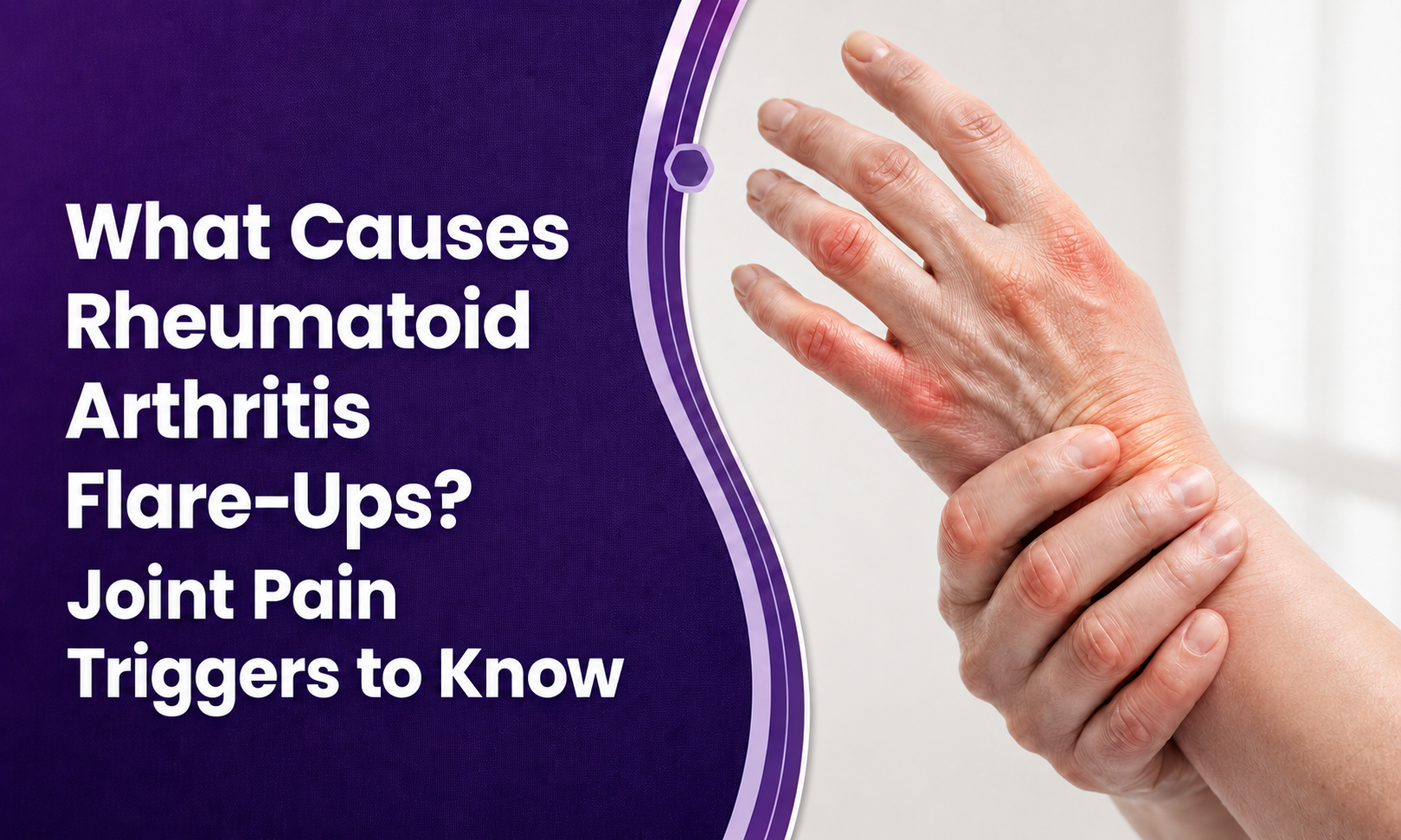
A rheumatoid arthritis flare-up can quickly cause painful, swollen, and stiff joints, making everyday activities difficult. Common triggers include stress, poor sleep, infection, physical overuse, and missed medication, although some flares have no clear cause.
Because uncontrolled inflammation can damage joints over time and may affect mobility, sleep, mood, heart, eyes, and lung health, frequent or worsening symptoms need medical attention.
If joint pain, swelling, and stiffness keep coming back, do not ignore the pattern. Passion Health Advanced Primary Care can help review symptoms, check warning signs, order initial testing when needed, and guide the next step for care.
Key Takeaways
- ✓ Rheumatoid arthritis flare-ups may cause increased joint pain, swelling, warmth, stiffness, and fatigue.
- ✓ Common triggers include stress, poor sleep, infection, physical overuse, missed medication, and uncontrolled inflammation.
- ✓ Tracking symptoms and possible triggers can help identify personal flare patterns and support treatment decisions.
- ✓ Frequent or worsening flare-ups need medical evaluation. Never stop or change rheumatoid arthritis medication without medical guidance.
What Is Rheumatoid Arthritis?
Rheumatoid arthritis, also called RA, is a long-term autoimmune disease. In RA, the immune system attacks healthy tissue by mistake. This attack often starts in the lining of the joints. The joint lining becomes inflamed, which can lead to pain, swelling, stiffness, warmth, and tenderness.
RA commonly affects:
Hands
Wrists
Feet
Ankles
Knees
Elbows
Shoulders
Hips
A key sign of rheumatoid arthritis is a pattern on both sides of the body. For example, both hands may hurt, both wrists may feel stiff, or both feet may swell.
RA differs from osteoarthritis. Osteoarthritis often develops from joint wear and tear over time. Rheumatoid arthritis comes from immune system inflammation. This difference matters because RA usually needs early medical treatment to help protect the joints.
What Is a Rheumatoid Arthritis Flare-Up?
A rheumatoid arthritis flare-up means RA symptoms become worse for a period of time. During a flare, inflammation increases. Pain may rise, stiffness may last longer, and swelling may become more noticeable.
A flare-up may last:
A few days
One or two weeks
Several weeks
Longer, especially when inflammation stays active
Some flares feel mild. Others can make daily work, sleep, walking, and hand movement difficult. Flares can also affect the whole body, not only the joints.
Common Rheumatoid Arthritis Flare-Up Symptoms
RA flare-ups do not feel the same for every patient. Still, many patients notice a few common signs.
Joint symptoms
Swelling in the hands, wrists, knees, ankles, or feet
Warmth around the joints
Tenderness when touching the joint
Morning stiffness that lasts longer than usual
Trouble gripping objects
Trouble walking or climbing stairs
Reduced range of motion
Whole-body symptoms
Fatigue
Low energy
Mild fever
Brain fog
Loss of appetite
Muscle aches
A general “sick” feeling
Daily-life signs
A flare-up may also show up through small daily changes:
Rings feel tight on swollen fingers
Shoes feel uncomfortable due to foot swelling
Hands feel weak in the morning
Pain increases after activity
Stiffness improves slowly after movement
Normal tasks take more time
What Causes Rheumatoid Arthritis Flare-Ups?
The main keyword question is important: what causes rheumatoid arthritis flare-ups? In simple words, flare-ups happen when inflammation rises. That inflammation may increase because of a clear trigger, poor disease control, or immune system activity that changes without warning.
Common causes and triggers include:
Stress
Poor sleep
Infection
Physical overuse
Missed or delayed medicine
Smoking
Joint injury
Weather-related discomfort
Uncontrolled inflammation
Poor recovery after illness
Sudden routine changes
Not every trigger affects every patient. One patient may flare after stress. Another may flare after poor sleep or a viral infection. A third patient may flare after overusing the hands during cleaning, typing, cooking, or lifting.
Rheumatoid Arthritis Flare-Up Trigger Chart
Possible Trigger | How It May Affect RA | What May Help |
Stress | Stress can increase body tension, worsen sleep, and make pain feel stronger. | Use calming routines, short walks, breathing exercises, and regular medical follow-up. |
Poor sleep | Lack of sleep can make pain harder to tolerate and may worsen fatigue. | Keep a steady sleep schedule and discuss ongoing sleep problems with a doctor. |
Infection | Illness can activate the immune system and may worsen RA symptoms. | Get medical advice for infections and avoid stopping medicine without guidance. |
Overexertion | Too much activity can strain painful joints and trigger swelling. | Pace activity, take breaks, and use joint-friendly movement. |
Missed medicine | Skipping treatment may allow inflammation to rise. | Follow the care plan and ask a doctor before changing medicine. |
Smoking | Smoking can increase RA risk and may make symptoms harder to control. | Ask for help with quitting and discuss risk reduction. |
Joint injury | A fall, twist, or strain may irritate already sensitive joints. | Rest the joint, track swelling, and get checked if pain worsens. |
Uncontrolled RA | Active disease can flare even without a clear trigger. | Regular checkups can help adjust treatment before damage worsens. |
Rheumatoid Arthritis Flare-Ups vs Normal Joint Pain
Not all joint pain means RA flare. Normal soreness can happen after activity. Osteoarthritis, gout, injury, infection, thyroid problems, and other conditions can also cause joint pain.
RA flare-up signs often include:
Warmth
Morning stiffness
Pain in several joints
Symptoms on both sides of the body
Fatigue with joint pain
Symptoms lasting more than a few days
Trouble with hand or foot function
Normal short-term soreness usually improves with rest and does not cause clear swelling or long morning stiffness. A doctor can help separate RA flare pain from other causes.
RHEUMATOID ARTHRITIS FLARE-UP EVALUATION
Joint Pain, Swelling, or Stiffness Getting Worse?
A primary care doctor can evaluate your symptoms, review possible triggers, order initial tests, and coordinate rheumatology care when needed.
Book an Appointment →When Should a Patient See a Primary Care Doctor?
A patient should schedule medical care when joint symptoms keep returning or keep getting worse. Early care matters because RA can damage joints over time.
See a doctor if symptoms include:
Joint swelling that lasts more than a few days
Morning stiffness that lasts longer than 30 minutes
Pain in both hands, wrists, feet, or knees
Warm or tender joints
Fatigue with joint pain
Fever with joint symptoms
Trouble walking, gripping, or working
New symptoms after starting medicine
Frequent flare-ups
Pain that affects sleep
A primary care provider can review symptoms, order initial lab tests, check for other causes, and refer to a rheumatologist when needed.
How Doctors May Check Rheumatoid Arthritis Flare-Ups
Doctors may use several steps to understand RA symptoms and flare patterns.
Common evaluation steps include:
Medical history
Joint exam
Symptom timeline
Medication review
Inflammation markers
Imaging when needed
Review of other health problems
Blood tests may check markers linked with inflammation or autoimmune activity. Imaging may help check joint damage or swelling. A doctor may also review blood pressure, cholesterol, diabetes risk, weight, kidney health, liver health, and infection risk.
This full-body review matters because RA does not only affect joints.
Rheumatoid Arthritis Treatment
Treatment may include:
Disease-modifying medications
Pain and inflammation relief
Physical or occupational therapy
Joint-friendly exercise
Healthy sleep and stress management
Regular medical follow-ups
Rheumatology care when needed
A primary care provider can evaluate symptoms, monitor overall health, and coordinate care with a rheumatologist.
How to Reduce Rheumatoid Arthritis Flare-Ups
Helpful step | What to do |
Follow the treatment plan | Take medicine as directed and refill it on time. |
Keep follow-up visits | Discuss new symptoms, side effects, and frequent flares. |
Track symptoms | Record pain, swelling, stiffness, sleep, stress, and illness. |
Protect the joints | Avoid tight gripping, heavy lifting, and repetitive tasks. |
Stay safely active | Try walking, stretching, gentle cycling or water exercise. |
Reduce infection risk | Wash hands and follow vaccination recommendations. |
Final Takeaway
Rheumatoid arthritis flare-ups may result from stress, poor sleep, infection, overuse, missed medication, or uncontrolled inflammation. Tracking symptoms and following the treatment plan can support better control. However, frequent swelling, prolonged stiffness, or worsening pain needs medical attention.
Schedule an appointment with Passion Health Advanced Primary Care to evaluate your joint symptoms and coordinate the next step in care.
Our Primary Care Locations
Frequently Asked Questions
1. What commonly triggers an RA flare-up?
Stress, poor sleep, infection, overuse, missed medication, and uncontrolled inflammation may trigger flares.
2. What does an RA flare feel like?
It may cause increased joint pain, swelling, warmth, stiffness and fatigue.
3. How long can an RA flare last?
A flare may last several days or weeks. Persistent or severe symptoms need medical review.
4. Can stress worsen rheumatoid arthritis?
Yes. Stress may disrupt sleep, increase fatigue, and make pain feel stronger.
5. When should I see a doctor?
Seek care for persistent swelling, fever, worsening stiffness, frequent flares, or difficulty moving.

About the Author
Dr. Anantha Chentha is a board-certified internal medicine physician with extensive experience in primary care and chronic disease management. He provides comprehensive, patient-centered care with a focus on prevention, accurate diagnosis, and long-term health management.
View Provider Profile →Related Post

Can a Hernia Feel Like Sore Muscles? Signs, Symptoms & When to See a DoctorCan a Hernia Feel Like Sore Muscles? Signs, Symptoms & When to See a Doctor
To Book an Appointment Call Us +1 214 666 6259 Can a Hernia Feel Like Sore Muscles? When Hernia Pain Gets Serious You lift something heavy, finish a hard workout,

How to improve your digestive healthHow to improve your digestive health
Your digestive system is essential to your overall well-being. It breaks down the food you eat into nutrients and energy your body can use. A healthy digestive system supports immune

CPR Steps for Cardiac Arrest Emergency Guide Every Adult Must KnowCPR Steps for Cardiac Arrest Emergency Guide Every Adult Must Know
Why CPR Steps for Cardiac Arrest Emergency Matter Right Now A cardiac arrest does not wait for preparation. It strikes suddenly, often in homes, workplaces, or public spaces. In those