Early Symptoms of Pancreatic Cancer Explained
Pancreatic cancer often develops silently, and symptoms may not appear until the disease has progressed. Understanding the Early Symptoms of Pancreatic Cancer is important because early detection may improve treatment options and survival chances.
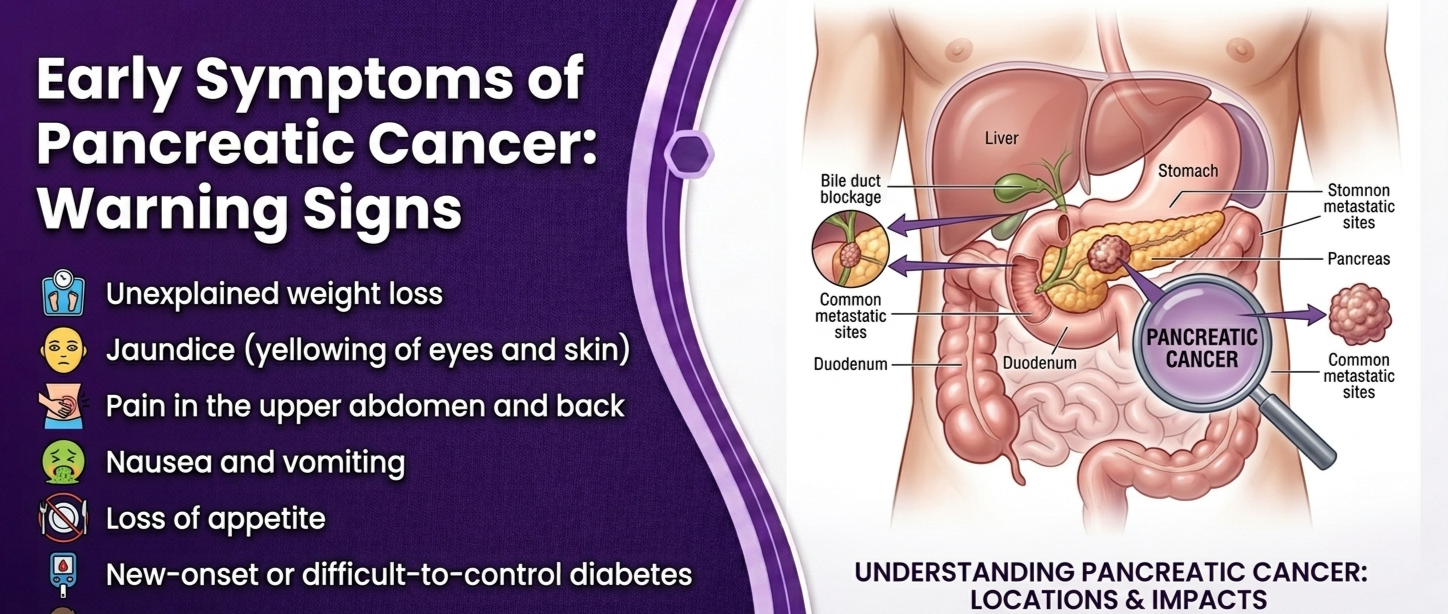
Common warning signs include unexplained weight loss, abdominal pain, digestive issues, fatigue, jaundice, and appetite changes. These symptoms are often mistaken for minor stomach problems, causing delays in diagnosis.
In 2026, new hope is emerging with experimental treatments like daraxonrasib (RMC-6236), a drug showing promising results in advanced pancreatic cancer patients.
If you notice persistent digestive symptoms or unusual weight loss, Book an appointment at Passion Health Primary Care, which offers personalized evaluations and early screening support.
Early Symptoms of Pancreatic Cancer
One of the biggest challenges with pancreatic cancer is that symptoms may appear gradually.
The following symptoms are among the most common early indicators linked to pancreatic cancer.
Unexplained Weight Loss
Sudden weight loss without changes in diet or exercise can be an important warning sign. Many people with pancreatic cancer lose weight because the body struggles to digest nutrients properly. A reduced appetite and ongoing digestive discomfort can also contribute to weight loss over time.
Persistent Abdominal Pain
Pain in the upper abdomen is another common symptom. The discomfort may start as mild pressure or burning and slowly worsen. In some cases, the pain spreads toward the back. This happens because the pancreas is located near several nerves and organs inside the abdomen.
Pain related to pancreatic cancer may become more noticeable after eating or while lying down.
Back Pain
Many people do not associate back pain with pancreatic disease. However, tumors growing in the pancreas can press against nearby tissues and nerves, leading to pain in the middle or upper back. Persistent back pain combined with digestive problems or unexplained fatigue should not be ignored.
Loss of Appetite
A noticeable decrease in appetite is another possible early symptom. Some individuals feel full after eating only small amounts of food. Others lose interest in meals completely. This symptom can gradually lead to nutritional deficiencies and weakness.
Jaundice
Jaundice causes the skin and eyes to develop a yellow tint. This happens when a tumor blocks the bile duct, preventing bile from flowing properly. Jaundice is often one of the clearest warning signs of pancreatic cancer.
Other symptoms associated with jaundice include:
Pale or greasy stools
Itchy skin
Digestive discomfort
In some cases, jaundice appears before abdominal pain develops.
Digestive Problems
Because the pancreas helps digest food, cancer can interfere with normal digestion. Individuals may experience:
Bloating
Nausea
Indigestion
Diarrhea
Difficulty digesting fatty foods
These symptoms are commonly mistaken for ordinary stomach issues, which is why pancreatic cancer may go unnoticed for months.
Sudden Diabetes
Doctors have observed a connection between pancreatic cancer and sudden-onset diabetes, especially in older adults. Tumors in the pancreas can affect insulin production and blood sugar regulation.
Symptoms of diabetes may include:
Increased thirst
Frequent urination
Blurred vision
Fatigue
When diabetes develops suddenly without typical risk factors, further evaluation may be necessary.
Extreme Fatigue
Cancer-related fatigue is different from ordinary tiredness. It often continues even after rest and may gradually worsen. People may struggle with low energy, weakness, or difficulty performing normal daily activities.
Fatigue combined with unexplained weight loss or digestive changes can sometimes point toward an underlying illness.
Blood Clots
Some people develop blood clots before pancreatic cancer is diagnosed. Symptoms may include swelling, redness, or pain in the leg. In severe cases, clots can travel to the lungs and cause breathing problems.
Unexpected blood clots without a clear cause should always be medically evaluated.
Changes in Stool and Urine
Pancreatic cancer can affect how bile and digestive enzymes move through the body. This may lead to:
Pale stools
Oily or floating stools
Strong-smelling bowel movements
Dark-colored urine
Persistent bowel changes should never be ignored, especially when combined with abdominal discomfort or weight loss.
Why Pancreatic Cancer Is Difficult to Detect Early
One reason pancreatic cancer is dangerous is that the pancreas is located deep inside the body. Small tumors are difficult to detect during routine physical examinations. Early symptoms are also similar to many less serious conditions, such as acid reflux, gastritis, gallbladder disease, or irritable bowel syndrome.
Because symptoms are often mild at first, many people delay seeking medical care. Unfortunately, pancreatic cancer can spread quickly once it becomes advanced.
Understanding the Early Symptoms of Pancreatic Cancer may encourage earlier medical evaluation and diagnosis.
Risk Factors for Pancreatic Cancer
Although pancreatic cancer can develop in anyone, certain factors increase the risk.
Common risk factors include:
Smoking
Excess body weight
Chronic pancreatitis
Diabetes
Family history of pancreatic cancer
Heavy alcohol consumption
Older age
Poor dietary habits
People with a strong family history may benefit from discussing genetic screening with a healthcare provider.
How Pancreatic Cancer Is Diagnosed
Doctors use several methods to diagnose pancreatic cancer. The process usually begins with a physical examination and medical history review.
Additional tests may include:
CT scan
MRI scan
Endoscopic ultrasound
Blood tests
Biopsy
Imaging tests help doctors identify tumors and determine whether cancer has spread.
Treatment Options for Pancreatic Cancer
Treatment depends on the stage of cancer, tumor size, and the overall health condition of the patient.
Surgery
Surgery may be possible if the cancer is detected early and remains localized. The goal is to remove the tumor before it spreads.
Chemotherapy
Chemotherapy uses medications to destroy cancer cells or slow their growth. It may be used before or after surgery.
Radiation Therapy
Radiation therapy targets cancer cells using high-energy beams. It is sometimes combined with chemotherapy.
Targeted Therapy
Targeted treatments focus on specific genetic changes within cancer cells. These therapies may help certain patients respond more effectively to treatment.
Immunotherapy
Immunotherapy helps the immune system recognize and attack cancer cells. It is used in selected cases depending on the cancer type and genetic profile.
New Pancreatic Cancer Drug Shows Hope in 2026
In 2026, researchers and cancer specialists are closely watching a promising new pancreatic cancer drug called daraxonrasib (RMC-6236). The treatment gained attention after new clinical trial results showed improved survival rates for patients with advanced pancreatic cancer.
Key Updates in 2026
The FDA allowed expanded access to the experimental drug for eligible pancreatic cancer patients.
The drug targets KRAS mutations commonly found in pancreatic tumors.
Early studies showed patients lived significantly longer compared to standard chemotherapy.
Researchers called it one of the biggest pancreatic cancer treatment breakthroughs in recent years.
The treatment is mainly being studied for metastatic pancreatic ductal adenocarcinoma (PDAC).
Reported Benefits
Clinical trials suggested:
Better survival outcomes
Slower cancer progression
Improved response in some advanced-stage patients
Potential alternative to traditional chemotherapy alone
Possible Side Effects
Doctors also reported some side effects, including:
Fatigue
Nausea
Skin reactions
Digestive problems
Bleeding complications in certain cases
Why This Matters
Pancreatic cancer is often diagnosed late and has limited treatment options. New targeted therapies like daraxonrasib may help improve outcomes for patients who previously had very few effective choices.
Researchers continue to study the drug to confirm long-term safety and survival benefits before wider approval.
Can Pancreatic Cancer Be Prevented?
There is no guaranteed way to prevent pancreatic cancer completely. However, healthy lifestyle choices may help reduce risk.
Prevention strategies include:
Avoid smoking
Maintain a healthy weight
Exercise regularly
Eat a balanced diet
Limit alcohol intake
Manage diabetes properly
Regular medical checkups are also important, especially for individuals with a family history or ongoing digestive problems.
Final Thoughts
Recognizing the Early Symptoms of Pancreatic Cancer can make a significant difference in early diagnosis and treatment outcomes. Symptoms such as unexplained weight loss, persistent abdominal pain, jaundice, digestive issues, sudden diabetes, and fatigue should never be ignored.
Although these symptoms do not always indicate cancer, ongoing or worsening changes in the body deserve medical attention. Early evaluation may help identify serious health conditions before they become more advanced.
If you notice ongoing digestive issues, unexplained weight loss, or unusual fatigue
Book an appointment with Passion Health Primary Care for personalized evaluation, early screening, and expert support for ongoing digestive or unexplained health symptoms.