Daraxonrasib Pancreatic Cancer Clinical Trial Results: What Patients Should Know
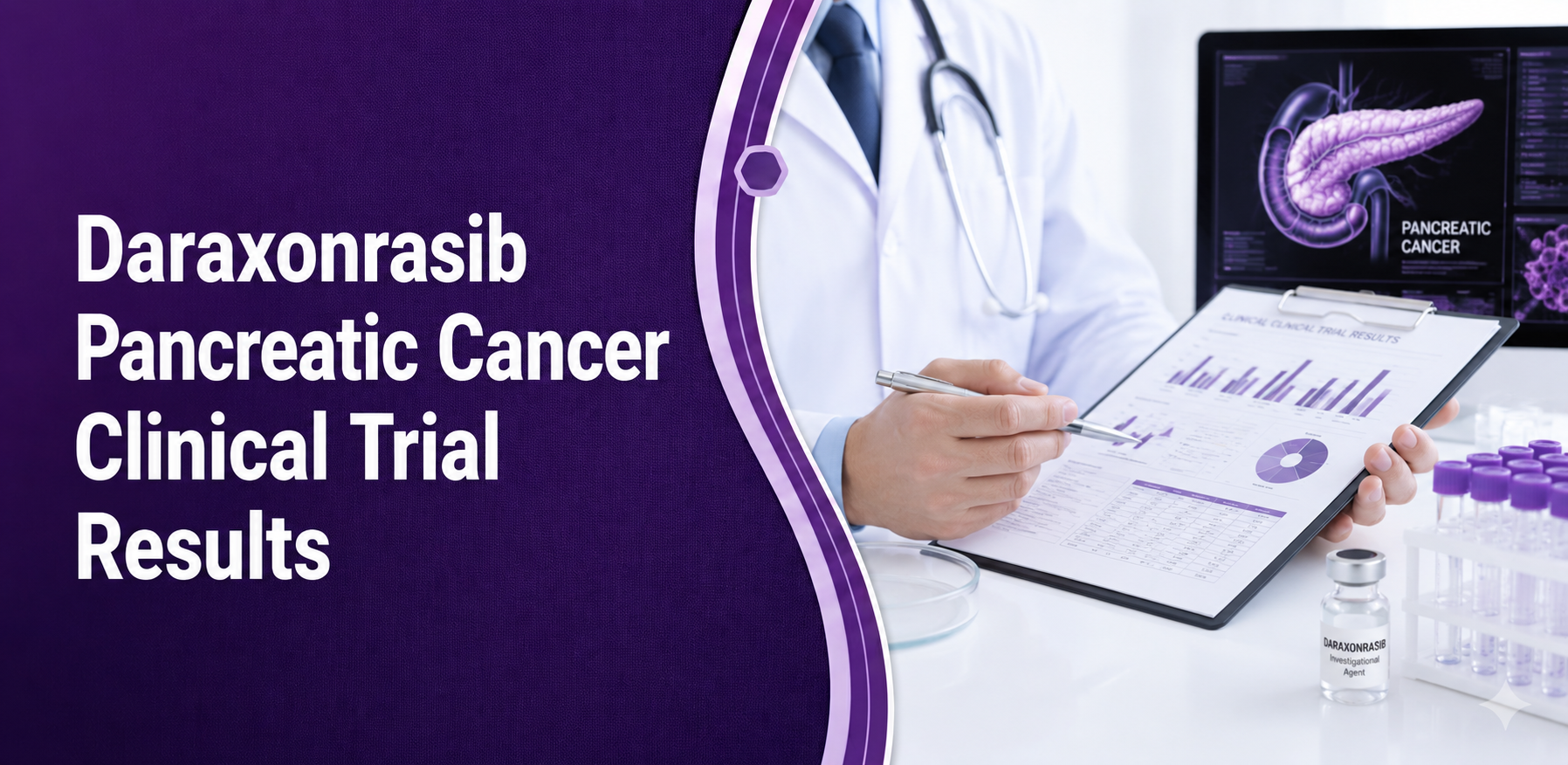
Pancreatic cancer can feel frightening because it often grows quietly, and many patients find it after the disease has already advanced. New research on the daraxonrasib pancreatic cancer clinical trial results has gained attention because this investigational pill targets RAS signaling, a major driver in many pancreatic cancers.
Worried about symptoms, a family history of pancreatic cancer, or confusing cancer test results? Book an appointment with Passion Health Advanced Primary Care for a doctor-guided evaluation and the right referral path.
What Is Daraxonrasib?
Daraxonrasib, also known as RMC-6236, is an investigational oral cancer drug. Researchers are studying it for cancers driven by RAS mutations, especially metastatic pancreatic ductal adenocarcinoma, often shortened to PDAC. Wikipedia lists daraxonrasib as a RAS inhibitor and notes that it is being tested for advanced solid tumors with RAS mutations, especially metastatic PDAC with KRAS G12X mutations.
The drug works differently from many older targeted treatments. Daraxonrasib targets the active, GTP-bound form of RAS proteins. In simple words, it aims to interfere with a signal that helps cancer cells grow, divide, and survive. This matters because RAS/KRAS changes drive many pancreatic cancers, and this pathway has remained difficult to treat for decades.
Why Pancreatic Cancer Needs Better Treatment Options
Pancreatic cancer remains one of the toughest cancers to treat. Many patients do not experience clear symptoms early. By the time doctors diagnose the disease, cancer may already involve nearby tissues or distant organs.
Standard chemotherapy can help some patients, but results often remain limited in advanced disease. That is why Daraxonrasib has attracted medical attention. It does not work like regular chemotherapy. Instead, it targets a cancer growth pathway linked to RAS mutations.
Still, patients should read the daraxonrasib pancreatic cancer clinical trial results carefully. Early promise does not mean every patient can take the drug today. It remains investigational, and oncologists must decide whether a patient may qualify through a clinical trial, expanded access program, or future approved use.
Daraxonrasib Pancreatic Cancer Clinical Trial Results: What the PubMed Study Found
The PubMed/NEJM study focused on patients with previously treated advanced RAS-mutated pancreatic ductal adenocarcinoma. Search-indexed PubMed details describe the study as a 2026 New England Journal of Medicine publication by Wolpin and colleagues. The study concluded that daraxonrasib showed antitumor activity, but treatment-related grade 3 or higher adverse events occurred in about one third of patients.
The study included 168 patients with previously treated RAS-mutated pancreatic ductal adenocarcinoma. These patients had advanced disease and had already received cancer treatment. Daraxonrasib showed activity against tumors, which means some tumors shrank or stayed controlled for a period.
Important numbers from available study summaries include:
Trial Detail | Reported Finding |
Drug name | Daraxonrasib / RMC-6236 |
Cancer focus | Previously treated advanced RAS-mutated PDAC |
Study type | Phase 1/2 clinical study |
Patient group | 168 patients with PDAC |
Main concern | Safety and antitumor activity |
Grade 3 or higher treatment-related adverse events | About 30% |
Common side effects | Rash, diarrhea, nausea, mouth sores, vomiting, fatigue |
A key point stands out: Daraxonrasib showed antitumor activity, but side effects were common. That balance matters. A drug can look promising and still require careful monitoring.
How Does Daraxonrasib Work?
Daraxonrasib works as a RAS(ON) multi-selective inhibitor. “RAS(ON)” means it targets active RAS signaling. Cancer cells often use this pathway like a stuck accelerator pedal. Once active, the pathway can keep telling cancer cells to grow.
Daraxonrasib forms a complex that helps block active RAS signaling. Wikipedia describes it as an orally active, multi-selective RAS inhibitor that uses a tri-complex mechanism involving cyclophilin A and active RAS proteins.
This mechanism matters for pancreatic cancer because many pancreatic tumors carry KRAS mutations. Traditional targeted drugs often focus on one specific mutation. Daraxonrasib may have a broader RAS-targeting approach, although more research must confirm which patients benefit most.
Why RAS and KRAS Mutations Matter
KRAS mutations act like a growth switch in many pancreatic cancers. When KRAS stays overactive, cancer cells receive constant signals to multiply. For years, doctors called KRAS a difficult target because the protein structure made drug development hard.
Newer RAS-targeted medicines changed that thinking. Daraxonrasib belongs to this newer research direction. It may help certain patients whose tumors carry specific RAS mutations, but tumor testing matters. A patient cannot assume benefit without molecular testing and oncologist review.
For website readers, this section helps answer a common search question: Is Daraxonrasib for pancreatic cancer a targeted therapy? Based on its mechanism, yes, researchers are studying it as a targeted RAS-pathway treatment. However, it has not replaced standard care for every pancreatic cancer patient.
Phase 3 Updates: Why the Drug Is Getting Attention
Beyond the Phase 1/2 PubMed study, newer Phase 3 updates have brought more attention to daraxonrasib. Revolution Medicines reported that the Phase 3 RASolute 302 trial met primary and key secondary endpoints in previously treated metastatic PDAC. The company reported median overall survival of 13.2 months with daraxonrasib compared with 6.7 months with standard chemotherapy.
Reuters also reported that the Phase 3 trial showed a 60% reduction in the risk of death compared with standard chemotherapy and that daraxonrasib is under further testing.
These results sound exciting, but patients should avoid misunderstanding them. Median survival does not predict one person’s exact outcome. It shows the middle point in a study group. Some patients may live longer. Others may not respond. Cancer biology, general health, prior treatment, tumor mutation status, and side effects all affect the result.
Daraxonrasib Side Effects Patients Should Know
The Daraxonrasib pancreatic cancer clinical trial results also show why safety monitoring matters. In the Phase 1/2 study, most patients had some treatment-related adverse event. Common side effects included rash, diarrhea, nausea, stomatitis or mucositis, vomiting, and fatigue. Grade 3 or higher treatment-related adverse events occurred in about 30% of patients.
A rash may sound minor, but cancer drug rashes can become painful or affect daily life. Mouth sores can make eating difficult. Diarrhea can cause dehydration. Fatigue can limit strength. Doctors monitor these problems closely because early treatment can prevent complications.
Patients should never start, stop, or change cancer medicine without oncology guidance. Daraxonrasib requires specialist oversight, lab monitoring, side effect tracking, and careful medication review.
Is Daraxonrasib Approved?
At this time, Daraxonrasib should be described as investigational. That means researchers continue to study it, and access may depend on clinical trial enrollment, expanded access, or future regulatory decisions.
ClinicalTrials.gov lists a Phase 1/2 study of RMC-6236 in patients with advanced solid tumors and describes it as a multicenter open-label study evaluating safety, tolerability, pharmacokinetics, and clinical activity.
ClinicalTrials.gov also lists RASolute 302 as a global randomized open-label Phase 3 study designed to evaluate whether RMC-6236 improves progression-free survival or overall survival.
Reuters reported that the FDA authorized early access to Revolution Medicines’ experimental pancreatic cancer pill for eligible patients with previously treated metastatic PDAC, but access must be requested by licensed treating physicians.
This detail is important for patient trust: a primary care clinic should not market daraxonrasib as a treatment it can directly provide. A primary care doctor can help with symptom evaluation, records, referrals, second-opinion coordination, and ongoing health support while oncology leads cancer treatment.
Who Might Need to Ask About Daraxonrasib?
A patient may want to ask an oncologist about daraxonrasib when they have:
Patient Situation | Why It Matters |
Metastatic pancreatic ductal adenocarcinoma | Current research focuses strongly on advanced PDAC |
Prior chemotherapy | Studies focused on previously treated patients |
RAS/KRAS mutation on tumor testing | The drug targets RAS-driven cancer biology |
Disease progression after treatment | Trial and access programs may focus on limited options |
Disease progression after treatment | Trial and access programs may focus on limited options |
This does not mean every patient qualifies. The oncologist must review biopsy reports, genetic testing, treatment history, scan results, organ function, and current symptoms.
What Patients Should Ask Their Doctor
Patients may feel overwhelmed when they hear about a new cancer drug. A clear list of questions can help during an oncology visit.
Ask the oncologist:
Does my tumor have a RAS or KRAS mutation?
Am I eligible for any Daraxonrasib clinical trial?
Is expanded access available for my case?
What side effects should I expect?
How would this compare with chemotherapy or another targeted option?
Would I need new genetic testing?
How often would I need scans and lab tests?
What warning signs should prompt urgent care?
These questions help patients move from fear to a clear action plan.
Doctor’s Insight: Hope With Caution
Daraxonrasib brings real hope because it targets a major pancreatic cancer pathway that researchers have struggled to treat for years. The trial results look meaningful, especially for a disease with limited second-line options.
However, a responsible medical message should include caution. Daraxonrasib is not a home remedy, supplement, or general wellness pill. It is an investigational cancer drug. Patients need an oncologist, molecular tumor testing, clinical trial guidance, and close monitoring.
A primary care doctor can still play an important role. Many cancer patients need help managing blood pressure, diabetes, weight loss, appetite changes, fatigue, dehydration, pain concerns, anxiety, medication interactions, and referrals. Strong primary care can support the whole treatment journey.
When to Seek Medical Care Quickly
A person should contact a doctor quickly for symptoms that may suggest pancreatic or digestive disease, especially when symptoms persist or worsen.
Possible warning signs include:
Yellow eyes or yellow skin
Unexplained weight loss
Ongoing upper belly or back pain
New diabetes or sudden blood sugar changes
Loss of appetite
Pale stools or dark urine
Persistent nausea or vomiting
Severe fatigue
Unexplained blood clots
These symptoms do not always mean cancer. Gallbladder disease, liver problems, ulcers, infections, and other conditions can also cause similar symptoms. A doctor can decide which tests make sense.
Daraxonrasib for Pancreatic Cancer: What This Means Right Now
The current message is hopeful but not final. Daraxonrasib may become an important option for certain patients with RAS-mutated pancreatic cancer. The Phase 1/2 study demonstrated antitumor activity but also notable side effects. Phase 3 updates suggest better survival compared with standard chemotherapy in previously treated metastatic pancreatic cancer.
Still, patients should not treat headlines as personal medical advice. Clinical trial results guide doctors, but personal treatment decisions require a full medical review.
For SEO and patient education, the safest message is:
Daraxonrasib pancreatic cancer clinical trial results show promising progress for RAS-mutated pancreatic cancer, but the drug remains investigational and requires oncology guidance.
Final Takeaway
Daraxonrasib, also called RMC-6236, is one of the most closely watched investigational drugs in pancreatic cancer research. It targets active RAS signaling, a key growth pathway in many pancreatic tumors. Current results suggest a possible benefit for some patients with previously treated RAS-mutated pancreatic ductal adenocarcinoma.
At the same time, patients need careful guidance. Side effects can occur, eligibility depends on cancer type and mutation testing, and access may require a clinical trial or physician-requested program.
Concerned about pancreatic cancer symptoms, abnormal scans, family history, or confusing lab results? Book an appointment with Passion Health Advanced Primary Care. Our care team can help review symptoms, guide next steps, coordinate referrals, and support your health while oncology manages cancer treatment.