How to Avoid Ozempic Face During Weight Loss
Ozempic has helped millions of people reach weight loss goals that felt out of reach for years. Fewer people talk about what can happen to your face along the way.
Hollowed cheeks, loose skin around the jaw, deeper wrinkles around the eyes — these changes catch many patients off guard, often appearing within the first few months of treatment.
Before worrying too much, it helps to know one important point. Ozempic face is not an official medical diagnosis. The term usually refers to facial volume loss linked to rapid weight loss, not a direct side effect of Ozempic itself. This change can happen with other GLP-1 medicines or any major weight loss, not only Ozempic.
Worried about Ozempic face? Rapid weight loss can change facial volume, but the right plan may help protect your skin, muscles, and overall health.
Book an appointment with Passion Health Advanced Primary Care for safe, doctor-guided weight-loss support.
What Is Ozempic Face?
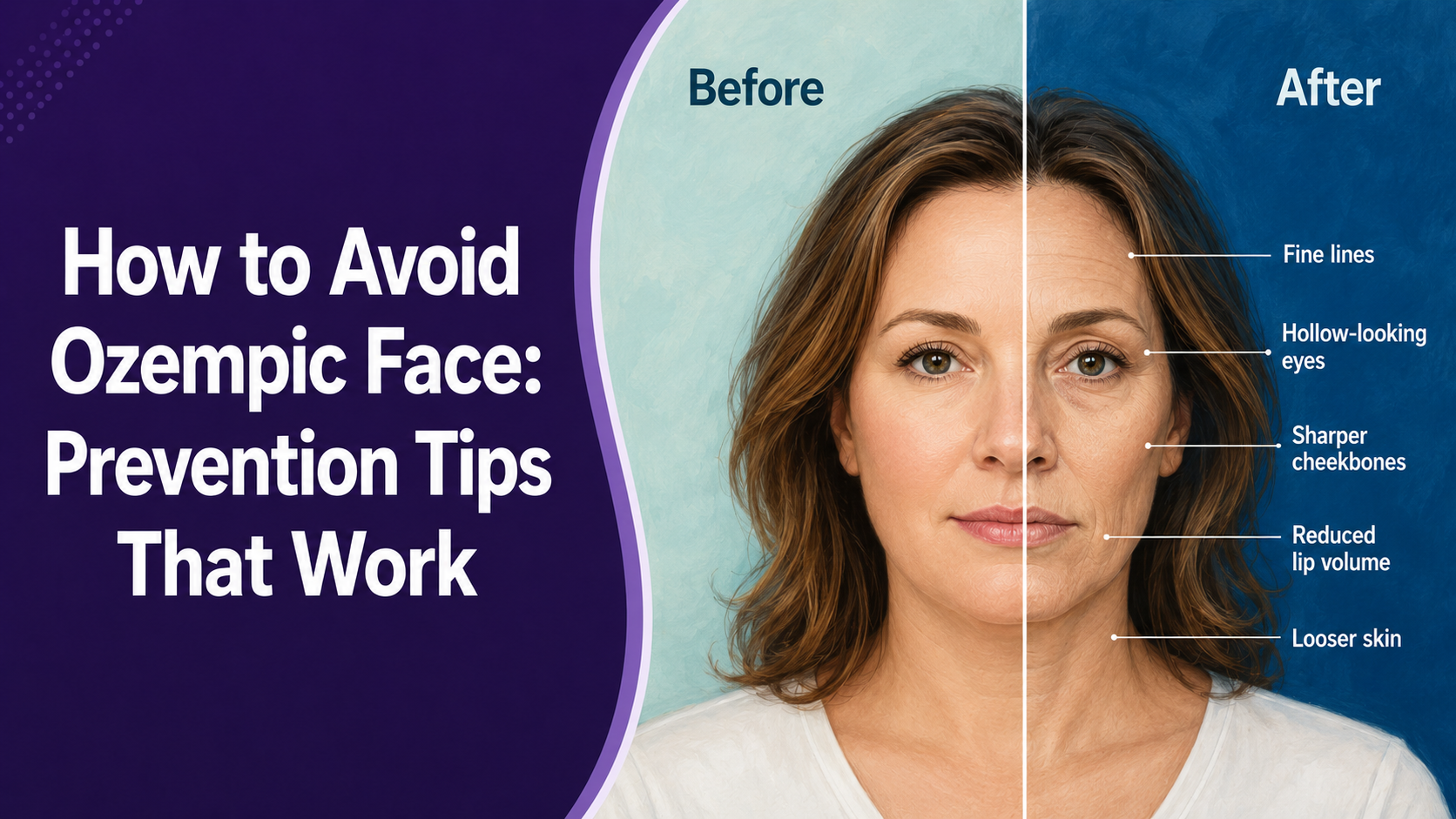
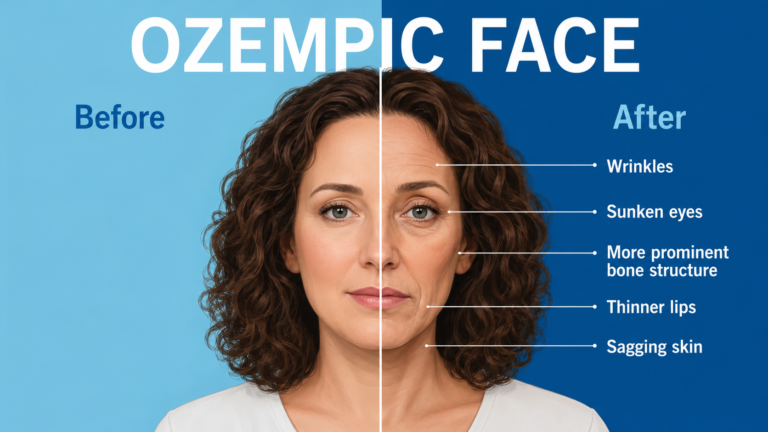
Ozempic face means the face looks noticeably thinner after fast weight loss. A person may see sunken cheeks, deeper lines, thinner lips, loose skin, or a sharper jawline. In some cases, the neck may also look looser.
Although the name includes Ozempic, the issue is really about losing facial fat quickly.
Fat under the skin helps support facial shape. When that fat decreases fast, the skin may not tighten at the same speed. As a result, the face can look older or more tired than expected.
Ozempic is a GLP-1 receptor agonist approved for adults with type 2 diabetes, and the FDA label also lists cardiovascular and kidney-related risk-reduction uses for certain adults with type 2 diabetes.
However, many people use the word “Ozempic” online when talking about the broader group of GLP-1 medicines.
What Does Ozempic Face Look Like?
“Ozempic face” refers to facial changes that may happen after rapid weight loss. When the body loses fat quickly, the face can lose volume too. This may make the cheeks look hollow, the skin look loose, and wrinkles appear deeper.
Facial fat helps support the skin and gives the face a fuller, healthier shape. When that fat reduces faster than the skin can adjust, the face may look older or more tired.
Who may notice it more?
Older adults
People who lose weight very quickly
People with lower facial fat before weight loss
People not eating enough protein or nutrients
The main cause is usually fast weight loss, not the medicine alone. A slower, medically guided weight-loss plan may help reduce the risk.
Why the Speed of Weight Loss Is the Real Problem
Rapid weight loss is the main reason Ozempic face becomes noticeable.
Medicines like semaglutide or tirzepatide may help people lose a meaningful amount of weight, but when fat loss happens faster than the skin can adjust, the face may look hollow, loose, or older.
The goal is not to avoid weight loss. The goal is to lose weight at a pace your skin and body can handle.
Key points:
Fat loss can happen faster than skin tightening.
Facial fat may reduce quickly, but skin needs more time to shrink and adapt.Fast weight loss can make the face look aged.
Hollow cheeks, loose jawline skin, and deeper wrinkles may appear when facial volume drops suddenly.Skin remodeling takes time.
The skin needs time to rebuild support and adjust after volume loss.Higher or faster dose changes may increase visible changes.
Trying to lose weight as quickly as possible may make facial changes more noticeable.This is not just about appearance.
It is basic body physiology. Skin, fat, collagen, and muscle all need time to adjust.The safer goal is steady weight loss.
A slower, doctor-guided plan may help protect your face, skin, muscles, and overall health.
What Causes Ozempic Face?
The main cause is rapid weight loss. When the body loses weight, fat can come from many areas, including the face. Unfortunately, no one can choose where fat leaves first.
Age can also play a role. As adults get older, facial fat and collagen naturally decrease. Therefore, when weight loss happens quickly, those age-related changes may become more visible.
Rapid weight loss can make wrinkles, sagging skin, and a gaunt look more noticeable.
In addition, low protein intake and muscle loss may make the face and body look less firm. Healthy lifestyle habits, including enough protein and resistance exercise, may help support muscle and skin during weight loss.
Signs of Ozempic Face to Watch For
Sunken cheeks: The cheeks may look hollow or less full after rapid weight loss.
Loose skin: Skin around the face, jawline, or neck may look softer or saggy.
Deeper wrinkles: Fine lines may look more visible when facial fat decreases.
Thin lips: Some people may notice less fullness around the mouth area.
Tired facial look: The face may appear older, sharper, or more tired than before.
How to Avoid Ozempic Face During Weight Loss
The best way to avoid Ozempic face is to lose weight slowly and safely. Rapid weight loss can reduce facial fat faster than the skin can adjust. A steady plan, good nutrition, hydration, strength training, and medical guidance may help reduce facial volume loss and loose skin.
Key prevention tips:
Lose weight slowly: Aim for steady progress instead of fast results. Losing too much weight quickly may make facial changes more noticeable.
Eat enough protein: Protein supports muscle, skin structure, and healing. Add eggs, fish, chicken, Greek yogurt, beans, lentils, tofu, or lean meats to your meals.
Add strength training: Resistance exercises help protect muscle while losing fat. Try light weights, resistance bands, squats, wall push-ups, or guided workouts.
Stay hydrated: Low fluid intake can make skin look dry, dull, or less firm. Drink enough water and watch for dark urine, dizziness, or dry mouth.
Avoid crash dieting: Very low-calorie diets may increase muscle loss, fatigue, nutrient gaps, and loose skin. Choose balanced meals with protein, fiber, healthy fats, fruits, and vegetables.
Protect your skin: Use sunscreen daily, apply moisturizer, and follow a gentle skincare routine. Sun damage can make wrinkles and loose skin look worse.
Talk to your doctor: Do not stop or change your medication without medical advice. A provider can review your weight-loss speed, side effects, blood sugar, nutrition, and overall health.
Avoid Losing Weight Too Quickly for Appearance Alone
Some patients want faster results because they feel pressure from social media, photos, or events. However, quick weight loss can come with trade-offs.
Facial hollowing, sagging skin, weakness, and hair shedding may become more noticeable when nutrition and strength are not protected.
Instead, aim for a plan that improves health markers and appearance together.
Better blood sugar, better energy, better sleep, improved mobility, and steady weight control matter more than a fast number on the scale.
Best Prevention Habits
Choose steady progress over fast results.
Build meals around protein, fiber, and healthy fats.
Add strength workouts at least 2–3 times weekly.
Drink enough water throughout the day.
Keep regular follow-ups with a healthcare provider.
Do not change medication doses without medical advice.
Does Ozempic Face Go Away?
Ozempic face may improve if some weight returns to the face. However, if weight loss is maintained, facial volume may not fully come back on its own.
Cosmetic treatments such as fillers, microneedling, PRP, radiofrequency skin tightening, or surgical procedures may help some people who want appearance-related treatment.
Still, treatment is optional. Ozempic face is usually a cosmetic concern, not a dangerous health problem. The right choice depends on your goals, comfort, budget, medical history, and provider’s advice.
When Should You Talk to a Doctor?
Talk with a doctor if weight loss feels too fast, appetite is extremely low, or you struggle to eat enough protein.
Also, get medical advice if you have dizziness, dehydration symptoms, repeated vomiting, severe constipation, low blood sugar symptoms, or unusual weakness.
Patients should also ask for help before using online weight-loss injections or changing doses on their own.
A safe plan needs medical monitoring, especially for adults with diabetes, heart disease, kidney disease, thyroid concerns, or multiple medications.
Final Thoughts
Learning how to avoid Ozempic face starts with one simple idea: weight loss should be steady, nourished, and medically guided. Rapid weight loss can reduce facial fat, deepen wrinkles, and make the skin look loose.
However, slower progress, enough protein, strength training, hydration, sunscreen, and regular provider checkups can help protect your face and overall health.
At Passion Health Advanced Primary Care, patients can get personalized guidance for weight management, diabetes care, nutrition concerns, and medication monitoring.
If you are using a GLP-1 medication or thinking about starting one, schedule a visit to build a safer plan before problems begin.
Losing weight shouldn’t cost you your confidence. Our specialists help you protect both — starting now.
5 FAQs About How to Avoid Ozempic Face
1. What is Ozempic face?
Ozempic face means the face looks thinner, hollow, saggy, or older after rapid weight loss. It usually happens because facial fat decreases faster than the skin can tighten. Although the name includes Ozempic, this change can happen with any fast weight loss, not only one medication.
2. How can I avoid Ozempic face?
The best way to reduce the risk is to lose weight slowly, eat enough protein, stay hydrated, and do strength training. Also, avoid crash dieting because very low-calorie eating can increase muscle loss and loose skin. A doctor-guided plan is safer than trying to lose weight too quickly.
3. Does Ozempic face go away?
Ozempic face may improve if some facial volume returns, but it may not fully go away for everyone. Skin elasticity, age, total weight loss, and weight-loss speed all play a role. Some people also consider cosmetic treatments, but a medical checkup should come first.
4. Can protein help prevent Ozempic face?
Protein may help because it supports muscle, skin structure, and healing during weight loss. When appetite becomes low, patients may eat less protein without noticing. Adding protein-rich foods like eggs, fish, chicken, Greek yogurt, beans, tofu, or lentils can support a healthier weight-loss plan.
5. When should I talk to a doctor?
Talk to a doctor if weight loss feels too fast, appetite becomes too low, or you notice weakness, dizziness, dehydration, vomiting, constipation, or low blood sugar symptoms. Also, do not stop or change your medication dose without medical advice.