Can Tzield Stop Type 1 Diabetes Before It Starts? Doctor Explains the 2026 Breakthrough
Can Tzield stop type 1 diabetes before it starts? This question now drives global search trends—and for a good reason.
A new wave of research and regulatory updates has shifted how doctors approach early type 1 diabetes. Instead of waiting for symptoms, clinicians now focus on delaying the disease itself.
From a doctor’s perspective, this shift marks a major change in care. In the past, clinicians diagnosed type 1 diabetes only after symptoms appeared—often suddenly.
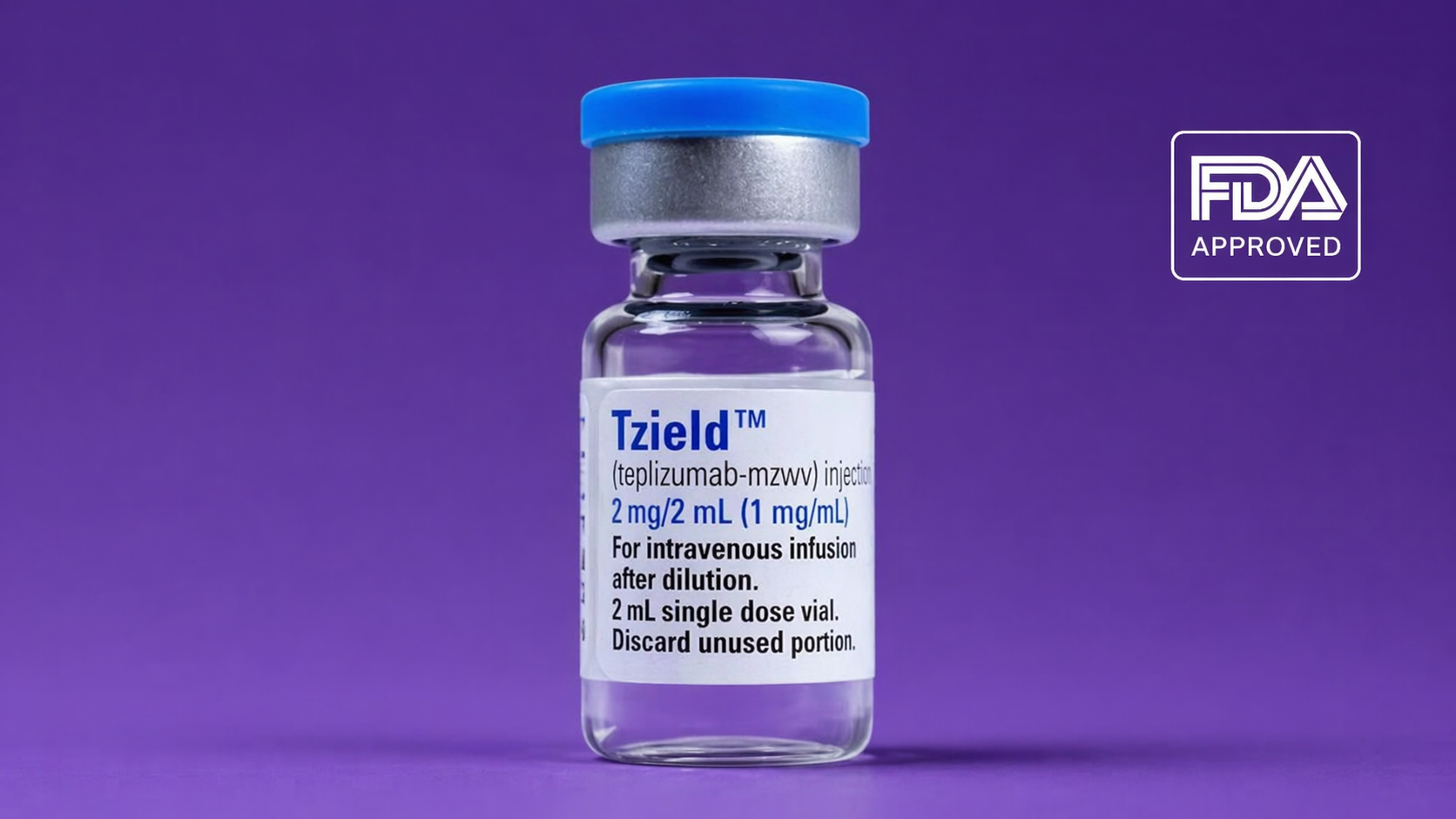
Now, with early screening and targeted therapies like Tzield(teplizumab), doctors can identify at-risk individuals and intervene before clinical disease develops.
This approach allows physicians to protect remaining insulin-producing cells and extend the symptom-free phase.
If you follow diabetes news, you may have seen updates about Tzield expanding to younger children. This development has created both hope and confusion. Many people now ask: Can Tzield stop type 1 diabetes before it starts, or does it only delay the process?
Let’s break this down with a clear, evidence-based explanation from a clinical perspective.
Take control of early diabetes risk today—book an appointment with Passion Health Primary Care and speak to a specialist now.
What Happens Before Type 1 Diabetes Actually Starts
Type 1 diabetes does not begin with symptoms. The disease develops silently over months or even years. During this period, the immune system attacks insulin-producing beta cells in the pancreas.
Doctors divide the condition into three stages:
Stage 1: Autoantibodies appear, but blood sugar stays normal
Stage 2: Blood sugar becomes abnormal, but no symptoms appear
Stage 3: Symptoms begin, and insulin treatment becomes necessary
Here is the critical point: intervention works best before stage 3. That is exactly where Tzield enters the picture.
How Tzield Works Inside the Body
To understand whether Tzield can stop type 1 diabetes before it starts, you need to understand how the drug works.
Tzield is an immunotherapy. It targets specific immune cells known as T-cells.
These cells mistakenly attack the pancreas in type 1 diabetes. Tzield modifies this immune response and slows down the destruction.
Doctors administer Tzield as a 14-day intravenous infusion course. During this period, the drug “resets” parts of the immune system.
Because of this mechanism, Tzield does not act like insulin or glucose-lowering drugs. It addresses the root cause, not just the symptoms.
How Effective Is Tzield in Clinical Reality
Clinical data provide a strong answer to the question:
Can Tzield stop type 1 diabetes before it starts
It delays progression by ~25 months (over 2 years) on average
Some patients experience even longer delays
Patients remain symptom-free longer without insulin dependence
Doctors view this as a meaningful clinical win. Even a 2-year delay reduces early complications and emotional burden.
Why the 2026 Update Changes Everything
Recent updates expanded the conversation around Tzield. Earlier approvals focused on older children and adults.
This shift matters for three reasons:
1. Earlier Intervention Becomes Possible
Doctors can now act before significant pancreatic damage occurs. Earlier treatment means better preservation of insulin production.
2. Screening Gains Importance
Families now have a reason to test children early. Without treatment options, screening felt less urgent. Now it can change outcomes.
3. Preventive Care Enters Diabetes Medicine
Endocrinology begins to move toward prevention, not just management.
Because of these changes, the question of whether Tzield can stop type 1 diabetes before it starts now appears more often in searches and in clinical discussions.
Benefits Doctors See in Real Practice
From a clinical standpoint, Tzield offers several meaningful advantages:
Slows Disease Progression
The drug delays the transition to symptomatic diabetes. This delay gives patients more time without insulin therapy.
Preserves Beta Cell Function
Some insulin production continues during the delay period. This preservation improves metabolic stability.
Reduces Acute Complications
Early diagnosis and delayed onset lowers the risk of emergency presentations like diabetic ketoacidosis.
Improves Psychological Readiness
Families gain time to understand the condition, plan treatment, and adjust emotionally.
Because of these benefits, the question of whether Tzield can stop type 1 diabetes before it starts continues to gain attention among both clinicians and patients.
Key Safety Warnings Doctors Explain
Because Tzield modifies the immune system, monitoring becomes essential.
1. Cytokine Release Syndrome (CRS)
This is the most important early side effect.
Symptoms may include:
Fever
Fatigue
Headache
Muscle and joint pain
Doctors monitor patients closely during the first 5 days, when this risk remains highest.
2. Reduced White Blood Cells
Tzield can temporarily lower lymphocyte levels.
This may affect infection-fighting ability
Regular blood tests track immune status
3. Liver Monitoring Required
Doctors check liver enzymes before and during treatment.
Treatment may pause if abnormalities appear
This ensures safe continuation
4. Infection Risk and Vaccination Timing
Patients must:
Avoid live vaccines during treatment
Complete vaccines before starting therapy
This step prevents immune complications.
Common Side Effects Patients May Notice
Most side effects remain manageable and temporary:
Rash
Headache
Fever
Sore throat or mild infections
Doctors often prescribe supportive medications like:
Antihistamines
Pain relievers
Anti-nausea drugs
These reduce discomfort during the 14-day course.
Who Should Consider Tzield
Tzield does not apply to everyone. Doctors recommend it for specific high-risk individuals.
You may qualify if:
Blood tests show two or more diabetes-related autoantibodies
Glucose levels show early abnormalities
No clinical symptoms have started yet
This combination defines stage 2 type 1 diabetes.
Family history increases risk, but it does not determine eligibility alone. Testing remains essential.
Who Should Avoid Tzield
Doctors do not recommend Tzield in certain situations:
Active or recurring infections
Pregnancy (risk to fetus)
Severe immune suppression
Uncontrolled liver abnormalities
Careful screening ensures patient safety.
Tzield (teplizumab) Dosing (Stage 2 Type 1 Diabetes)
Route: Intravenous infusion (minimum 30 minutes)
Duration: Once daily for 14 consecutive days
Dose type: Based on body surface area (mcg/m²)
Step-up dosing schedule:
Day 1: 65 mcg/m²
Day 2: 125 mcg/m²
Day 3: 250 mcg/m²
Day 4: 500 mcg/m²
Days 5–14: 1030 mcg/m²
Do not give two doses on the same day
Before Starting Treatment
Confirm Stage 2 T1D:
At least 2 positive pancreatic islet autoantibodies
Evidence of dysglycemia (OGTT or equivalent)
Rule out type 2 diabetes based on clinical history
Check:
Complete blood count (CBC)
Liver enzyme tests
The Future of Type 1 Diabetes Prevention
Tzield represents a first step, not the final solution.
Researchers now explore:
Combination immunotherapies
Personalized risk prediction
Earlier screening programs
Beta-cell preservation strategies
These efforts aim to move closer to true prevention.
However, even today, Tzield has already changed the landscape. It proves that modifying the course of type 1 diabetes remains possible.
What Families Should Do Next
If type 1 diabetes runs in your family, take proactive steps:
Ask about autoantibody screening
Monitor early glucose changes
Discuss eligibility for Tzield with a qualified clinician
Stay informed about evolving treatment options
Do not wait for symptoms to appear. Early action creates better outcomes.
Final Take from a Doctor
So, can Tzield stop type 1 diabetes before it starts?
A precise, evidence-based answer looks like this:
It does not completely stop the disease
It delays the onset significantly
It works best in stage 2 patients identified early
That delay can reshape a child’s health journey. It can reduce immediate burden, improve planning, and open the door for future therapies.
Medicine rarely shifts overnight. Yet Tzield marks a clear turning point—from reaction to early intervention.
Don’t wait for symptoms to appear—book your appointment with Passion Health Primary Care today and get expert guidance on early diabetes care.