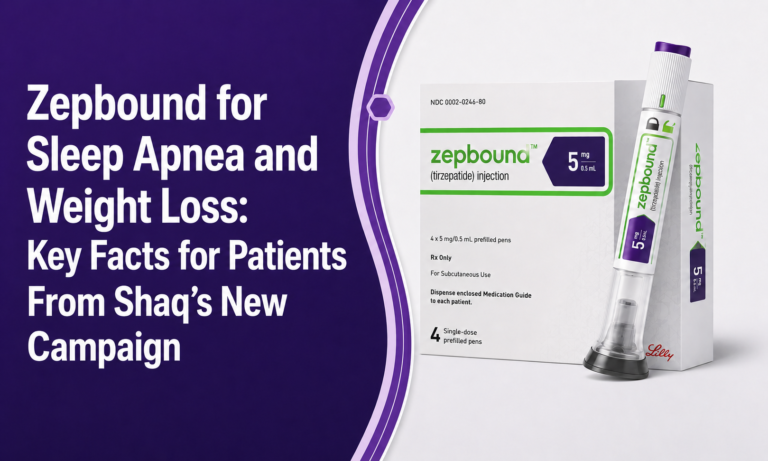
Zepbound for Sleep Apnea and Weight Loss: Why This Topic Matters Now
Loud snoring may seem harmless. Daytime tiredness may feel like stress. Poor focus may look like a busy schedule. However, these signs can point to obstructive sleep apnea, a condition that can affect breathing, energy, heart health, and daily safety.
Shaquille O’Neal’s new Zepbound campaign has made more patients ask an important question: could weight, poor sleep, and loud snoring be connected? His campaign reminds people not to ignore symptoms that keep showing up night after night.
Zepbound for sleep apnea may help some adults with obesity and moderate-to-severe obstructive sleep apnea. Still, it is not right for everyone. Patients need a proper diagnosis, medical review, and safety check before treatment.
Snoring every night? Waking up tired even after sleeping? It may be more than poor sleep. At Passion Health Advanced Primary Care, our care team can review your symptoms, weight-related risks, and next steps.
What Shaq’s Zepbound Campaign Means for Patients? key facts
Shaq’s new Zepbound campaign, called “Watch This,” brings attention to obstructive sleep apnea and weight-related health risks. The main message is simple: loud snoring, poor sleep, daytime tiredness, and focus problems should not be ignored. Many adults live with sleep apnea for years without knowing it, and that delay can affect energy, mood, driving safety, work, and long-term health.
Key facts from Shaq’s Zepbound campaign:
The campaign raises awareness about obstructive sleep apnea.
Shaq shares his experience with loud snoring, tiredness, poor sleep, and focus problems.
Sleep apnea symptoms can feel “normal,” but they may signal a serious health issue.
Extra weight can increase pressure around the airway and worsen sleep apnea.
Weight care may become part of a sleep apnea treatment plan for some adults.
Zepbound may help certain adults with obesity and moderate-to-severe sleep apnea.
Zepbound is not right for every patient.
A celebrity campaign can start the conversation, but a doctor should guide treatment.
Patients should ask about sleep testing, PAP therapy, lifestyle care, and safe medication options.
Do not wait until symptoms affect daily life, driving, or heart health.
Zepbound for Sleep Apnea: What Is It?
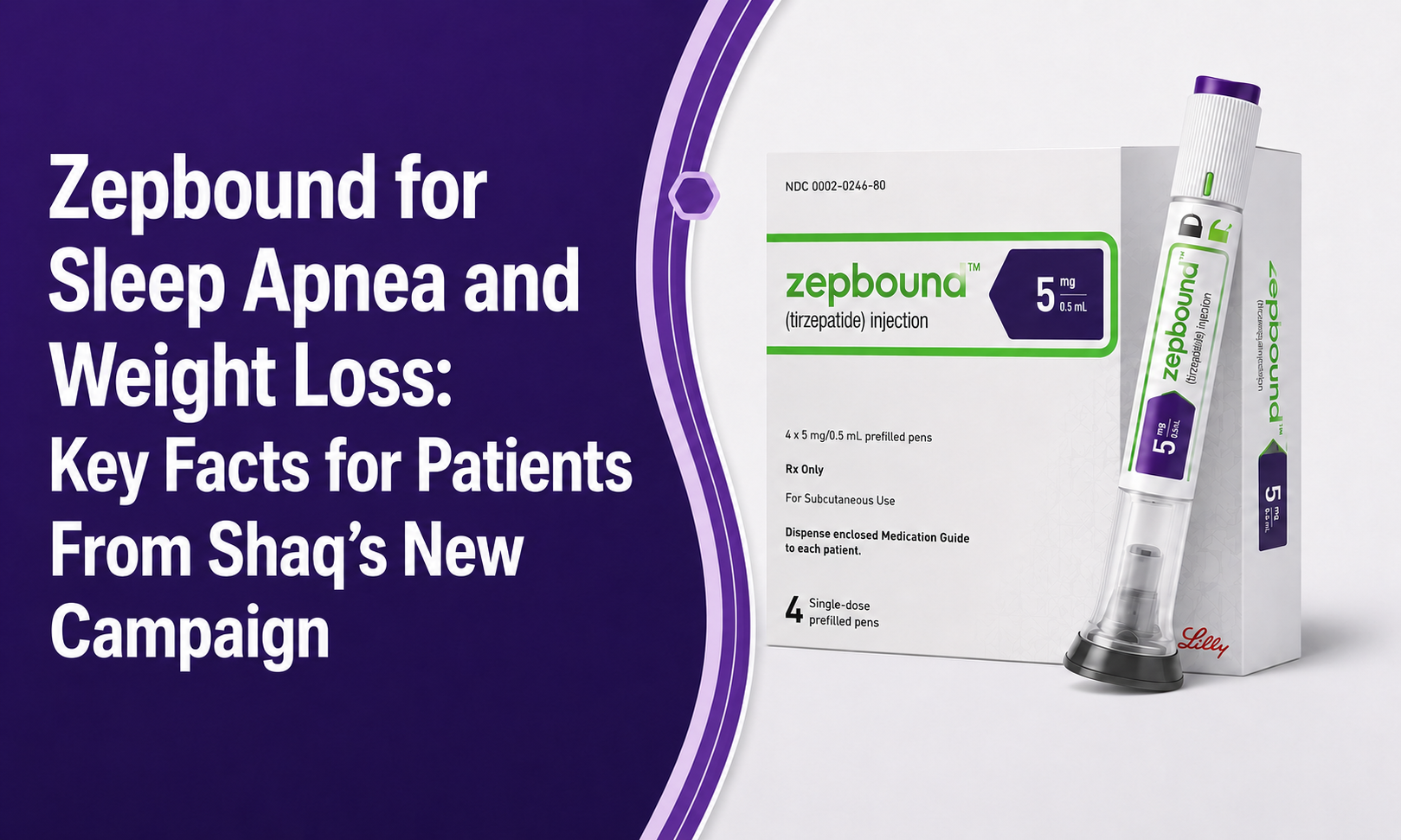
Zepbound is the brand name for tirzepatide. Doctors prescribe it as a once-weekly injection for certain adults who meet medical criteria.
Zepbound works on two hormone pathways known as GIP and GLP-1 receptors. These pathways can affect appetite, fullness, calorie intake, and body weight.
Because excess body weight can worsen obstructive sleep apnea in many adults, weight reduction may improve sleep apnea severity in some patients.
Zepbound is FDA-approved for long-term weight reduction in adults with obesity or in adults with higher weight who have at least one weight-related health condition.
It is also approved for moderate-to-severe obstructive sleep apnea in adults with obesity. However, patients still need a full medical review before treatment, including diagnosis, health history, medication check, and safety screening.
What Is Obstructive Sleep Apnea?
Obstructive sleep apnea happens when the upper airway gets blocked during sleep. This can cause snoring, gasping, shallow breathing, or short pauses in breathing. As a result, the body may get less oxygen, and sleep quality can drop.
Many people do not know they have sleep apnea. Common signs include loud snoring, morning headaches, dry mouth, daytime tiredness, and waking up choking or gasping.
Common warning signs can include:
Loud snoring
Daytime sleepiness
Morning headaches
Poor focus
Irritability
Waking up gasping
Dry mouth in the morning
Trouble staying asleep
Low energy despite enough time in bed
Not every snorer has sleep apnea. Still, loud snoring with daytime tiredness deserves attention.
Who May Qualify for Zepbound?
A provider may consider Zepbound for adults with excess weight and moderate-to-severe obstructive sleep apnea.
A doctor may review several factors before recommending treatment:
Current weight and BMI
Sleep apnea diagnosis
Sleep study results
Blood pressure
Blood sugar history
Kidney and gallbladder history
Pancreas history
Current medicines
Past side effects with similar medications
Pregnancy plans
Family history of certain thyroid cancers
Patients should not start Zepbound from social media advice, celebrity ads, or unsafe online sellers. Prescription weight-loss medicine needs medical follow-up.
How Zepbound May Help Sleep Apnea
Zepbound may help obstructive sleep apnea by supporting weight loss. When body weight goes down, pressure around the upper airway may decrease. This may reduce breathing interruptions during sleep in some adults with obesity and moderate-to-severe sleep apnea.
Key points for patients:
Zepbound does not work overnight.
Weight loss and sleep improvement take time.
Clinical studies showed better breathing interruption scores after 52 weeks.
Some patients in the studies used PAP therapy.
Others could not or did not want to use PAP therapy.
Sleep apnea may still need PAP therapy, oral appliances, lifestyle changes, or specialist care.
Patients should not stop PAP therapy unless their doctor says it is safe.
Stopping sleep apnea treatment too early can increase health risks.
Zepbound for Sleep Apnea and Weight Loss Is Not Cosmetic Weight Loss
This point matters. Zepbound is not a quick-fix shot for appearance. It is a prescription medicine for serious health conditions.
Patients may hear about dramatic weight-loss results online. However, safe care needs a different mindset. The goal should include better metabolic health, safer breathing during sleep, improved energy, better blood pressure control, and lower long-term risk when possible.
A provider may also help patients build a full plan that includes nutrition, movement, sleep habits, medication review, and follow-up visits. Medication alone does not replace daily health habits.
Common Side Effects
Zepbound can cause side effects. Many patients report stomach-related symptoms, especially when the dose increases.
Common side effects may include:
Nausea
Diarrhea
Vomiting
Constipation
Indigestion
Injection site reaction
Fatigue
Burping
Hair loss
Heartburn or reflux
Allergic-type reactions
A provider may adjust the dosing schedule, review dietary changes, check hydration status, or decide whether the medication still makes sense.
Zepbound Safety Facts
Zepbound is tirzepatide, a once-weekly prescription injection used for weight management and moderate-to-severe obstructive sleep apnea in adults with obesity.
It needs medical supervision because side effects, dose changes, warnings, and drug interactions can affect patient safety.
Key patient points:
Zepbound is a prescription medicine.
It is not an over-the-counter weight-loss product.
Patients take it once weekly by injection.
Doctors usually start with a low dose.
The dose may increase slowly over time.
Patients should follow diet and activity guidance.
Common side effects may include nausea, diarrhea, constipation, vomiting, stomach pain, tiredness, and injection site reactions.
Patients should share any pancreas, gallbladder, kidney, stomach, thyroid, diabetes, eye, or surgery history.
Do not share Zepbound with another person.
Do not combine it with other tirzepatide or GLP-1 medicines unless a doctor says so.
Ask your doctor what to do after a missed dose.
Severe stomach pain, repeated vomiting, allergy symptoms, vision changes, dehydration, or gallbladder symptoms need medical care.
When Patients Should Call a Doctor
Patients should contact a healthcare provider if they notice concerning symptoms during treatment.
Important warning signs include:
Severe stomach pain that does not go away
Pain that moves from the stomach to the back
Repeated vomiting
Signs of dehydration
Yellowing of the skin or eyes
Severe rash or swelling
Trouble breathing or swallowing
Fast heart rate with allergic symptoms
New vision changes
Mood changes or thoughts of self-harm
Very low blood sugar symptoms
What Patients Should Ask Before Starting Zepbound
Good questions lead to safer care. Before starting Zepbound for sleep apnea and weight loss, patients can ask:
Do I need a sleep study?
Do my symptoms suggest moderate-to-severe OSA?
Does my BMI meet treatment criteria?
Do my medicines interact with Zepbound?
Do I have risks from the thyroid, pancreas, gallbladder, kidneys, or stomach?
How will we track weight, symptoms, and side effects?
Should I continue PAP therapy?
What should I eat if nausea starts?
How often do I need follow-up visits?
What signs mean I should stop and call you?
These questions help patients avoid rushed decisions. They also help providers build a safer plan.
Why Primary Care Matters Before and During Treatment
Primary care can help connect sleep symptoms, weight concerns, and medication safety so patients choose the safest next step—not just a trend.
A primary care visit may help with:
Reviewing snoring, fatigue, and poor sleep
Checking weight-related risks
Reviewing blood pressure, blood sugar, and cholesterol
Discussing medication safety and side effects
Ordering labs or sleep testing when needed
Coordinating specialist care if symptoms need deeper evaluation
Monitoring dose changes and progress safely
Zepbound vs PAP Therapy: Should Patients Choose One?
Zepbound and PAP therapy are not simple replacements for each other. PAP helps keep the airway open during sleep, while Zepbound may help some adults by supporting weight loss and improving sleep apnea severity. A doctor should decide whether a patient needs PAP, Zepbound, both, or another treatment plan.
Key points:
PAP therapy may still be important for moderate-to-severe sleep apnea.
Zepbound may not remove the need for PAP.
Some patients may need both treatments.
Patients should not stop PAP after starting Zepbound.
Weight loss does not always mean sleep apnea has resolved.
A follow-up sleep evaluation may confirm improvement.
Treatment changes should always come from a healthcare provider.
Lifestyle Still Matters With Zepbound
Zepbound should be used with reduced-calorie eating and increased physical activity. That does not mean patients need extreme dieting or unsafe workouts. Small, consistent habits often work better.
Helpful steps may include:
Choosing protein-rich meals
Reducing late-night heavy eating
Limiting alcohol near bedtime
Building a walking routine
Improving sleep schedule
Tracking snoring and daytime fatigue
Taking medicines as prescribed
Attending follow-up visits
Final Patient Takeaway
Shaq’s Zepbound campaign is a reminder: loud snoring, fatigue, and poor sleep should not be ignored.
If sleep problems, weight concerns, fatigue, or snoring have started affecting your health, talk with a medical provider before self-treating.
Zepbound for sleep apnea and weight loss may help some adults with obesity and moderate-to-severe OSA. Still, it is not right for every patient. It needs a prescription, safety review, monitoring, and a full care plan.
Patients should use the campaign as a signal to act, not as a reason to self-treat. The smartest next step starts with a medical conversation.
If sleep problems, weight concerns, fatigue, or snoring have started affecting your health,
Book an appointment with Passion Health Advanced Primary Care today →
FAQs
1. What is Zepbound used for?
Zepbound is used for long-term weight management and moderate-to-severe obstructive sleep apnea in adults with obesity.
2. Is Zepbound the same as tirzepatide?
Yes. Zepbound contains tirzepatide, a once-weekly prescription injection.
3. What does Shaq’s Zepbound campaign mean for patients?
Shaq’s campaign reminds patients not to ignore loud snoring, poor sleep, daytime tiredness, or focus problems. These symptoms may point to obstructive sleep apnea and should be discussed with a healthcare provider.
4. Can Zepbound cure sleep apnea?
No. Zepbound may help some adults improve sleep apnea, but it does not cure everyone. Patients still need medical follow-up.
5. Can I stop PAP therapy after starting Zepbound?
No. Do not stop PAP therapy unless your doctor says it is safe.
6. What are common Zepbound side effects?
Common side effects may include nausea, diarrhea, constipation, vomiting, stomach pain, tiredness, and injection site reactions.