
Key Takeaways
- DIC causes abnormal clotting while also increasing the risk of severe bleeding.
- Sepsis, major injuries, cancer and pregnancy complications may trigger DIC.
- Uncontrolled bleeding, breathing difficulty and sudden confusion require emergency care.
- Doctors use multiple blood tests to evaluate clotting changes and organ function.
- Hospital treatment focuses on controlling the underlying cause and supporting affected organs.
- Primary care can coordinate medications, testing and recovery after hospital discharge.
How Can One Condition Cause Both Dangerous Clots and Uncontrolled Bleeding?
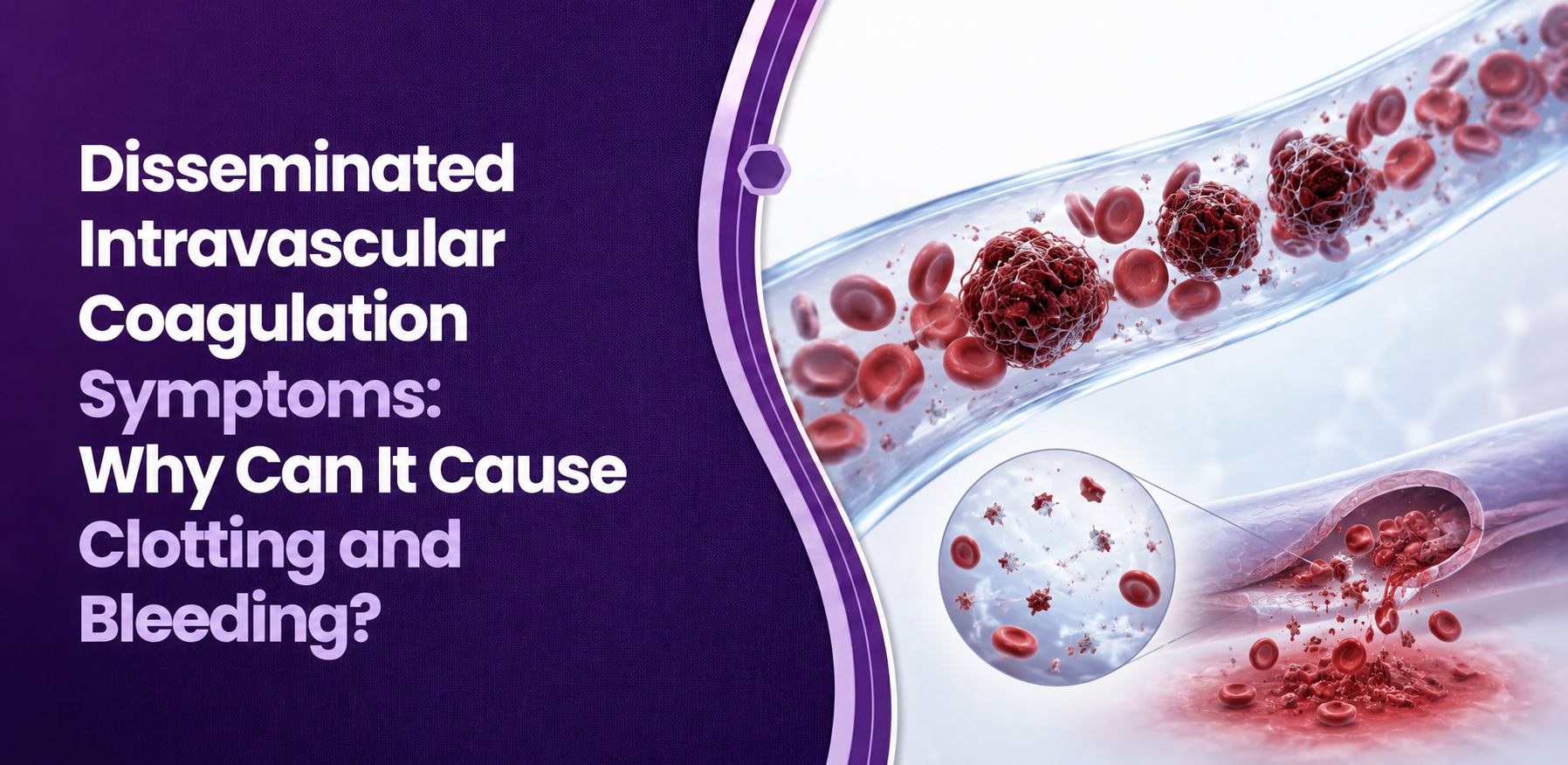
A small bruise may seem harmless, but sudden bleeding from several areas can signal a serious medical emergency. Disseminated intravascular coagulation (DIC) disrupts the body’s normal clotting process in two dangerous ways.
First, excessive clots form inside small blood vessels and restrict blood flow to vital organs. Then, the body runs low on the platelets and clotting proteins it needs to control bleeding.
DIC usually develops as a complication of a critical condition, such as sepsis, major trauma, cancer, or a serious pregnancy complication. Because it can progress quickly, recognizing the warning signs and seeking the correct level of care can make a critical difference.
What Is Disseminated Intravascular Coagulation?
The body normally forms a clot when an injury damages a blood vessel. Platelets gather at the injured area, while clotting proteins form fibrin strands that strengthen the seal. This controlled response limits blood loss and supports healing.
DIC disrupts that balance. First, the clotting system activates throughout the bloodstream rather than focusing on a single injured area. Numerous small clots may restrict blood flow to the kidneys, lungs, brain, liver, and other organs.
Next, this widespread activity consumes platelets and clotting factors faster than the body can replace them. Consequently, the person may develop severe bleeding even while small clots continue to form.
A serious infection, injury, or illness usually triggers DIC. The condition may cause a sudden emergency or progress more slowly with some cancers.
What Happens in the Body During DIC?
Stage 1: Excessive clot formation
Explain how abnormal clots may block small blood vessels and damage organs.
During DIC, the clotting system becomes active throughout the bloodstream instead of responding only to an injury. Numerous small clots form inside capillaries and other small blood vessels. These clots can slow or block blood flow, reducing the oxygen that reaches vital organs. As a result, DIC may damage the kidneys, lungs, brain, liver, or other organs. The severity depends on the underlying cause and how quickly the condition progresses.
Stage 2: Depletion of clotting factors
Explain how the body loses its ability to stop bleeding after using too many platelets and clotting proteins.
Widespread clot formation rapidly consumes the platelets and clotting proteins that normally stop bleeding. When the body uses these resources faster than it can replace them, it may struggle to form stable clots at wounds or damaged blood vessels. Bleeding may then occur from the nose, gums, injection sites, surgical wounds, or internal organs. This combination of abnormal clotting and uncontrolled bleeding makes DIC a life-threatening medical emergency.
What Are the Symptoms of Disseminated Intravascular Coagulation?
Symptoms vary with the trigger and speed of progression. Possible warning signs include:
Bleeding that will not stop
Bleeding from several body areas
Unexplained or rapidly increasing bruises
Blood in urine, stool, or vomit
Bleeding around intravenous lines, wounds, or surgical sites
Shortness of breath or chest discomfort
Sudden confusion, weakness, or behavior changes
Severe headache or difficulty speaking
Fever, low blood pressure, or fainting
Reduced urine output
Pale, cold, or bluish skin
These signs do not confirm DIC. Nevertheless, heavy bleeding or symptoms involving breathing, circulation, or brain function require emergency care.
What Causes Disseminated Intravascular Coagulation?
Several serious illnesses, injuries, and medical complications can disrupt normal clotting and trigger DIC. Sepsis remains one of the most common triggers, although cancer, major tissue damage, and pregnancy complications may also contribute.
Common triggers include:
Sepsis and other severe infections
Leukemia and certain advanced cancers
Severe burns, head injuries, and crush injuries
Placental abruption and amniotic fluid embolism
Pancreatitis and advanced liver disease
Major surgery
Severe blood transfusion reactions
Serious organ-transplant reactions
Most people with these conditions do not develop DIC. However, sudden bleeding, breathing difficulty, confusion, or signs of shock require emergency care.
When Can Bruising or Bleeding Start With a Primary Care Visit?
Explain that a routine or same-day primary care visit may be appropriate for stable, non-emergency concerns such as:
Mild unexplained bruising without active bleeding
Recurring nosebleeds that have stopped
Bleeding gums
Questions about anticoagulant medications
Abnormal blood test results
A personal or family history of clotting problems
Advise emergency care for heavy bleeding, fainting, severe weakness, breathing difficulty, chest pain, or neurological symptoms.
How Can Primary Care Address Related Health Concerns?
Primary care providers do not manage active DIC in an office setting. However, they can evaluate stable symptoms and conditions that may need further investigation.
For example, a provider can review mild unexplained bruising, recurring nosebleeds that have stopped, bleeding gums, medication side effects, or an abnormal blood count.
During an evaluation, the provider may review infections, hospital stays, operations, cancer treatment, liver disease, and pregnancy history.
The provider can also examine anticoagulants, aspirin, anti-inflammatory medicines, and supplements that may affect bleeding. When appropriate, primary care may order initial tests or arrange specialist care.
Most importantly, primary care teams can recognize red flags and direct patients to emergency services. They should not delay an emergency referral while waiting for routine test results.
How Do Doctors Diagnose Disseminated Intravascular Coagulation?
Hospital clinicians combine the medical history, physical findings, underlying illness, and laboratory trends. No single blood test confirms every case. Therefore, doctors often repeat tests to watch how clotting changes over time.
A complete blood count measures blood cells and platelets. DIC often lowers the platelet count because ongoing clot formation consumes platelets. Prothrombin time and partial thromboplastin time measure clotting through different pathways. Doctors may also check fibrinogen and D-dimer.
Clinicians may examine a peripheral blood smear and test kidney and liver function. Together, these results help them assess clotting, bleeding, and organ stress while searching for the underlying cause.
How Do Hospitals Treat DIC?
Treatment focuses first on the trigger. For example, doctors may give antibiotics and supportive care for sepsis, control bleeding after trauma, manage an obstetric emergency, or provide cancer-directed treatment. DIC may improve when the healthcare team controls its cause.
At the same time, clinicians support circulation and affected organs with oxygen, intravenous fluids, blood-pressure support, or intensive monitoring. Significant bleeding may require platelets, plasma, red blood cells, or cryoprecipitate.
Doctors sometimes consider heparin or another anticoagulant when clotting presents the greater threat. However, these medicines can worsen bleeding, so the clinical team must weigh the benefits and risks carefully. Patients should never start, stop, or change a blood thinner without medical guidance.
What Complications Can DIC Cause?
Small clots can reduce oxygen-rich blood flow to vital tissues. As a result, DIC may damage the kidneys, liver, lungs, brain, or limbs.
Severe bleeding can also lower blood pressure and cause shock. Other possible complications include stroke, respiratory failure, multiple-organ failure, and death.
Recovery depends on the trigger, the severity of clotting and bleeding, the organs involved, and the speed of treatment. Rapid treatment of the underlying condition may support successful recovery. However, DIC remains a critical medical emergency that requires hospital-level care.
How Can Primary Care Support Recovery After DIC?
Primary care becomes especially valuable after the hospital team stabilizes the patient and approves discharge. A follow-up visit can connect emergency treatment with long-term recovery.
The primary care provider can review the discharge plan, reconcile medication, and explain which warning signs require immediate attention.
The provider may also monitor blood counts, kidney function, liver function, or other results according to hospital and specialist recommendations.
In addition, primary care can help manage diabetes, liver disease, infection risk, and other health concerns that may complicate recovery.
Coordination matters because some patients need continued care from hematology, oncology, infectious disease, surgery, or obstetrics. A primary care team can help organize referrals, track recommendations, and reduce confusion between appointments.
Post-Hospital Questions to Ask
What triggered the DIC episode?
Which medicines should I continue?
Do I need to repeat blood tests?
Which symptoms require a 911 call?
When should I see a hematologist?
How can I manage the underlying condition?
Continue Your Recovery With Coordinated Primary Care
DIC demands emergency hospital care, but recovery often continues after discharge. Passion Health Advanced Primary Care can help review medications, monitor recommended laboratory results, manage underlying conditions, and coordinate specialist care.
Continue Your Recovery With the Right Follow-Up Care
Schedule an evaluation at Passion Health Advanced Primary Care to discuss possible causes and receive personalized next steps.
Frequently Asked Questions
1. Can Primary Care Treat DIC?
No. Active DIC requires emergency hospital evaluation and treatment. Primary care can address stable concerns and support recovery after discharge.
2. Can a Blood Test Diagnose DIC?
No single test confirms every case. Hospital doctors interpret several laboratory results alongside symptoms and the underlying condition.
3. Can Someone Survive DIC?
Yes. Early recognition and rapid treatment can improve the outlook, although recovery depends on the cause, severity, and organs affected.
4. Can Primary Care Prevent DIC?
Primary care cannot guarantee prevention. However, providers can manage associated conditions, evaluate stable symptoms, and identify situations that require urgent care.

About the Author
Dr. Anantha Chentha is a board-certified internal medicine physician with extensive experience in primary care and chronic disease management. He provides comprehensive, patient-centered care with a focus on prevention, accurate diagnosis, and long-term health management.
View Provider Profile →