5 Key Takeaways
- Understand oxygen readings: Normal oxygen saturation does not always indicate healthy heart and lung function.
- Recognize possible causes: Anemia, asthma, heart conditions, and abnormal breathing patterns can cause breathlessness.
- Know monitoring limitations: A pulse oximeter cannot measure every aspect of respiratory health.
- Seek primary care evaluation: Medical assessment can help identify underlying causes of persistent breathlessness.
- Recognize emergencies: Sudden or severe breathing difficulties require immediate medical attention. Call 911, even if oxygen levels appear normal.
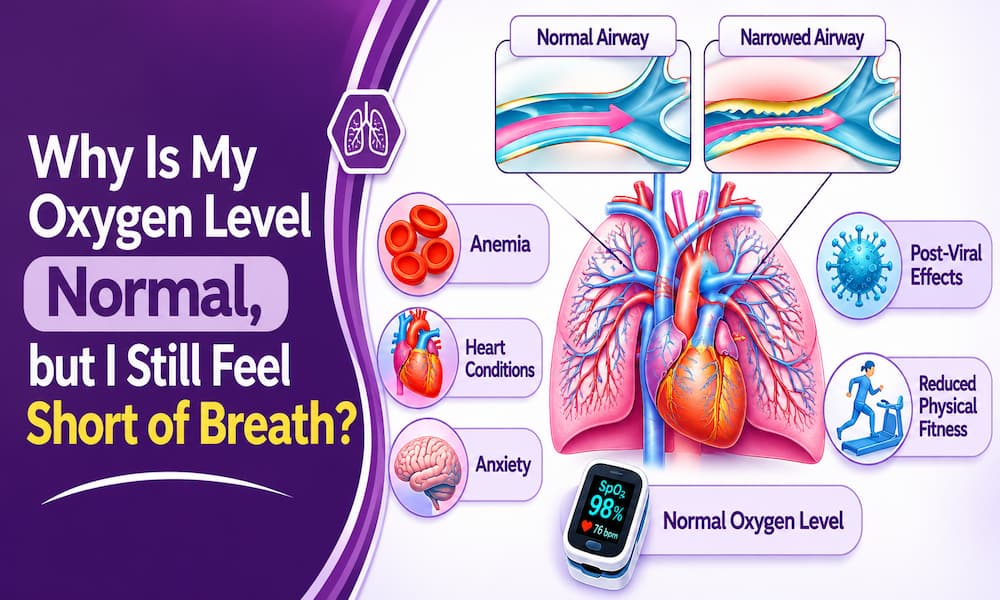
Dyspnea with normal oxygen saturation occurs when a person experiences breathing difficulties despite having an oxygen reading within the expected range. Although a pulse oximeter may display 95% to 100%, conditions affecting the heart, lungs, blood, or breathing patterns can still cause discomfort.
Breathlessness may develop during physical activity, while resting, or even when lying down. However, a normal oxygen reading does not rule out an underlying medical condition. Identifying the cause early can help prevent complications and guide appropriate treatment.
For mild, recurring, non-emergency breathing concerns, book an appointment at Passion Health Primary Care in North Texas. Seek prompt medical attention for new or worsening breathlessness, and call 911 if breathing difficulties develop suddenly or become severe.
What Is Dyspnea With Normal Oxygen Saturation?
Dyspnea is the uncomfortable sensation of breathing difficulty or insufficiency. Some people describe this feeling as air hunger, chest tightness, or an inability to take a satisfying breath.
Most healthy adults have readings between 95% and 100%, although individual circumstances can influence this range.
However, breathing involves more than oxygen saturation. The lungs must move air efficiently, the heart must circulate blood, and hemoglobin must transport oxygen throughout the body.
A problem within any of these processes may cause breathlessness without immediately affecting oxygen saturation.
Why Do I Feel Short of Breath When My Oxygen Level Is 98%?
A reading of 98% generally indicates adequate oxygen saturation. Nevertheless, it does not explain how much effort the respiratory system requires to maintain that level.
For example, narrowed airways can make breathing difficult even when oxygen saturation remains within the expected range. Similarly, reduced hemoglobin can limit oxygen delivery to tissues despite a normal pulse oximeter reading.
Therefore, dyspnea with normal oxygen saturation requires attention to symptoms, medical history, and overall physical health rather than a single measurement.
What Causes Dyspnea With Normal Oxygen Saturation?
Several medical conditions can contribute to breathing difficulties without causing an immediate decline in oxygen saturation.
1. Asthma and Airway Narrowing
Asthma causes airway inflammation and narrowing, which can increase breathing effort. Consequently, chest tightness, wheezing, and coughing may develop even when oxygen readings remain normal.
2. Anemia
Although a pulse oximeter may display a healthy percentage, insufficient hemoglobin can contribute to fatigue, dizziness, and breathlessness during everyday activities.
3. Anxiety and Hyperventilation
Anxiety can alter breathing patterns and increase respiratory awareness. Rapid breathing may also reduce carbon dioxide levels, contributing to lightheadedness, tingling, and air hunger. However, medical evaluation should precede assumptions about anxiety-related symptoms.
4. Heart and Circulatory Conditions
Heart rhythm abnormalities and other cardiac conditions can affect blood circulation. As a result, climbing stairs, walking, or performing routine activities may become more difficult despite normal resting oxygen readings.
5. Post-Viral Breathing Difficulties
Respiratory infections sometimes leave lingering airway irritation, fatigue, or reduced exercise tolerance. These changes may contribute to breathlessness during recovery, even without low oxygen saturation.
6. Reduced Physical Conditioning
Extended inactivity can decrease cardiovascular fitness and muscular endurance. Consequently, ordinary activities may require greater effort and cause breathlessness. Persistent symptoms still warrant medical evaluation.
What Can a Pulse Oximeter Tell You?
Although this device provides useful information, it cannot offer a complete assessment of respiratory health.
Swipe sideways to view the full table.
| A pulse oximeter estimates | A pulse oximeter cannot directly measure |
|---|---|
| Blood oxygen saturation | Lung capacity |
| Pulse rate | Carbon dioxide levels |
| Changes in oxygen readings | Hemoglobin concentration |
| Resting oxygen saturation | Heart pumping efficiency |
Furthermore, cold fingers, poor circulation, nail polish, movement, skin pigmentation, and device quality can influence measurement accuracy.
The FDA recommends considering physical symptoms alongside oxygen readings. Never use a normal reading as the sole reason to dismiss breathing difficulties.
How Does a Primary Care Doctor Evaluate Unexplained Breathlessness?
A primary care doctor begins by reviewing the onset, frequency, duration, and severity of breathing symptoms.
During the examination, the physician may assess breathing rate, heart rhythm, blood pressure, oxygen saturation, and lung sounds. Additionally, medical history, medications, recent illnesses, and activity-related symptoms can provide valuable diagnostic information.
Depending on these findings, the doctor may recommend the following tests:
Swipe sideways to view the full table.
| Diagnostic Test | Purpose |
|---|---|
| Complete blood count (CBC) | Identifies anemia and other blood abnormalities. |
| Electrocardiogram (ECG) | Assesses heart rhythm and electrical activity. |
| Chest X-ray | Examines potential heart and lung abnormalities. |
| Spirometry | Evaluates airflow and respiratory function. |
| Thyroid function test | Investigates possible thyroid-related concerns. |
| Echocardiogram | Examines heart structure and function. |
The physician selects appropriate tests according to clinical findings. Consequently, a patient may require additional investigations or specialist evaluation when initial results do not explain the symptoms.
When Does Shortness of Breath Require Emergency Care?
Certain symptoms require immediate emergency assistance, even when oxygen saturation appears normal.
Call 911 if breathing difficulties occur with:
Sudden or severe breathlessness.
Chest pain or pressure.
Fainting or new confusion.
Blue or gray lips.
Coughing up blood.
Difficulty speaking due to breathlessness.
Sudden breathlessness alongside one-sided leg swelling.
Serious conditions, including pulmonary embolism and heart attacks, can sometimes occur without low oxygen readings.
Never wait for oxygen saturation to decrease before seeking emergency assistance.
How Can Primary Care Help Manage Breathlessness?
Effective management of dyspnea with normal oxygen saturation depends on identifying its underlying cause.
A physician may recommend medication adjustments, respiratory treatment, anemia management, cardiovascular evaluation, or other appropriate interventions.
Keeping a record of symptom timing, activity levels, associated discomfort, and oxygen readings can also support clinical assessment. However, home monitoring cannot replace medical evaluation.
Regular follow-up allows the physician to assess symptom changes and adjust the care plan when necessary.
Find Primary Care for Breathing Concerns at Passion Health
Persistent breathing discomfort deserves medical attention, regardless of oxygen saturation. Understanding the underlying cause can help guide appropriate care and support long-term health.
Passion Health offers primary care services across 10 North Texas locations, including Frisco, Plano, Prosper, Irving, Aubrey, Flower Mound, McKinney, Ennis, Kaufman, and Kemp/Seven Points.
For recurring, non-emergency breathing concerns, book an appointment at Passion Health Primary Care for a personalized medical evaluation.
Call: (214) 666-6259
Website: passionhealthphysicians.com
For sudden or severe breathing difficulties, call 911 immediately.
Need Care for Breathlessness?
Normal oxygen readings do not always rule out underlying health concerns. Passion Health Primary Care can help evaluate recurring, non-emergency breathing difficulties and recommend appropriate next steps.
In-person Primary Care
Visit a Passion Health clinician for an evaluation of recurring breathlessness, even when oxygen saturation appears normal. A physician can assess heart and lung function and recommend diagnostic tests when appropriate.
10 clinic locations across North Texas
Book an In-person AppointmentOnline Care
Explore Passion Health Online Care for eligible non-emergency health concerns. New, unexplained, or worsening breathlessness requires prompt in-person medical evaluation.
Online care for eligible conditions in Texas
Explore Online Care ServicesBlood Work and Diagnostic Evaluation
Blood work may help identify anemia, thyroid abnormalities, and other conditions that can contribute to dyspnea with normal oxygen saturation. A clinician can recommend appropriate testing based on symptoms and medical history.
Complete blood count (CBC) and other tests when clinically appropriate
Important: Call 911 for sudden or severe breathing difficulties, chest pain with breathlessness, fainting, or blue lips. Do not wait for oxygen saturation to decrease before seeking emergency assistance.
Frequently Asked Questions
1. Can oxygen saturation be normal with breathing problems?
Yes. Airway narrowing, anemia, heart conditions, and abnormal breathing patterns can cause breathlessness despite normal oxygen saturation.
2. Why do I feel breathless with an oxygen level of 98%?
A pulse oximeter cannot assess every aspect of heart, lung, or blood function. Further evaluation may help identify the cause.
3. Can anemia cause dyspnea with normal oxygen saturation?
Yes. Reduced hemoglobin can limit oxygen delivery to tissues and contribute to breathing difficulties.
4. Can a normal oxygen reading rule out heart problems?
No. Normal oxygen saturation cannot exclude heart disease, abnormal heart rhythms, or other cardiovascular conditions.
5. Which doctor should I see for persistent breathlessness?
A primary care physician can assess non-emergency symptoms, recommend diagnostic tests, and arrange specialist referrals when necessary.

About the Author
Dr. Anantha Chentha is a board-certified internal medicine physician with extensive experience in primary care and chronic disease management. He provides comprehensive, patient-centered care with a focus on prevention, accurate diagnosis, and long-term health management.
View Provider Profile →