Why Viruses Target Your Lungs First
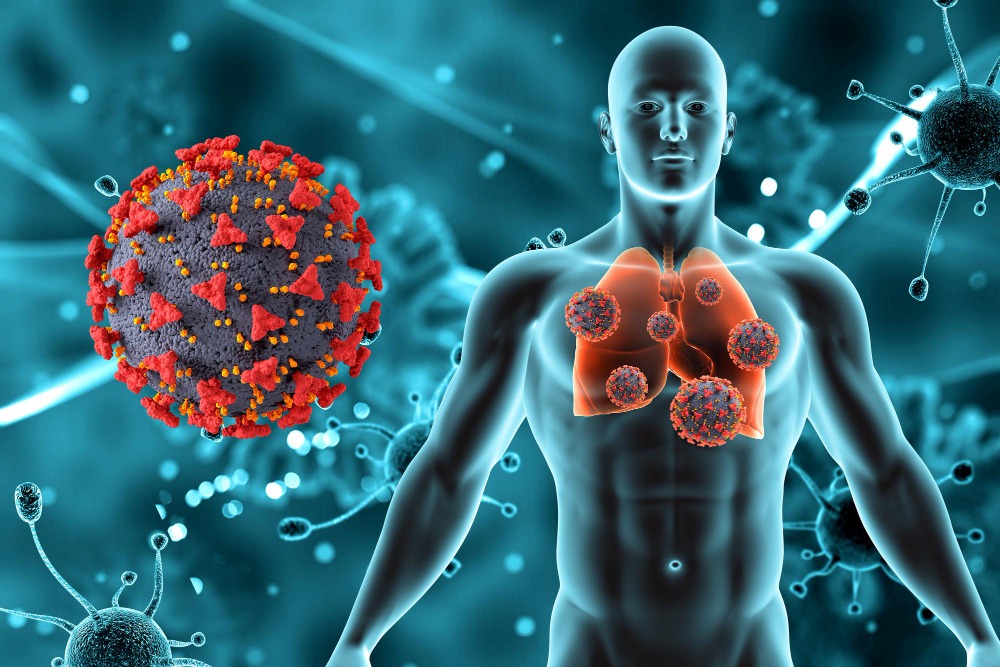
Your lungs are not just a passive part of your body — they are a prime target for every respiratory virus you encounter.
A simple cold can turn dangerous faster than most people expect. Many viral infections don’t stop at the throat—they move deeper into the lungs, where they disrupt breathing and oxygen flow.
If you ignore early symptoms, the risk of serious complications rises quickly. Understanding how these infections affect your lungs can help you act early and protect your health.
How Viruses Enter Your Lungs and Start Causing Damage
Viruses spread easily through droplets released during coughing, sneezing, or even talking. Once you inhale them, they travel through your airways and reach your lungs.
At this stage, they attack lung cells and trigger inflammation. As a result, your breathing becomes less efficient, and your body struggles to maintain proper oxygen levels.
What Happens Inside Your Lungs During a Viral Infection
When viruses reach your lungs, your body reacts immediately. However, this response can create serious problems:
Inflammation increases: Swelling narrows airways and makes breathing harder
Fluid builds up: Air sacs fill with mucus, reducing oxygen supply
Lung cells get damaged: Viruses directly destroy healthy tissue
Immune overreaction occurs: In severe cases, excessive inflammation leads to critical lung injury
Because of these changes, even a mild infection can quickly escalate if ignored.
4 Viruses That Hit Your Lungs the Hardest
Not every sniffle carries the same risk — but these four viruses consistently cause damage that goes far beyond your throat.
Influenza (Flu) — Drives severe lung inflammation and viral pneumonia
COVID-19 — Triggers viral pneumonia and, in critical cases, acute respiratory distress syndrome (ARDS)
RSV — Leads to bronchiolitis and pneumonia, especially in infants and elderly adults
Adenoviruses and Parainfluenza Viruses — Cause bronchitis and pneumonia in vulnerable individuals
Mild infections stay manageable. But the moment your immunity weakens, any of these viruses can escalate fast.
What a Viral Infection Actually Does Inside Your Lungs
Most people feel the symptoms on the outside. Very few understand the destruction happening on the inside — and that gap costs them recovery time.
Here is exactly what happens step by step:
First, the immune system mounts an inflammatory response to kill the virus. This swells your airways, making every breath harder than the last.
Next, fluid and mucus pour into your alveoli, blocking oxygen exchange and triggering shortness of breath and chest tightness.
Then, certain viruses directly destroy lung cells, breaking down your lungs’ natural defence barrier from the inside.
Finally, in severe cases, your immune system overreacts and unleashes a cytokine storm — a flood of inflammatory chemicals that causes widespread lung injury and, in critical situations, complete respiratory failure.
Warning Signs Your Lungs Are Affected
Your body sends clear signals when a viral infection reaches the lungs. Watch for these symptoms:
Persistent or worsening cough
Fever with chills
Shortness of breath
Chest pain while breathing
Extreme fatigue
Difficulty during physical activity
If symptoms intensify, you should not delay medical care.
Complications That Follow When You Ignore Viral Lung Infections
Pushing through illness and hoping it passes is one of the costliest mistakes you can make for your long-term lung health.
Leaving a viral lung infection untreated raises your risk of developing:
Viral pneumonia
Bronchitis or bronchiolitis
Secondary bacterial infections
Acute respiratory distress syndrome (ARDS)
Permanent lung scarring — pulmonary fibrosis
Older adults, young children, people with weakened immunity, and those managing asthma or COPD face the greatest danger of these complications.
5 Proven Ways to Shield Your Lungs Before Infection Strikes
The best time to protect your lungs is before any virus gets the chance to take hold. Start here.
Vaccinate — Get your flu shot and COVID-19 vaccine on schedule
Wash your hands — Scrub regularly and thoroughly throughout the day
Keep distance — Stay away from people showing respiratory symptoms
Mask up — Wear a mask in crowded spaces during active outbreaks
Build your immunity — Sleep well, exercise, and eat a nutrient-rich diet
Furthermore, combining vaccination with these daily habits dramatically slashes your risk of severe respiratory illness. Not sure which vaccines are right for you? The primary care team at Passion Health can review your history and build a personalised prevention plan — book your appointment today.
Effective Treatment Options for Viral Lung Infections
Early treatment improves recovery and prevents complications. Treatment depends on the severity of the infection and the overall health condition.
1. Supportive Care for Mild Infections
For most viral infections, supportive care plays a key role:
Stay well-hydrated
Get adequate rest
Use fever reducers when needed
Perform steam inhalation to ease breathing
These steps help your body fight the infection naturally.
2. Antiviral Medications
Doctors may prescribe antiviral drugs in specific cases:
For influenza, early antiviral treatment reduces severity
For COVID-19, targeted antivirals may lower complications
High-risk individuals benefit the most from early medication
Timely use makes a significant difference in recovery.
3. Oxygen Therapy for Breathing Support
When oxygen levels drop, doctors provide oxygen support:
Nasal oxygen or mask-based delivery
Helps maintain proper oxygen supply
Prevents organ stress caused by low oxygen levels
This step becomes critical in moderate to severe infections.
4. Anti-Inflammatory and Steroid Treatment
Doctors may use medications to control inflammation:
Reduce lung swelling
Improve airflow
Prevent severe immune reactions
This approach helps in conditions with intense lung inflammation.
5. Treatment for Secondary Infections
Sometimes bacterial infections develop after viral illness:
Doctors prescribe antibiotics only when necessary
Early detection prevents worsening complications
6. Hospital Care for Severe Cases
Severe infections require advanced care:
Close monitoring of lung function
Ventilator support if breathing fails
Intensive care management for critical cases
Prompt hospital treatment can save lives.
When You Should Seek Immediate Medical Help
Do not wait if you notice:
Severe breathing difficulty
Persistent high fever
Confusion or dizziness
Worsening chest pain
Early medical intervention can prevent life-threatening complications.
Conclusion: Protect Your Lungs Before It’s Too Late
Viral infections can quickly shift from mild discomfort to serious lung damage. However, early recognition and timely care can make a critical difference. Stay alert, take preventive measures, and act fast when symptoms appear.
Don’t wait for symptoms to get worse. Take action early.
At Passion Health Primary Care, providers deliver accurate diagnoses, personalized treatment, and preventive care to protect your lungs.
Book your appointment today and safeguard your respiratory health with expert care.