Which Type of Asthma Do You Have?
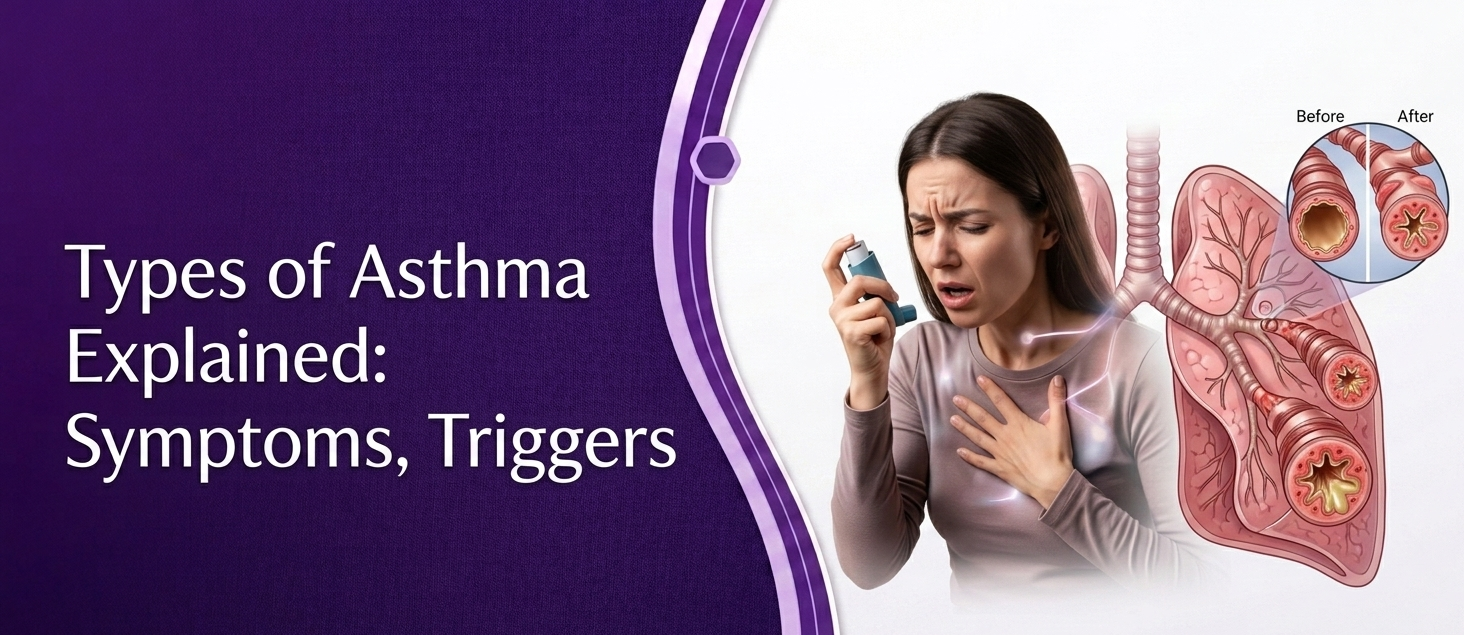
Many people think asthma is simply “trouble breathing” or occasional wheezing. But asthma actually comes in several different forms, and each type can behave differently, have unique triggers, and respond to treatment in its own way.
Some people develop asthma because of allergies. Others experience symptoms only during exercise, at night, after viral infections, or because of workplace exposures.
In some cases, asthma can even be triggered by medications or obesity-related inflammation.
Understanding your asthma type is important because the right diagnosis can help prevent severe attacks, improve breathing control, and reduce long-term lung complications.
If you’re experiencing frequent coughing, wheezing, chest tightness, or breathing problems, don’t ignore the signs.
Schedule an evaluation with the respiratory care experts at Passion Health Primary Care
What Asthma Types Have in Common
Different types of asthma include:
Allergic asthma
Non-allergic asthma
Cough-variant asthma
Nocturnal asthma
Exercise-induced bronchoconstriction
Occupational asthma
Weight-related asthma
Medication-induced asthma
Viral-induced asthma
Glucocorticoid-resistant asthma
They have similarities, but several also have unique characteristics that influence how they are triggered, diagnosed, and treated.
Asthma has certain features that remain the same across most types:
Classic symptoms: Wheezing, chest tightness, shortness of breath, cough, asthma attacks
Causes/risk factors: Genetics and environmental exposures (like smoke)
Diagnosis: Pulmonary function tests (PFTs) and assessing response to asthma medications
Treatment: A rescue inhaler for asthma attacks and possibly daily inhaled or oral medications to prevent symptoms
Quick Comparison Table
Type | Main Trigger | Who It Affects Most | Key Distinguishing Feature | Additional Treatment |
Allergic | Pollen, mold, dust mites, dander | Children and young adults | Associated allergy symptoms (runny nose, itchy eyes) | Antihistamines, immunotherapy |
Non-Allergic | Smoke, stress, cold air, GERD | Adults, especially women | No allergy involvement; may not respond to corticosteroids | Leukotriene modifiers, LABAs, LAMAs |
Cough-Variant | Cold air, exercise, allergens | Children are more than adults | A dry cough is the only symptom | Same as classic asthma |
Nocturnal | Dust, pet dander, and circadian changes | 50%+ of adults with asthma | Symptoms peak at night or during sleep | Adjusted medication timing |
Exercise-Induced (EIB) | Vigorous exercise, cold air, chlorine | Athletes, people with existing asthma | Symptoms start during or shortly after exercise | Pre-exercise inhaler use |
Occupational | Workplace chemicals, dust, and mold | Workers in specific industries | Symptoms worsen at work, improve on days off | Avoid trigger substance; possible job change |
Weight-related | Unique genetic/molecular mechanism | People living with obesity | Different airway constriction mechanisms | Weight management alongside asthma treatment |
Medication-Induced | Aspirin, NSAIDs | Genetically susceptible individuals | Linked to specific drugs; can be severe or fatal | Avoid triggering medication |
Viral-Induced | Colds, flu, COVID-19 | Anyone with asthma | Respiratory infections trigger or worsen attacks | Antiviral management; standard asthma care |
Glucocorticoid- Resistant | Varies | Severe asthma patients | Does not respond to steroid treatments | Alternative non-steroid medications |
The five most common types of asthma are: Allergic, Exercise-induced, Seasonal, Occupational, and Non-allergic.
Allergic Asthma
Allergies are involved in between 50% and 80% of asthma cases. People with seasonal allergies (hay fever) may also be diagnosed with seasonal allergic asthma.
Symptom Triggers: Pollen, mold, dust mites, animal dander
Additional Symptoms: Classic asthma symptoms are accompanied by nasal congestion, runny nose, scratchy throat, sneezing, and itchy, red, or watery eyes.
Causes and Risk Factors: Believed to have a heavy genetic component, plus hypersensitivity and exposure to the triggering substances.
Additional Diagnostic Tests: Skin tests and blood tests (elevated IgE antibodies) to confirm allergic reaction and determine triggers.
Additional Treatments: Managing both asthma and allergies through trigger avoidance, antihistamines, or allergy shots (immunotherapy).
Non-Allergic Asthma
Between 10% and 33% of all people with asthma have non-allergic asthma. It usually develops later in life and may be more severe. Studies indicate it is more common in women.
Symptom Triggers: Cold weather, humidity, stress, exercise, heartburn/acid reflux, pollution, smoke, respiratory infections, strong odors
Causes and Risk Factors: Environmental tobacco smoke, viral infections, other medical conditions. Rhinosinusitis and GERD frequently co-occur and may contribute to its development.
Additional Diagnostic Tests: Skin and blood tests to rule out allergies — there is no specific test for non-allergic asthma.
Additional Treatments: Some individuals may not respond well to inhaled corticosteroids (ICS). Alternatives include leukotriene modifiers, long-acting beta-agonists (LABAs), and long-acting muscarinic antagonists (LAMAs).
Cough-Variant Asthma (CVA)
A dry cough is the main and often only symptom. It may develop into classic asthma if untreated — about 30%–40% of people with CVA go on to develop classic asthma.
Symptom Triggers: Coughing bouts that wake you up, worsen after exercise or in cold/dry weather, or are worsened by allergic triggers.
Additional Diagnostic Tests: Sputum test to look for elevated white blood cells, in addition to standard asthma tests.
Additional Treatments: Same as other types of asthma.
Nocturnal Asthma
More than 50% of adults with asthma have nocturnal asthma, as do about 26% of children. It is usually added to a pre-existing asthma diagnosis.
Symptom Triggers: Pet dander or dust in the bedroom, sleeping with the window open, circadian shifts in muscle control, airway resistance, inflammation, and hormones.
Risks: Disrupted sleep can increase the risk of heart disease, respiratory arrest, and asthma-associated death.
Additional Diagnostic Tests: At-home breathing monitor close to bedtime; sleep study may be advised.
Treatment Changes: Same medications as classic asthma, but timing of doses may need adjustment — for example, taking control medication in the afternoon or evening rather than the morning.
Exercise-Induced Bronchoconstriction (EIB)
Up to 90% of people with any type of asthma may experience exercise-related symptoms. However, many people with EIB don’t meet the diagnostic criteria for asthma.
Symptom Triggers: Vigorous exercise, cold weather, hot air (hot yoga), chlorine in pools, air pollution, high pollen count, and recent respiratory infection.
Lower-risk activities: Walking, hiking, baseball, wrestling, gymnastics (short bursts of exertion).
Additional Symptoms: Decreased endurance, upset stomach, sore throat.
Additional Diagnostic Tests: Breathing tested before and after exercise; a decrease of 15% or more in forced expiratory volume (FEV1) generally leads to a diagnosis.
Treatment: Warm up for 10–15 minutes before exercise, cover the face in cold weather, and avoid high-pollution areas. A rescue or long-acting inhaler may be recommended before exercise.
Occupational Asthma
Accounts for about 15% of asthma cases in the U.S. More than 250 substances are believed to cause or trigger symptoms.
Common Triggers: Animals, certain molds, cleaning products, chemicals (hydrochloric acid, sulfur dioxide, ammonia), wood/flour/grain dust, insects, latex, paints.
High-Risk Workplaces: Bakeries, farms, grain elevators, laboratories (especially with animals), metal-processing and plastics manufacturing facilities, and woodworking facilities.
Additional Diagnostic Tests: Skin or blood tests, breathing tests throughout the workday, and bronchoprovocation testing. Employers are required to provide Material Safety Data Sheets (MSDS) for hazardous substances.
Additional Treatments: Standard asthma treatments plus avoidance of the trigger substance. Reasonable workplace accommodation may be required under the Americans with Disabilities Act (ADA). Some people may need to change jobs entirely.
Other Types of Asthma
Weight-related Asthma — A recently identified, stand-alone diagnosis. Research suggests it has a distinct genetic and molecular basis. Not everyone living with obesity and asthma develops higher weight asthma.
Medication-Induced Asthma — Triggered by aspirin and certain other medications. Linked to genetic susceptibility. Can be a stand-alone or add-on diagnosis. Can be severe or fatal.
Viral-Induced Asthma — Triggered or worsened by respiratory infections (cold, flu, COVID-19). An estimated 50% of acute asthma attacks have a viral trigger. Can be stand-alone or an add-on.
Glucocorticoid-Resistant Asthma — Defined by lack of response to steroid treatments. Especially likely to be severe. Always an add-on to an earlier asthma diagnosis.
Classifying Different Types of Asthma
Asthma may also be referred to by its frequency (intermittent or persistent), severity (mild, moderate, or severe), or when it started (childhood-onset vs. adult-onset). It is also classified by the type of airway inflammation involved:
Eosinophilic asthma — Inflammatory; typically related to allergic reactions
Neutrophilic asthma — Inflammatory; associated with severe and persistent symptoms (also considered the rarest type)
Mixed eosinophilic and neutrophilic asthma — A combination of both
Paucigranulocytic asthma — Non-inflammatory asthma
Classifications can also be combined — for example, mild intermittent adult-onset allergic asthma. It is also possible to have more than one type simultaneously, such as non-allergic and nocturnal asthma.
What Is the Most Serious Type of Asthma?
Severe persistent asthma is considered the most dangerous form, especially when symptoms remain uncontrolled despite treatment.
This can lead to:
Frequent hospital visits
Reduced lung function
Severe breathing attacks
Life-threatening complications
Any asthma flare-up should be taken seriously, especially if rescue inhalers stop working effectively.
When Should You See a Doctor?
You should seek medical evaluation if you:
Wake up coughing frequently
Use a rescue inhaler often
Avoid exercise because of breathing issues
Experience worsening nighttime symptoms
Notice symptoms after workplace exposure
Have persistent coughing without explanation
Early diagnosis and proper asthma classification can significantly improve long-term outcomes.
Bottom Line
Asthma is not a one-size-fits-all condition. From allergic asthma and nighttime symptoms to exercise-induced or occupational asthma, each subtype affects the body differently and may require a personalized treatment approach.
Knowing your triggers, understanding your asthma pattern, and getting the right diagnosis can help prevent severe attacks and improve quality of life.
If you or a loved one experiences ongoing breathing issues, chronic coughing, or recurring wheezing, don’t ignore the symptoms.
Need help managing asthma symptoms or recurring breathing problems? Schedule an evaluation with the experts at Passion Health Primary Care for personalized respiratory care and long-term asthma management.