Hidden Salt Sources That May Be Raising Your Blood Pressure Without You Knowing
Why Hidden Salt Source Is a Serious Health Risk?
You cut down the salt shaker months ago. You cook at home. You feel like you are doing everything right — yet your blood pressure reading still makes your doctor raise an eyebrow. Sound familiar?
Here is the uncomfortable truth: hidden salt sources raising blood pressure without you knowing may be part of your daily routine. These sources do not taste salty, so they slip past your awareness. Over time, they quietly push your risk higher.
Even more concerning, new evidence points beyond food. Environmental changes now affect sodium exposure in ways most people never consider.
If you want to protect your heart, you need to understand where sodium hides and how it affects your body.
Ready to finally get your blood pressure under control? Book a consultation with Passion Health Primary Care today.
Why Sodium Raises Your Blood Pressure in the First Place
Before exposing where sodium hides, it helps to understand exactly what it does inside your body.
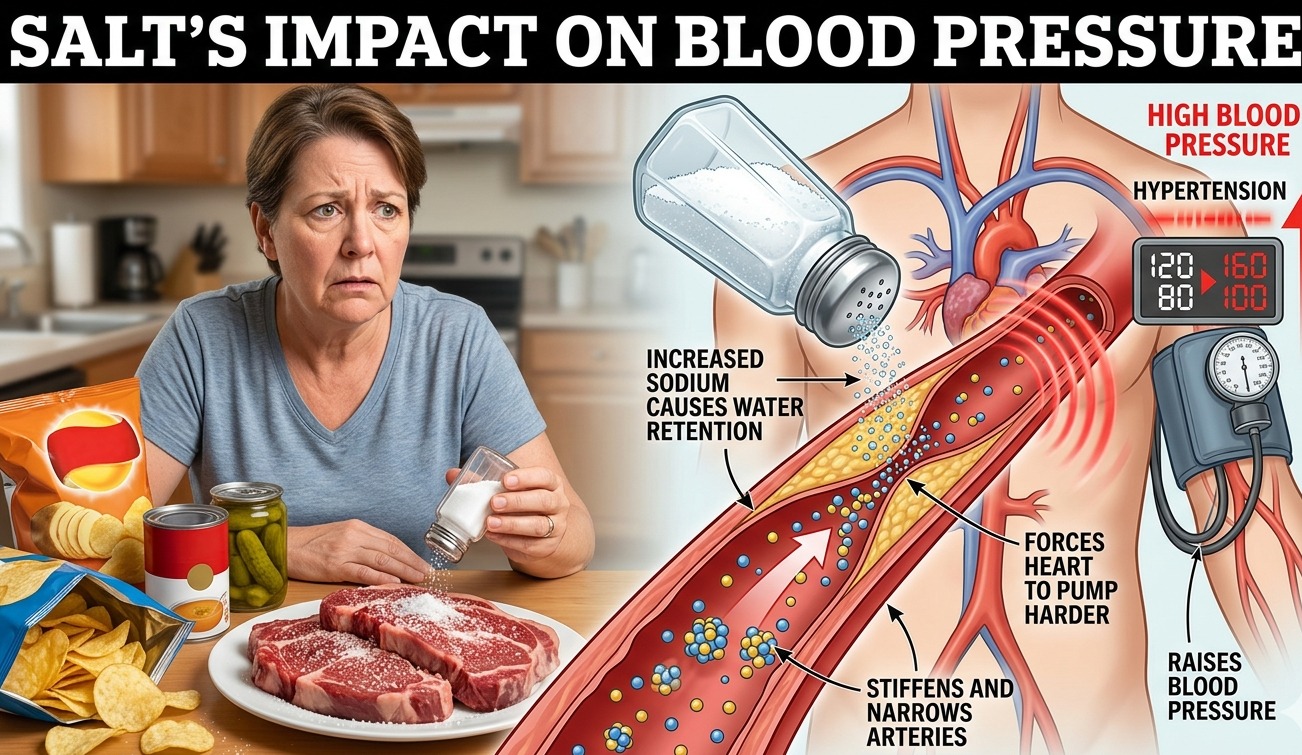
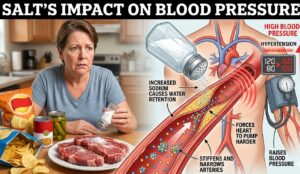
Sodium pulls water into your bloodstream. More water means more volume pressing against your artery walls.
Your heart pumps harder to push that extra fluid through. Over time, that constant pressure damages arteries, strains your heart muscle, and quietly sets the stage for stroke, heart attack, and kidney disease.
The recommended daily limit sits at under 2,000 mg of sodium. Most people living on a standard diet consume between 3,400 and 4,500 mg daily — often without a single heavy restaurant meal in sight.
Shocking Foods Loaded With Hidden Sodium
Most people link salt to table seasoning. That belief leads to a dangerous blind spot.
The majority of sodium intake comes from processed and packaged foods. These items do not always taste salty, which makes them riskier.
Everyday Foods That Secretly Contain High Sodium
You may eat these regularly without concern:
Bread
Breakfast cereals
Sauces like ketchup and soy sauce
Packaged snacks
Restaurant meals
Bread stands out as a major contributor. It tastes mild, yet frequent consumption adds up quickly. Sauces and condiments carry concentrated sodium levels. Restaurant meals often contain more salt than home-cooked food to enhance flavor.
This pattern explains why hidden salt sources raising blood pressure without you knowing remain a widespread problem.
The Science Behind Hidden Salt Sources Raising Blood Pressure Without You Knowing
Salt plays an essential role in the body. It supports nerve signals and muscle function. However, an imbalance creates serious consequences.
When sodium intake rises, the body retains water. This extra fluid increases the volume of blood flowing through vessels.
The result: higher pressure on vessel walls, leading to Hypertension.
What Happens Inside the Body
Sodium pulls water into the bloodstream
Blood volume increases
The heart works harder to pump
Blood vessels experience constant strain
Over time, this stress damages arteries and raises the risk of heart disease and stroke.
Emerging research also links high sodium intake to stomach cancer, adding another layer of concern.
The “Healthy Trap”: Hidden Salt Sources Raising Blood Pressure Without You Knowing
Some foods appear healthy but contain surprising amounts of sodium. This creates a false sense of safety.
Foods That Mislead Health-Conscious People
Low-fat packaged foods
Protein bars
Instant soups
Manufacturers often add salt to improve taste after reducing fat. Protein bars and soups rely on sodium for preservation and flavor.
You may believe you eat clean, yet hidden salt sources raising blood pressure without you knowing continue to affect your health.
Real-Life Scenario: Why Is My Blood Pressure Still High?
Consider a realistic day for someone genuinely trying to eat better:
Breakfast: Two slices of whole wheat toast with peanut butter, a bowl of bran cereal with milk, and a glass of orange juice — approximately 900 mg sodium.
Lunch: A turkey sandwich on a store-bought roll with mustard and a small bag of crackers — approximately 1,200 mg sodium.
Dinner: Grilled chicken cooked in store-bought broth with a side of canned vegetables, rinsed lightly — approximately 800 mg sodium.
Snack: One protein bar and a low-fat yogurt — approximately 450 mg sodium.
Total: 3,350 mg sodium. No restaurant meals. No salt shaker touched. No junk food by most definitions. Yet this individual consumed nearly double the recommended daily limit — and their blood pressure will reflect it.
The Water Problem Nobody Is Talking About
Most conversations about sodium focus entirely on food. However, researchers now identify an overlooked environmental source: drinking water salinity.
In coastal regions and areas experiencing drought, seawater intrusion raises the sodium content of groundwater supplies.
Studies show that elevated sodium in drinking water increases hypertension risk at rates comparable to a sedentary lifestyle.
In some cases, the impact matches lifestyle risks like physical inactivity.
This issue affects millions, especially in coastal populations.
Ignoring this factor leaves a major gap in prevention.
Actionable Steps to Cut Hidden Sodium Starting Today
Check labels for sodium (mg), not just “salt”; choose foods under 140 mg per serving
Rinse canned beans, lentils, and vegetables for 30 seconds to cut sodium
Pick fresh fruits and vegetables instead of packaged snacks
Make sauces and dressings at home using herbs, lemon, garlic, and vinegar
Review restaurant nutrition info before ordering to stay within limits
Test your drinking water if you live near coastal or agricultural areas
How to Identify Hidden Salt Sources Raising Blood Pressure Without You Knowing
Awareness creates control.
Read Labels the Right Way
Do not look only for “salt.” Focus on sodium content.
High sodium: more than 400 mg per serving
Moderate: 140–400 mg
Low: below 140 mg
Packaged foods often contain multiple servings, which increases total intake.
Watch for Sodium Names
Salt appears under different names:
Sodium chloride
Monosodium glutamate (MSG)
Sodium bicarbonate
Recognizing these helps reduce intake effectively.
Smart Food Choices to Reduce Hidden Sodium Intake
You do not need extreme restrictions. You need smarter decisions.
Choose Fresh Over Processed
Fresh fruits and vegetables naturally contain low sodium. They support heart health and provide essential nutrients.
Cook More Meals at Home
Home cooking gives full control over ingredients. You decide how much salt goes into your food.
Rinse Canned Foods
Rinsing removes excess sodium from canned vegetables and beans.
Limit Restaurant Meals
Eating out occasionally works fine. Frequent dining increases sodium exposure significantly.
How Much Salt Is Too Much?
Experts recommend keeping sodium intake below 2,000 mg per day.
Many modern diets exceed this limit without awareness.
Reducing intake gradually works better than sudden elimination. Taste preferences adjust over time.
Balancing Salt Intake: Not Too Much, Not Too Little
Salt remains essential for survival. Extremely low intake can lead to problems such as:
Dehydration
Muscle cramps
Balance matters more than restriction.
The goal is not zero salt. The goal is controlled intake.
Final Action Plan to Protect Your Health
Take these steps seriously:
Check sodium levels in every packaged product
Reduce processed food consumption
Monitor your blood pressure regularly
Stay informed about water quality in your area
Choose whole foods daily
Small changes create long-term protection.
Your Health Cannot Wait
Ignoring hidden sodium today may lead to serious complications tomorrow.
Do not rely on guesswork.
Schedule a consultation with a primary care expert to assess your blood pressure and dietary risks. Early action can prevent long-term damage.