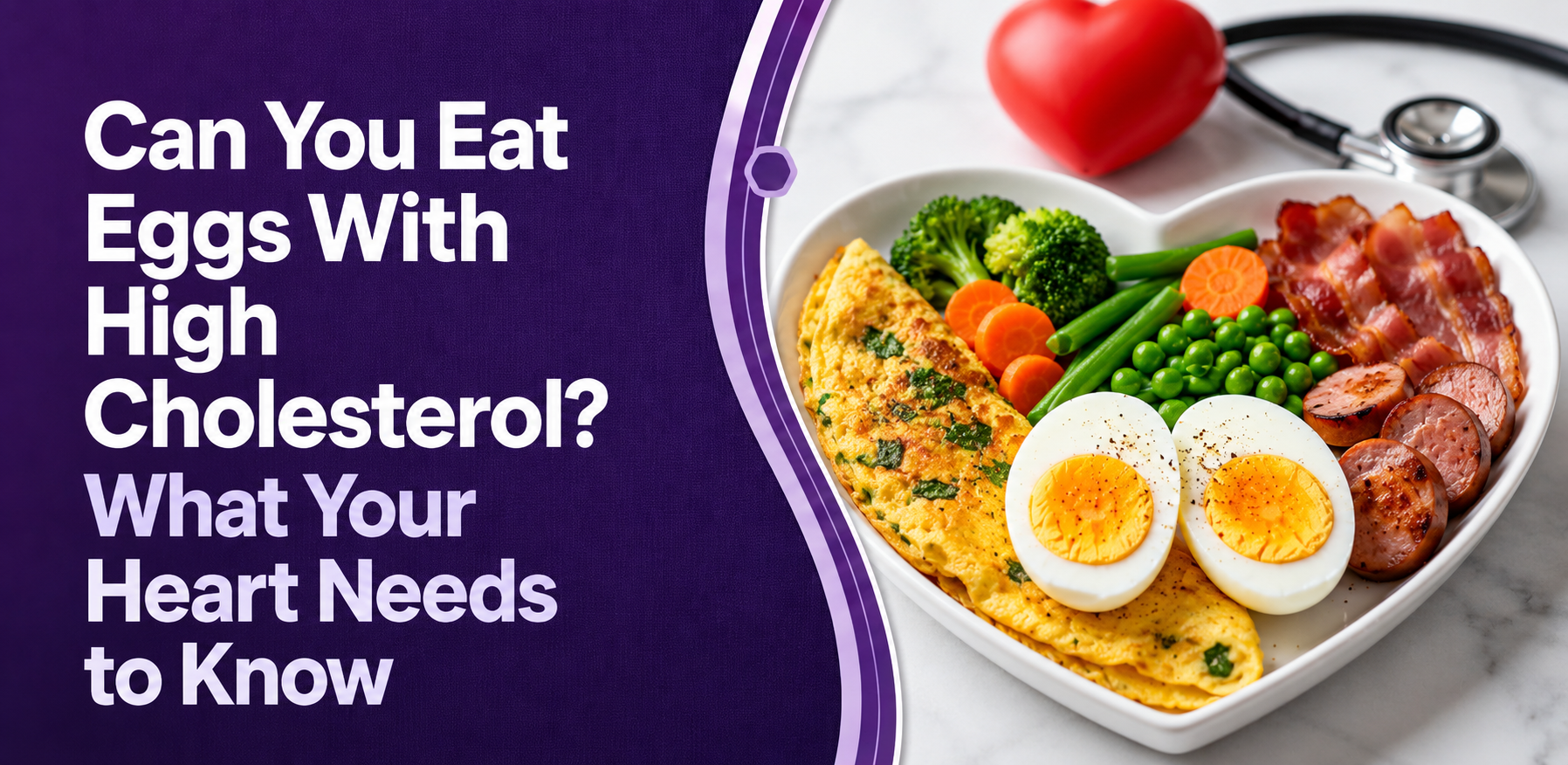
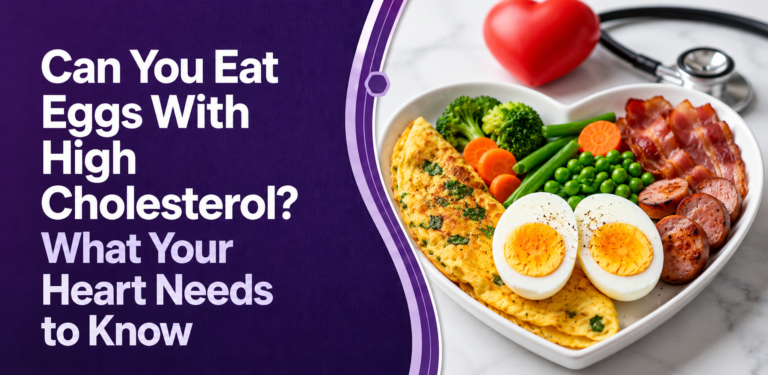
Can You Eat Eggs With High Cholesterol? Before You Eat
Can you eat eggs with high cholesterol, or should you stop eating them completely? This question worries many patients after a cholesterol blood test shows high LDL.
Eggs look healthy because they give protein, vitamins, and energy. However, egg yolks also contain cholesterol, so the confusion feels real.
Here is the truth: eggs can fit into many healthy diets, but the answer depends on your cholesterol numbers, health history, portion size, and what you eat with them.
At Passion Health Advanced Primary Care, our providers help patients understand cholesterol reports, food choices, and heart risk with clear guidance. Book an appointment today if your cholesterol numbers worry you.
Can You Eat Eggs With High Cholesterol?
Yes, many patients can eat eggs with high cholesterol, but the amount matters. A large egg contains cholesterol mainly in the yolk. The egg white gives protein without cholesterol, so it works well for patients who need better heart control.
Eggs may fit into a heart-friendly diet when you:
Eat them in moderation
Choose boiled or poached eggs
Avoid butter and bacon with eggs
Add vegetables to your breakfast
Watch your LDL cholesterol numbers
Follow your doctor’s diet advice
However, eggs can become a concern when you eat several yolks every day and also eat fried foods, processed food, or meats, or high-fat dairy.
So, can you eat eggs with high cholesterol? Often yes, but smart limits matter. If your doctor already told you that your LDL cholesterol runs high, ask how many egg yolks fit your personal heart-health plan.
Do Eggs Raise LDL Cholesterol?
Do eggs raise LDL cholesterol? They can affect cholesterol in some patients, but eggs usually do not act alone. Saturated fat and trans fat often raise LDL cholesterol more strongly than dietary cholesterol from eggs.
That means your full plate matters more than one egg.
For example, one boiled egg with oatmeal and fruit looks very different from three fried eggs with sausage, cheese, and buttered toast. The second meal adds more saturated fat, sodium, and calories. Over time, that type of meal may push LDL higher.
So, the better question is not only, “Do eggs raise LDL cholesterol?” The better question is, “What am I eating with my eggs?”
How Many Eggs Can You Eat With High Cholesterol?
How many eggs you can eat with high cholesterol depends on your lab results and heart risk. Some healthy adults may handle moderate egg intake. However, patients with high LDL cholesterol, diabetes, heart disease, or a family history of heart attack need more caution.
A practical approach may include:
Choosing egg whites more often
Limiting egg yolks during the week
Using one whole egg with two egg whites
Avoiding daily high-yolk breakfasts
Checking cholesterol levels regularly
Why Egg Yolks Raise So Many Questions
Egg yolks contain most of the cholesterol in an egg. That creates concern for patients who already deal with high cholesterol, diabetes, heart disease, or a family history of early heart problems.
Still, yolks also contain nutrients such as:
Protein
Choline
B vitamins
Lutein and zeaxanthin
Healthy fats in small amounts
This mix creates confusion. Eggs offer nutrition, yet they also contain cholesterol.
Are Eggs Bad for Cholesterol If You Eat Them Every Day?
Are eggs bad for cholesterol if you eat them daily? The answer depends on your health profile.
A healthy adult with normal cholesterol may tolerate moderate egg intake. However, a patient with high LDL cholesterol may need fewer yolks per week. A patient with diabetes, heart disease, or multiple risk factors needs more careful guidance.
Your doctor may review:
LDL cholesterol
HDL cholesterol
Triglycerides
Blood sugar
Weight changes
Family history
Current medications
Smoking history
Diet pattern
This full picture matters more than one food item. Eggs may not create the biggest risk, but they can add to the problem if your full diet already contains too much saturated fat.
How Many Eggs Can You Eat With High Cholesterol?
Many patients ask, “How many eggs can I eat if my cholesterol is high?” A common safe approach starts with moderation.
For some healthy adults, up to seven eggs per week may fit into a balanced diet. However, patients with high cholesterol or heart disease risk may need fewer egg yolks. Some patients do better with egg whites because they provide protein without cholesterol.
Try this practical approach:
Choose egg whites more often.
Limit egg yolks if LDL cholesterol runs high.
Avoid frying eggs in butter.
Skip bacon, sausage, and processed meats.
Add vegetables to increase fiber.
Track cholesterol labs with your primary care provider.
Egg Whites vs. Whole Eggs
Egg whites give you protein without cholesterol. That makes them a useful choice for patients who love eggs but need to control LDL cholesterol.
Whole eggs provide more nutrients because the yolk contains vitamins and minerals. However, yolks also contain cholesterol. So, many patients use a mixed method.
For example:
Use one whole egg plus two egg whites.
Make omelets with mostly egg whites.
Save whole eggs for a few days per week.
Add vegetables for volume and fiber.
This strategy keeps breakfast satisfying while reducing cholesterol intake.
Cooking Style Matters More Than You Think
Are eggs bad for cholesterol when cooked in butter or served with fried foods? That meal can create more concern.
Cooking method changes the health impact of your breakfast. Butter, bacon grease, heavy cheese, and deep-fried sides add saturated fat. Saturated fat can raise LDL cholesterol more than dietary cholesterol for many patients.
Choose heart-friendly cooking methods:
Boil eggs.
Poach eggs.
Scramble with minimal oil.
Use nonstick pans.
Add spinach, onions, peppers, mushrooms, or tomatoes.
Choose whole-grain toast instead of white bread.
These choices help you enjoy eggs while supporting better heart health.
Best Ways to Eat Eggs With High Cholesterol
You do not need to remove every egg from your diet. Instead, make smarter choices.
Heart-friendly egg ideas include:
Boiled egg with whole-grain toast
Egg white omelet with spinach and tomatoes
One whole egg with avocado and fruit
Scrambled egg whites with mushrooms and peppers
Vegetable omelet cooked with a small amount of olive oil
Avoid pairing eggs with bacon, sausage, fried potatoes, butter, or heavy cheese. These foods can add more cholesterol risk than the egg itself.
When Should You Be More Careful?
You should take extra care with eggs if you have:
High LDL cholesterol
Heart disease
Diabetes
High blood pressure
High triglycerides
Higher weight
Family history of early heart disease
Doctor’s Insight: Do Not Fear One Food, Watch the Pattern
In primary care, cholesterol management rarely depends on one food. Your daily pattern matters. Sleep, exercise, weight, smoking, alcohol intake, stress, blood sugar, and family history all influence heart risk.
So, are eggs bad for cholesterol? Eggs can become a problem when you eat too many yolks, pair them with high-fat foods, or ignore rising LDL levels.
However, eggs can also fit into a balanced plan when you choose portions wisely and build a heart-friendly plate.
The safest move starts with a cholesterol check. Once you know your numbers, you can stop guessing.
When to Visit a Cholesterol Visit
Schedule a primary care visit if:
You have not checked cholesterol in over a year.
Your LDL cholesterol came back high.
You have diabetes or high blood pressure.
Heart disease runs in your family.
You feel unsure about eggs, meat, dairy, or weight loss diets.
You already take cholesterol medicine but numbers remain high.
Early action can protect your heart, brain, kidneys, and blood vessels
Final Takeaway
Can you eat eggs with high cholesterol? Yes, but moderation matters. Do eggs raise LDL cholesterol? They may affect some patients, especially when the full diet contains too much saturated fat.
How many eggs can you eat with high cholesterol? That answer depends on your LDL level and heart risk.
Choose egg whites more often, limit yolks when needed, add vegetables, and avoid high-fat sides. Most importantly, do not wait until cholesterol causes a serious health problem.
Worried about cholesterol, heart risk, or confusing lab results?
→ Book an appointment with Passion Health Advanced Primary Care today. Our care team can review your cholesterol numbers, explain your risk, and help you choose a safer heart-health plan.
FAQs
1. Can you eat eggs with high cholesterol?
Yes, many people can eat eggs with high cholesterol, but portion size matters. Ask your doctor if your LDL cholesterol stays high.
2. Do eggs raise LDL cholesterol?
Eggs may affect LDL cholesterol in some people. However, saturated fat from butter, bacon, sausage, and fried foods often causes more concern.
3. How many eggs can you eat with high cholesterol?
The safe amount depends on your cholesterol numbers, heart risk, and medical history. Many people may need to limit egg yolks and choose egg whites more often.
4. Are egg whites better for high cholesterol?
Yes. Egg whites give protein without cholesterol, so they can be a better choice for people watching their LDL levels.
5. What is the best way to eat eggs with high cholesterol?
Choose boiled, poached, or lightly cooked eggs. Add vegetables and avoid butter, bacon, sausage, and heavy cheese.