
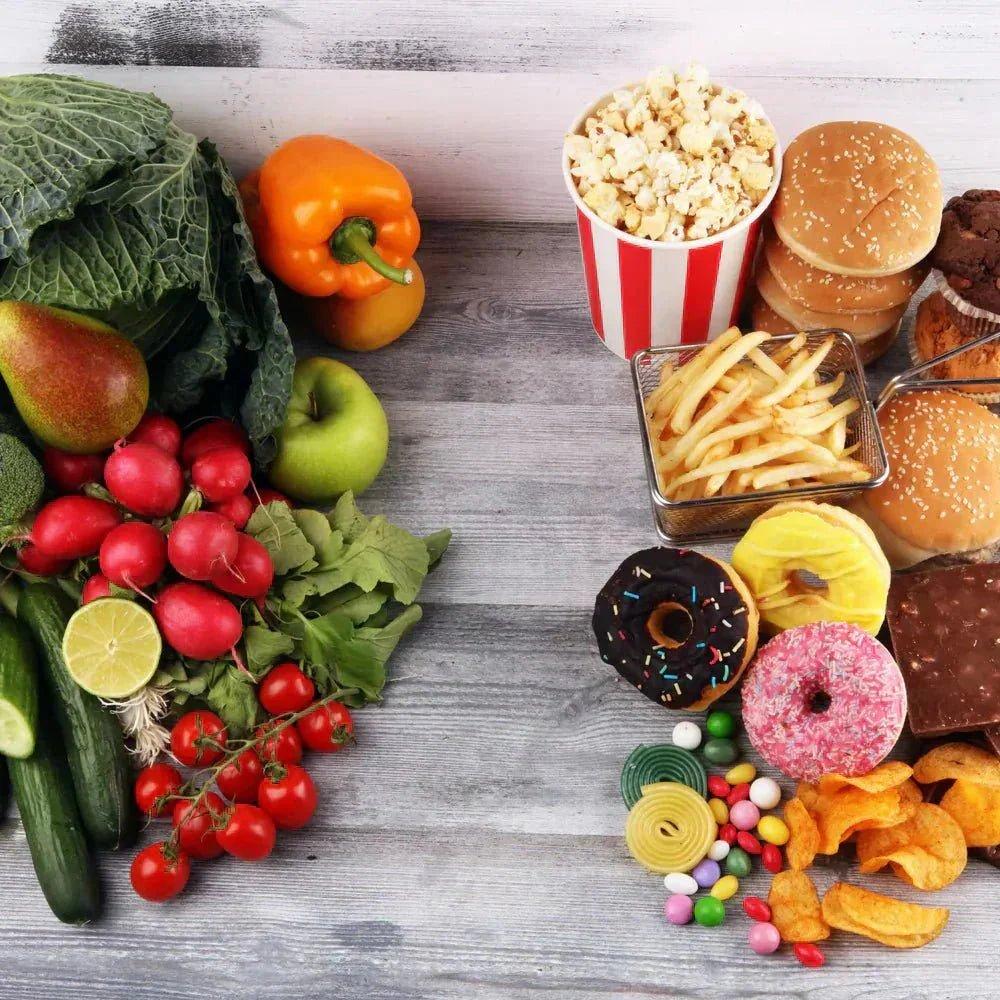
What if the food we eat every day is silently weakening our muscle strength?
Ultra-processed foods may look harmless on the plate, yet research shows they can reduce muscle quality and increase hidden fat inside muscles.
This change does not happen overnight, but over time it can affect strength, mobility, and overall health.
Even more surprisingly, this impact can occur regardless of calorie intake or exercise habits.
Looking to protect muscle strength and improve overall health? Book an appointment with Passion Health Primary Care for a personalized nutrition plan that supports lasting results.
What Are Ultra-Processed Foods?
Ultra-processed foods (UPFs) are industrial products made using additives, preservatives, artificial flavors, and refined ingredients. These foods are often:
High in sugar, salt, and unhealthy fats
Low in fiber, vitamins, and antioxidants
Designed for long shelf life and strong taste
Common examples include packaged chips, soft drinks, processed meats, instant noodles, and frozen ready meals.
How Ultra-Processed Foods Affect Muscle Health
1. Increased Fat Inside Muscles
Recent research highlights a major concern: fat buildup inside muscle tissue.
Studies using MRI scans found that people who consume more ultra-processed foods tend to have higher levels of intramuscular fat, especially in thigh muscles.
This matters because:
Healthy muscles are lean and dense
Fat infiltration weakens muscle structure
Muscle strength and function decline over time
Even more concerning, this effect appears independent of calorie intake or exercise. In simple terms, even if total calories are controlled, UPFs can still harm muscle quality.
2. Reduced Muscle Quality and Strength
Muscle health is not just about size—it is about quality.
When fat replaces muscle fibers:
Strength decreases
Mobility becomes limited
Risk of injury increases
Research shows a direct pattern: higher consumption of ultra-processed foods leads to poorer muscle quality.
Over time, this can affect daily activities like walking, climbing stairs, or lifting objects.
3. Higher Risk of Joint Problems
Muscle weakness does not stay isolated. It affects joints, too.
Fatty, low-quality muscles increase the risk of:
Knee osteoarthritis
Joint pain and stiffness
Reduced physical independence
Studies suggest that intramuscular fat associated with UPFs may contribute to muscle degeneration around joints, increasing long-term joint stress.
4. Impact Beyond Muscles
Ultra-processed foods do not just harm muscles. They affect overall body health.
High intake is linked to:
Obesity
Chronic inflammation
These conditions further worsen muscle health and recovery.
Why Ultra-Processed Foods Cause These Problems
Understanding the mechanism helps in making better choices.
Low Nutrient Density
UPFs lack protein quality, vitamins, and minerals needed for muscle repair.
High Additives and Refined Ingredients
These foods contain artificial compounds that may disrupt metabolism.
Excess Calories Without Satiety
They promote overeating, leading to fat gain, including in the muscles.
Poor Protein Utilization
Even when protein is present, it is often of lower quality and less effective for muscle building.
The Study You Need to Know About
A major study published in Radiology revealed a strong link between ultra-processed food consumption and declining muscle health. Researchers examined participants from the Osteoarthritis Initiative to understand how diet impacts muscle quality over time.
Key findings from the study:
Researchers analyzed 615 adults (275 male, 340 female)
The average age was 60 years, with most participants overweight (BMI 27)
Around 41% of their yearly diet consisted of ultra-processed foods
None had diagnosed knee or hip osteoarthritis at the start
MRI scans were used to measure intramuscular fat (fat inside muscles)
What makes this important:
Higher intake of ultra-processed foods was linked to increased fat within muscle tissue
This change signals reduced muscle quality, even before disease develops
These findings highlight a critical point—diet quality directly impacts muscle health, even in otherwise healthy individuals.
What This Means for Younger Adults Too
It is a mistake to think muscle damage from ultra-processed foods only affects older adults. Research shows the impact starts much earlier and can silently progress over time.
Key insights:
Studies using NHANES data show that higher ultra-processed food intake is linked to low muscle mass in adults aged 20–59
Muscle decline can begin as early as age 30 without resistance training
By age 60, muscle loss can reach 20% to 40%
Poor diet accelerates early muscle weakening and long-term joint damage
What this means:
Early dietary changes help protect muscle strength and mobility long-term
Building healthy eating habits sooner reduces the risk of future muscle loss
Simple Signs Your Diet May Be Hurting Muscle Health
Frequent consumption of packaged or ready-to-eat foods
Low intake of fresh vegetables and whole foods
Feeling weak despite eating enough calories
Reduced stamina or slow recovery after activity
These are early signals that diet quality needs improvement.
Practical Steps to Protect Your Muscle Health
Based on the current body of evidence, here is what experts suggest:
Replace ultra-processed staples with whole alternatives. Swap packaged snacks for nuts, fruits, or boiled eggs. Choose whole-grain bread over mass-produced varieties.
Prioritize muscle-supportive nutrients. Focus on getting enough protein, iron, and omega-3 fatty acids through fish, legumes, eggs, leafy greens, and seeds.
Read ingredient labels carefully. If a product lists more than five to seven ingredients — especially ones that are hard to pronounce — it is likely ultra-processed.
Cook more meals at home. Home-cooked meals using minimally processed ingredients are the single most effective way to reduce ultra-processed food intake
Final Thoughts
Ultra-processed foods are convenient, but convenience comes at a cost. Research clearly shows a strong link between high consumption of these foods and poor muscle health, increased fat inside muscles, and reduced strength.
The key message is simple:
Muscle health depends on food quality, not just calories
Small daily choices create long-term outcomes
Reducing ultra-processed foods improves both muscle and overall health
If improving muscle strength, energy, and long-term health is a priority, start by upgrading daily food choices.
For a personalized nutrition and health plan,
Book an appointment with Passion Health Primary Care and take the first step toward stronger, healthier living.