How Can a DXA Scan Bone Density Test Find Bone Loss Early?
Bone health plays an important role in strength, balance, movement, and independence.
Many bone problems develop slowly and silently. A person may not feel pain or notice symptoms until a fracture happens. That is why early bone screening matters.
A DXA scan, also called a DEXA scan or bone density test, helps check bone strength before serious problems develop. This simple, quick, and painless imaging test measures bone mineral density and helps doctors understand fracture risk.
A DXA scan can help detect osteoporosis, osteopenia, and bone loss related to age, hormone changes, medical conditions, or certain medicines.
At Passion Health Advanced Primary Care, patients can discuss bone health concerns, fracture history, height loss, vitamin D concerns, and preventive screening needs with a primary care provider.
Worried about weak bones or fracture risk? A simple DXA scan may help you understand your bone health early. Book an appointment →
What Is a DXA or DEXA Scan?
A DXA or DEXA scan is an imaging test that measures the mineral content and density of your bones. DEXA stands for Dual-Energy X-Ray Absorptiometry.
The test uses very low-dose X-ray technology to measure how dense and strong your bones are. Doctors use this information to check whether your bones are healthy, slightly weakened, or at risk for osteoporosis.
Unlike a regular X-ray, which mainly shows bone structure, a DXA scan measures bone density. This helps doctors find bone thinning before a fracture happens.
Healthcare providers commonly use a DXA scan to check for:
Osteoporosis
Osteopenia
Low bone density
Increased fracture risk
Bone loss caused by aging
Bone loss related to certain medicines or health conditions
Why Is a Bone Density Test Important?
Bones naturally lose density with age, and this can happen faster due to hormone changes, low vitamin D, poor nutrition, smoking, alcohol use, lack of exercise, certain diseases, or long-term medicine use.
Weak bones can break from a small fall or simple movement, especially in the hip, spine, or wrist.
A DXA scan helps healthcare providers:
Detect bone loss early
Diagnose osteopenia or osteoporosis
Check fracture risk
Monitor bone health over time
Track treatment progress
Guide lifestyle, nutrition, and medication decisions
Early detection allows doctors to recommend the right care plan before serious bone damage happens.
Conditions Diagnosed Using a DXA Scan
A DXA scan helps identify different bone health conditions.
Osteoporosis
Osteoporosis causes bones to become weak, thin, and fragile. People with osteoporosis have a higher risk of fractures, even from minor falls or sudden movements.
Common fracture areas include:
Hip
Spine
Wrist
A DXA scan can help detect osteoporosis early, so patients can take steps to reduce fracture risk.
Osteopenia
Osteopenia means bone density is lower than normal but not low enough to be called osteoporosis.
People with osteopenia may have a higher chance of developing osteoporosis later. Early monitoring can help doctors recommend preventive steps such as exercise, nutrition support, vitamin D guidance, and follow-up testing.
Fracture Risk
A DXA scan can also help doctors understand how likely a person may be to experience a fracture in the future. This helps guide prevention and treatment decisions.
Who Should Get a DXA Scan?
Many people think a DXA scan is only for women, but that is not true. A DXA scan can be done for males as well as females.
Both men and women can lose bone density with age, medical conditions, hormone changes, certain medicines, or lifestyle factors.
Healthcare providers may recommend a DXA scan for people who have a higher risk of bone loss or fractures.
DEXA Scans Can Be Done in Males in Addition to Females
A DEXA scan is not only for females. Males can also get a DEXA scan to check bone density and fracture risk.
DXA Scan for Women
Women have a higher risk of bone loss after menopause because estrogen levels decrease. Lower estrogen can make bones weaker over time.
Women over age 65, women after menopause, and women with a family history of osteoporosis may need a DXA scan to check bone strength and fracture risk.
DXA Scan for Men
Men can also develop osteopenia or osteoporosis. A DXA scan may help men check bone density and fracture risk, especially if they are aging, have low vitamin D, use long-term steroid medicines, have low testosterone, smoke, drink alcohol heavily, or have a previous fracture history.
Bone loss in men may go unnoticed for years because it often does not cause clear symptoms in the early stage. A DEXA scan can help detect weak bones before a serious fracture happens.
People Who May Need a DXA Scan
Healthcare providers usually recommend DXA scans for:
Adults over age 65
Men over age 70
Adults over age 50 with a previous fracture
People with a family history of osteoporosis
People with height loss
People with low vitamin D
People with hormonal disorders
People using long-term corticosteroid medicines
People with autoimmune diseases or other medical conditions that affect bone health
How Passion Health Advanced Primary Care Can Help
Bone health screening often starts with a primary care visit. A provider can review your age, fracture history, medicines, vitamin D concerns, hormone risks, and lifestyle factors.
At Passion Health Advanced Primary Care, patients can discuss bone health concerns and get guidance on whether a DXA scan, lab testing, nutrition support, or follow-up care may be needed.
Related Primary Care Services
Bone health connects with preventive care, senior care, chronic care, and lifestyle support. A DXA scan can help doctors understand fracture risk, but complete bone health care may also include regular checkups, medication review, vitamin D guidance, and long-term health monitoring.
Preventive Care
Preventive care helps find health risks early. During routine visits, a provider can review bone health risks, lifestyle habits, family history, and screening needs.
Geriatric Care
Older adults have a higher risk of bone loss, falls, and fractures. Geriatric care can support fall-risk review, medication review, balance concerns, and senior wellness planning.
Annual Physical Exams
Annual physical exams help track health changes over time. These visits may include screening discussions, lab work, prevention goals, and referrals for tests such as a DXA scan when needed.
Vitamin D & Wellness
Vitamin D plays an important role in bone strength. A provider can review vitamin D concerns, nutrition habits, supplement needs, and wellness goals based on personal health history.
Chronic Care Management
Long-term conditions can affect bone health and overall wellness. Chronic care management supports patients with ongoing medical needs, medication tracking, lifestyle guidance, and follow-up care.
Medicare Wellness Visits
Medicare wellness visits help eligible patients review preventive care needs, fall risk, health screenings, and wellness planning. Bone health discussions may also be part of this visit when risk factors are present.
Patients looking for primary care in Frisco, Irving, Plano, Prosper, Anna, Aubrey, Flower Mound, Ennis, Kaufman, Kemp, and McKinney can schedule care with Passion Health Advanced Primary Care.
How a DXA Scan Works
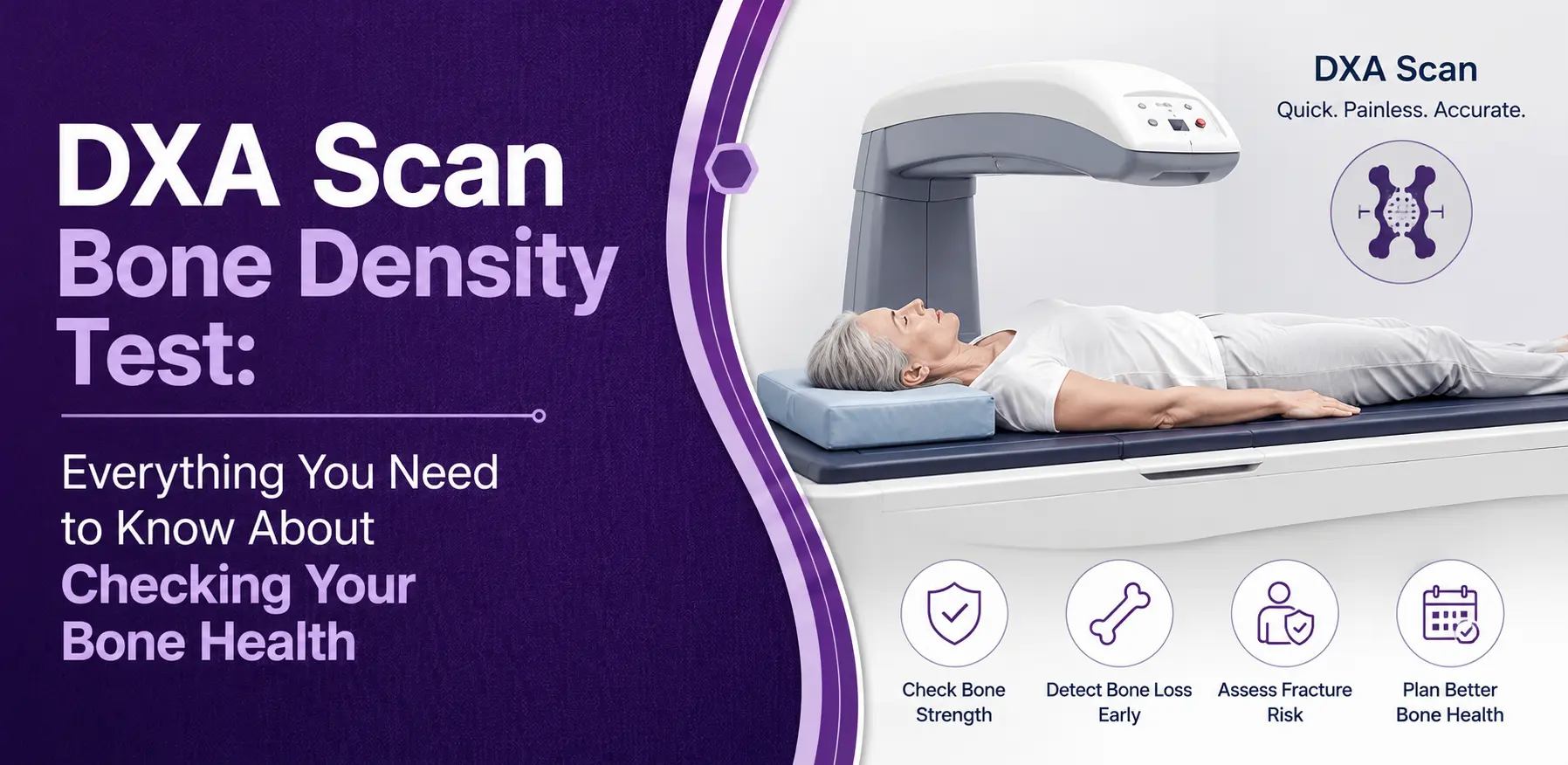
A DXA scan is simple, non-invasive, and usually completed in less than 30 minutes.
During the test:
You lie on a special scanning table.
A technologist helps position your body.
A scanning arm moves slowly over the body.
The machine uses low-dose X-rays to measure bone density.
The results appear on a computer for review.
Most DXA scans focus on the hip and spine because these areas have a higher risk of osteoporosis-related fractures.
The test does not involve needles, injections, or surgery. Most patients feel comfortable during the scan.
How to Prepare for a Bone Density Test
Preparing for a DXA scan is usually simple. Most people can continue normal daily activities before the test.
Before your appointment, you may need to:
Wear loose, comfortable clothing
Avoid clothing with metal zippers, buttons, or belts.
Remove jewelry or metal accessories.
Tell your doctor about current medicines and supplements.
Tell your doctor if you recently had an imaging test with contrast dye.
Ask whether you should avoid calcium supplements before the test
Your healthcare provider may recommend avoiding calcium supplements for 24 hours before the scan.
Understanding DXA Scan Results
After the scan, the results are usually reported using a T-score. The T-score compares your bone density with the bone density of a healthy young adult.
T-Score Categories
T-Score | Meaning |
0 to -1 | Normal bone density |
-1 to -2.5 | Osteopenia, or low bone density |
-2.5 or lower | Osteoporosis |
The closer the number is to zero, the stronger the bones are. A lower score means weaker bones and a higher fracture risk.
If results show bone loss, your provider may recommend lifestyle changes, nutrition support, vitamin D guidance, medication, or follow-up scans.
Treatment Options After a DXA Scan
If a DXA scan shows low bone density, treatment depends on the results, fracture risk, age, health history, and personal risk factors.
Lifestyle Changes
Regular movement helps strengthen bones and muscles. It can also improve balance and lower fall risk.
Helpful activities may include:
Walking
Strength training
Balance exercises
Yoga
Safe stretching
Nutrition Support
Strong bones need the right nutrients. A provider may recommend:
Medication Review
Some medicines can affect bone density. A primary care provider can review current medications and decide whether any medicine may increase bone loss risk.
Osteoporosis Medication
For moderate or severe bone loss, doctors may recommend medication to help slow bone breakdown, improve bone density, and reduce fracture risk.
Follow-Up Monitoring
Some patients need repeat DXA scans every few years to monitor bone health and treatment progress.
Benefits of DXA Scans
DXA scans offer several benefits:
Quick test
Painless procedure
No needles or injections
Very low radiation exposure
Accurate bone density measurement
Helpful for early detection
Useful for monitoring treatment progress
Because of these benefits, DXA scans remain one of the most trusted tests for checking bone density and osteoporosis risk.
Are There Any Risks?
DXA scans are considered very safe. The radiation exposure is very low compared with many other imaging tests.
People who are pregnant or may be pregnant should tell their healthcare provider before the scan. The provider may postpone the test if needed.
DXA Scan vs Whole-Body Bone Scan
A DXA scan and a whole-body bone scan sound similar, but they are different tests.
DXA Scan
A DXA scan measures bone density. Doctors use it to check for osteopenia, osteoporosis, and fracture risk.
Whole-Body Bone Scan
A whole-body bone scan helps detect other bone problems such as cancer spread, infections, fractures, or bone abnormalities.
Your healthcare provider will decide which test fits your health concern.
Protect Your Bone Health With Early Screening
Bone loss can happen silently, and many people do not know their bones are weak until a fracture occurs. A DXA scan helps detect bone loss early and checks bone strength and fracture risk in both women and men.
Book Your DXA Scan Today
Could your bones be weaker than you think? Bone loss can stay silent for years, but a DXA scan can give important answers before a fracture happens.
Take the next step toward stronger bones and better long-term health. Book an appointment with Passion Health Advanced Primary Care today. →
FAQs
1. Is a DXA scan only for women?
No. A DXA scan can be done for both males and females to check bone density and fracture risk.
2. Why do men need a DXA scan?
Men may need a DXA scan if they are aging, have low vitamin D, low testosterone, long-term steroid use, smoking history, heavy alcohol use, or previous fractures.
3. Is a DXA scan painful?
No. A DXA scan is painless, non-invasive, and does not require needles or injections.
4. How long does a DXA scan take?
Most DXA scans take less than 30 minutes.
5. What happens if my DXA scan shows low bone density?
Your provider may recommend lifestyle changes, vitamin D guidance, nutrition support, medication review, or follow-up care.