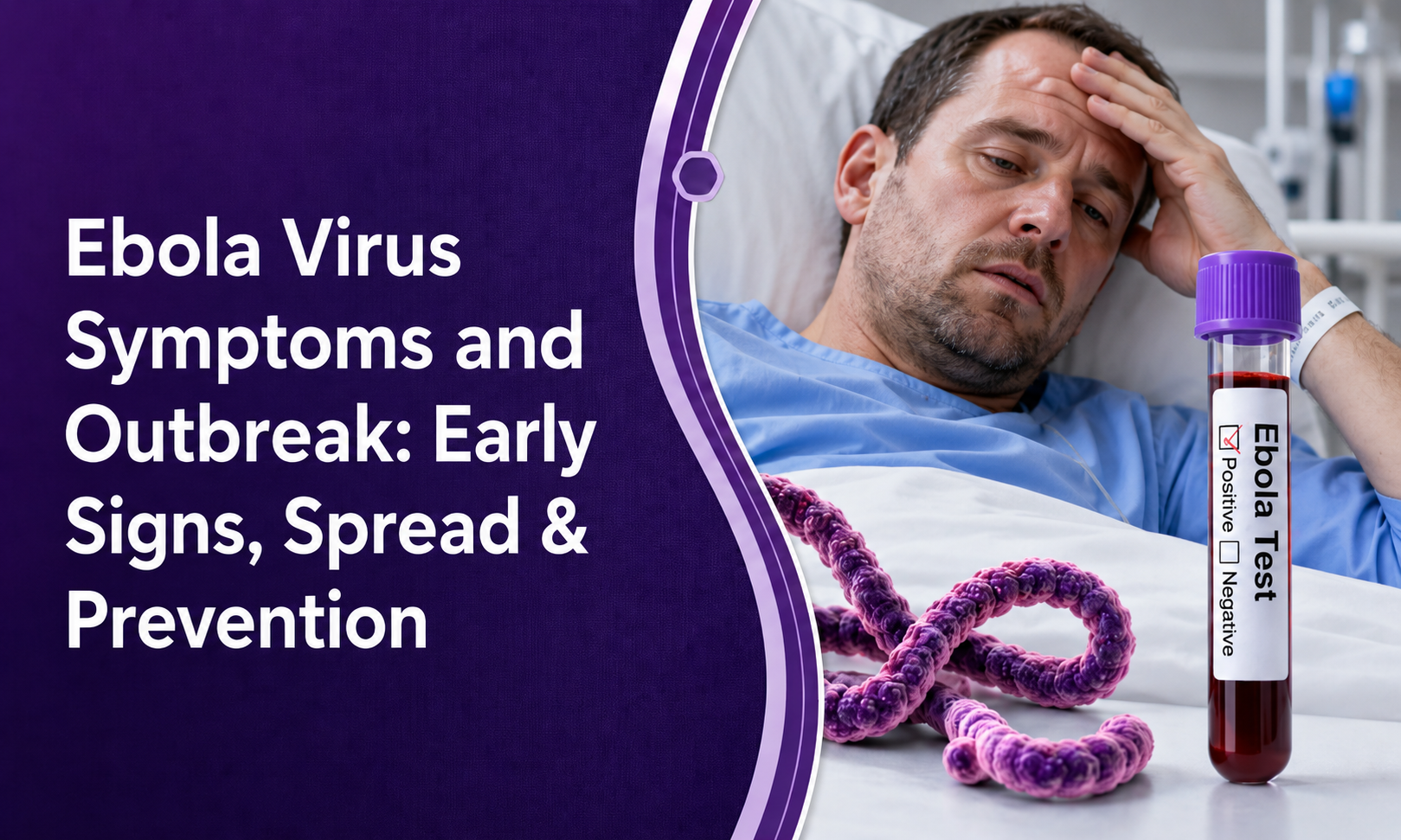
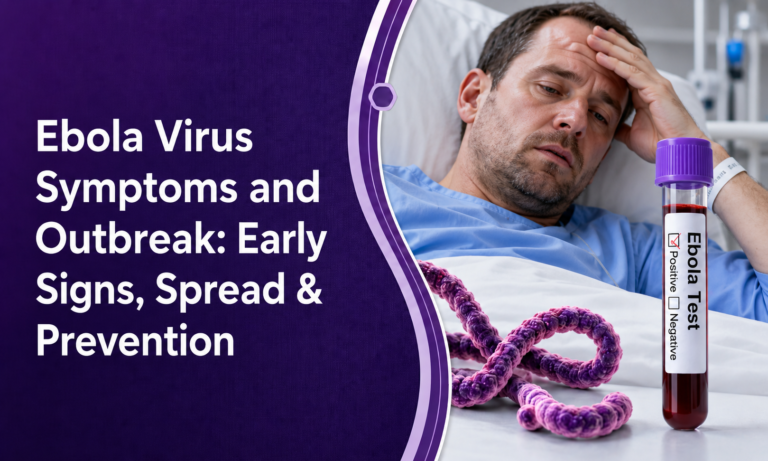
Ebola Virus Symptoms and Outbreak: How It Spreads
The Ebola virus does not start with dramatic symptoms. In many cases, it begins with signs that resemble fever, tiredness, body aches, headache, or sore throat. A person may ignore the first warning signs until the illness becomes severe.
As of May 15, 2026, health officials reported a new Ebola Virus Symptoms and Outbreak in the Democratic Republic of Congo’s Ituri province, with suspected cases and deaths under investigation, while Uganda also reported a related fatal case.
Because outbreak details can change quickly, readers should always follow CDC, WHO, and local public health updates for the latest guidance.
Ebola remains rare for most people, but it can become life-threatening after exposure. Knowing the early symptoms, how the virus spreads, and when to seek urgent medical care can protect a patient.
Concerned after travel or possible exposure? Book an appointment with Passion Health Primary Care for proper guidance.
What Is Ebola Virus Disease?
Ebola virus disease is a serious viral illness caused by orthoebolaviruses. It can affect humans and some animals, especially in outbreak regions. Ebola is rare but life-threatening, with early flu-like symptoms that can become severe.
The disease gained global attention because outbreaks can spread fast when people come into direct contact with infected body fluids. However, Ebola does not spread like a common cold.
It requires specific exposure, which usually involves close contact with a sick person, a person who died from Ebola, contaminated objects, or infected animals.
Ebola Virus Symptoms and Outbreak: Why Early Signs Are Easy to Miss
The first stage of Ebola often looks like many other infections. A patient may feel feverish, weak, sore, or unusually tired. That can look like flu, malaria, typhoid, food poisoning, or another viral illness.
CDC says symptoms may appear 2 to 21 days after exposure, with many people showing symptoms around 8 to 10 days after contact with the virus.
Early symptoms often include fever, muscle and joint aches, severe headache, weakness, fatigue, and sore throat.
That is why travel history and exposure history become so important. Fever alone does not mean Ebola.
Fever after travel to an outbreak area or direct contact with a possible Ebola case needs urgent medical attention.
Early Ebola Virus Symptoms
Early symptoms may include:
Fever or chills
Severe headache
Muscle pain
Weakness
Fatigue
Sore throat
Loss of appetite
General body discomfort
These symptoms can feel ordinary at first. However, the pattern becomes concerning when they appear after possible exposure.
Severe Ebola Virus Symptoms That Need Emergency Care
As Ebola progresses, symptoms can become more intense. CDC describes the illness as moving from early “dry” symptoms, such as fever and aches, to later “wet” symptoms, such as vomiting, diarrhea, and unexplained bleeding.
Severe symptoms may include:
Vomiting
Diarrhea
Rash
Red eyes
Confusion
Trouble breathing
Severe weakness
Bruising
Unexplained bleeding
Signs of shock
Organ problems
Ebola Virus Symptoms and Outbreak: How Ebola Spreads
The virus spreads through direct contact with infected body fluids. blood, saliva, sweat, urine, stool, vomit, breast milk, amniotic fluid, semen, and vaginal fluid are possible sources of transmission. It can also spread through contaminated items such as needles, bedding, clothing, or medical equipment.
Ebola can also spread from infected animals to people. Scientists believe fruit bats may play a role in the natural spread of Ebola viruses. Contact with infected wildlife, raw bushmeat, or animals found sick or dead in outbreak areas can increase risk.
Can Ebola Spread Before Symptoms Start?
This point can calm unnecessary fear. A person infected with Ebola cannot spread the disease until symptoms begin. The incubation period, meaning the time between infection and symptoms, ranges from 2 to 21 days.
So, exposure risk does not only depend on being near someone. It depends on whether the person had symptoms and whether direct contact with body fluids happened.
Still, public health teams monitor contacts for 21 days because symptoms can appear later.
Who Has a Higher Risk During an Ebola Outbreak?
Most people outside outbreak zones face a very low risk. Higher-risk groups include:
Healthcare workers caring for Ebola patients
Family members or caregivers of sick patients
People involved in burial practices
Travelers who recently visited outbreak areas
Lab workers handling infected samples
People exposed to infected animals
Close contacts of confirmed or suspected cases
During an outbreak, risk rises when people delay care, hide symptoms, travel while sick, or care for infected people without protective equipment.
How Doctors Diagnose Ebola
Doctors do not diagnose Ebola by symptoms alone. Early symptoms overlap with many other infections. A provider will review:
Recent travel
Exposure to sick people
Contact with body fluids
Contact with animals
Symptom timeline
Local outbreak alerts
Testing usually requires blood samples and strict infection-control procedures. Fast testing helps patients receive proper isolation and care sooner, which can improve response and reduce spread.
Treatment for Ebola Virus Disease
Ebola needs urgent medical care. Treatment may include fluids, electrolytes, blood pressure support, fever and pain control, oxygen support, and treatment for other infections if they occur.
Two FDA-approved treatments, Inmazeb and Ebanga, are available for Ebola disease caused by the Zaire ebolavirus species. Supportive care also improves survival chances when patients receive it early.
However, treatment options can depend on the Ebola species involved. Some involve strains that do not have the same licensed vaccine or treatment options. That is another reason public health testing matters.
Prevention Tips
Prevention starts with exposure control. During an outbreak, people should avoid direct contact with blood or body fluids from sick people. Caregivers and healthcare workers need proper protective equipment. Communities also need safe burial practices and fast reporting of suspected cases.
Travelers should check public health travel notices before visiting affected areas. After returning from an outbreak region, a person should monitor their health for 21 days and report symptoms quickly.
CDC also notes that ERVEBO is FDA-approved for the prevention of disease caused by Zaire ebolavirus in people 12 months and older, though vaccine use depends on risk and outbreak type.
When Should You Seek Medical Help?
Seek urgent medical guidance if fever, weakness, body aches, vomiting, diarrhea, or unusual bleeding appear after:
Travel to an Ebola outbreak area
Contact with a suspected or confirmed Ebola patient
Exposure to body fluids from a sick person
Contact with contaminated medical items
Contact with sick or dead animals in an outbreak region
Do not visit a clinic, urgent care, or hospital without calling first if Ebola exposure is possible. Tell the care team about travel, exposure, and symptoms before arrival.
Ebola Outbreak Update: Why Accurate Information Matters
The virus is serious, yet it does not spread casually through the air like common respiratory infections. Ebola is serious, yet it does not spread casually through the air like common respiratory infections.
Do not panic, but seek urgent medical guidance if symptoms appear after possible exposure or travel to an affected area.
Final Thoughts on Ebola Virus Symptoms and Outbreak
Ebola can start quietly, but it can become severe quickly. That is why the early warning signs matter. Fever, fatigue, headache, muscle pain, sore throat, vomiting, diarrhea, or unexplained bleeding should never be ignored after possible exposure.
The most important lesson from any Ebola outbreak is not fear. It is fast action. Early reporting, safe isolation, testing, supportive care, and public health response can save lives.
Ebola remains rare for most people, but awareness gives patients power. If symptoms appear after travel or exposure, call ahead immediately. Do not wait for the illness to become severe.
Concerned about your symptoms or recent travel history? Book an appointment with Passion Health Primary Care for timely guidance, preventive care, and trusted medical support.
FAQs for Ebola Virus Symptoms and Outbreak
1. What are the first symptoms of Ebola virus disease?
The first symptoms of Ebola often include fever, severe headache, muscle pain, weakness, fatigue, sore throat, and loss of appetite. These signs can look like the flu at first, so travel history and possible exposure matter.
2. How long after exposure do Ebola symptoms appear?
Ebola symptoms can appear anywhere from 2 to 21 days after exposure. Many people develop symptoms around 8 to 10 days after contact with the virus.
3. How does Ebola spread during an outbreak?
Ebola spreads through direct contact with blood or body fluids from a sick or deceased infected person. It can also spread through contaminated needles, bedding, clothing, medical equipment, or contact with infected animals.
4. Can Ebola spread before symptoms start?
Ebola does not usually spread before symptoms begin. A person becomes more infectious once symptoms appear, especially when vomiting, diarrhea, bleeding, or severe illness develops.
5. When should someone seek medical help for possible Ebola symptoms?
Seek urgent medical guidance if fever, body aches, vomiting, diarrhea, weakness, or unusual bleeding develops after travel to an outbreak area or contact with a suspected Ebola case. Call ahead before visiting a clinic or hospital.
6. How can Ebola virus infection be prevented?
Prevention includes avoiding contact with infected body fluids, using protective equipment in healthcare settings, avoiding contaminated objects, following public health travel alerts, and monitoring symptoms for 21 days after possible exposure.