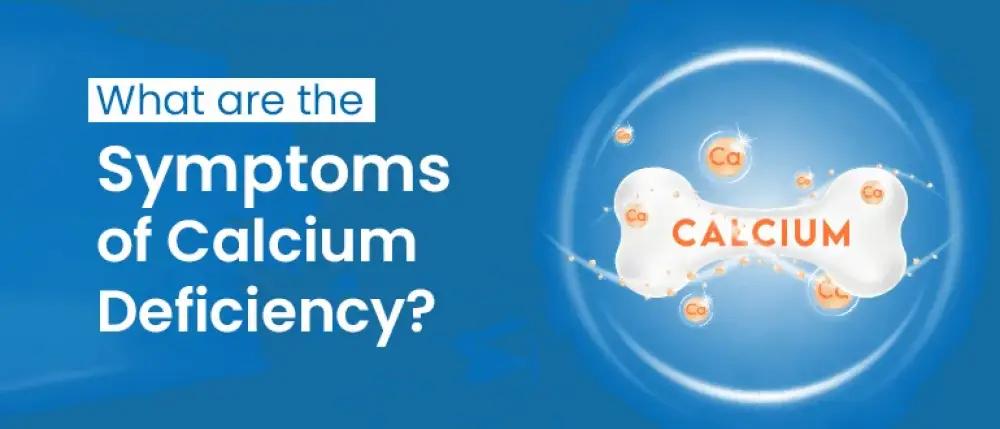
Struggling with weak bones? Here’s how calcium can help strengthen them.
Are you waking up with muscle cramps? Do your nails break at the slightest touch? Or do you constantly feel tired for no clear reason?
These everyday issues may seem harmless, but they can be your body’s early warning signs that it needs more calcium for strong bones.
Most people assume calcium only matters later in life. That assumption can quietly damage your long-term health. Your bones are constantly rebuilding, and the strength you develop today determines your risk of fractures tomorrow.
This guide breaks down everything you need to know—from symptoms and food sources to supplements and medical care—so you can protect your bones before problems begin.
Struggling with weak bones or unexplained fatigue? Do not ignore the early signs.
A simple check-up can reveal if your calcium levels are on track.
Book a primary care visit with Passion Health primary care today and take the first step toward stronger bones.
Why Your Body Needs Calcium for Strong Bones and Overall Health
Calcium is not just about bones. It plays a central role in several critical body functions:
Muscle movement: Every contraction—whether lifting, walking, or even blinking—depends on calcium signals.
Nerve communication: Calcium helps transmit messages from your brain to the rest of your body.
Heart function: Your heart relies on calcium to maintain a steady rhythm and proper contraction.
Blood clotting: When you get injured, calcium helps your blood clot and stop bleeding.
Hormone and enzyme release: Many processes related to digestion and energy production depend on calcium.
Your body cannot produce calcium naturally. If you do not consume enough, your body pulls calcium from your bones to keep essential systems running. Over time, this weakens bones and increases the risk of fractures.
7 Warning Signs of Calcium Deficiency You Should Not Ignore
Calcium deficiency often develops gradually, making it easy to overlook. Recognising early symptoms can help prevent serious complications.
Muscle cramps and spasms: Frequent leg cramps, especially at night, are a common sign.
Numbness or tingling: A pins-and-needles sensation in hands, feet, or around the mouth can indicate low calcium.
Persistent fatigue: Feeling drained even after adequate rest may signal a deficiency.
Brittle nails: Nails that crack, peel, or develop white spots can be linked to low calcium.
Dental issues: Increased sensitivity, cavities, or gum problems despite good hygiene.
Bone or back pain: A dull, ongoing ache may indicate bone weakening.
Brain fog: Difficulty concentrating, dizziness, or confusion can also occur.
Ignoring these signs can allow deficiency to progress into more serious bone conditions.
Who Is at Higher Risk?
Some groups are more vulnerable to calcium deficiency and should monitor their intake closely:
Women after menopause (due to lower estrogen levels)
Adults over 50
People following vegan or dairy-free diets
Pregnant or breastfeeding women
Individuals with digestive disorders such as celiac or Crohn’s disease
If you fall into any of these categories, proactive prevention is essential.
Best Calcium-Rich Foods for Daily Intake
You do not need to rely only on milk to meet your calcium needs. A balanced diet can provide enough calcium from both dairy and plant-based sources.
Dairy Sources
Milk (1 cup): ~300 mg
Yoghurt (1 cup): 300–400 mg
Cheese (1.5 oz): ~300 mg
Non-Dairy Sources
Sardines or salmon with bones: 300–400 mg per serving
Tofu (calcium-set): ~500 mg per 250g
Fortified plant milks: ~300 mg per cup
Collard greens: ~266 mg per cooked cup
Kale: ~200 mg per cooked cup
Bok choy: 150–200 mg per cooked cup
Almonds: 300–400 mg per cup
Fortified orange juice: ~300 mg per cup
White beans or chickpeas: 100–150 mg per cup
By combining these foods throughout the day, reaching your daily requirement becomes manageable.
Daily Calcium Requirements by Age
Your calcium needs vary depending on your life stage:
Children (4–8 years): 1,000 mg
Teenagers (9–18 years): 1,300 mg
Adults (19–50 years): 1,000 mg
Women (51+ years): 1,200 mg
Men (71+ years): 1,200 mg
Pregnant or breastfeeding: 1,000–1,300 mg
Avoid exceeding 2,000 mg per day from all sources combined. Excess calcium can lead to kidney stones and interfere with the absorption of other minerals.
Calcium and Vitamin D: A Critical Partnership
Calcium alone is not enough. Your body requires vitamin D to absorb it effectively. Without sufficient vitamin D, much of the calcium you consume goes unused.
How to Get Vitamin D
Spend 10–15 minutes in sunlight daily
Eat fatty fish like salmon or tuna
Choose fortified foods such as milk or cereals
Take supplements if recommended by a healthcare provider
Most adults need around 600 IU (15 mcg) of vitamin D daily, though some individuals may require more based on their levels.
Tips to Improve Calcium Absorption
Take calcium with meals for better absorption
Limit intake to 500 mg at a time
Combine calcium with vitamin D
Reduce excess salt and caffeine, which increase calcium loss
Calcium Supplements: When Are They Necessary?
Diet should always be your first source of nutrients. However, supplements may be useful in certain situations:
Difficulty meeting daily intake through food
Postmenopausal bone loss
Lactose intolerance or a vegan diet
Use of medications that affect bone density
Risks of Supplements
While helpful, supplements can have side effects:
Constipation and bloating
Increased risk of kidney stones
Possible heart-related concerns in high doses
Interference with the absorption of iron, zinc, and magnesium
Always consult a healthcare provider before starting supplements to determine the correct dosage.
Not sure if you are getting enough calcium? Instead of guessing, get clarity. Book a primary care appointment with Passion Health for a quick evaluation of your calcium and vitamin D levels.
Building Strong Bones at Every Stage of Life
Bone health is a lifelong process. Understanding how your needs change can help you stay ahead of problems.
Children and Teenagers
This is the most important period for bone development. Adequate calcium intake supports growth and helps achieve peak bone mass.
Adults Under 50
Focus on maintaining bone strength through proper nutrition and regular physical activity, especially weight-bearing exercises.
Adults Over 50
Bone loss accelerates with age, particularly in women after menopause. Increasing calcium intake and monitoring bone health becomes essential.
Seniors
Preventing fractures is the priority. Strong bones reduce the risk of serious injuries that can impact independence.
Lifestyle Habits That Harm Bone Health
Certain habits can weaken bones over time:
Smoking, which damages bone cells
Excess alcohol consumption
Lack of physical activity
Extreme dieting with inadequate nutrients
Avoiding these habits can significantly improve long-term bone strength.
When to See a Doctor About Your Bone Health
You should not wait until a fracture occurs to seek medical advice. Consider consulting a healthcare provider if:
You experience symptoms of calcium deficiency
You have a family history of bone disease
You have had fractures from minor falls
You take medications affecting bone health
You notice height loss or posture changes
Doctors may recommend blood tests to check calcium and vitamin D levels, along with a bone density scan (DEXA) to assess bone strength.
Strong Bones Start with Daily Action
Your bones support every movement you make. Keeping them strong requires consistent effort—through proper nutrition, healthy habits, and timely medical care.
You now understand the importance of calcium, the warning signs of deficiency, the best dietary sources, and when supplements are appropriate. The next step is taking action.
Ready to protect your bone health? Passion Health offers expert primary care services, including calcium level testing, bone health assessments, and personalised nutrition plans.
Book your appointment today and take the first step toward stronger, healthier bones.