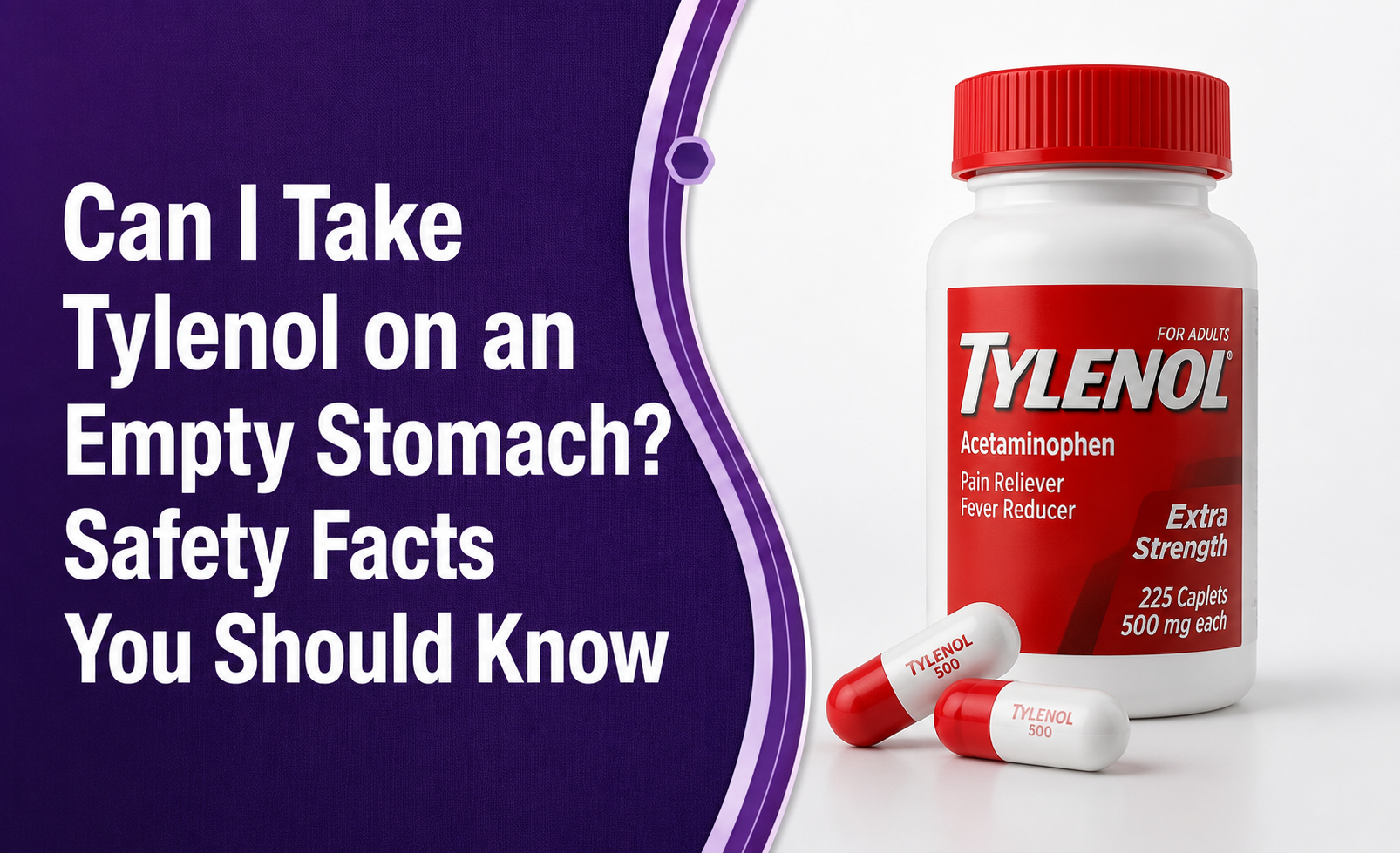

Can I Take Tylenol on an Empty Stomach or Should I Eat First?
A headache hits before breakfast. Fever starts at night. Body aches show up during a busy workday. At that moment, many patients ask one simple question: Can I take Tylenol on an empty stomach?
The answer matters because Tylenol feels familiar, but familiar does not always mean risk-free.
Tylenol can help with pain and fever, yet taking the wrong dose or mixing it with other medicines can harm the liver. Therefore, every patient should know how to use it safely.
If pain, fever, or body aches keep coming back, do not keep guessing with over-the-counter medicine.
Book an appointment with Passion Health Advanced Primary Care for a medication review, symptom check, and safer treatment guidance.
What Is Tylenol?
Tylenol is a brand name for acetaminophen. It helps reduce fever and relieve mild to moderate pain. Many patients use it for headaches, muscle aches, back pain, tooth pain, menstrual cramps, arthritis discomfort, cold symptoms, flu symptoms, and fever.
Unlike ibuprofen, aspirin, and naproxen, This Medication does not belong to the NSAID group. That difference matters. NSAIDs can reduce inflammation, but they may irritate the stomach or raise bleeding risk in some patients. Tylenol usually feels gentler on the stomach, although it still carries liver safety warnings.
Tylenol may help with:
Headache
Fever
Muscle aches
Toothache
Menstrual cramps
Mild arthritis pain
Cold or flu-related body aches
Still, Tylenol only treats symptoms. It does not treat the cause of recurring fever, severe headache, chest pain, infection, or unexplained body pain. So, if symptoms continue, a primary care visit can help find the real reason.
Can I Take Tylenol on an Empty Stomach?
Many adults can take Tylenol with or without food. So, if you wonder, can I take Tylenol on an empty stomach? The answer is often yes when you follow the label directions.
Tylenol usually causes less stomach irritation than ibuprofen or naproxen. For that reason, some patients choose it when they have stomach sensitivity.
However, some may still feel mild nausea, especially when they feel sick already. In that case, take it with water and a small snack.
The bigger concern does not usually involve the stomach. Instead, the main safety issue involves taking too much acetaminophen. Many cold, flu, sleep, and pain medicines also contain acetaminophen. As a result, a patient may take Tylenol plus another medicine and accidentally double the dose.
Use these safety tips when taking Tylenol:
Take it with a full glass of water.
Read the label before every dose.
Do not take two acetaminophen products together.
Avoid alcohol while using Tylenol.
Ask a doctor if you have liver disease.
Before Taking This Medicine
Before taking Tylenol, check your health history and current medicines. A few minutes of caution can prevent a dangerous mistake.
Ask a doctor before taking Tylenol if you:
Have liver disease
Have had alcoholic liver disease or cirrhosis
Drink alcohol often
Take warfarin or another blood thinner
Take several prescription medicines
Use cold, flu, allergy, or sleep medicines
Carrying baby
Are breastfeeding
Need to give Tylenol to a child under 2 years old
Also, check the label for the word “acetaminophen” or “APAP.” Some labels use APAP as a short form. If another medicine already contains acetaminophen, do not add Tylenol unless your doctor or pharmacist says it is safe.
Finding the Right Tylenol for You
Tylenol comes in different strengths and forms. The right option depends on age, symptoms, dose, and how long relief is needed to last. Do not choose the strongest product first. Instead, match the product to your needs and follow the label.
Tylenol Product Type | Common strength | Common Use | Age Group |
Children’s liquid Tylenol | 160 mg/5 mL | Fever or pain in children | Usually 2 years and older |
Regular Strength Tylenol | 325 mg | Mild pain or fever | 6 years and older |
Extra Strength Tylenol | 500 mg | Moderate pain or fever | 12 years and older |
Tylenol 8 Hour Muscle Aches & Pain | 650 mg | Longer muscle or joint pain relief | 12 years and older |
Tylenol 8 Hour Arthritis Pain | 650 mg | Arthritis pain relief | 18 years and older |
Motrin Dual Action With Tylenol | Acetaminophen + ibuprofen | Pain relief with two ingredients | 12 years and older |
Children need careful dosing based on age and weight. Never guess a child’s dose. Also, do not use a kitchen spoon for liquid medicine. Use the dosing syringe or cup that comes with the product.
What Is the Difference Between Tylenol and Tylenol Arthritis?
Regular Tylenol and Tylenol Arthritis both contain acetaminophen. However, they differ in dose and release pattern. Tylenol Arthritis usually contains 650 mg per caplet and uses an extended-release design. That means it releases medicine more slowly and may last longer.
Feature | Regular Tylenol | Tylenol Arthritis |
Main ingredient | Acetaminophen | Acetaminophen |
Common strength | 325 mg or 500mg | 650 mg |
Release type | Regular release | Extended release |
Relief time | Often up to 4-6 hours | Often up to 8 hours |
Common use | Fever, headache, mild pain | Arthritis or longer joint pain relief |
Usual age | Depends on the product | Adults 18+ |
Tylenol Arthritis may help patients who need longer relief for joint pain. However, the higher dose means patients must follow the timing instructions carefully. Taking it too often can raise the risk of liver damage.
How Should I Take Tylenol?
Take Tylenol exactly as the product label says or as your doctor recommends. Do not take extra tablets if the pain feels severe.
More medicine does not always mean better relief. In fact, too much acetaminophen can cause serious liver injury.
Adults and teenagers who weigh at least 110 pounds should not take more than 1,000 mg at one time.
They should not take more than 4,000 mg in 24 hours unless a doctor gives different instructions. Some products recommend a lower daily limit, so the label always matters.
For safe use:
Read the label before each dose.
Track how many milligrams you take in 24 hours.
Use the correct measuring device for liquid medicine.
Avoid extra-strength products for young children unless a doctor says so.
Skip the missed dose if it is almost time for the next dose.
Do not take extra medicine to make up for a missed dose.
Store Tylenol away from heat, moisture, and children.
If you ask, ” Can I take Tylenol on an empty stomach, also ask one more question: “How much acetaminophen have I already taken today?” That second question protects your liver.
What Should I Avoid While Taking Tylenol?
Avoid alcohol while taking Tylenol. Alcohol and acetaminophen both involve the liver, and the combination can increase liver risk.
Also, avoid taking Tylenol with another acetaminophen product. This mistake happens often with cold and flu medicines.
A patient may take Tylenol for fever, then take a nighttime cold medicine that also contains acetaminophen. That combination can push the total dose too high.
Avoid these common mistakes:
Drinking alcohol with Tylenol
Taking two acetaminophen products together
Using cold or flu medicine without checking the label
Taking more than the daily limit
Giving adult-strength Tylenol to children
Using Tylenol for ongoing pain without medical advice
If pain lasts for days, do not continue covering it up. Pain can signal infection, inflammation, injury, blood pressure problems, nerve irritation, or another health issue that needs care.
What Are the Possible Side Effects of Tylenol Products?
Many patients take acetaminophen without noticeable side effects when they use it correctly. Still, side effects can happen. Rare reactions can become serious.
Possible Problem | Symptoms to Watch | What to Do |
Allergic reaction | Hives, swelling, trouble breathing | Get emergency help |
Severe skin reaction | Redness, rash, blistering, peeling | Stop taking it and call a doctor |
Liver problem | Upper right stomach pain, dark urine, yellow skin or eyes | Call a doctor right away |
Stomach discomfort | Nausea or mild upset stomach | Take with water or a small snack |
Ibuprofen-related effects in dual-action products | Heartburn, stomach pain, dizziness | Check the label and ask a doctor |
Stop taking Tylenol and call a doctor right away if you notice yellowing of the skin or eyes, dark urine, severe tiredness, itching, loss of appetite, clay-colored stools, or upper right stomach pain. These signs may point to liver trouble.
Motrin Dual Action With Tylenol also contains ibuprofen. Since ibuprofen belongs to the NSAID group, patients with stomach bleeding, ulcers, kidney disease, heart disease, high blood pressure, asthma, or those who use blood thinners should ask a clinician before taking it.
What Happens If I Overdose?
An acetaminophen overdose can become life-threatening. The scary part is that early symptoms may look mild or may not appear right away. A patient may feel nausea, stomach pain, sweating, weakness, or confusion and think it is just the flu.
Possible overdose symptoms include:
Loss of appetite
Nausea
Vomiting
Stomach pain
Sweating
Confusion
Weakness
Dark urine
Yellow skin or eyes
When Should You Stop Tylenol and Call a Doctor?
Tylenol can help with short-term pain and fever, but symptoms should improve. Call a doctor if pain or fever does not get better, gets worse, or returns again and again.
Call a doctor if:
Fever lasts more than 3 days
Pain lasts more than 7 days in adults
Pain lasts more than 5 days in children
Sore throat lasts more than 2 days
Symptoms get worse
New symptoms appear
Rash, redness, or swelling develops
Nausea or vomiting continues
Liver warning signs appear
A primary care provider can check your symptoms, review your medicines, and decide whether you need testing or a different treatment plan.
Final Takeaway
So, can I take Tylenol on an empty stomach? Many patients can, as long as they follow the label and stay within the safe daily limit.
Tylenol often feels easier on the stomach than some anti-inflammatory medicines.
However, liver safety matters more than stomach comfort.
Always check every medicine label for acetaminophen or APAP. Avoid alcohol. Never take two acetaminophen products together. Also, seek medical help fast if an overdose may have happened or if liver warning signs appear.
Pain, fever, headaches, arthritis discomfort, and medication questions should not turn into a guessing game. Passion Health Advanced Primary Care can review your symptoms, check your medications, and guide you toward safer relief.
FAQs
1. Can I take Tylenol on an empty stomach?
Yes, many adults can take Tylenol on an empty stomach. Take it with water. If nausea happens, try a small snack.
2. Is Tylenol an anti-inflammatory?
No. Tylenol helps with pain and fever, but it does not work like NSAIDs that reduce inflammation.
3. Can Tylenol damage the liver?
Yes. Taking too much acetaminophen can damage the liver and may become life-threatening.
4. Can I take Tylenol with cold medicine?
Check the label first. Many cold and flu medicines already contain acetaminophen or APAP.
5. When should I call a doctor?
Call a doctor if fever lasts more than 3 days, pain continues, symptoms worsen, or rash, vomiting, swelling, dark urine, or yellow skin appear.

About the Author
Dr. Anantha Chentha is a board-certified internal medicine physician with extensive experience in primary care and chronic disease management. He provides comprehensive, patient-centered care with a focus on prevention, accurate diagnosis, and long-term health management.
View Provider Profile →