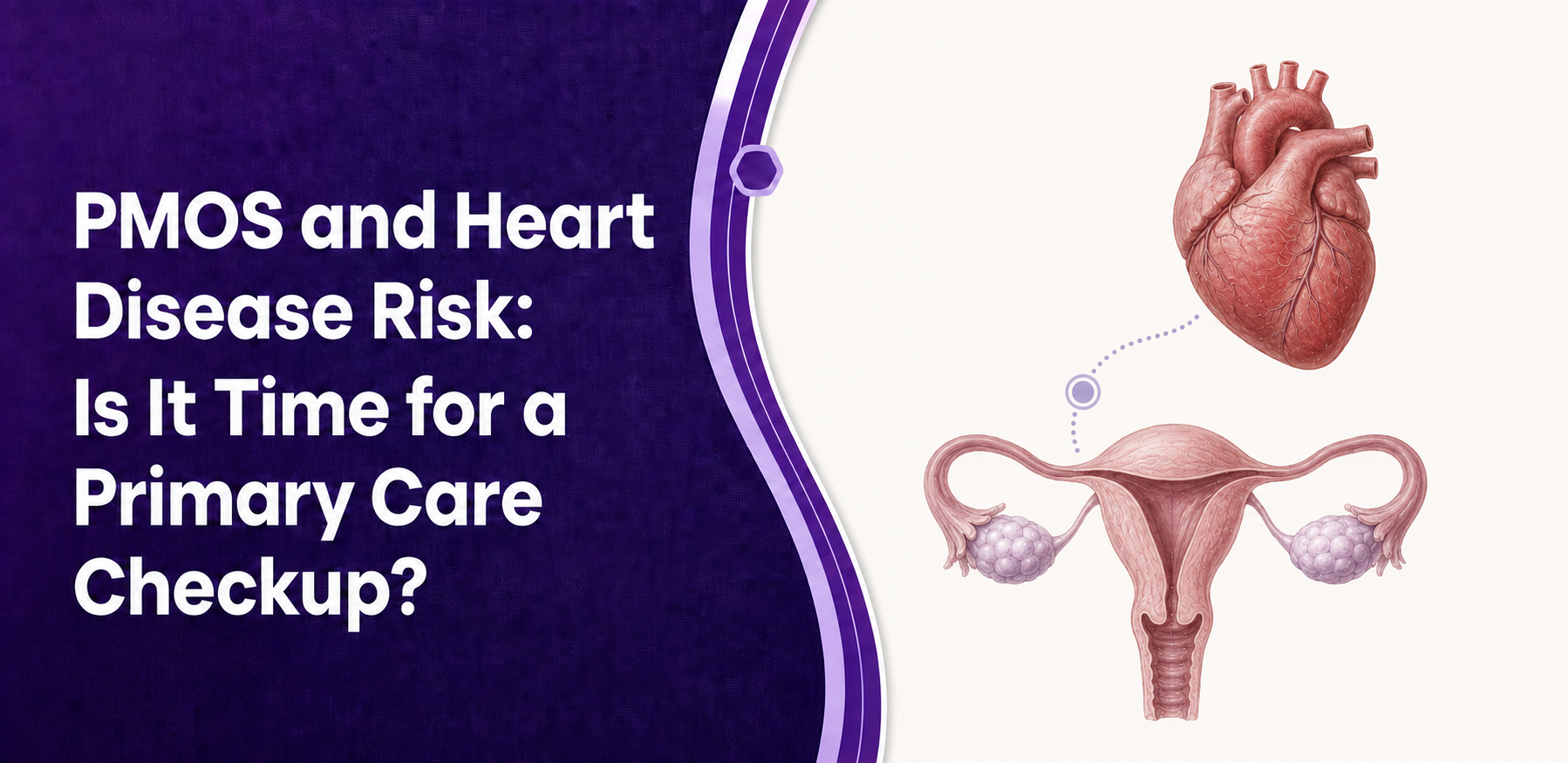
PMOS and Heart Disease Risk: Is It Time for a Primary Care Checkup?
Many people associate PMOS with irregular periods, acne, weight changes, or fertility problems. However, this condition may also influence blood sugar, cholesterol, blood pressure, and long-term heart health.
New research found that women with PMOS experienced cardiovascular events more often than women without the condition. Therefore, a PMOS diagnosis should prompt a conversation about more than reproductive symptoms.
PMOS may affect the heart even when someone does not have obesity, diabetes, or high blood pressure.
If you have PMOS and have not received a recent heart-health assessment, schedule an appointment with Passion Health Advanced Primary Care. A primary care provider can identify treatable risks and create a personalized prevention plan.
Patients looking for primary care in Frisco, Irving, Plano, Prosper, Anna, Aubrey, Flower Mound, Ennis, Kaufman, Kemp, Mesquite, McKinney, TX
Key Takeaways
- PMOS is the new name for PCOS.
- PMOS affects hormonal, reproductive, metabolic, and cardiovascular health.
- A large U.S. study linked PMOS with approximately four times the risk of cardiovascular events.
- The observational study found an association, but it did not prove direct causation.
- Blood pressure, cholesterol, and glucose checks can help identify treatable risks.
- People with PMOS may carry cardiovascular risk even without obesity or diabetes.
- Primary care can coordinate screening, prevention, treatment, and specialist support.
What Is PMOS?
Polyendocrine metabolic ovarian syndrome, or PMOS, is the new name for polycystic ovary syndrome, or PCOS. Both names describe the same hormonal and metabolic condition.
The new name reflects the condition more accurately. PMOS can influence several hormone systems, insulin response, metabolism, ovulation, skin, mental health, and cardiovascular health.
PMOS affects each person differently. For example, one person may struggle with irregular periods and acne, while another may experience insulin resistance, weight changes, or difficulty becoming pregnant.
Common PMOS symptoms include:
Irregular, infrequent, or missed periods
Acne or oily skin
Excess facial or body hair
Thinning scalp hair
Difficulty losing weight
Trouble becoming pregnant
Darkened skin around the neck or underarms
Fatigue, depression, or anxiety
However, symptoms alone cannot confirm PMOS. A healthcare provider may review menstrual history, physical changes, blood test results, and ultrasound findings before making a diagnosis.
What Did the New PMOS Heart Disease Study Find?
Researchers analyzed health records from more than 2.4 million U.S. women ages 18–50. Women with PMOS had about four times the risk of heart attack, stroke, and other cardiovascular events.
The association remained after accounting for diabetes, obesity, high cholesterol, and high blood pressure. However, this observational study found a connection—not proof that PMOS directly causes heart disease.
Why May PMOS Increase Heart Disease Risk?
PMOS affects several processes that help regulate cardiovascular health. Although researchers still have questions, insulin resistance, cholesterol changes, high blood pressure, inflammation, and abdominal weight may all play a role.
Insulin resistance can affect blood vessels
Insulin helps glucose move from the bloodstream into cells for energy. When the body resists insulin, the pancreas often releases more of it to keep blood sugar under control.
Over time, this pattern can contribute to prediabetes or type 2 diabetes. In addition, prolonged high blood sugar can damage blood vessels and increase cardiovascular risk.
Cholesterol levels may change
Some people with PMOS develop high LDL cholesterol, high triglycerides, or low HDL cholesterol. These changes can encourage fatty material to collect inside the arteries.
As that buildup grows, arteries may narrow and become less flexible. Therefore, the heart must work harder to circulate blood.
Blood pressure may rise
Insulin resistance, sleep apnea, kidney changes, family history, and excess abdominal weight can raise blood pressure. High blood pressure often develops without obvious symptoms.
Meanwhile, untreated hypertension can damage the heart, arteries, kidneys, brain, and eyes. Regular measurements remain essential because a person may feel healthy despite elevated readings.
Inflammation may contribute
PMOS may involve persistent low-grade inflammation. Chronic inflammation can affect blood vessels and may support plaque development inside the arteries.
However, researchers have not identified one single cause behind the PMOS–heart disease connection. Several overlapping factors probably contribute to the overall risk.
What Heart Disease Symptoms Should People With PMOS Know?
PMOS itself does not always cause noticeable cardiovascular symptoms. Furthermore, early high blood pressure, high cholesterol, and prediabetes may develop silently.
Contact a healthcare provider if you notice:
Shortness of breath during usual activities
New or unexplained fatigue
Frequent heart palpitations
Dizziness or near-fainting
Swelling in the feet, ankles, or legs
Reduced exercise tolerance
Recurrent chest discomfort
Unexplained sweating or nausea
Women do not always experience the classic crushing chest pain associated with a heart attack. Instead, symptoms may include pressure, unusual weakness, indigestion-like discomfort, jaw pain, back pain, or shortness of breath.
PMOS and Heart Health Checkup
Could PMOS Be Affecting Your Heart Health?
A primary care provider can review your blood pressure, cholesterol, blood sugar, symptoms, and family history to identify cardiovascular risks that may need attention.
Book an Appointment →Who With PMOS May Face a Higher Cardiovascular Risk?
Every person with PMOS deserves individualized risk assessment. However, certain health and lifestyle factors may further increase cardiovascular risk.
These factors include:
High blood pressure
High LDL cholesterol or triglycerides
Prediabetes or type 2 diabetes
Insulin resistance
Smoking or vaping
Limited physical activity
Sleep apnea
Excess abdominal weight
A family history of early heart disease
Previous pregnancy-related diabetes or hypertension
Still, the absence of these factors does not remove every concern. The recent study found an increased association even after researchers considered several traditional risks.
Therefore, younger adults with PMOS should not wait for symptoms before discussing prevention with a primary care provider.
What Heart Health Tests Can a Primary Care Doctor Recommend?
Primary care offers a practical starting point for PMOS-related cardiovascular prevention. Your provider can review your full health history instead of evaluating one laboratory number in isolation.
Depending on your age, symptoms, medicines, and medical history, an evaluation may include:
Health check | What it evaluates |
Hypertension and vascular stress | |
Lipid panel | LDL, HDL, total cholesterol, and triglycerides |
Average blood sugar over approximately three months | |
Fasting blood glucose | Current blood sugar regulation |
Weight and waist measurement | Metabolic and abdominal weight patterns |
Kidney health and cardiovascular risk | |
Family history review | Inherited risk of early heart disease |
ECG when appropriate | Heart rate and electrical rhythm |
Not everyone needs every test at each visit. Instead, a primary care provider can choose screening intervals based on personal risk and previous results.
Normal results today do not guarantee that blood pressure, cholesterol, or blood sugar will remain normal.
When Should Someone With PMOS Visit a Primary Care Doctor?
Schedule a routine appointment after receiving a PMOS diagnosis, especially if no one has recently reviewed your blood pressure, cholesterol, blood sugar, or family history.
You should also arrange an evaluation for:
Persistent fatigue without a clear explanation
Frequent palpitations
Shortness of breath during normal activity
Rapid or unexplained weight changes
Increased thirst or urination
Loud snoring or possible sleep apnea
Elevated home blood pressure readings
A family history of early heart attack or stroke
New side effects after starting a medicine
Early primary care does not mean that something serious has already developed. Rather, it creates an opportunity to find manageable risks before they cause complications.
PMOS can influence blood pressure, cholesterol, blood sugar, and long-term cardiovascular health. Schedule a heart-risk evaluation with Passion Health Advanced Primary Care.
How Can Primary Care Reduce Heart Disease Risk With PMOS?
A primary care provider can connect PMOS management with whole-body preventive care. First, the provider can review current symptoms, previous test results, medicines, sleep, nutrition, activity, and family history.
Next, the provider can create a screening schedule for blood pressure, cholesterol, and glucose. Regular monitoring also makes it easier to identify changes between visits.
When results fall outside a healthy range, the care plan may include nutrition support, physical activity goals, weight-management guidance, or medication. In addition, the provider can check for related concerns such as fatty liver disease or sleep apnea.
Some patients also need support from a gynecologist, endocrinologist, dietitian, or cardiologist. In those cases, primary care can coordinate recommendations and reduce gaps between different areas of treatment.
How Can You Protect Your Heart With PMOS?
Small, consistent changes usually support heart health better than restrictive short-term plans. However, your goals should match your medical condition, abilities, resources, and personal needs.
Consider these protective steps:
Build meals around vegetables, fruit, whole grains, beans, lean proteins, and healthy fats.
Reduce frequent intake of sugary drinks, highly refined carbohydrates, and heavily processed foods.
Aim for 150 minutes of moderate activity each week when medically appropriate.
Add muscle-strengthening activities on two days each week.
Break up long periods of sitting with short movement breaks.
Avoid smoking and vaping.
Follow a regular sleep schedule.
Ask about sleep apnea if you snore loudly or wake feeling exhausted.
Take prescribed medicines consistently.
Attend routine primary care visits.
You do not need to change everything at once. For instance, a 10-minute walk after meals can provide a realistic starting point for someone who currently has limited activity.
Take the Next Step for Your Heart Health
PMOS care should address more than periods and fertility. Regular cardiovascular screening can help uncover high blood pressure, cholesterol problems, or abnormal blood sugar before they lead to serious complications.
If you have PMOS or concerns about your cardiovascular risk, book an appointment at Passion Health Advanced Primary Care. Our team can review your risk factors and build a practical prevention plan around your health needs.
Our Primary Care Locations
Frequently Asked Questions
1. Is PMOS the same condition as PCOS?
Yes. PMOS is the newer name for the condition previously called PCOS. The new name emphasizes its broader hormonal and metabolic effects.
2. Does PMOS cause heart disease?
Researchers have found a strong association between PMOS and cardiovascular disease. However, current evidence does not prove that PMOS directly causes heart disease.
3. Can a person with PMOS have heart risk without obesity?
Yes. The new study found an increased cardiovascular risk even after accounting for obesity and several other traditional risk factors.
4. What heart tests should someone with PMOS receive?
A provider may recommend blood pressure checks, cholesterol testing, A1C or fasting glucose, and other tests based on symptoms and personal risk.
5. How often should someone with PMOS see a primary care provider?
The schedule depends on symptoms, age, test results, and existing conditions. At minimum, discuss an individualized follow-up plan with your healthcare provider.

About the Author
Dr. Anantha Chentha is a board-certified internal medicine physician with extensive experience in primary care and chronic disease management. He provides comprehensive, patient-centered care with a focus on prevention, accurate diagnosis, and long-term health management.
View Provider Profile →