
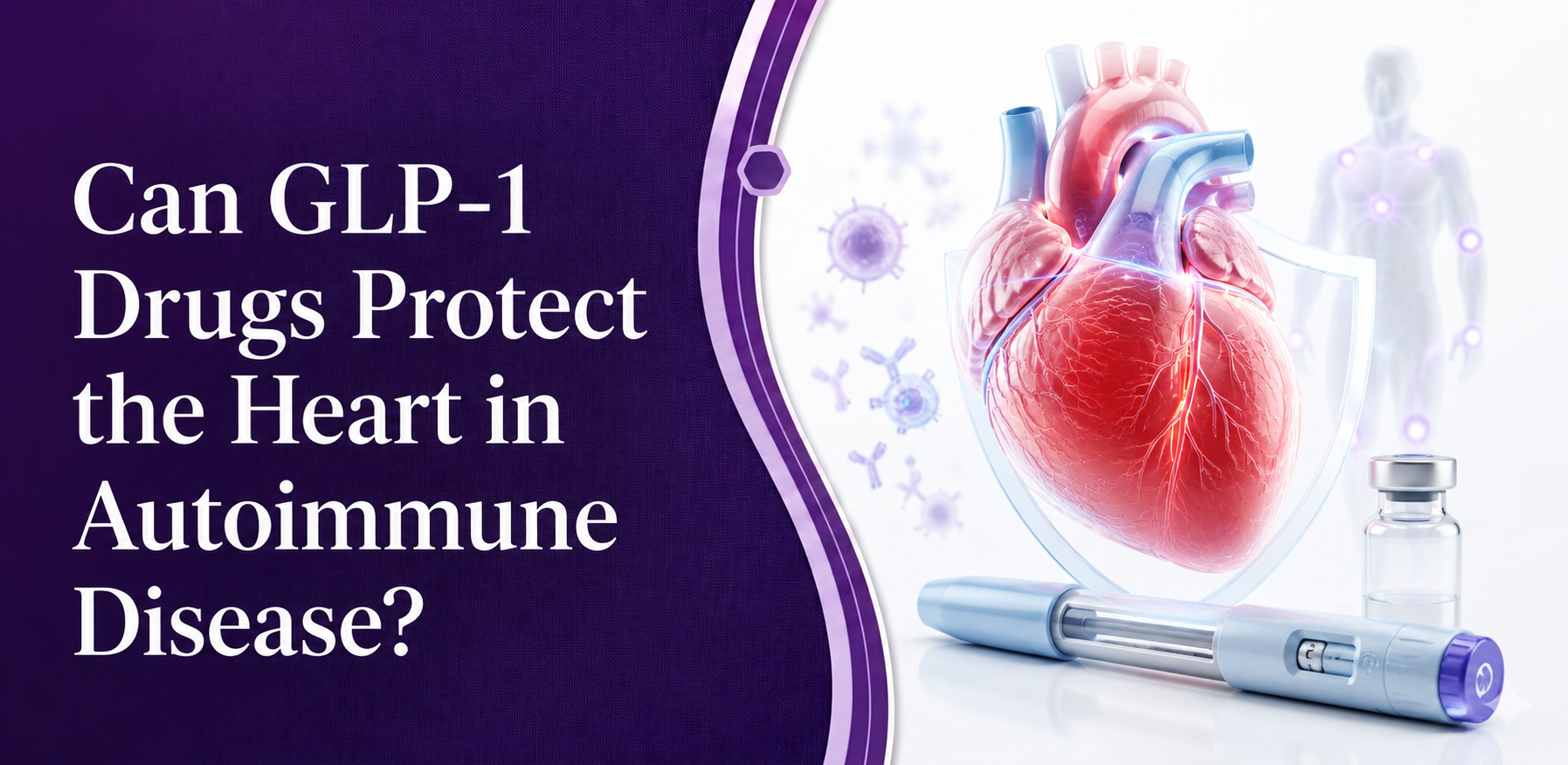
Why GLP-1 Drugs and Heart Protection Are Getting Attention
Could a weight loss and diabetes medicine also help protect the heart? That question now feels more urgent for adults who have autoimmune disease, Excess weight, and higher heart risk.
New research suggests that GLP-1 drugs for heart protection in autoimmune disease may become an important topic for patients and doctors.
Many adults know GLP-1 medicines because of names like Ozempic, Wegovy, Mounjaro, and Zepbound. Doctors often use these medicines for type 2 diabetes, weight management, or both.
However, researchers now want to know whether these medicines may also help the heart, blood vessels, and inflammation-related risks.
Concerned about weight, heart risk, or chronic inflammation? Book an appointment with Passion Health Advanced Primary Care today.
Why GLP-1 Drugs for Heart Protection in Autoimmune Disease Matter
Autoimmune disease can place extra stress on the body. In many autoimmune conditions, the immune system stays overactive and causes inflammation.
Over time, that inflammation may affect blood vessels, joints, skin, digestion, or organs.
Higher weight can add another layer of risk. It may increase blood pressure, cholesterol problems, insulin resistance, sleep apnea, and the risk of blood clots. When autoimmune disease and higher weight happen together, the heart may face more pressure.
That is why GLP-1 drugs for heart protection in autoimmune disease now attract attention.
The new study looked at adults who had both obesity and at least one autoimmune disease. Researchers compared adults who used GLP-1 receptor agonist medicines with similar adults who did not use them.
The results showed a hopeful signal. GLP-1 users had fewer serious heart-related and blood-clot-related events. They also had fewer emergency department visits and a lower death risk.
Still, patients need clear guidance. This does not mean everyone with an autoimmune disease should start a GLP-1 medicine. It also does not mean these drugs cure heart disease or autoimmune disease.
What Are GLP-1 Drugs?
GLP-1 drugs copy the action of a natural hormone called glucagon-like peptide-1. This hormone helps the body manage blood sugar, appetite, and fullness.
Doctors may prescribe GLP-1 medicines to help with:
Type 2 diabetes control
Weight management
Appetite control
Blood sugar improvement
Cardiometabolic risk management in selected patients
These drugs may also affect inflammation, blood vessels, and heart-related pathways. Researchers continue to study these effects because heart protection may not come only from weight loss.
Common GLP-1 and Related Medicines Patients Ask About
Patients often ask about:
Semaglutide, found in Ozempic and Wegovy
Tirzepatide, found in Mounjaro and Zepbound
Liraglutide, found in Victoza and Saxenda
Dulaglutide, found in Trulicity
Each medicine has different approvals, doses, benefits, and risks. Therefore, a medical visit matters before starting treatment.
What the New Study Found
The study reviewed health records from more than 26,000 adults. All adults had obesity and at least one autoimmune disease. Researchers studied outcomes from 2014 to 2024.
The findings showed a lower risk in several areas among GLP-1 users.
Health Outcome | Finding in GLP-1 Users |
Blood clots in the veins | 17% lower risk |
Pulmonary embolism | 31% lower risk |
Emergency department visits | 21% lower likelihood |
Death from any cause | 44% lower risk |
13% lower risk | |
Lower trend, but not statistically strong |
These numbers sound powerful. However, patients should read them carefully. The study shows an association, not proof that GLP-1 medicines directly caused every benefit.
Other factors may have played a role. For example, weight loss, better blood sugar, improved blood pressure, closer medical follow-up, or healthier habits may have helped some patients.
Even so, the results create an important conversation about GLP-1 drugs for heart protection in autoimmune disease.
Autoimmune Diseases Included in the Research
The study included a wide range of autoimmune conditions. These conditions can affect different parts of the body.
Examples included:
Rheumatoid arthritis
Psoriatic arthritis
Lupus
Celiac disease
Inflammatory bowel disease
Vitiligo
Type 1 diabetes
Multiple sclerosis
Thyroid-related autoimmune disease
Vasculitis
Each condition acts differently. Some mainly affect joints. Others affect digestion, skin, nerves, hormones, or blood vessels. Because autoimmune diseases vary so much, patients should not treat this study as a one-size-fits-all answer.
How Autoimmune Disease Can Raise Heart Risk
Autoimmune disease may increase heart risk through chronic inflammation. Inflammation can irritate blood vessels and may contribute to plaque buildup, clotting problems, and vascular stress.
Some autoimmune diseases also limit movement because of pain, fatigue, joint stiffness, or flares. Less movement may raise weight, cholesterol, blood sugar, and blood pressure risk.
In addition, some treatments for autoimmune disease may affect weight, blood sugar, or cholesterol. For example, long-term steroid use may raise blood sugar and fluid retention in some patients.
That is why doctors often look beyond one symptom. They review the whole health picture, including:
Blood pressure
Blood sugar
Weight trends
Family history
Smoking history
Inflammation history
Current medications
Kidney and liver health
Heart symptoms
Why GLP-1 Drugs May Help the Heart
Researchers continue to study how GLP-1 medicines may support heart health. Several possible reasons may explain the benefit.
GLP-1 drugs may help by:
Supporting weight loss
Improving blood sugar control
Lowering appetite and calorie intake
Reducing strain linked with Excess body weight
Improving some cardiometabolic markers
Possibly affecting inflammation pathways
Supporting better long-term risk management
However, no patient should see these medicines as a quick fix. Heart protection still depends on daily habits, regular checkups, lab monitoring, and medical guidance.
GLP-1 Drugs for Heart Protection in Autoimmune Disease: What Patients Should Ask
Before starting a GLP-1 medicine, patients should ask the right questions.
Important questions include:
Do I qualify for a GLP-1 medicine?
Which option fits my health history?
Could this medicine interact with my current treatments?
What side effects should I expect?
How often do I need follow-up visits?
Will my insurance cover it?
What labs should I check before and during treatment?
Can this help my heart risk, blood sugar, or weight?
Possible Side Effects Patients Should Know
GLP-1 medicines may help with weight, blood sugar, and heart-related risk, but they can also cause side effects. Patients should use them only with medical guidance and regular follow-up.
Common side effects may include:
Nausea
Vomiting
Constipation
Diarrhea
Bloating
Reduced appetite
Some patients need extra caution if they have a history of:
Pancreatitis
Gallbladder disease
Kidney problems
Severe stomach issues
Certain endocrine conditions
Call a doctor right away if you notice:
Severe stomach pain
Repeated vomiting
Signs of dehydration
Shortness of breath
Sudden weakness
Avoid unsafe online sellers and never use another person’s prescription. GLP-1 medicines need the right dose, proper monitoring, and doctor-led care.
What This Study Does Not Mean
This research feels exciting, but patients need balance.
The study does not prove that GLP-1 drugs directly prevent heart attacks, strokes, or blood clots in every patient with autoimmune disease. It also does not prove that these medicines treat autoimmune disease itself.
The study reviewed medical records, so researchers observed patterns. They did not run a randomized trial where every patient received a controlled treatment plan.
This matters because medical records can miss details. Patients may differ in diet, exercise, income, access to care, medication adherence, and disease severity.
So, the safest message is this: GLP-1 drugs for heart protection in autoimmune disease may show promise, but patients need personalized medical advice.
Who May Benefit From a Medical Review?
A medical review may help if you have an autoimmune disease and also deal with:
Weight gain
High blood pressure
Type 2 diabetes
Family history of heart disease
Chest discomfort
Shortness of breath
Swelling in the legs
History of blood clots
Low activity due to pain or fatigue
A primary care doctor can review your risk factors and decide whether you need labs, medication changes, lifestyle guidance, or specialist support.
Lifestyle Still Matters With GLP-1 Treatment
Medication may support progress, but daily choices still shape heart risk.
Patients can protect their heart health by:
Eating more fiber-rich foods
Reducing sugary drinks
Choosing lean protein
Cutting down ultra-processed foods
Walking or moving daily when possible
Sleeping better
Managing stress
Checking blood pressure
Following lab results
Taking prescribed medicines correctly
Small changes can create powerful results over time. Even a modest weight reduction may improve blood sugar, blood pressure, joint pressure, and energy levels.
Final Takeaway
The new research gives patients a hopeful message. GLP-1 drugs for heart protection in autoimmune disease may offer benefits beyond weight loss and blood sugar control.
Adults with obesity and autoimmune disease may have a lower risk of blood clots, pulmonary embolism, ER visits, and death when they use GLP-1 medicines under medical care.
However, this topic needs careful medical judgment. GLP-1 drugs do not fit every patient. They may cause side effects, require monitoring, and need the right prescription plan.
If you have an autoimmune disease, obesity, diabetes, high cholesterol, or heart concerns, do not wait until symptoms become serious.
Book an appointment with Passion Health Advanced Primary Care today →
Our primary care team can review your labs, medications, weight history, heart risk, and treatment options with clear guidance.
FAQs
1. Can GLP-1 drugs protect the heart?
Research suggests GLP-1 drugs may lower some heart and blood clot risks in selected patients, but results vary by health history.
2. Are GLP-1 drugs approved for autoimmune disease?
No. GLP-1 drugs do not treat autoimmune disease directly. Doctors may prescribe them for approved uses such as diabetes or weight management.
3. Can autoimmune disease increase heart risk?
Yes. Chronic inflammation, obesity, high blood pressure, high cholesterol, and some medications may increase heart risk in autoimmune patients.
4. Should I start a GLP-1 medicine for heart protection?
Do not start one without medical guidance. A doctor must review your history, medications, labs, and risk factors.