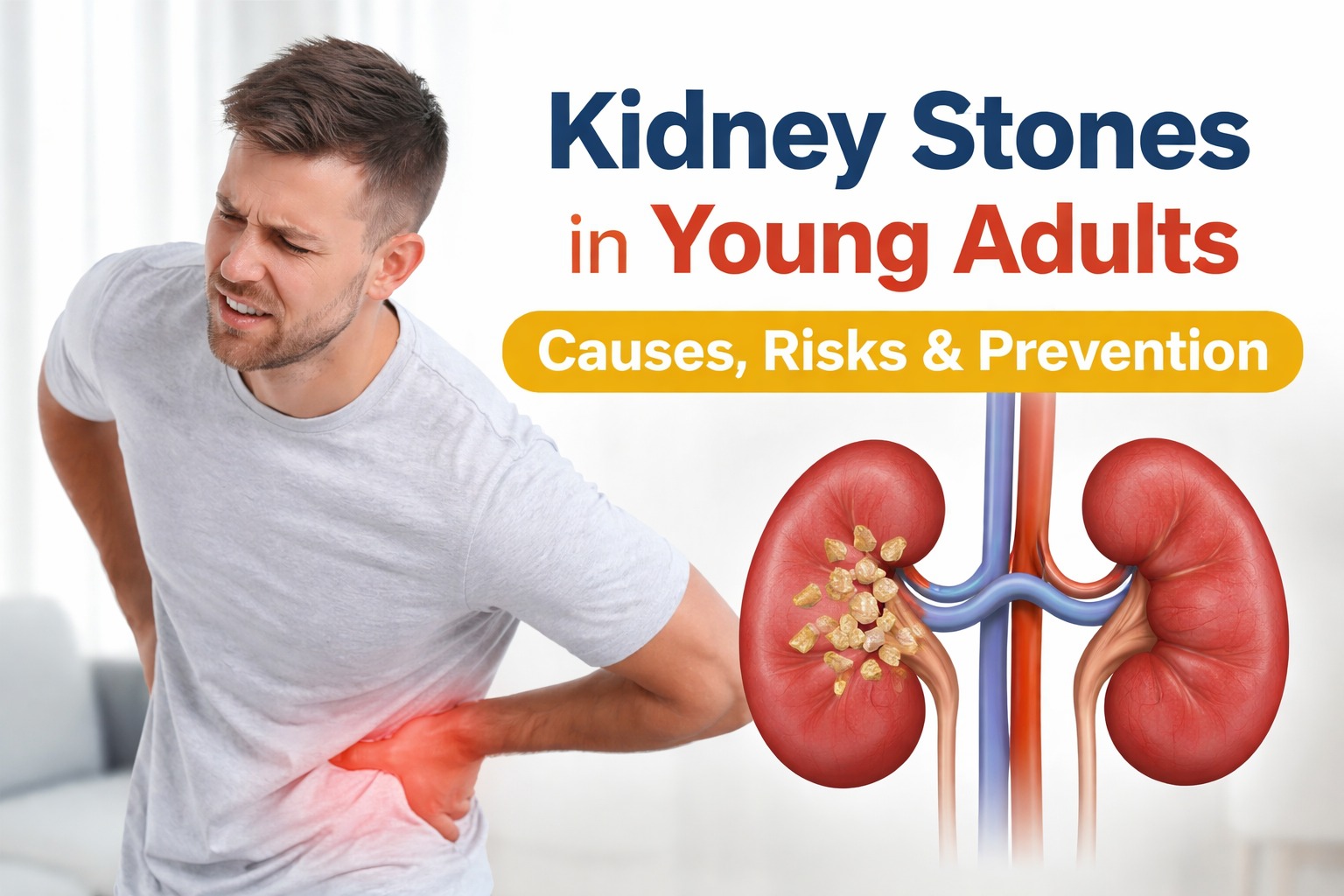
Kidney Stones in Young Adults: Hidden Causes, Risks & Prevention
Kidney stones are no longer a problem limited to older adults. Today, more people in their twenties and thirties are facing sudden, intense pain without warning. What makes this trend more concerning is how silently the risk builds. Daily habits that feel normal—skipping meals, relying on packaged food, or pushing through long work hours—can quietly increase the chances of developing kidney stones.
That sharp pain does not appear overnight. It builds over time.
If these patterns continue unchecked, the consequences can escalate quickly. Understanding what is happening inside the body can help prevent a painful emergency later.
Take control early. Book a kidney health check with Passion Health Primary Care today.
Why Kidney Stones in Young Adults Are Increasing
The rise in kidney stones in young adults is not random. Lifestyle changes over the past decade have altered how the body manages fluids, minerals, and waste.
Young professionals and students often deal with:
Long hours of sitting
Irregular eating schedules
High intake of processed foods
Heavy caffeine consumption
Poor sleep cycles
These habits affect internal balance. Over time, the kidneys struggle to filter waste efficiently. As a result, minerals can accumulate and form stones.
The risk builds slowly. However, the outcome can be sudden and severe.
Kidney Stones in Young Adults and Modern Diet Patterns
Processed Foods and Mineral Imbalance
Packaged and ready-to-eat foods dominate modern diets. They offer convenience but often contain preservatives, excess sodium, and artificial additives.
These substances disturb the body’s natural balance. As a result:
Mineral levels become unstable
Waste filtration becomes less efficient
Urine composition changes
This environment increases the likelihood of stone formation.
Irregular Eating and Metabolic Disruption
Skipping meals or eating late at night disrupts the body’s rhythm. The kidneys rely on stable metabolic patterns to function effectively.
When eating habits become unpredictable:
The body struggles to regulate nutrients
Waste processing becomes inconsistent
Internal balance weakens
Over time, this instability raises the risk of kidney stones in young adults.
Kidney Stones in Young Adults and Caffeine Overload
Caffeine has become a daily necessity for many. Coffee, energy drinks, and pre-workout beverages help people stay alert during long days.
However, excessive intake can create problems.
High caffeine consumption can:
Affect fluid balance
Increase metabolic stress
Alter urine concentration
Energy drinks add another layer of risk due to sugar and chemical additives.
This combination can create conditions that favor stone formation.
Kidney Stones in Young Adults Linked to Sedentary Lifestyle
Long Sitting Hours and Reduced Circulation
Modern work environments require long hours in front of screens. Movement becomes limited.
When physical activity drops:
Circulation slows down
Metabolic efficiency declines
Waste elimination becomes less effective
These changes can influence how the body processes minerals.
Digital Distraction and Ignored Body Signals
Many people ignore basic needs while working or scrolling. They delay meals and overlook hydration.
This pattern affects internal regulation. The body depends on regular input to maintain balance.
Ignoring these signals repeatedly increases long-term risk.
Are Your Daily Habits Putting You at Risk?
If most days include caffeine overload, skipped meals, and long sitting hours, the risk is already building.
Small changes today can prevent severe pain tomorrow.
Do not wait for symptoms. Schedule a preventive consultation with Passion Health Primary Care now.
Kidney Stones in Young Adults and Fitness Trends
High-Protein Diet Pressure
Protein-heavy diets are widely promoted for fitness goals. While protein is essential, excessive intake can increase the workload on the kidneys.
Over time:
Waste byproducts increase
Filtration demand rises
Internal balance shifts
This can contribute to stone formation if not managed carefully.
Supplement Overuse Without Guidance
Protein powders, pre-workouts, and fat burners are easy to access. Many people use them without understanding their impact.
Unregulated use can:
Disrupt mineral balance
Increase metabolic load
Affect kidney processes
Moderation and proper guidance are essential.
Crash Diets and Rapid Weight Loss
Quick-fix diets often involve extreme restrictions. These sudden changes disturb the body’s stability.
As a result:
Metabolism becomes inconsistent
Nutrient processing gets affected
Kidney function faces added stress
This increases vulnerability to kidney stones in young adults.
Work Culture and Kidney Stones in Young Adults
Stress and Unhealthy Eating
Stress influences food choices. Many people turn to salty snacks or sugary foods during busy days.
These choices can:
Affect mineral balance
Increase metabolic strain
Contribute to long-term kidney stress
Sleep Disruption and Hormonal Imbalance
Late nights have become common. Work deadlines and screen time push sleep schedules off track.
Poor sleep affects:
Hormonal balance
Metabolic efficiency
Organ function
This indirect impact can increase the risk of kidney-related issues.
Early Warning Signs You Should Not Ignore
Kidney stones often develop silently. However, certain signs may appear before the condition worsens:
Sharp pain in the lower back or side
Discomfort during urination
Frequent urge to urinate
Cloudy or unusual urine
Ignoring these symptoms can lead to severe complications.
Acting early can prevent emergencies.
Simple Daily Changes to Prevent Kidney Stones in Young Adults
Prevention does not require extreme changes. Consistency matters more than intensity.
Start with these simple habits:
Maintain regular meal timings
Choose fresh, home-prepared foods
Limit excessive caffeine intake
Take short movement breaks during work
Follow a consistent sleep schedule
Use supplements only when necessary
These steps support overall balance and reduce pressure on the kidneys.
Final Thoughts: Small Habits, Big Consequences
Kidney stones in young adults are rising because daily habits have changed. The risk does not come from a single factor. It builds through routine choices made every day.
What feels normal today can become a serious health issue tomorrow.
The good news is that prevention is possible.
Early awareness, simple adjustments, and timely care can make a significant difference.
Do not ignore the warning signs. Book your kidney health consultation with Passion Health Primary Care today and stay ahead of the risk.
Frequently Asked Questions
1. Why are kidney stones becoming common in young adults?
Kidney stones in young adults are increasing due to modern lifestyle habits. Irregular eating, processed foods, high caffeine intake, and long sitting hours affect how the body manages minerals and fluids, which can lead to stone formation over time.
2. Can dehydration increase the risk of kidney stones in young adults?
Yes, low fluid intake can raise the risk. When the body does not get enough water, urine becomes more concentrated. This allows minerals to stick together and form stones more easily.
3. Are energy drinks linked to kidney stones in young adults?
Frequent consumption of energy drinks may contribute to the risk. These beverages often contain high caffeine and sugar, which can affect fluid balance and metabolic processes linked to kidney health.
4. Do gym supplements cause kidney stones in young adults?
Excessive or unnecessary use of supplements like protein powders and pre-workouts can increase the load on the kidneys. Without proper guidance, this may disturb mineral balance and raise the risk of kidney stones.
5. When should someone see a doctor for kidney stone symptoms?
Medical attention is necessary if there is severe back or side pain, pain during urination, or frequent urge to urinate. Early diagnosis helps prevent complications and ensures proper treatment.