Is Coffee Good for Your Liver?
Coffee may support liver health, but it cannot treat fatty liver, high liver enzymes, hepatitis, cirrhosis, or alcohol-related liver damage. Use this quick guide to jump to the section you need.
Key take away
Worried about liver health or high liver enzymes?
Passion Health Advanced Primary Care can review symptoms, lab results, medicines, alcohol history, diabetes risk, and fatty liver concerns.
Your Morning Coffee May Say More About Liver Health Than You Think
Many people start the day with coffee for energy, focus, or comfort. Now, research has made one question more common: is coffee good for your liver?
The answer sounds hopeful, but it needs balance. Coffee may support liver health, and studies link coffee drinking with a lower risk of some liver problems. Still, coffee cannot cure fatty liver disease, hepatitis, cirrhosis, high liver enzymes, or alcohol-related liver damage.
Your liver works every day to process nutrients, filter toxins, manage cholesterol, support digestion, and help control blood sugar. When the liver struggles, symptoms may stay quiet for a long time. That makes regular checkups, blood work, and honest lifestyle conversations important.
If you have high liver enzymes, diabetes, high cholesterol, belly weight, fatigue, right upper belly pain, or a history of heavy alcohol use, Passion Health Advanced Primary Care can help review your liver health.
Patients looking for primary care in Frisco, Irving, Plano, Prosper, Anna, Aubrey, Flower Mound, Ennis, Kaufman, Kemp, Mesquite, McKinney, TX
Is Coffee Good for Your Liver?
Coffee contains natural plant compounds that may help the body handle inflammation and oxidative stress. Researchers have studied coffee in relation to fatty liver disease, liver scarring, cirrhosis, and liver cancer risk.
A large UK Biobank study followed 494,585 participants and found that coffee drinkers had lower adjusted risks of chronic liver disease, fatty liver disease, and death from chronic liver disease compared with non-coffee drinkers. The study showed an association, not a guaranteed cause-and-effect result.
That difference matters. Coffee may fit into a liver-friendly lifestyle, but it should not replace medical care. A person can drink coffee every morning and still develop liver disease from alcohol, viral hepatitis, obesity, insulin resistance, certain medicines, autoimmune disease, or genetics.
Coffee and Fatty Liver: Why Primary Care Matters
Fatty liver disease often develops when extra fat builds up in liver cells. The American Liver Foundation explains that metabolic dysfunction-associated steatotic liver disease, formerly called NAFLD, often connects with increased body fat, diabetes, high cholesterol, and high triglycerides.
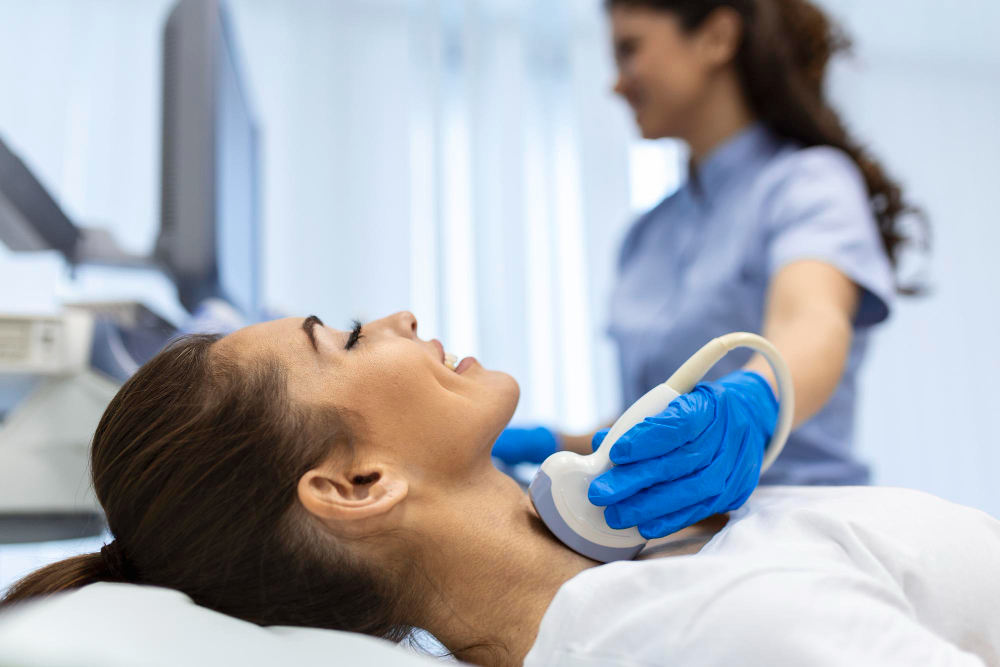
Many patients do not feel early symptoms. A routine blood test may show high ALT or AST before a patient notices pain or fatigue. An ultrasound may also detect fat buildup in the liver.
Coffee may help support liver health, but these daily habits matter more:
Keep blood sugar under control
Lower high triglycerides
Manage cholesterol
Reduce excess belly weight
Choose fiber-rich meals
Limit alcohol
Review medicines and supplements with a clinician
Stay active most days
Complete recommended blood tests
Patients with fatty liver also need heart risk review. Fatty liver often travels with high blood pressure, diabetes, and cholesterol problems. A primary care visit can connect these warning signs before they become bigger health issues.
How Much Coffee May Support Liver Health?
Many studies mention moderate coffee intake, often around 2 to 4 cups per day. The British Liver Trust notes that previous studies found lower liver disease risk among people who drank 3 to 4 cups daily, but it also stresses that coffee alone cannot prevent liver disease.
Black coffee usually gives the cleanest liver-health choice because it avoids extra sugar and heavy cream.
A sweet coffee drink with syrups, whipped cream, and added sugar can turn into a dessert. That type of drink may work against liver health, especially in patients with insulin resistance or fatty liver.
Better options include:
Plain black coffee
Coffee with a small amount of milk
Unsweetened cold brew
Decaf coffee, if caffeine bothers you
Coffee without flavored syrups
Coffee earlier in the day to protect sleep
When Coffee Can Cause Problems
Coffee does not suit every patient. Caffeine can trigger symptoms in people who already struggle with anxiety, reflux, palpitations, high blood pressure, poor sleep, or certain heart rhythm problems.
The FDA says most adults can tolerate up to 400 mg of caffeine per day, but caffeine sensitivity changes from person to person. Medicines, body weight, pregnancy status, medical conditions, and individual metabolism can change what feels safe.
Talk with a doctor before increasing coffee if you have:
Uncontrolled blood pressure
Fast heartbeat or palpitations
Frequent anxiety or panic symptoms
Acid reflux or ulcers
Pregnancy or breastfeeding
Daily medicines that may interact with caffeine
A person who feels shaky, sweaty, anxious, dizzy, or unable to sleep after coffee may need less caffeine, not more.
Coffee Is Not a Liver Detox
Social media often sells “liver detox” drinks, cleanses, powders, and supplements. These products can sound attractive, but the liver does not need a trendy detox plan to work well.
The American Liver Foundation warns that liver damage may show few or no symptoms early, and no magic pill or supplement can cure liver disease by itself. It recommends regular checkups, healthy lifestyle habits, and medical guidance for liver concerns.
Coffee may support liver health, but a real liver plan starts with the basics:
Lab testing when needed
Weight and waist measurement
Diabetes screening
Cholesterol review
Alcohol history
Medication and supplement review
Hepatitis screening when appropriate
Nutrition and exercise guidance
This approach gives your provider a clearer picture. It also helps catch problems before advanced liver damage appears.
Warning Signs That Need a Doctor Visit
Liver problems can stay silent, but certain symptoms need medical attention. Do not wait if symptoms continue, worsen, or appear with abnormal blood work.
Call a primary care doctor if you notice:
Yellow eyes or yellow skin
Ongoing nausea
Right upper belly pain
Swollen belly
Easy bruising
Itchy skin without a clear cause
Unexplained weight loss
Extreme tiredness
Loss of appetite
High liver enzymes on a lab report
These symptoms do not always mean severe liver disease, but they deserve proper evaluation.
Final Takeaway: Is Coffee Good for Your Liver?
So, is coffee good for your liver? For many adults, moderate coffee intake may support liver health and may link with lower risk of certain liver problems.
However, coffee does not cancel out poor sleep, heavy alcohol use, high sugar intake, untreated diabetes, or missed medical follow-up.
The best liver plan combines smart daily habits with regular primary care. Coffee can play a small role, but your liver needs more than one morning drink.
If you have fatty liver risk, high liver enzymes, diabetes, cholesterol problems, alcohol concerns, belly weight, or symptoms that worry you, Passion Health Advanced Primary Care can help evaluate your health and guide the next step.
Our Primary Care Locations
FAQs
1. Is coffee good for your liver?
Coffee may support liver health, but it does not treat liver disease.
2. Can coffee cure fatty liver?
No. Fatty liver needs weight control, healthy food, exercise, and medical follow-up.
3. Is black coffee better for liver health?
Yes, black coffee avoids extra sugar, cream, and calories.
4. How much coffee is safe per day?
Many adults can drink moderate coffee, but caffeine limits depend on health conditions and medicines.
5. When should I see a doctor for liver health?
See a doctor for high liver enzymes, yellow eyes, dark urine, belly swelling, right-side belly pain, or ongoing fatigue.