Could Your Daily Habits Be Triggering Acid Reflux?
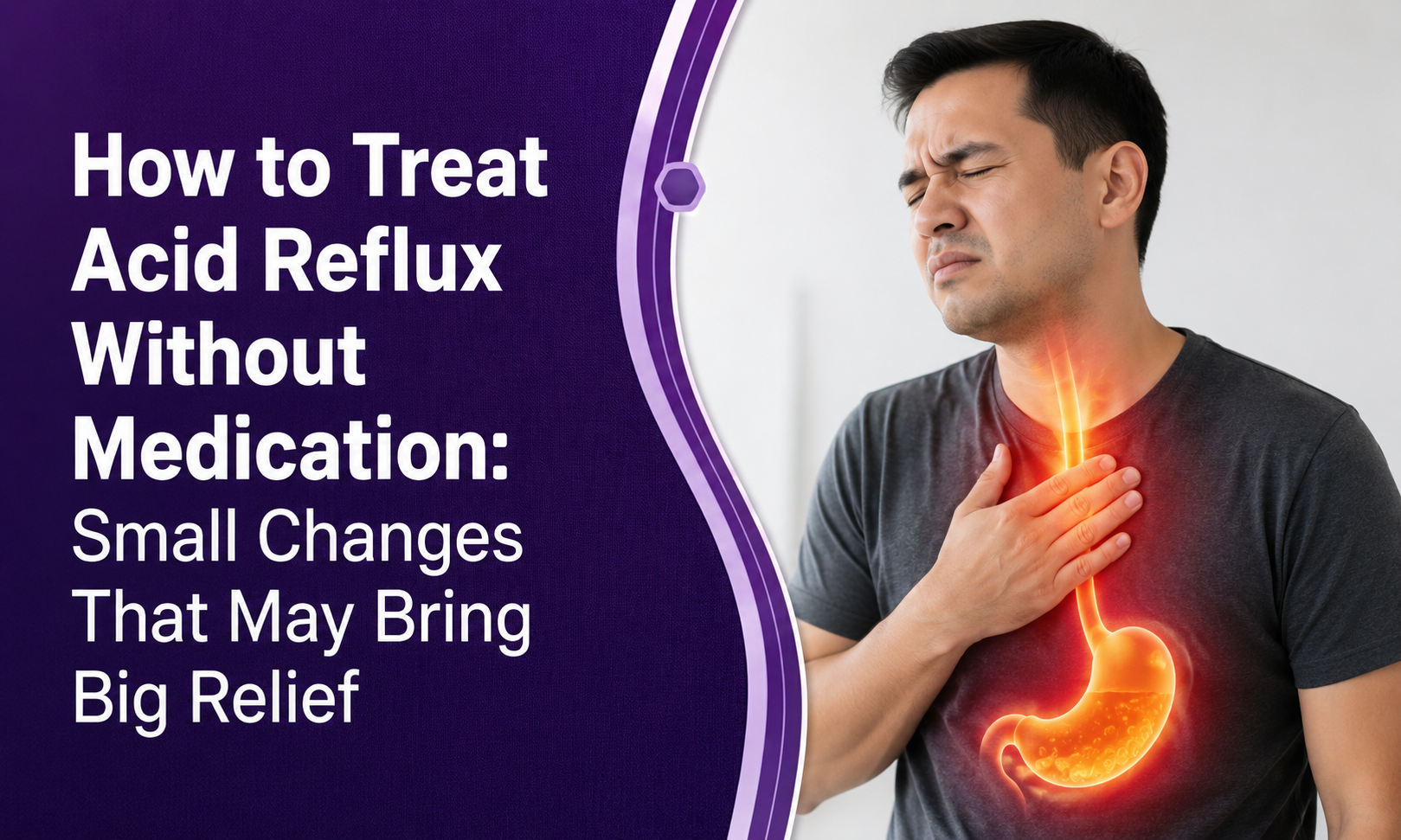
Acid reflux can start as a small burn after dinner. Then it begins to show up at night. Soon, coffee feels risky, spicy food feels scary, and sleep becomes harder.
That pattern matters.
Many people ignore acid reflux because it feels common. However, frequent burning, sour burps, throat clearing, chest discomfort, or nighttime coughing may point to GERD. The good news: simple daily changes can help many people reduce symptoms before they depend on medicine every day.
At Passion Health Advanced Primary Care, our care team helps patients understand reflux triggers, warning signs, and safe next steps.
Book an appointment today if acid reflux keeps coming back, affects sleep, or makes eating uncomfortable.
What Acid Reflux Means
Acid reflux happens when stomach contents move back up into the esophagus. The esophagus does not handle acid as the stomach does, so this backflow can cause burning, irritation, pressure, or a sour taste.
Occasional reflux can happen after a heavy meal. Frequent reflux needs more attention.
GERD means gastroesophageal reflux disease. It may develop when reflux happens often or causes ongoing symptoms. Many people try home steps first, but symptoms that continue deserve medical guidance.
How to Treat Acid Reflux Without Medication Safely
Learning how to treat acid reflux without medication starts with one simple idea: reduce pressure on the stomach and protect the esophagus.
Medication helps some patients, and many people need it for a period of time. Still, lifestyle steps often play a major role. These changes may reduce flare-ups, improve sleep, and help patients feel more in control.
Start small. Do not change everything overnight. Pick two or three habits, track symptoms, and adjust from there.
Common Acid Reflux Symptoms
Acid reflux does not feel the same for every patient. Some people feel burning in the chest. Others notice throat symptoms first.
Watch for:
Burning in the chest after meals
Sour or bitter taste in the mouth
Acid burps
Nausea after eating
Food coming back up
Hoarse voice
Chronic cough
Throat clearing
Trouble sleeping after dinner
Feeling full too quickly
Chest pain can also come from heart problems. Call emergency care right away if chest pain feels severe, spreads to the arm or jaw, or comes with sweating, shortness of breath, dizziness, or weakness.
Why Acid Reflux Gets Worse
Reflux often worsens when the stomach feels too full or when pressure pushes acid upward. Late meals, large portions, tight clothing, smoking, weight gain, alcohol, and certain foods may increase symptoms.
Some medicines can also irritate the esophagus or relax the muscle between the stomach and esophagus. Never stop a prescription on your own. Ask a primary care clinician to review your medication list.
Best Food Changes for Acid Reflux Without Medication
Food triggers vary. One patient may react to coffee. Another may feel fine with coffee but struggle with tomato sauce.
A food diary helps. Write down what you eat, when symptoms start, and how severe they feel. After one or two weeks, patterns often become easier to see.
Trigger | Why It May Worsen Reflux | Better Choice |
Fried foods | Slow digestion and increased fullness | Grilled or baked meals |
Spicy foods | Irritate the esophagus | Mild seasonings |
Tomato sauce | Acidic and common trigger | Light non-tomato sauces |
Citrus fruits | High acid content | Bananas or melon |
Chocolate | May relax the reflux barrier | Oatmeal or low-fat yogurt |
Can trigger symptoms | Smaller serving or low-acid option | |
Soda | Carbonation increases pressure | Water or non-carbonated drinks |
Peppermint | May relax the stomach valve | Ginger or non-mint tea |
You do not need to fear every food on this list. Test your own triggers. Keep meals simple for a few days, then add foods back one at a time.
Eat Smaller Meals to Reduce Reflux
Large meals stretch the stomach. That pressure can push acid upward, especially when you sit bent over or lie down soon after eating.
Try this simple meal strategy:
Eat smaller portions.
Stop before you feel stuffed.
Chew slowly.
Avoid second servings late at night.
Choose lighter dinners.
Drink slowly instead of chugging fluids.
This habit helps many patients because it does not require a strict diet. It gives the stomach more room to digest.
Avoid Late Meals and Nighttime Reflux
Nighttime acid reflux can feel scary. You may wake up coughing, choking, or tasting acid. Lying flat makes reflux easier because gravity no longer helps keep stomach contents down.
Try to finish dinner at least three hours before bed. If you need a snack, choose something small and low-fat.
Better nighttime options may include:
A small banana
Plain oatmeal
Low-fat yogurt if tolerated
Whole-grain toast
A few crackers
Avoid heavy late snacks such as pizza, fried foods, spicy leftovers, chocolate desserts, or large dairy portions.
Sleep Position Tips for Acid Reflux
Sleep position can make a big difference. Many patients stack pillows, but that can bend the neck and waist. Bending may increase stomach pressure.
A wedge pillow or bed elevation usually works better.
Try these steps:
Raise the head of the bed 6 to 8 inches.
Use a wedge pillow if bed blocks are not possible.
Avoid lying flat right after meals.
Try sleeping on the left side.
Keep dinner lighter than lunch.
These changes may help reduce acid movement during sleep.
How to Treat Acid Reflux Without Medication During the Day
Daytime habits matter too. Reflux does not only come from dinner.
After meals, stay upright. A slow walk can support digestion and may reduce reflux. Avoid heavy lifting, intense exercise, or deep bending soon after eating.
Also check your clothing. Tight belts, shapewear, or waistbands can squeeze the stomach and worsen reflux after meals.
Small daytime changes can help:
Walk for 10 to 15 minutes after meals.
Sit upright after eating.
Avoid bending right after meals.
Wear comfortable clothing around the waist.
Sip water through the day.
Healthy Weight and Acid Reflux
Extra pressure around the abdomen can push stomach contents upward. For some patients, even modest weight loss may reduce reflux symptoms.
This does not mean every patient with reflux needs weight loss. It means weight can play a role for some people.
A primary care visit can help you review weight, food habits, sleep, activity level, and other health risks. That approach works better than crash dieting. Fast diets often worsen reflux because they may involve skipping meals, eating late, or relying on trigger foods.
Stop Smoking to Protect the Esophagus
Smoking can worsen reflux and irritate the esophagus. It may also increase coughing, which can push acid upward.
Quitting smoking helps far more than reflux. It supports heart health, lung health, cancer prevention, and overall healing.
If quitting feels hard, ask for help. Primary care can guide safe options and support a realistic plan.
Acid Reflux Drinks: What Helps and What Hurts
Drinks can trigger reflux just like food.
Carbonated drinks may increase stomach pressure. Alcohol can relax the reflux barrier and irritate the digestive tract. Coffee and tea may bother some patients, though sensitivity varies.
Drink | Reflux-Friendly Tip |
Water | Sip through the day |
Coffee | Reduce the size first |
Tea | Avoid peppermint if it triggers symptoms |
Soda | Replace with still water |
Alcohol | Limit during flare-ups |
Citrus juice | Try non-citrus options |
Do not force yourself into a perfect diet. Reflux control works best when your plan fits real life.
When Home Care Is Not Enough
Lifestyle steps may help mild acid reflux. However, ongoing symptoms need medical care.
Schedule a visit if you notice:
Warning Sign | Why It Matters |
Symptoms more than twice a week | Could suggest GERD |
Trouble swallowing | Needs evaluation |
Food feels stuck | May signal narrowing or irritation |
Unexplained weight loss | Needs medical review |
Vomiting blood | Urgent warning sign |
Black stools | Could suggest bleeding |
Chest pain | Must rule out heart causes |
Night symptoms often | Can affect sleep and the airway |
Do not wait months if symptoms keep returning. Early care can prevent longer discomfort and help identify other causes.
Can Acid Reflux Go Away Without Medication?
Sometimes, yes. Mild reflux may improve when patients change meal size, timing, triggers, weight, smoking, and sleep position.
Other times, lifestyle changes reduce symptoms but do not fully control them. In that case, a clinician may recommend short-term medicine, testing, or specialist care.
The goal is not to avoid medicine at all costs. The goal is to treat reflux safely and correctly.
What a Primary Care Visit Can Do
A primary care clinician can help you understand whether your symptoms match acid reflux, GERD, gastritis, medication irritation, gallbladder problems, anxiety-related chest tightness, or another condition.
During a visit, your care team may ask about symptom timing, food triggers, sleep habits, medication use, weight changes, smoking, alcohol use, chest pain, trouble swallowing, and previous reflux treatment.
Simple 7-Day Acid Reflux Reset Plan
Try this gentle reset for one week.
Start with a diary: Write down your meals, drinks, and acid reflux symptoms.
Next, reduce portion size: Eat smaller meals and stop before you feel full.
On the third day: Avoid eating three hours before bedtime.
Midweek step: Skip soda and carbonated drinks.
For better sleep: Raise your upper body at night with a wedge pillow or bed elevation.
After meals: Take a short, gentle walk instead of lying down.
At the end of the week: Review your triggers and plan a doctor visit if symptoms continue.
This plan will not fix every case, but it can reveal patterns fast.
Final Thoughts
Knowing how to treat acid reflux without medication can help you take control before symptoms become a daily problem. Start with smaller meals, earlier dinners, trigger tracking, upright posture, better sleep position, and healthy weight support when needed.
Still, reflux that keeps coming back deserves attention. Your body may be giving you an early warning.
Don’t let acid reflux disturb your meals, sleep, or daily comfort. Get personalized care from Passion Health Advanced Primary Care and take the right next step for relief.
FAQs
1. What is the fastest way to reduce acid reflux without medication?
Sit upright, loosen tight clothing, sip water, and avoid lying down. A short, gentle walk may help after eating. Seek urgent care for severe chest pain or breathing trouble.
2. What foods calm acid reflux?
Many people tolerate oatmeal, bananas, melon, brown rice, lean proteins, green vegetables, and low-fat meals. Trigger foods vary, so tracking symptoms helps.
3. Is milk good for acid reflux?
Milk may soothe briefly, but high-fat milk can worsen reflux for some people. Low-fat options may work better if you tolerate dairy.
4. Can stress cause acid reflux?
Stress may worsen eating habits, sleep, muscle tension, and symptom awareness. Managing stress may help reduce flare-ups.
5. When should I see a doctor for acid reflux?
See a doctor if reflux happens often, wakes you at night, causes trouble swallowing, or does not improve with lifestyle changes. Get urgent help for chest pain, vomiting blood, black stools, or sudden weakness.