Hydroxyzine and Anxiety: When Calm Feels Uncomfortable
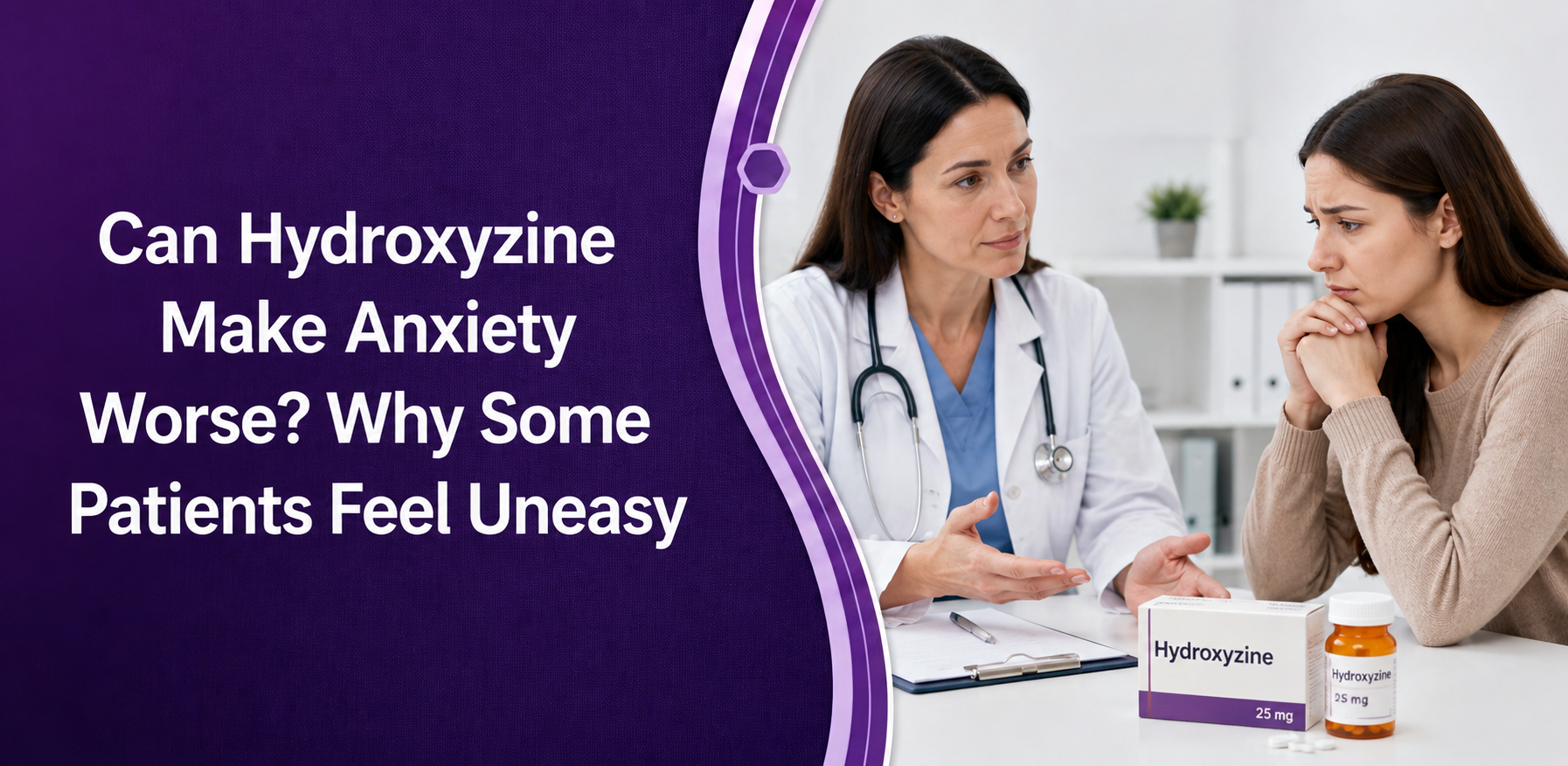
Hydroxyzine often helps people feel calmer, but some patients still ask an important question: Can hydroxyzine cause more anxiety? That worry makes sense. When a medicine affects the brain, sleep, alertness, and heart rhythm, the body can feel different. Some people feel relief. Others feel too sleepy, foggy, restless, or uncomfortable. Those feelings can trigger more fear, especially in patients who already struggle with anxiety.
If anxiety symptoms feel worse after starting hydroxyzine, do not guess or change the dose alone. Book an appointment with Passion Health Advanced Primary Care so a care team can review your symptoms, medications, health history, and next safe step.
What Is Hydroxyzine?
Hydroxyzine is a prescription antihistamine that doctors may use for itching, allergies, hives, anxiety, nausea, sleep-related symptoms, or calming before a procedure.
It works by blocking histamine and creating a calming effect in the brain, which is why some patients take it for anxiety. However, hydroxyzine is usually not a daily long-term anxiety medicine.
The safest use depends on your age, health history, heart risk, sleep habits, and other medications.
Can Hydroxyzine Cause More Anxiety?
Hydroxyzine can help with anxiety for many patients, but it may make some people feel more anxious. Side effects like drowsiness, dizziness, brain fog, dry mouth, or feeling “not like myself” can trigger fear or panic. If anxiety feels worse after taking hydroxyzine, talk with a doctor about safer next steps.
Why Hydroxyzine May Feel Worse for Some Anxiety Patients
Hydroxyzine can affect each person differently. Body weight, age, liver and kidney function, other medications, sleep quality, alcohol use, and anxiety severity can all change how a patient feels after taking it.
1. Drowsiness Can Feel Scary
Hydroxyzine can cause sleepiness.
Some patients may feel slow, heavy, or disconnected.
That body change may trigger panic in people who fear losing control.
2. Dizziness Can Trigger Panic
Hydroxyzine may cause dizziness or lightheadedness.
Anxiety patients may worry about fainting or falling.
Even mild dizziness can feel intense during anxiety.
3. Dry Mouth Can Feel Like Breathing Trouble
Dry mouth can happen with hydroxyzine.
Some patients may feel throat discomfort or tightness.
This can increase anxiety, especially if they fear breathing problems.
4. No Relief Can Increase Fear
Hydroxyzine may not work well for every anxiety pattern.
If symptoms do not improve, patients may worry more.
Severe anxiety, panic attacks, or medical causes may need a different plan.
5. Next-Day Sleepiness Can Affect Mood
Some patients feel groggy the next morning.
Tiredness can affect work, driving, school, and daily tasks.
Poor alertness may increase stress and make anxiety feel worse.
Hydroxyzine Side Effects Patients Should Know
Hydroxyzine side effects can vary. Common side effects may include:
Sleepiness
Dizziness
Dry mouth
Tiredness
Blurred vision
Nausea
Trouble focusing
Confusion, especially in older adults
These side effects may feel stronger when a patient starts the medicine, takes a higher dose, uses alcohol, or combines hydroxyzine with other medicines that cause sedation..
Serious Warning Signs After Taking Hydroxyzine
Most patients do not experience severe reactions. Still, some symptoms need quick medical attention.
Contact a doctor right away or seek urgent care for:
Fast, pounding, or irregular heartbeat
Fainting or near-fainting
Severe dizziness
Trouble breathing
Swelling of the face, lips, tongue, or throat
Severe rash or blistering skin
Confusion that feels unusual or sudden
Severe sleepiness that feels unsafe
Hydroxyzine has important heart rhythm warnings. Patients with a prolonged QT interval, certain heart rhythm problems, low potassium or magnesium, heart disease, or medicines that affect rhythm need careful review before using it.
Hydroxyzine and Anxiety: When It May Help
Hydroxyzine may help short-term anxiety symptoms linked with tension, restlessness, trouble settling down, or itching-related discomfort. However, anxiety that keeps returning, causes panic attacks, disrupts sleep, or affects daily life may need a different treatment plan.
A strong anxiety care plan may include:
Medication review
Blood pressure check
Thyroid testing when symptoms suggest it
Sleep assessment
Counseling or therapy referral
Lifestyle support
Safer medication adjustment when needed
Doctor’s Insight: Anxiety Symptoms Can Look Like Medication Side Effects
Anxiety symptoms and hydroxyzine side effects can feel similar, so patients may not always know what is causing the problem.
Anxiety can cause dizziness, dry mouth, racing heart, nausea, sweating, chest tightness, and sleep trouble.
Hydroxyzine can also cause dizziness, dry mouth, sleepiness, and brain fog.
Write down when you take hydroxyzine, your dose, symptoms before and after, sleep, stress, caffeine, alcohol, food, and other medicines.
Bring that list to your appointment so the clinician can see patterns clearly.
Symptoms after each dose may suggest side effects.
Symptoms before the dose may suggest anxiety needs better control.
Symptoms after caffeine, missed meals, poor sleep, or stress may point to outside triggers.
Can Hydroxyzine Cause Panic Attacks?
Hydroxyzine does not commonly cause panic attacks, but some patients may feel panicky after taking it.
Sedation, dizziness, or body changes can trigger fear in anxiety-sensitive patients.
If hydroxyzine does not fully stop a panic attack, it may feel like the medicine made it worse.
Tell your doctor if panic symptoms increase, so they can review your dose, timing, other medicines, and safer options.
Hydroxyzine With Alcohol and Other Medicines: Safety Risks
Topic | Why Patients Need Caution | What Patients Should Do |
Hydroxyzine and Alcohol | Alcohol can make hydroxyzine’s sedating effects stronger, increasing drowsiness, dizziness, confusion, and unsafe driving risk. | Ask a doctor or pharmacist before drinking alcohol while taking hydroxyzine. Avoid driving or risky tasks if you feel sleepy, dizzy, or slowed down. |
Why It Matters for Anxiety Patients | Alcohol may calm anxiety briefly, but mixing it with hydroxyzine can worsen symptoms later and increase tiredness, confusion, and mood changes. | Do not use alcohol as an anxiety treatment. Talk with a clinician if anxiety symptoms continue or worsen. |
Hydroxyzine With Other Medicines | Hydroxyzine can interact with medicines that cause drowsiness or affect heart rhythm. Mixing sedating medicines can increase safety risks. | Tell your doctor about all prescription medicines, over-the-counter medicines, vitamins, supplements, alcohol, and cannabis products. |
Examples to Mention | Hydroxyzine may interact with sedating medicines, some antibiotics, antidepressants, nausea medicines, seizure medicines, cannabis, and QT-prolonging drugs. | Never combine hydroxyzine with other sedating medicines unless your doctor says it fits your treatment plan. |
Who Should Be More Careful With Hydroxyzine?
Some patients need extra caution before using hydroxyzine. This includes people with:
Heart rhythm problems
Prolonged QT interval
Family history of sudden rhythm problems
Low potassium or magnesium
Liver disease
Glaucoma
Urination problems
Severe sleepiness from other medicines
Pregnancy or plans for pregnancy
Breastfeeding
Older age with fall risk or confusion risk
What To Do If Hydroxyzine Makes Anxiety Feel Worse
If hydroxyzine makes anxiety feel worse, do not take extra doses, avoid alcohol and driving if sleepy or dizzy, write down your symptoms, and contact your prescribing doctor.
Tell your doctor:
When you took hydroxyzine
How much did you take
Why did you take it
What symptoms happened
How long do symptoms last
What other medicines have you used
Whether you had caffeine, alcohol, or poor sleep
Whether you felt chest pain, fainting, or irregular heartbeat
This information helps your care team decide whether hydroxyzine still fits your care plan.
When Anxiety Needs a Full Medical Review
Anxiety can come from stress, panic disorder, depression, poor sleep, thyroid problems, heart rhythm changes, medication side effects, stimulant use, hormone changes, low blood sugar, or other medical causes. A quick prescription does not always solve the root problem.
Schedule a medical visit if anxiety:
Keeps getting worse
Causes panic attacks
Affects sleep often
Causes chest discomfort
Comes with weight loss, shaking, or heat intolerance
Starts after a new medicine
Increases after alcohol or caffeine
Causes fear of driving, working, or leaving home
Does not improve with current treatment
Primary care can help connect the dots. A clinician can review symptoms, check vital signs, review medications, and order labs when needed.
Safer Questions To Ask Your Doctor
Bring clear questions to your appointment. Ask:
Could hydroxyzine cause my symptoms?
Should I take it at a different time?
Could another medicine interact with it?
Do I have any heart rhythm risk factors?
Should I avoid alcohol completely while using it?
Could my anxiety come from thyroid, sleep, or blood pressure problems?
What should I do if hydroxyzine does not help?
What symptoms mean I should seek urgent care?
These questions help you avoid guessing and make better decisions with your doctor.
Final Takeaway
Hydroxyzine can make anxiety feel worse for some patients due to side effects, poor symptom control, medication interactions, or fear of body changes. For other patients, hydroxyzine helps with anxiety and creates a useful short-term calm.
The safest answer depends on the person, not only the medicine. Anxiety care works best when a clinician reviews symptoms, medical history, medications, heart risk, sleep, and lifestyle triggers.
If hydroxyzine makes you feel worse, feels too strong, does not help anxiety, or causes scary symptoms, do not manage it alone. Book an appointment with Passion Health Advanced Primary Care today. Our care team can review your symptoms, check possible causes, and guide your next safe step.
FAQs
1. Can hydroxyzine cause more anxiety?
Yes. Some patients may feel more anxious if side effects like drowsiness, dizziness, dry mouth, or brain fog make the body feel unusual.
2. Is hydroxyzine used for anxiety?
Yes. Doctors may prescribe hydroxyzine for anxiety or tension, but it may not work for every patient or every type of anxiety.
3. Why does hydroxyzine make me feel strange?
Hydroxyzine can cause sleepiness, dizziness, tiredness, dry mouth, or trouble focusing, especially when starting it or mixing it with other sedating medicines.
4. Can I drink alcohol with hydroxyzine?
Patients should avoid alcohol unless a doctor says it is safe. Alcohol can increase drowsiness, dizziness, confusion, and unsafe driving risk.
5. What should I do if hydroxyzine makes my anxiety worse?
Do not change the dose on your own. Write down your symptoms, dose, timing, sleep, caffeine, alcohol, and other medicines, then talk with a doctor.