
Norovirus Symptoms Outbreak: When a Stomach Bug Needs Primary Care
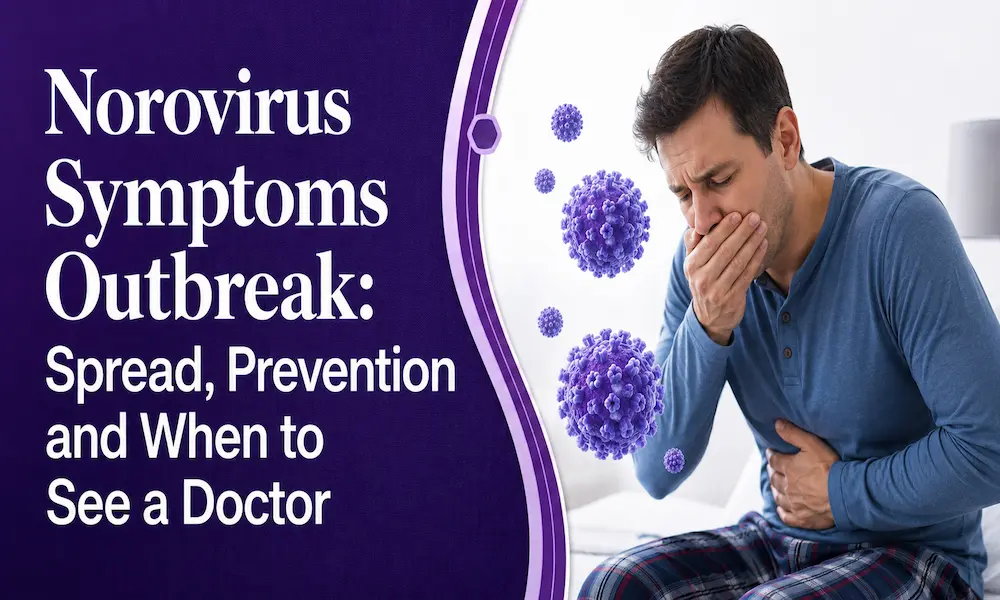
A norovirus symptoms outbreak can start suddenly. One person may feel normal in the morning and develop vomiting, watery diarrhea, nausea, stomach cramps, and weakness later that day.
Recent reports about Princess Cruises norovirus cases have brought more attention to stomach virus outbreaks.
Norovirus can still spread in any close-contact setting, including homes, schools, restaurants, offices, and senior living communities.
Many people call norovirus a “stomach bug,” but it spreads much faster than a simple upset stomach. It can move through homes, schools, offices, restaurants, senior living communities, daycare centers, and travel settings.
If you or a family member has vomiting, diarrhea, dizziness, dry mouth, dark urine, or trouble keeping fluids down, Passion Health Advanced Primary Care can help check symptoms, dehydration risk, and safe next steps.
Feeling sick with stomach virus symptoms?
Patients looking for primary care in Frisco, Irving, Plano, Prosper, Aubrey, Flower Mound, Ennis, Kaufman, Kemp, and McKinney.
What Is Norovirus?
Norovirus is a very contagious virus that causes vomiting and diarrhea. The CDC explains that norovirus can cause acute gastroenteritis, which means inflammation of the stomach or intestines.
This virus does not need much exposure to spread. A person can get sick after touching a contaminated surface, eating contaminated food, drinking contaminated water, or having close contact with someone who already has symptoms.
Norovirus does not relate to influenza, even though some people call it the “stomach flu.” The flu affects the respiratory system. Norovirus mainly affects the stomach and intestines.
Common Norovirus Symptoms
A norovirus symptom outbreak often includes sudden vomiting, watery diarrhea, stomach cramps, and nausea. Some people also feel tired, achy, chilled, or slightly feverish.
Symptoms may include:
Vomiting
Watery diarrhea
Nausea
Belly cramps
Low fever
Headache
Body aches
Weakness
Dry mouth
Dark urine
Mayo Clinic notes that diarrhea, stomach pain, and vomiting usually begin 12 to 48 hours after exposure and often last 1 to 3 days.
A mild case may improve with fluids and rest. A stronger case can drain the body quickly, especially when vomiting and diarrhea happen together.
How Long Does Norovirus Last?
Most people feel better within 1 to 3 days. Weakness may last longer when the body loses too much fluid.
Children, older adults, and people with diabetes, kidney disease, heart disease, or immune system problems need extra caution. These patients may dehydrate faster or struggle more with fluid loss.
Call a primary care doctor if diarrhea lasts more than 2 to 3 days, vomiting will not stop, or you cannot keep fluids down. Dizziness, confusion, very dark urine, dry mouth, severe stomach pain, blood in stool, or high fever also need medical attention.
At Passion Health Advanced Primary Care, a provider can review your symptoms, check for dehydration, discuss your medical history, and guide safe next steps.
Why Cruise Norovirus Outbreaks Get Attention
Cruise outbreaks get attention because many people stay close together in one shared space. Passengers often use the same dining areas, elevators, bathrooms, handrails, door handles, and activity areas.
The CDC Vessel Sanitation Program tracks gastrointestinal illness outbreaks on cruise ships and helps guide prevention and control steps in cruise settings.
Still, cruise ships do not cause norovirus by themselves. Norovirus can pass between people in everyday places where meals, restrooms, shared objects, or close contact make germs easier to transfer.
A norovirus outbreak at home can affect several family members within a short time. One sick person may contaminate bathroom surfaces, towels, phones, counters, or kitchen areas. Quick cleaning and thorough handwashing can reduce spread.
How Norovirus Spreads
Norovirus spreads through tiny particles from stool or vomit. These particles can reach hands, food, water, and surfaces.
Common spread routes include:
Close contact with a sick person
Touching contaminated surfaces
Eating contaminated food
Drinking contaminated water
Sharing utensils, cups, or towels
Poor handwashing after bathroom use
Hand sanitizer may help in some situations, but soap and water work better for removing norovirus from hands. Families should wash hands often, especially after bathroom use, diaper changes, cleaning vomit or diarrhea, and before eating.
Can Norovirus Become Serious?
Most healthy adults recover without major problems. Dehydration creates the biggest risk.
Vomiting and diarrhea remove water and salts from the body. A person may feel dizzy, weak, confused, very thirsty, or unable to urinate normally when dehydration gets worse.
Patients with diabetes may also notice blood sugar changes when they cannot eat or drink well. People with kidney disease or heart disease may need careful fluid guidance. A primary care visit helps these patients avoid unsafe home care decisions.
Norovirus Prevention Steps
CDC guidance says sick people should not prepare food, handle food, or care for others until at least 48 hours after symptoms stop.
Use these prevention steps:
Wash hands with soap and water for at least 20 seconds.
Clean bathrooms, counters, faucets, and doorknobs.
Wash dirty towels, clothes, and bedding carefully.
Avoid cooking for others while sick.
Stay home during vomiting or diarrhea.
Do not share cups, utensils, or towels.
Keep sick family members away from food prep areas.
These steps matter during a norovirus symptoms outbreak because the virus spreads quickly before families realize how contagious it can be.
What to Eat and Drink With Norovirus
Fluids matter most. Small sips often work better than large drinks.
Try oral rehydration solution, water, broth, ice chips, diluted electrolyte drinks, bananas, rice, applesauce, toast, crackers, and plain soup.
Avoid alcohol, greasy foods, heavy dairy, and very sugary drinks while vomiting or diarrhea continues. These choices can upset the stomach more.
Antibiotics do not treat norovirus because a virus causes the illness. Some patients may need medicine for nausea or diarrhea after a clinician reviews symptoms and health history.
When to See a Primary Care Doctor
You should contact a primary care clinic when symptoms feel stronger than a normal stomach bug.
See a doctor if you notice:
Diarrhea longer than 2 to 3 days
Vomiting that will not stop
Trouble keeping fluids down
Dizziness or confusion
Very dark urine
Dry mouth
Blood in stool
Severe stomach pain
High fever
Weakness in an older adult or child
A primary care provider can check vital signs, hydration status, medication risks, and whether testing or follow-up care may help.
Norovirus Care Near Me in North Texas
Patients in Frisco, Irving, Plano, Prosper, Aubrey, Flower Mound, Ennis, Kaufman, Kemp, McKinney, TX, and nearby North Texas areas can visit Passion Health Advanced Primary Care for vomiting, diarrhea, dehydration concerns, and stomach virus evaluation.
Our primary care team can help you understand whether symptoms fit a stomach virus, food-related illness, medication issue, dehydration problem, or another health concern.
Final Takeaway
A norovirus symptom outbreak can spread fast and make people feel sick within hours. Cruise outbreaks get public attention, but families also need practical guidance for home, work, school, daycare, restaurants, and travel.
Fluids, rest, handwashing, and careful cleaning help many people recover. Severe vomiting, ongoing diarrhea, dizziness, dark urine, blood in stool, or chronic health conditions need medical guidance.
Passion Health Advanced Primary Care can help evaluate stomach virus symptoms, dehydration risk, and safe next steps for patients across North Texas.
Worried about vomiting, diarrhea, or dehydration?
FAQs
1. What are the first signs of norovirus?
Sudden vomiting, watery diarrhea, nausea, stomach cramps, weakness, and mild fever can appear first.
2. How long does norovirus usually last?
Most people feel better in 1 to 3 days, but weakness may last longer after fluid loss.
3. How does norovirus spread?
Norovirus spreads through close contact, contaminated food, shared surfaces, poor handwashing, and vomit or stool particles.
4. Can norovirus cause dehydration?
Yes. Vomiting and diarrhea can cause dehydration, especially in children, older adults, and people with chronic health conditions. Dark urine, dizziness, dry mouth, and extreme thirst need medical care.
5. When should I see a doctor for norovirus symptoms?
See a doctor if vomiting will not stop, diarrhea lasts over 2 to 3 days, or dehydration signs appear.