Back Pain in Women: 6 Causes You Shouldn’t Ignore
Key takeaways
- Back pain in women can be linked to hormonal changes, pregnancy, endometriosis, or osteoporosis.
- Back pain that persists or appears with other symptoms should be evaluated by a clinician.
- Urinary or kidney problems can sometimes cause back pain, so urinary changes deserve a check.
- Treatment often includes physical therapy, pain management, and lifestyle changes.
- Regular activity, good posture, core strength, and bone health support long-term back health.
On this page
- Back Pain in Women: 6 Causes You Shouldn’t Ignore
- Why Back Pain Is Common in Women
- Common Causes of Back Pain in Women
- Symptoms That Should Not Be Ignored
- When to See a Doctor
- Diagnosis of Back Pain in Women
- Treatment Options for Back Pain in Women
- Preventing Back Pain in Women
- Final Thoughts
- Frequently Asked Questions
Back pain is often dismissed as a temporary discomfort caused by poor posture or long hours of work. However, for many women, back pain can be a warning sign of underlying health issues that should not be ignored. Hormonal changes, pregnancy, bone health, reproductive conditions, and lifestyle factors can all contribute to back pain in women.
Studies referenced by the World Health Organization show that musculoskeletal conditions such as back pain are among the leading causes of disability worldwide, affecting millions of women across different age groups.
Understanding the real causes behind back pain in women can help ensure early diagnosis and proper treatment before complications develop.
Why Back Pain Is Common in Women
Women experience back pain differently from men due to several biological and hormonal factors. The female body undergoes hormonal fluctuations, pregnancy-related changes, and bone density variations, all of which influence spinal health.
Medical research from the National Institutes of Health suggests that women may have a higher risk of chronic pain conditions, including lower back pain, due to hormonal influences and differences in musculoskeletal structure.
Common Causes of Back Pain in Women
Hormonal Changes
Hormonal fluctuations during menstruation, pregnancy, and menopause can affect muscles and ligaments.
During the menstrual cycle, prostaglandins released by the body can cause uterine contractions that radiate pain into the lower back. Many women notice back discomfort during their periods.
Hormonal changes may also cause muscle tension and inflammation, leading to temporary or recurring back pain.
Pregnancy-Related Back Pain
Pregnancy is one of the most common causes of back pain in women.
As pregnancy progresses, the body undergoes major physical changes:
- weight gain
- shifting center of gravity
- stretching of abdominal muscles
- increased pressure on the spine
Many pregnant women experience some form of back pain, especially in the second and third trimesters.
Endometriosis
Endometriosis is a condition in which tissue similar to the uterine lining grows outside the uterus.
This can cause:
- severe pelvic pain
- lower back pain
- painful periods
- pain during intercourse
The pain may radiate to the lower back and hips, making it difficult to identify the exact cause without medical evaluation.
Osteoporosis
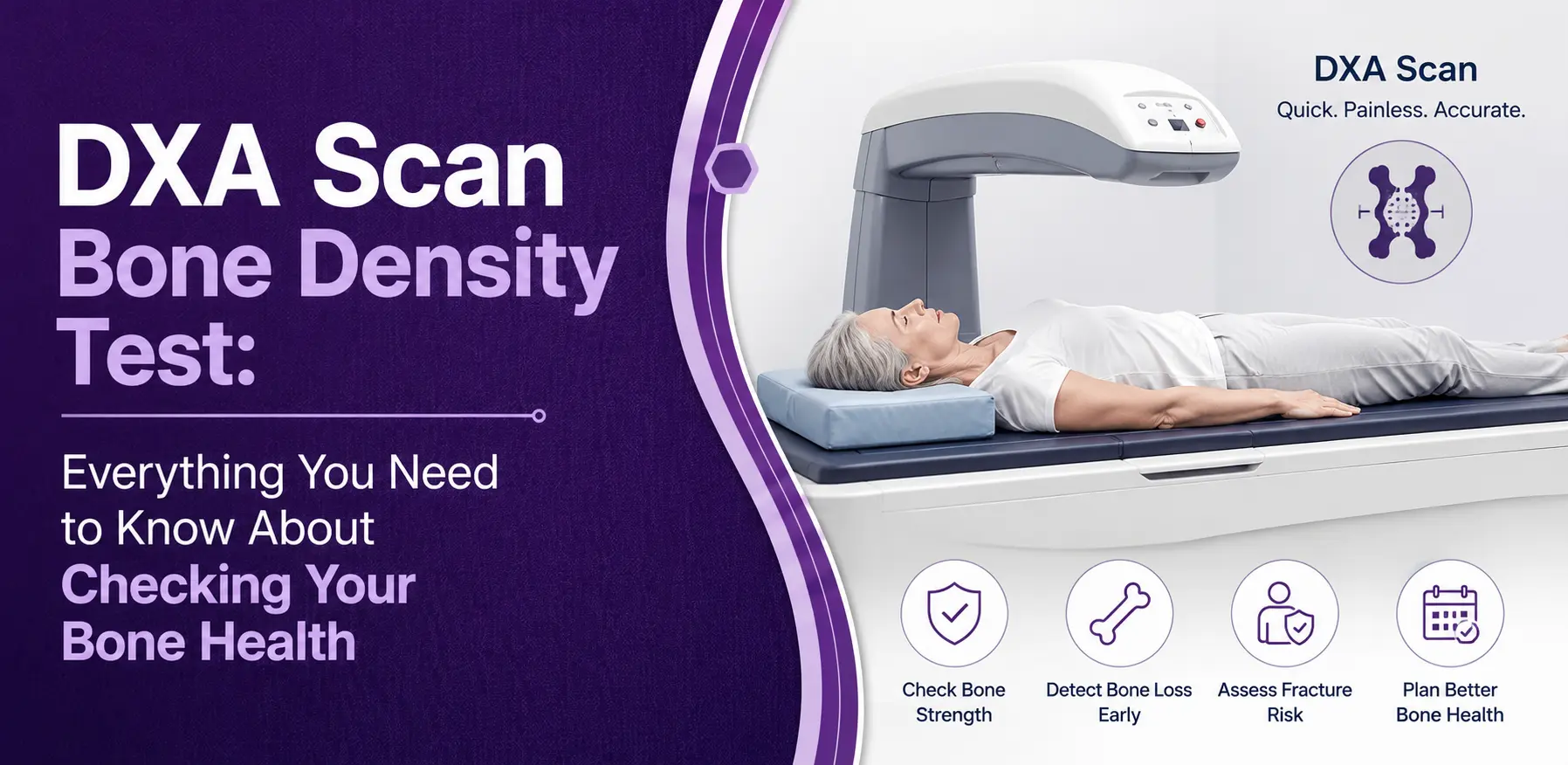
Osteoporosis is a condition where bones become weak and fragile.
Women are more likely to develop osteoporosis, especially after menopause due to decreased estrogen levels.
Fragile bones increase the risk of spinal compression fractures, which can cause sudden or chronic back pain.
The Centers for Disease Control and Prevention notes that osteoporosis affects millions of women in the United States, making bone health a critical factor in back pain prevention.
Poor Posture and Sedentary Lifestyle
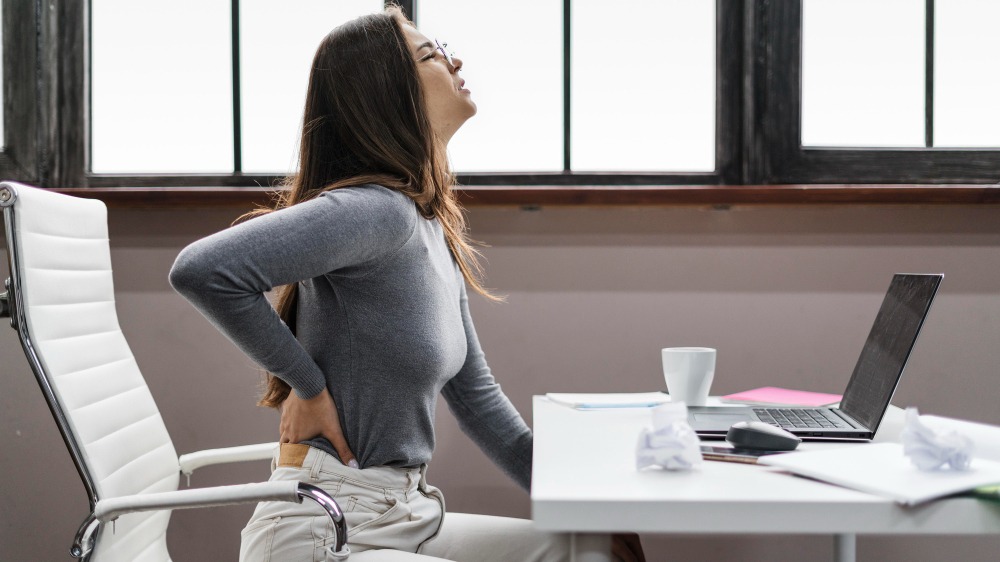
Modern work environments often require long hours of sitting, which can strain the spine.
Poor posture while working on computers or using mobile phones may lead to:
- muscle strain
- spinal misalignment
- chronic lower back pain
Weak core muscles also reduce the body’s ability to support the spine properly.
Urinary or Kidney Problems
In some cases, back pain may not originate from the spine at all.
Kidney infections or kidney stones can cause sharp pain in the lower back or side of the body.
These conditions often occur along with other symptoms such as:
- fever
- nausea
- painful urination
- fatigue
Symptoms That Should Not Be Ignored
While mild back pain may improve with rest and stretching, certain symptoms require medical attention.
Warning signs include:
- persistent pain lasting more than 2–3 weeks
- pain accompanied by fever or weight loss
- numbness or weakness in the legs
- severe pain during menstruation
- difficulty walking or standing
These symptoms may indicate nerve compression, reproductive conditions, or systemic health problems.
When to See a Doctor
You should consult a healthcare professional if back pain:
- interferes with daily activities
- worsens over time
- occurs after an injury
- radiates down the legs
- is associated with pelvic pain or irregular menstrual cycles
Early medical evaluation can prevent long-term complications.
Diagnosis of Back Pain in Women
Doctors may use several methods to diagnose the cause of back pain.
Medical History
Understanding symptoms, menstrual history, lifestyle, and pregnancy history.
Physical Examination
Assessing muscle strength, posture, flexibility, and nerve function.
Imaging Tests
Doctors may recommend:
- X-rays
- MRI scans
- ultrasound
- CT scans
These tests help identify structural problems, fractures, or reproductive conditions.
Treatment Options for Back Pain in Women
Treatment depends on the underlying cause and severity of symptoms.
Physical Therapy
Targeted exercises strengthen the back and core muscles.
Benefits include:
- improved posture
- reduced pain
- better spinal support
- improved flexibility
Pain Management
Doctors may recommend medications such as:
- anti-inflammatory medications
- muscle relaxants
- topical pain relievers
Medication should be taken under medical supervision.
Lifestyle Changes
Healthy lifestyle habits play a major role in preventing chronic back pain.
Important steps include:
- maintaining healthy body weight
- exercising regularly
- improving workplace ergonomics
- practicing proper lifting techniques
Hormonal and Gynecological Treatment
If back pain is related to reproductive health conditions such as endometriosis or hormonal imbalance, specialized treatment may be required.
Treatment options may include:
- hormonal therapy
- gynecological care
- pain management strategies
Preventing Back Pain in Women
Preventive measures can significantly reduce the risk of developing chronic back pain.
Stay Physically Active
Regular exercise strengthens muscles that support the spine.
Maintain Good Posture
Keep the spine aligned while sitting, standing, and sleeping.
Strengthen Core Muscles
Exercises like yoga and Pilates improve spinal stability.
Support Bone Health
Adequate calcium and vitamin D intake helps prevent osteoporosis.
Final Thoughts
Back pain in women should not be ignored, especially when it persists or occurs alongside other symptoms. While some cases are related to lifestyle factors such as posture and physical activity, others may signal underlying medical or gynecological conditions.
Recognizing the warning signs early and seeking professional care can help prevent long-term complications and improve overall health.
Need care for this?
A Passion Health clinician can see you in person or online.

In person
Request an in-person visit at any Passion Health location to review your cholesterol numbers and heart risk.
Choose your clinic and clinician across North Texas
Book an appointment in person at Passion Health clinics
Online
Answer a few questions online to find the right next step, whether that is a visit, lab work, or a referral. For non-emergency questions, you can get care online through Passion Health Online Care.
Adults 18 and older in Texas · Texas-licensed clinicians
Get the right care in a few steps
Blood work
Your clinician can order a lipid panel and any other labs recommended for you during your visit.
Essential Blood Work · $59
Get Passion Health Blood WorkFrequently Asked Questions
Can pregnancy cause back pain?
Yes. Pregnancy-related back pain is common because posture and weight distribution change, and a clinician can suggest safe ways to manage it.
Can endometriosis cause back pain?
Yes. Endometriosis can cause pelvic pain that sometimes spreads to the lower back, especially around menstrual periods.
Does osteoporosis cause back pain?
It can. Weakened bones may lead to spinal fractures that cause back pain, and a clinician can check bone health if you are at risk.