How Is Colorectal Cancer Diagnosed by Doctors?
Colorectal cancer can begin quietly. Many people do not notice symptoms in the early stage, and that is what makes screening so important.
A small change in bowel habits, blood in stool, unexplained tiredness, or weight loss may feel easy to ignore. However, these signs deserve attention.
So, how is colorectal cancer diagnosed? Doctors usually diagnose it through a combination of medical history, physical exam, stool tests, colonoscopy, biopsy, blood tests, and imaging when needed. Screening can also find colon polyps before they turn into cancer.
At Passion Health Advanced Primary Care, our providers help patients understand symptoms, risk factors, screening options, and when to take the next step. Early evaluation can protect your health and give you peace of mind.
If you are worried about bowel changes, blood in stool, colon polyps, or colorectal cancer screening, schedule a visit with Passion Health Advanced Primary Care.
What Is Colorectal Cancer?
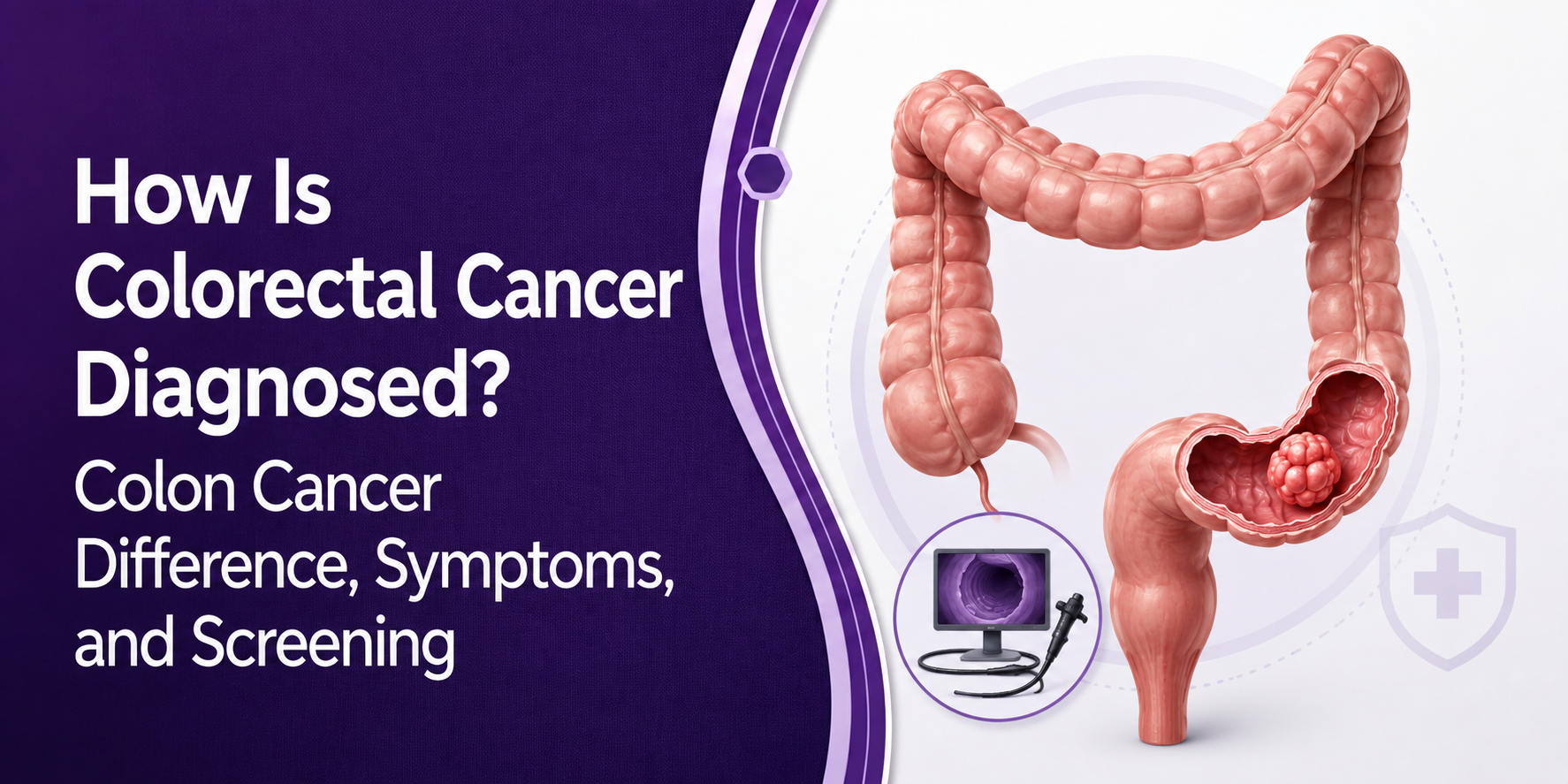
Colorectal cancer is cancer that develops in the colon or rectum. The colon is the longest part of the large intestine, while the rectum is the lower part where stool is stored before leaving the body.
Cancer that begins in the colon is called colon cancer. Cancer that begins in the rectum is called rectal cancer. Together, they are called colorectal cancer.
This cancer often starts from abnormal growths called polyps. Not every polyp becomes cancer, but some types can slowly change over time.
That is why doctors recommend screening before symptoms appear.
Colon Cancer vs Colorectal Cancer: What Is the Difference?
Many patients search for colon cancer vs colorectal cancer because the terms sound similar. The difference is simple.
Colon cancer starts in the colon only. Colorectal cancer includes both colon cancer and rectal cancer. In other words, colon cancer is one type of colorectal cancer.
Doctors often use the term colorectal cancer because screening, symptoms, and prevention overlap. However, treatment may differ based on the exact location.
Rectal cancer may involve different planning because the rectum sits in the pelvis near other organs.
Treatment options for colon cancer and rectal cancer can include surgery, chemotherapy, radiation therapy, targeted therapy, or immunotherapy, depending on the case.
More Young Adults Are Getting Colorectal Cancer
Live Science reported in May 2026 that colorectal cancer rates are falling in adults 65 and older, but rising in people under 50.
The report noted that younger adults may also face delays between first symptoms and diagnosis, which can lead to later-stage cancer.
Researchers are studying possible lifestyle, environmental, diet, Excess body weight, and gut microbiome links, but no single cause explains the rise yet.
This does not mean every stomach problem is cancer. Still, it does mean younger adults should not ignore rectal bleeding, ongoing bowel changes, unexplained weight loss, or unusual fatigue.
How Is Colorectal Cancer Diagnosed by Doctors?
Doctors usually start with your symptoms, family history, medical history, and risk factors.
They may ask when the symptoms started, how often they happen, whether you see blood, and whether anyone in your family has had colorectal cancer or colon polyps.
A provider may also do a physical exam. Sometimes, a digital rectal exam helps check for lumps or unusual changes in the rectum.
If symptoms or screening results raise concern, the provider may recommend further testing.
Possible diagnostic steps include physical exam, digital rectal exam, screening tests, biopsy, blood tests, and tissue tests.
The most important point is this: diagnosis does not depend on guessing. Doctors use tests to confirm what is happening.
Colorectal Cancer Symptoms You Should Not Ignore
Colorectal cancer may not cause symptoms at first. When symptoms appear, they can include bowel habit changes, diarrhea, constipation, blood in stool, rectal bleeding, belly cramps, bloating, fatigue, and unexplained weight loss.
Watch for these warning signs:
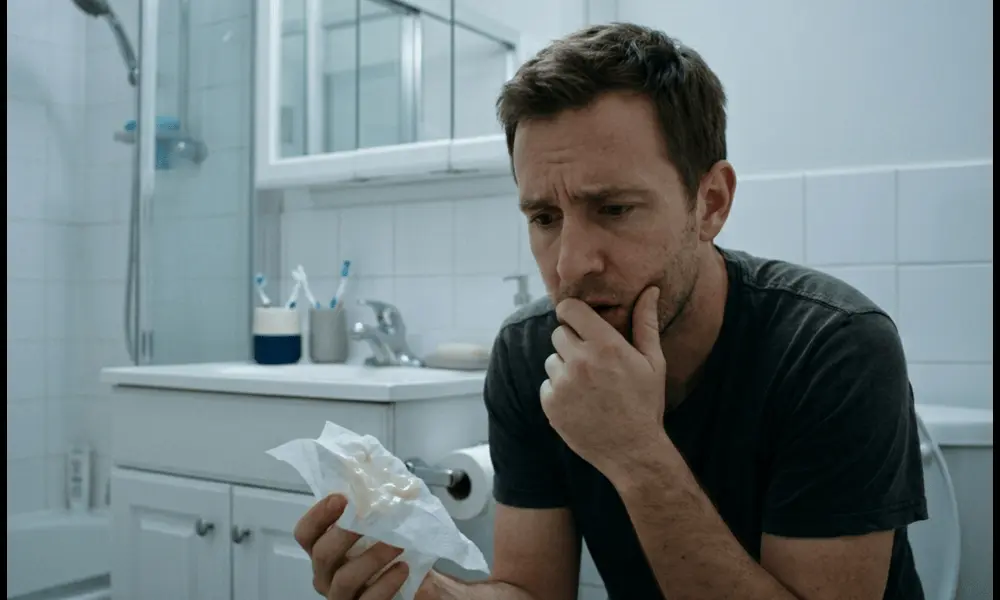
Blood in stool or on toilet paper
Bowel changes lasting more than a few days
Ongoing belly pain, cramps, gas, or bloating
Feeling like the bowel does not empty completely
Narrow stool or unusual stool shape
Weakness or tiredness without a clear reason
Weight loss without trying
Blood in stool should never be ignored. Many non-cancer conditions can cause bleeding, including hemorrhoids, but only a medical evaluation can tell the difference.
Can Colon Polyps Turn Into Cancer?
Yes, some colon polyps can turn into cancer over time. This is why the keyword can colon polyps turn into cancer is important for patient education.
Colon polyps are small growths in the colon lining. Many are not cancer.
However, adenomas and certain abnormal polyps may become cancerous over time. Adenomas are not cancer, but they can sometimes turn into cancer.
Many people with colon polyps have no symptoms. Some signs, such as rectal bleeding, blood in stool, or bowel changes, should prompt a checkup.
The only way to know for sure whether a polyp contains cancer is to examine tissue under a microscope.
The good news: when doctors find and remove precancerous polyps during a colonoscopy, they can help prevent cancer before it starts. Removing precancerous polyps can stop colon cancer before it begins.
Tests Used to Diagnose Colorectal Cancer
Colonoscopy
A colonoscopy allows a doctor to look inside the colon and rectum using a flexible tube with a camera. If the doctor sees a polyp or abnormal tissue, they can remove it or take a biopsy.
Colonoscopy and biopsy as key parts of colorectal cancer diagnosis when symptoms or other tests suggest cancer.
Biopsy
A biopsy means a small tissue sample goes to a lab. A pathologist checks the sample under a microscope. This step helps confirm whether cancer cells are present.
Stool Tests
Stool tests can look for hidden blood or abnormal DNA changes. These tests can help with screening, but an abnormal result usually needs follow-up with a colonoscopy.
Blood Tests
Blood tests alone usually do not diagnose colorectal cancer. However, doctors may order a complete blood count, metabolic panel, or CEA test as part of evaluation and treatment planning.
CBC, CMP, and CEA assay among the blood tests used in the diagnostic process.
Imaging Tests
If cancer is found or strongly suspected, imaging may help doctors understand whether it has spread.
CT scans, MRI, PET scans, and ultrasound may be used depending on the case.
Colorectal Cancer Screening: When Should You Start?
Most adults at average risk should start colorectal cancer screening soon after turning 45.
The CDC says the U.S. Preventive Services Task Force recommends screening adults ages 45 to 75, while people ages 76 to 85 should make an individual decision with their doctor.
Some people need screening earlier than 45. This may apply if they have inflammatory bowel disease, a personal or family history of colorectal cancer or polyps, or an inherited condition such as Lynch syndrome or familial adenomatous polyposis.
Do not wait for symptoms if you are due for screening. Screening can find cancer early, and it can also find polyps before they become cancerous.
Risk Factors for Colorectal Cancer
Risk does not mean certainty, but it helps you decide when to speak with a provider.
Common risk factors include:
Older age
Personal history of colon polyps
Family history of colorectal cancer
Inflammatory bowel disease, such as Crohn’s disease or ulcerative colitis
Inherited syndromes, such as Lynch syndrome or familial adenomatous polyposis
Diabetes
Excess body weight
Smoking
Alcohol use
Low physical activity
A diet high in red meat or processed meat
Several of these factors are possible risks that may increase the chance of colon cancer.
You cannot change family history or age. However, you can act early. A primary care visit can help you review your personal risk, choose the right screening method, and decide whether you need earlier testing.
Preventions of Colorectal Cancer
You cannot prevent every case of colorectal cancer, but you can lower your risk with healthy steps and regular screening.
Get colorectal cancer screening on time, usually starting at age 45 for average-risk adults.
Remove colon polyps early through colonoscopy when your doctor recommends it.
Eat more fruits, vegetables, and whole grains.
Limit red meat and processed meat, such as bacon, sausage, hot dogs, and deli meats.
Stay physically active with regular walking, exercise, or daily movement.
Maintain a healthy weight.
Avoid smoking or quit tobacco.
Limit alcohol use or avoid alcohol.
Manage diabetes and other chronic conditions with your primary care provider.
Know your family history of colon cancer, rectal cancer, or colon polyps.
Talk to a doctor earlier if you have blood in stool, rectal bleeding, ongoing bowel changes, unexplained weight loss, or strong family history.
When to See a Doctor Urgently
Book a medical visit if you notice blood in stool, repeated rectal bleeding, ongoing bowel changes, unexplained weight loss, or fatigue that does not improve.
Speak with a provider if belly pain does not go away, or if you see blood in the toilet or on toilet paper after a bowel movement.
Seek urgent care right away if bleeding is heavy, you feel faint, you have severe abdominal pain, or you cannot pass stool or gas with worsening belly swelling.
How Primary Care Helps With Colorectal Cancer Diagnosis
Primary care often becomes the first step. Your provider can listen to your symptoms, order initial labs, review your screening history, assess risk factors, and refer you for a colonoscopy or specialist care when needed.
Primary care also helps with prevention. For example, your provider can help manage diabetes, weight, smoking, alcohol use, and chronic digestive symptoms.
These steps do not replace screening, but they support long-term health.
Final Takeaway
Colorectal cancer can be silent at first, but it is not something to ignore. Knowing how colorectal cancer is diagnosed can help patients act earlier.
Colonoscopy, biopsy, stool tests, blood tests, and imaging all play a role depending on symptoms and screening results.
The biggest message is simple: do not wait for symptoms to become severe. If you are 45 or older, ask about screening. If you are younger but have symptoms or a family history, speak with a provider sooner.
Book an appointment with Passion Health Advanced Primary Care today to discuss colorectal cancer screening, colon cancer symptoms, colon polyps, and your personal risk. Early action can make a life-changing difference.
FAQs About Colorectal Cancer Diagnosis
1. Is colorectal cancer the same as colon cancer?
No. Colon cancer starts in the colon. Colorectal cancer includes cancer in either the colon or rectum. So, colon cancer is one type of colorectal cancer.
2. Can colon polyps turn into cancer?
Yes, some colon polyps can turn into cancer over time. Removing precancerous polyps during colonoscopy can help prevent colorectal cancer.
3. How is colorectal cancer diagnosed?
Doctors may use medical history, physical exam, digital rectal exam, stool tests, colonoscopy, biopsy, blood tests, and imaging tests.
4. What is the best test for colorectal cancer?
Colonoscopy is a major test because it lets doctors see the colon and rectum, remove polyps, and take biopsy samples if needed.
5. Can young adults get colorectal cancer?
Yes. Although risk increases with age, cases in adults under 50 have been rising. Ongoing rectal bleeding, bowel changes, or unexplained weight loss should be checked.