Red Spots on Skin: Causes, Symptoms, and When to Worry
Red spots on skin that are not itchy can feel confusing. You may notice small red dots on your arms, legs, face, chest, or stomach and wonder, “Is this an allergy, heat rash, infection, or something serious?” The tricky part is that not every skin problem causes itching.
Some red spots stay flat, painless, and quiet, while others signal bleeding under the skin, infection, medication reaction, or a condition that needs medical care.
Most red spots do not mean danger. However, sudden red dots, fast-spreading spots, fever, easy bruising, bleeding, dizziness, or breathing trouble need quick attention.
Cleveland Clinic notes that petechiae are pinpoint red, purple, or brown spots caused by bleeding under the skin, and they are usually not raised or itchy. Petechiae that spread quickly or appear with symptoms need medical care.
Concerned about red spots on your skin? Book an appointment with Passion Health Advanced Primary Care for a symptom check, skin evaluation, and next-step guidance.
What Are Red Spots on Skin That Are Not Itchy?
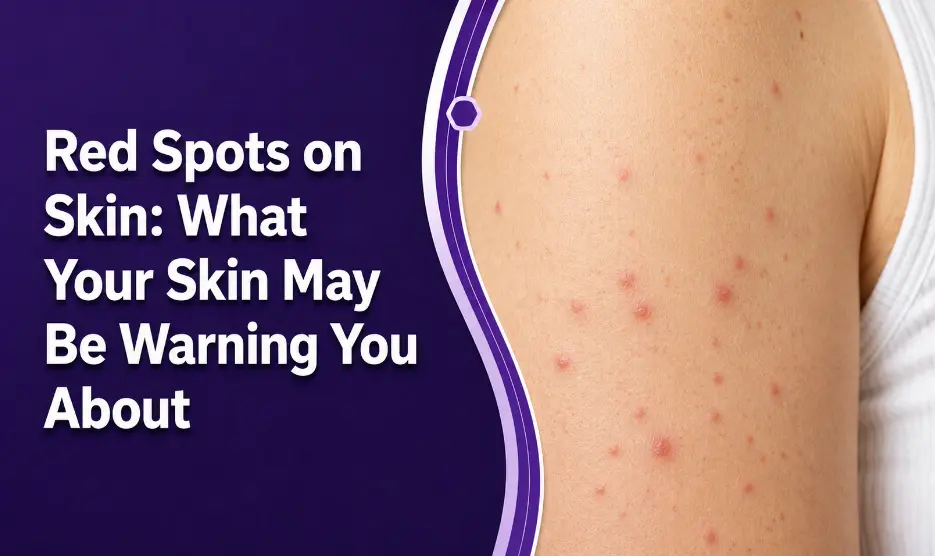
Red spots on skin that are not itchy can appear as flat dots, tiny pinpoints, smooth red marks, small bumps, or patches. Some fade when you press on them.
Others stay red, purple, or brown even with pressure. That difference can matter.
A simple way to check is the blanching test. Press a clear glass or fingertip gently over the spot. If the spot turns pale and then returns red, it may come from widened blood vessels or irritation.
If the spot does not fade, it may involve blood under the skin, such as petechiae. Petechiae do not turn lighter when pressed, unlike many regular rashes.
Do not use this test as a final diagnosis. Use it only as a clue. A provider can examine the spots, review your symptoms, and decide whether you need testing.
Common Causes of Red Spots on Skin
1. Petechiae
Petechiae are one of the most important causes of red spots on skin that are not itchy. These tiny spots can look red, purple, or brown. They may appear on the legs, arms, stomach, mouth, eyelids, or other areas. They often look like pinpoints.
Petechiae happen when tiny blood vessels called capillaries leak blood into the skin.
Several possible causes, including prolonged straining, certain medicines, infections, and medical conditions.
Tiny spots on the face, neck, or chest may appear after strong coughing, vomiting, heavy lifting, or other straining.
Petechiae can also come from infections, low platelets, blood disorders, inflammation of blood vessels, or medication side effects.
Do not ignore petechiae if they spread, appear suddenly, or come with fever, dizziness, confusion, weakness, bruising, or shortness of breath.
2. Cherry Angiomas
Cherry angiomas are small red or purple skin growths made of blood vessels. They often appear on the chest, back, arms, legs, or scalp. Many adults develop them after age 30.
Cherry angiomas usually do not need treatment, but a healthcare provider should diagnose them, especially if they bleed or change.
These spots may look bright red and slightly raised. They usually do not itch. Many people notice them slowly over time rather than overnight.
3. Heat Rash
Heat rash can cause red or discolored bumps, especially after sweating or in hot weather. It often appears in skin folds, the chest, back, underarms, or areas where clothing traps sweat.
Heat rash can itch or sting, but some mild cases may look red without much itching. Verywell Health describes heat rash as small red dots or prickly bumps caused by blocked sweat glands.
Loose clothing, cool showers, and staying out of the heat may help mild heat rash. However, swelling, pus, pain, or fever may point to infection.
4. Medication Reaction
Some medications can trigger red spots or skin changes. Medicines, including certain drugs such as phenytoin, penicillin, and quinine.
A medication rash may itch, but it does not always start that way. Pay attention if red spots appear soon after starting a new medicine, antibiotic, supplement, or over-the-counter drug.
Call your provider before stopping prescribed medicine unless severe symptoms occur. Seek emergency care for rash with face swelling, throat tightness, wheezing, or trouble breathing.
5. Viral or Bacterial Infection
Some infections can cause red spots that may not itch. Fever, sore throat, fatigue, swollen glands, body aches, cough, stomach symptoms, or a recent illness can give important clues.
Infections linked with petechiae, including mononucleosis, rubella, scarlet fever, strep throat, and other viral or bacterial infections.
If red spots appear with fever, stiff neck, confusion, severe headache, breathing trouble, or rapid worsening, seek urgent medical help.
6. Blood or Platelet Problems
Platelets help blood clot. When platelet levels drop or blood does not clot normally, red or purple spots can appear under the skin. These spots may not itch or hurt.
Other signs may include easy bruising, bleeding gums, nosebleeds, heavy bleeding, blood in urine or stool, or unusual fatigue.
Thrombocytopenia, leukemia, vasculitis, and other conditions are among the possible causes of petechiae.
This does not mean red spots always indicate a serious disease. It means sudden, unexplained, or spreading spots deserve proper evaluation.
7. Skin Cancer or Changing Skin Growths
Most red spots on the skin that are not itchy are not skin cancer. Still, a red patch, sore, bump, or mole that changes should not get ignored.
melanoma can appear without pain, and warning signs include a changing spot, a spot that looks different from others, bleeding, pain, itching, a band of color near a nail, or a sore that does not heal.
Get a skin check if a red spot grows, bleeds, crusts, changes shape, changes color, or does not heal.
Red Spots on Skin Not Itchy on Legs
Red spots on the skin not itchy on the legs can come from several causes.
Petechiae often show up on the legs. Small vessel irritation, shaving irritation, friction from clothing, bug bites, follicle irritation, or heat rash can also affect the legs.
Leg spots need faster attention when they appear with swelling, calf pain, warmth, fever, bruising, or trouble walking. Red or purple spots that do not fade when pressed also need a provider’s review, especially when they spread.
Symptoms to Track Before Your Appointment
Before you visit a provider, take clear photos in good lighting. Note when the spots started and whether they changed. This helps your provider compare the pattern and timeline.
Track these details:
Location: face, arms, legs, chest, stomach, back, mouth, or eyelids
Size: pinpoint, pea-sized, patch-like, or larger
Feel: flat, raised, rough, smooth, warm, painful, or tender
Color: bright red, purple, brown, pink, or dark
Spread: stable, slowly spreading, or rapidly spreading
Triggers: new medicine, illness, fever, travel, sweating, new soap, heavy coughing, vomiting, or injury
Other symptoms: fever, fatigue, bruising, bleeding, dizziness, sore throat, swollen glands, or breathing trouble
When to Worry About Red Spots on Skin That Are Not Itchy
Call a healthcare provider quickly if red spots appear suddenly, spread fast, or come with other symptoms.Medical attention for pinpoint red dots with fever, confusion, dizziness, fainting, trouble breathing, or spots that spread quickly.
Seek urgent care now if you notice:
Red or purple spots with fever
Spots that do not fade when pressed
Rapidly spreading spots
Trouble breathing
Confusion, dizziness, or fainting
Severe headache or stiff neck
Easy bruising or unusual bleeding
Swelling of the face, lips, or throat
A painful, warm, swollen area of skin
A sore that does not heal
A spot that bleeds, crusts, or changes
What a Doctor May Check
A primary care provider may start with your medical history and a skin exam. The visit may include questions about fever, recent infections, new medicines, allergies, travel, insect bites, bleeding, bruising, or family history.
Depending on the exam, your provider may order blood work, such as a complete blood count, platelet count, inflammatory markers, or infection testing. If a spot looks suspicious, your provider may refer you to dermatology or recommend a biopsy.
Verywell Health notes that red or discolored spots can have many causes, and a healthcare provider may need to assess the appearance, severity, medical history, and other conditions for diagnosis.
Can You Treat Red Spots at Home?
Home care depends on the cause. Mild heat rash or friction-related redness may improve with cool compresses, loose clothing, gentle soap, and avoiding heat.
Do not scratch or pick the spots. Avoid harsh scrubs, strong fragrances, and random steroid creams until you know the cause.
Do not try to treat petechiae at home without medical guidance. Petechiae may come from a harmless strain, but they can also point to infection, platelet problems, or other conditions. Call a provider if the spots appear suddenly, spread, or come with symptoms.
How to Reduce Future Skin Problems
You cannot prevent every cause of red spots. Still, simple habits can lower risk:
Use gentle, fragrance-free skin products
Wear loose clothing in hot weather
Shower after heavy sweating
Avoid sharing towels, razors, or personal items
Protect skin from sun damage
Use insect protection outdoors
Review new medicines with your provider
Keep routine checkups if you bruise or bleed easily
Track skin changes with photos
Doctor’s Insight
Red spots on skin that are not itchy need context. One tiny cherry angioma on the chest may not cause concern. A sudden cluster of pinpoint red dots on the legs with fever needs faster care. A spot that grows, bleeds, or does not heal needs a skin exam. The safest step is not panic; the safest step is timely evaluation.
A primary care visit can help sort simple causes from warning signs. Your provider can check the rash pattern, review medications, look for infection clues, and order labs when needed.
Final Takeaway
Red spots on skin that are not itchy can come from harmless causes like cherry angiomas, mild heat rash, or friction. However, they can also come from petechiae, infection, medication reaction, platelet problems, or changing skin growths. Pay close attention to fever, spreading spots, bruising, bleeding, breathing trouble, dizziness, pain, or a sore that does not heal.
If you notice red spots on skin that are not itchy and you feel unsure, book an appointment with Passion Health Advanced Primary Care. Our team can review your symptoms, check your skin, evaluate warning signs, and guide the right next step.
FAQs
1. Are red spots on the skin that are not itchy serious?
Not always. Some are harmless, but sudden, spreading, fever-related, or non-blanching spots need medical care.
2. What causes tiny red dots that do not itch?
Petechiae, cherry angiomas, heat rash, medication reactions, infections, and platelet problems can cause tiny red dots.
3. Should I worry about red spots on my legs?
Call a provider if leg spots spread, look purple, do not fade with pressure, or come with fever, swelling, bruising, or pain.
4. Can allergies cause red spots without itching?
Yes, but allergy rashes often itch. A provider can help tell an allergy from infection, petechiae, or another cause.
5. When should I book an appointment?
Book an appointment if spots last, spread, change, bleed, appear after medicine, or come with fever, fatigue, bruising, or pain.