
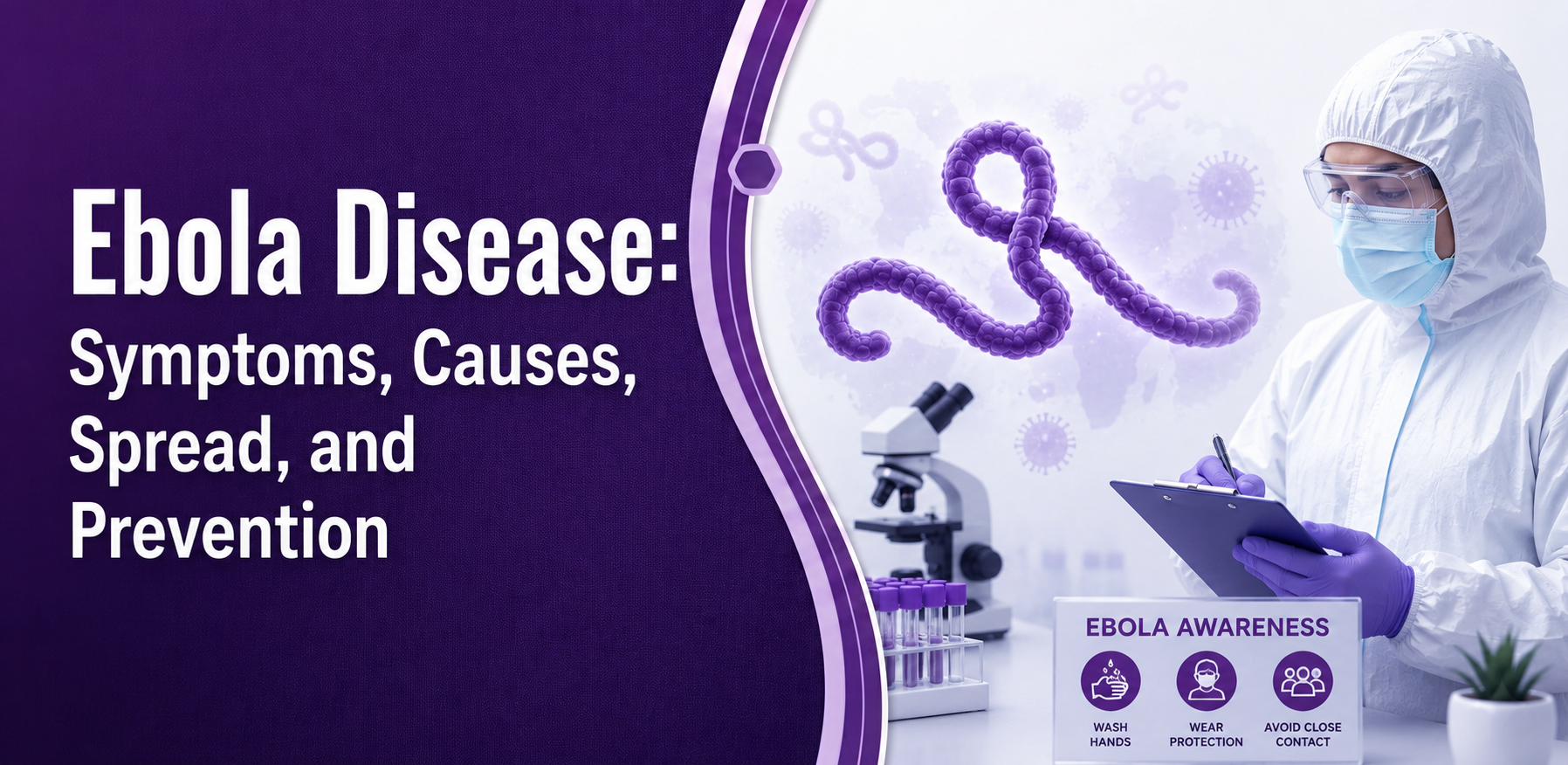
Ebola Awareness, Why This Disease Needs Serious Attention
Ebola is rare, but it can become life-threatening fast. Many people hear the word “Ebola” and think only about outbreaks in other countries. However, awareness matters everywhere because travel, exposure history, and early symptoms can make a big difference.
Ebola disease can start like many common infections. Fever, body aches, headache, tiredness, and sore throat may appear first. These symptoms can look similar to the flu, malaria, typhoid fever, or other viral illnesses. That is why travel history and exposure history matter.
Need help understanding fever after recent travel or possible exposure? Contact Passion Health Advanced Primary Care for safe guidance and the right next step. Book an appointment →
What Is Ebola?
This is a serious viral disease caused by a group of viruses called orthoebolaviruses. These viruses mainly occur in parts of sub-Saharan Africa. Ebola can infect humans and other primates, such as monkeys and apes.
The disease first became known in 1976 during outbreaks in Central Africa. One outbreak happened near the Ebola River, which is where the disease got its name.
Ebola can cause severe illness because it affects several body systems. It may lead to dehydration, low blood pressure, bleeding problems, liver and kidney stress, and organ failure in severe cases. Without quick medical care, Ebola can become fatal.
How Does Ebola Occur?
Ebola usually begins when the virus moves from an infected animal to a person. This is called a spillover event. Scientists believe fruit bats may play a role in carrying the virus in nature.
A person may become infected after contact with infected animals, such as bats, non-human primates, forest antelope, or porcupines. Risk can increase when someone handles, hunts, prepares, or eats infected wild animals.
After one person becomes infected, Ebola can spread from person to person through direct contact with infected body fluids.
How Ebola Spreads
Ebola spreads through direct contact with body fluids from a person who is sick with Ebola or has died from Ebola. Body fluids may include:
Blood
Vomit
Stool
Urine
Saliva
Sweat
Breast milk
Semen
Vaginal fluids
Ebola can also spread through objects contaminated with infected fluids. This may include bedding, clothing, needles, medical tools, or surfaces that touched infected blood or body fluids.
A person with Ebola can spread the virus after symptoms begin. People are not considered contagious before symptoms start.
How Ebola Does Not Spread
Ebola does not spread like a cold, flu, or COVID-19. A person does not get Ebola by simply walking past someone in public or sitting in the same room without direct exposure.
Ebola does not spread through casual contact in normal daily life. It also does not spread through mosquitoes.
This is important because fear can lead to confusion. Ebola prevention depends on understanding the real route of spread: direct contact with infected body fluids or contaminated items.
Ebola Symptoms
This can appear 2 to 21 days after exposure. Many people develop symptoms around 8 to 10 days after contact, but timing can vary.
Early Ebola symptoms may include:
Fever
Tiredness
Muscle pain
Headache
Sore throat
Weakness
Body aches
As the illness gets worse, symptoms may include the following:
Vomiting
Diarrhea
Stomach pain
Rash
Red eyes
Chest pain
Trouble breathing
Confusion
Low blood pressure
Signs of liver or kidney problems
Why Ebola Can Become Dangerous
Ebola can cause serious problems because the virus affects the immune system and blood vessels. It can trigger inflammation throughout the body. It may also cause fluid loss from vomiting and diarrhea.
Severe dehydration can lower blood pressure and reduce blood flow to major organs. This may place stress on the kidneys, liver, heart, and brain.
The main problems linked with severe Ebola include the following:
Severe dehydration
Electrolyte imbalance
Low blood pressure
Kidney injury
Liver problems
Bleeding problems
Shock
Organ failure
Early medical care improves the chance of survival. Treatment focuses on fluids, electrolytes, fever control, pain control, blood pressure support, and treatment of other infections when needed.
Who Has a Higher Risk for Ebola?
Most people in the United States have a very low risk of Ebola. The risk increases when a person has been in an area with an active Ebola outbreak or has had direct contact with someone who may have Ebola.
Higher-risk groups may include:
Healthcare workers caring for Ebola patients
Family members caring for a sick person without proper protection
People involved in burial practices with direct body contact
Lab workers handling infected samples
Travelers who had direct exposure in an outbreak area
People who handled infected animals or raw wild animal meat
Travel history is very important. Anyone with fever or Ebola-like symptoms after visiting an outbreak area should call a healthcare provider or public health authority before going to a clinic.
Ebola Diagnosis
Ebola cannot be diagnosed by symptoms alone. Many infections can look similar in the beginning. A doctor must consider symptoms, travel history, exposure history, and lab testing.
Blood testing can help confirm Ebola infection. Because Ebola samples can be dangerous, testing requires special handling and infection control.
A person who may have Ebola needs separation from others in a healthcare setting while testing and evaluation take place. This protects family members, healthcare workers, and the community.
Ebola Treatment
This must happen in a medical facility prepared for infection control. Care may include:
Fluids by mouth or IV
Electrolyte replacement
Medicines for vomiting and diarrhea
Fever and pain control
Blood pressure support
Oxygen support if needed
Treatment for other infections
Close organ monitoring
Some treatments and vaccines exist for certain Ebola virus types. However, not every Ebola-related virus has the same approved treatment or vaccine. That is why public health guidance changes by outbreak type.
Patients should never try to manage suspected Ebola at home. Early medical care and safe isolation are critical.
Ebola Prevention
This focuses on avoiding direct exposure to infected body fluids and contaminated objects.
Important prevention steps include:
Stay away from blood or body fluids from anyone who is sick.
Do not touch the body of someone who died from suspected Ebola.
Keep a distance from items that may contain infected body fluids, such as bedding, clothing, needles, or medical tools.
Limit contact with bats, monkeys, apes, and wild animal meat in outbreak areas.
Wash your hands often with soap and water or use an alcohol-based sanitizer.
Follow travel health guidance before visiting outbreak regions.
Monitor your health for 21 days after possible exposure.
Call before visiting a clinic if symptoms appear after travel.
Healthcare workers must use proper personal protective equipment, safe testing procedures, and strict infection control practices.
When Should Someone Seek Medical Care?
“This guidance right away if fever, vomiting, diarrhea, severe weakness, or unusual bleeding occurs after any of the following:
Travel to an Ebola outbreak area
Direct contact with a sick person from an outbreak area
Contact with blood or body fluids from a person suspected of Ebola
Contact with infected animals or wild animal meat in an outbreak region
Call ahead before going to a clinic, urgent care, or emergency department. This allows the medical team to prepare safely and protect others.
Can Passion Health Advanced Primary Care Help?
A health care clinic can help patients with travel-related health questions, fever evaluation, and general infection awareness. If there is any concern for Ebola exposure, call first before visiting any healthcare office.
Our team can help guide you on safe next steps based on your symptoms, travel history, and exposure risk. For possible Ebola exposure, public health guidance and emergency-level medical evaluation may be needed.
Book an appointment with Passion Health Advanced Primary Care for non-emergency fever concerns, travel health questions, and preventive care guidance. Call first if you recently traveled to an outbreak area or had direct exposure to someone sick.
Key Takeaway
Ebola is rare, but it is a serious disease that needs quick action. It spreads through direct contact with infected body fluids, not through casual air exposure like flu or COVID-19.
Early symptoms may look like common infections, so travel and exposure history matter. Prevention, early reporting, safe isolation, and proper medical care can save lives and help stop outbreaks.
Concerned about fever after travel or unsure what symptoms mean? Contact Passion Health Advanced Primary Care for safe guidance and the right next step. Book an appointment →
FAQs
1. What is Ebola?
This is a serious viral disease caused by orthobolaviruses. It can cause fever, weakness, vomiting, diarrhea, dehydration, and organ problems.
2. How does Ebola spread?
This spreads through direct contact with infected body fluids, such as blood, vomit, stool, urine, sweat, saliva, breast milk, semen, or contaminated items.
3. Can Ebola spread through the air?
No. Ebola does not spread like the flu or COVID-19. It does not spread through casual air exposure or by simply being near someone in public.
4. What are the early symptoms of Ebola?
Early symptoms may include fever, tiredness, headache, muscle pain, sore throat, and weakness. Later symptoms may include vomiting, diarrhea, stomach pain, rash, and bleeding in some cases.
5. When should someone call a doctor?
Call a healthcare provider right away if symptoms appear within 21 days after travel to an Ebola outbreak area or after direct contact with someone who may have Ebola. Call before visiting a clinic.

About the Author
Dr. Anantha Chentha
MD, FACP, CHCQM-PHY ADV | Internal Medicine
Dr. Anantha Chentha is a board-certified Internal Medicine physician with extensive experience in primary care and chronic disease management. He is dedicated to providing comprehensive, patient-centered care with a focus on prevention, accurate diagnosis, and long-term health management.