
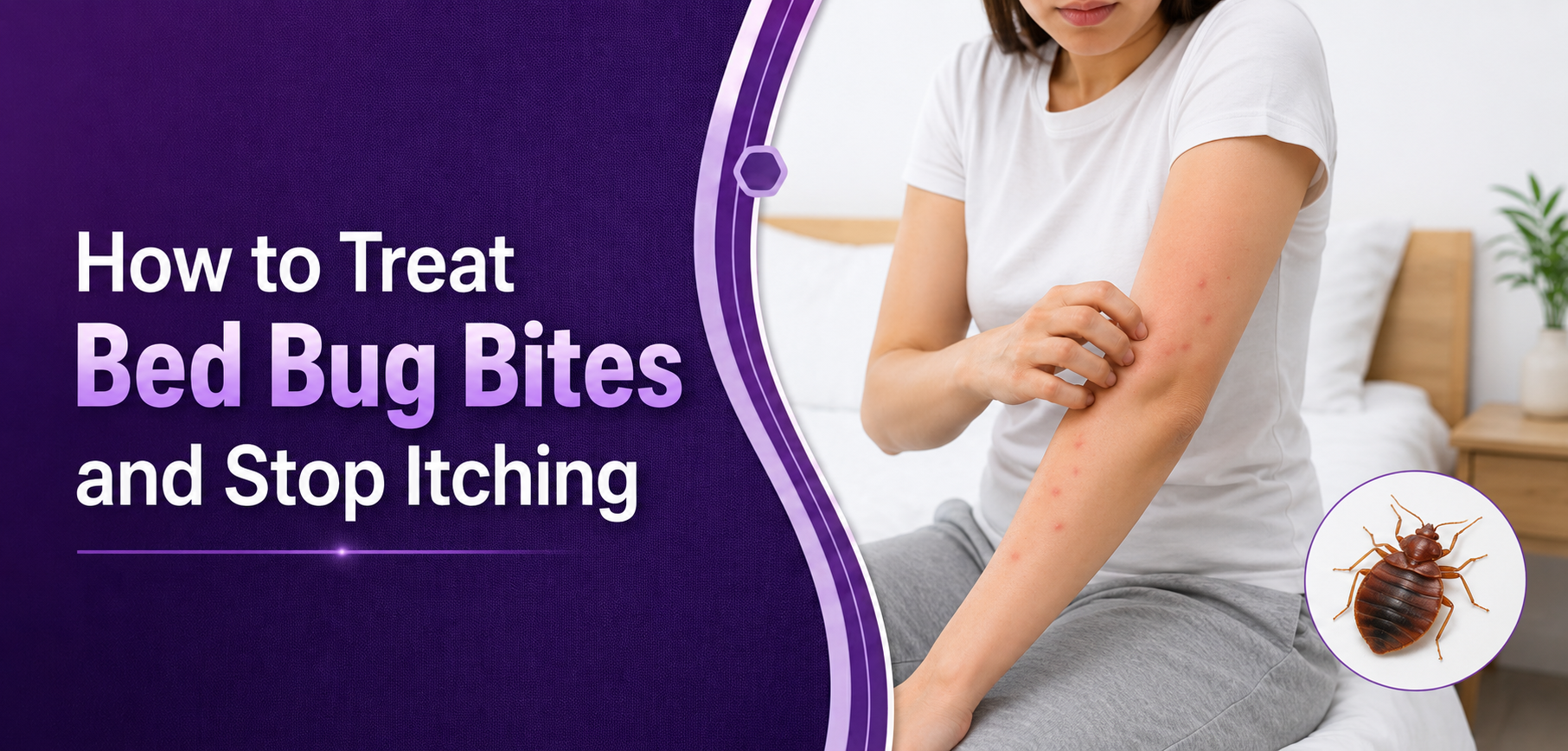
When Bed Bug Bites Turn Into Rash or Irritate Your Skin
Bed bug bites can turn a normal night of sleep into days of itching, red bumps, swelling, and worry. The bites may look small at first. Then the skin starts burning, itching, or forming clusters. That makes many people ask one urgent question:
How to treat bed bug bites and stop itching fast?
Most bed bug bites do not cause serious illness. However, scratching can damage the skin and raise the risk of infection. The problem also continues if bed bugs remain in the mattress, bedding, furniture, or luggage.
If itching, swelling, rash, or skin pain keeps getting worse, schedule a visit with Passion Health Advanced Primary Care for a proper skin check and treatment guidance.
Patients looking for primary care in Frisco, Irving, Plano, Prosper, Anna, Aubrey, Flower Mound, Ennis, Kaufman, Kemp, or Mesquite.
What Bed Bug Bites Look Like
Bed bug bites can look different from person to person. Some people get tiny bumps. Others get large itchy welts. Some people may not notice any marks at all.
Common signs include:
Small red or discolored bumps
Itchy raised spots
Bite marks in a line or cluster
Zigzag bite pattern
Swelling around the bite
Mild burning or skin irritation
Bites on arms, neck, face, hands, legs, or back
Bed bugs often bite exposed skin during sleep. The bite may not show right away. For some people, marks appear after a few hours. For others, they appear after a few days.
Why Bed Bug Bites Itch So Much
Bed bugs feed on blood. When they bite, their saliva touches the skin. The body reacts to that saliva. That reaction causes itching, redness, swelling, and irritation.
The itch can feel worse at night because the skin stays warm under blankets. Also, quiet bedtime makes itching more noticeable. Scratching may feel good for a few seconds, but it often makes the bite more inflamed.
How to Treat Bed Bug Bites and Stop Itching at Home
Start with simple skin care. Most mild bed bug bites improve within one to two weeks.
1. Wash the Bite Area
Wash the skin with mild soap and cool water. This helps remove dirt and lowers the chance of skin infection.
Pat the skin dry. Do not rub the area hard. Rubbing can make itching and redness worse.
2. Use a Cold Compress
A cold compress can calm swelling and itching.
Simple method:
Wrap ice or a cold pack in a clean cloth
Place it on the bite for 10 minutes
Remove it for 10 minutes
Repeat as needed
Do not place ice directly on the skin. Direct ice can irritate the skin.
3. Apply Anti-Itch Cream
An over-the-counter anti-itch cream may help calm irritation. Many people use hydrocortisone cream or calamine lotion for itchy bites.
Use the product only as the label says. Avoid using creams on open, bleeding, or infected-looking skin unless a medical provider recommends it.
4. Take an Antihistamine if Itching Disturbs Sleep
An antihistamine may help when itching feels intense or affects sleep. Some antihistamines can cause drowsiness, so read the label carefully. A doctor or pharmacist can help if a patient takes other medicines or has a medical condition.
5. Do Not Scratch
Scratching creates tiny breaks in the skin. Bacteria can enter those breaks and cause infection.
Try these instead:
Tap around the bite
Apply a cool cloth
Keep nails short
Cover the bite with a clean bandage
Wear soft cotton clothing
Bed Bug Bite Itch Score Calculation
Use this simple score to decide how serious the itching feels.
Rate itching from 0 to 10:
0–2: Mild itch
3–5: Moderate itch
6–8: Strong itch that affects sleep or focus
9–10: Severe itch with pain, swelling, or skin damage
What the score means
0–2: Wash skin, use a cold compress, monitor bites.
3–5: Add anti-itch cream and avoid scratching.
6–8: Consider a primary care visit if symptoms do not improve.
9–10: Get medical care, especially if swelling, drainage, warmth, or spreading redness appears.
This score does not replace a medical exam. It helps track symptoms clearly.
24-Hour Bite Care Plan
A simple plan can stop scratching from getting worse.
First 10 Minutes
Wash bites with soap and water. Apply a cool compress.
First Hour
Use anti-itch lotion or cream if needed. Wear loose clothing.
Night
Keep the room cool. Avoid hot showers because heat can increase itching.
Next Morning
Check the bites. Look for spreading redness, pus, warmth, or pain.
Next 3 Days
Track symptoms. If itching, swelling, or rash gets worse, book a medical visit.
When Bed Bug Bites Need a Doctor
Most bites improve with home care. However, some symptoms need medical attention.
See a primary care doctor if you notice:
Redness that spreads
Skin warmth around the bite
Pus or drainage
Increasing pain
Large swelling
Blisters
Severe itching that does not improve
Bites that keep coming back
Sleep problems from itching
Rash that looks unusual
A doctor can check whether the rash comes from bed bugs, another insect, hives, eczema, infection, or another skin problem.
Signs of Skin Infection After Bed Bug Bites
Scratching increases infection risk. Watch the skin closely.
Possible infection signs include:
Skin feels hot
Red area grows larger
Bite becomes painful
Yellow crust appears
Pus drains from the bite
Swelling worsens
Fever develops
Do not ignore these signs. A skin infection can spread if it does not receive proper care.
Allergic Reaction Warning Signs
Some people react strongly to bites. Medical help matters if the body reacts beyond the skin.
Watch for:
Hives across the body
Wheezing
Swelling of lips, face, or throat
Dizziness
Confusion
Chest tightness
These symptoms need urgent medical attention.
How to Know If Bed Bugs Caused the Bites
Bites alone may not prove bed bugs. Mosquito bites, flea bites, allergic rashes, and other skin conditions can look similar.
Check the sleeping area for:
Tiny blood spots on sheets
Rust-colored stains on mattress seams
Shed bug skins
Small dark droppings
Live bugs near mattress edges
Musty odor
Bites after travel or hotel stay
Bed bugs hide in mattress seams, bed frames, furniture cracks, clothing, luggage, and carpet edges.
Treat the Bites, But Also Remove the Bed Bugs
Skin treatment helps itching, but bites may return if the bugs remain.
Try these steps:
Wash bedding in hot water
Dry clothes and bedding on high heat
Vacuum mattress seams, carpet edges, and furniture
Reduce clutter near the bed
Seal infested fabric items in bags
Inspect luggage after travel
Avoid bringing used furniture inside without checking it
Call pest control for a large infestation
A serious infestation often needs professional treatment. Bed bugs can hide well, so one cleaning round may not solve the problem.
Bed Bug Bites vs Mosquito Bites
Both can itch. Both can cause red bumps. However, bed bug bites often appear in lines or clusters after sleep. Mosquito bites usually appear after outdoor exposure.
Feature | Bed Bug Bites | Mosquito Bites |
Timing | Often after sleep | Often after outdoor time |
Pattern | Line, cluster, zigzag | Random single bumps |
Location | Exposed skin during sleep | Any exposed skin |
Home signs | Mattress stains, bugs, skins | Usually no mattress signs |
A primary care exam can help when the rash looks confusing.
What Not to Do for Bed Bug Bites
Avoid these mistakes:
Do not scratch until the skin breaks
Do not apply harsh chemicals to skin
Do not use pest spray on the body
Do not pop blisters
Do not ignore spreading redness
Do not assume every rash comes from bed bugs
Skin can react badly to strong home remedies. Simple care works better for most mild bites.
Simple Home Care Checklist
Use this checklist daily:
Washed bites with soap and water
Used cold compress
Applied anti-itch cream if needed
Avoided scratching
Checked for infection signs
Washed bedding
Inspected mattress and furniture
Called pest control if signs continue
How Long Do Bed Bug Bites Last?
Many mild bites improve in a few days and clear within one to two weeks. The timeline depends on skin sensitivity, scratching, and whether new bites keep happening.
If bites keep appearing, the home may still have bed bugs. Treating only the skin will not stop new bites.
A primary care provider can check bite patterns, skin swelling, rash type, infection signs, and allergy symptoms. This matters when the rash lasts longer than expected or looks different from normal insect bites.
Book a Primary Care Visit
If itching keeps you awake, rash spreads, swelling grows, or the skin looks infected, do not wait too long. Passion Health Advanced Primary Care can help evaluate the bite area, rule out infection, and guide safe treatment. Book an appointment with Passion Health Advanced Primary Care →
Patients looking for primary care in Frisco, Irving, Plano, Prosper, Anna, Aubrey, Flower Mound, Ennis, Kaufman, Kemp, or Mesquite.
FAQs
1. How do you stop bed bug bites from itching fast?
Wash the area, use a cold compress, apply anti-itch cream, and avoid scratching.
2. Do bed bug bites go away on their own?
Yes, many mild bites improve within one to two weeks.
3. Can scratching bed bug bites cause infection?
Yes. Scratching can break the skin and allow bacteria to enter.
4. When should I see a doctor for bed bug bites?
See a doctor if redness spreads, swelling worsens, pus appears, pain increases, or itching does not improve.
5. Can bed bug bites look like a rash?
Yes. They can look like red bumps, welts, clusters, or a skin rash.