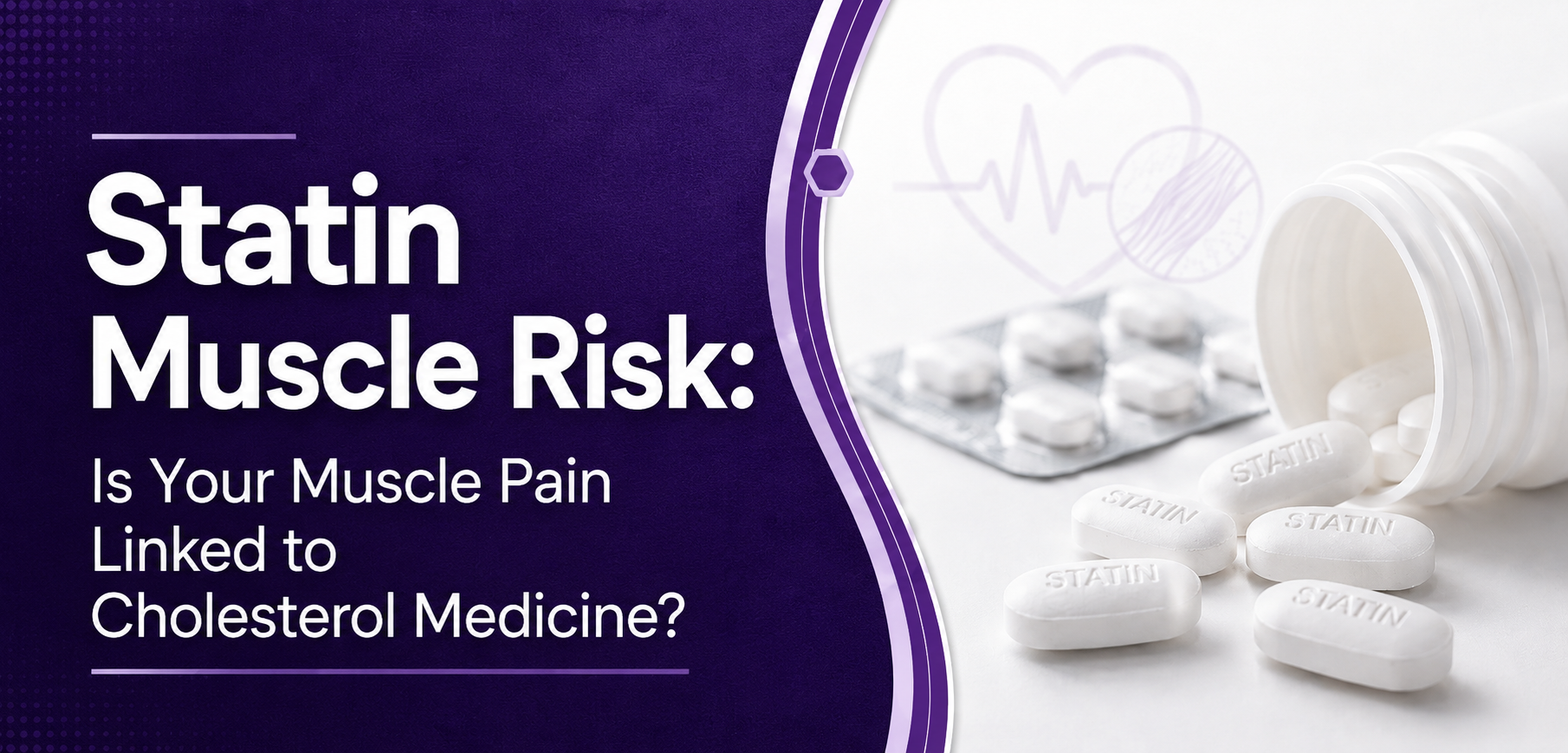
New statin research is raising an important question: who is more likely to feel muscle pain or weakness?
Statins help many patients lower LDL cholesterol and protect heart health. Yet muscle pain, weakness, cramps, or heavy fatigue can make some patients worry. New research may help explain why some patients experience muscle pain, weakness, or fatigue after starting to take a statin.
A sore leg after exercise may not mean much. New weakness after starting a statin deserves a closer look. Pain that grows, spreads, or affects walking needs medical attention.
At Passion Health Advanced Primary Care, you can get all the answers you need in one visit. We address your cholesterol medication, symptoms, lab results, and heart risk—all with your provider present.
If muscle pain started after a statin, do not guess or stop medication on your own.
Patients looking for primary care in Frisco, Irving, Plano, Prosper, Anna, Aubrey, Flower Mound, Ennis, Kaufman, Kemp, or Mesquite.
What Is Statin Muscle Risk?
Statin Muscle Risk means the chance of muscle symptoms linked to statin use. These symptoms may include soreness, cramps, weakness, stiffness, or fatigue.
Some patients feel mild discomfort. Others feel weak enough to avoid walking, climbing stairs, or doing daily tasks.
Most patients take statins without serious problems. Muscle pain doesn’t come with a label.
It might be from a tough workout, a thyroid problem, low vitamin D, not enough water, an infection, arthritis, or another issue you’re treating.
Instead of guessing, your provider checks what may be causing the muscle pain and whether the statin plays a role.
The visit may include a medicine review, symptom timeline, muscle exam, and blood work when needed. That process helps separate common aches from a possible medication-related issue.
Why Statin Muscle Risk Matters for Heart Health
High LDL cholesterol can build plaque inside arteries. Over time, plaque can raise the chance of heart attack and stroke. Statins lower LDL cholesterol and help reduce that risk for many patients.
However, muscle symptoms can cause patients to skip doses or stop treatment. That can create a new problem. Cholesterol may rise again, and heart risk may increase over time.
This is why Statin Muscle Risk needs a balanced approach. The goal does not involve fear. The goal involves a safe review, smart medication choices, and better long-term heart protection.
A provider can adjust the dose, change the timing, or switch to another statin. They may also review drug interactions or discuss non-statin cholesterol options when needed.
New Research on Statin Muscle Risk
Recent research has increased interest in statin-related severe muscle risk prediction.
Scientists looked at how statins may affect muscle cells in some people. The study focused on isoprenoids, protein prenylation, and the NLRP3 inflammasome.
These terms sound complex, but the basic idea is simple.
Statins block part of the cholesterol-making pathway. That same pathway also helps the body make helper molecules called isoprenoids. Muscle cells need these molecules for normal function.
When isoprenoids drop, certain proteins may not receive the right “tag” that helps them work in the correct place inside the cell.
Scientists call this process protein prenylation. Lower protein prenylation may place stress on muscle cells.
Next, stressed cells may activate the NLRP3 inflammasome. Think of this system as a cell alarm.
When the alarm activates at a high intensity, inflammation signals may rise. In some patients, that process may help explain muscle weakness or pain.
This research does not mean statins harm every patient. Some patients might have a higher Statin Muscle Risk. This is because their muscle cells react differently.
Who May Have Higher Statin Muscle Risk?
Statin Muscle Risk can rise when several factors come together. A higher dose may increase the chance of side effects. Certain medication combinations can also raise risk.
Factors include older age, kidney issues, liver problems, and untreated thyroid disease.
Heavy drinking, low vitamin D, recent infections, or intense exercise can also play a role. Genetic differences may affect how the body handles statins.
Some patients start a statin and feel symptoms within weeks. Others notice changes after a dose increase or after adding another medication.
A careful timeline matters. Write down when symptoms started, where pain occurs, what makes it worse, and whether weakness affects daily activity. Bring the statin bottle and all supplements to the visit.
Statin Muscle Risk Warning Signs
Mild soreness may improve with rest or a medication adjustment. Severe symptoms need faster review.
Call a doctor if muscle pain starts soon after beginning a statin or after a dose change. Schedule a visit if cramps keep returning, weakness affects walking, or fatigue feels unusual.
More serious warning signs include severe muscle pain, major weakness, swelling, fever, or dark brown urine. These symptoms may point to muscle breakdown and need urgent medical care.
Get checked early if muscle pain or weakness feels new, unusual, or keeps getting worse. Early review can help protect muscle health and heart health at the same time.
Should Patients Stop a Statin?
Patients should not stop a statin without medical advice. Sudden stopping can increase cholesterol risk. This is especially true for those with diabetes, heart disease, high blood pressure, a smoking history, or a prior stroke risk.
A doctor can check whether the statin truly caused the symptoms. Sometimes another health problem explains the pain.
In other cases, the statin may need a dose change or replacement.
Primary care doctors often order blood tests when symptoms look concerning. These tests may include creatine kinase, liver enzymes, kidney function, thyroid tests, or vitamin D.
The specific tests depend on the patient’s history.
Safe decisions come from facts, not fear.
How Primary Care Helps With Statin Muscle Risk
A primary care visit gives patients a clear plan. The provider checks cholesterol levels and heart risk. They also look at medication doses, side effects, and other conditions.
The visit may answer key questions:
Is the muscle pain linked to the statin?
The provider compares symptom timing with medication changes. That helps decide the next step.
Do lab tests show muscle stress?
Blood tests can help when pain feels severe, persistent, or unusual.
Can another statin work better?
Some patients tolerate one statin better than another. Dose changes may also help.
Does the patient need a different cholesterol plan?
Some patients may need another option along with lifestyle changes, diet support, or specialist care.
At Passion Health Advanced Primary Care, patients can receive:
Cholesterol follow-up
Medication review
Lab testing
Heart risk guidance
All these services are available in one place.
Book an appointment today if muscle pain, cramps, or weakness started after cholesterol medicine.
Simple Steps Before Your Appointment
Prepare for the visit with clear details. List all medicines, vitamins, and supplements. Note the statin name, dose, and start date. Track pain location, weakness level, and urine color changes.
Avoid making dose changes alone. Avoid taking supplements without talking to a doctor.
They can interact with medications or mix up your symptoms.
Bring recent lab results if another clinic ordered them. Clear records help the provider move faster.
Statin Muscle Risk and Long-Term Prevention
Statin muscle risk should not stop patients from caring for cholesterol. Heart disease often develops without noticeable symptoms.
Many patients feel normal even when LDL cholesterol stays high.
The best plan balances benefit and safety.
A provider may suggest:
A heart-healthy diet
Regular walking
Weight management
Diabetes control
Blood pressure care
Follow-up cholesterol testing
These steps can help improve overall health.
Patients who feel heard usually stay consistent with treatment. That consistency protects the heart.
Final Takeaway
Statin muscle risk is important. Muscle pain can make patients stop taking vital heart medicines.
New research may explain why some people have these symptoms. Still, the best step is clear: talk to a doctor before changing cholesterol meds.
Passion Health Advanced Primary Care assists patients in reviewing statin symptoms, cholesterol levels, heart risk, and medication choices. They provide clear next steps.
Available locations: Frisco, Irving, Plano, Prosper, Anna, Aubrey, Flower Mound, Ennis, Kaufman, Kemp, or Mesquite.
Book an appointment with Passion Health Advanced Primary Care →
FAQs
1. What is Statin Muscle Risk?
Statin Muscle Risk means the chance of muscle pain, cramps, weakness, or soreness while taking cholesterol medicine.
2. Is muscle pain from statins serious?
Most muscle pain is mild, but severe weakness, worsening pain, or dark urine needs quick medical review.
3. Should I stop my statin if my muscles hurt?
No. Talk with a doctor first. Stopping a statin without advice may raise heart attack or stroke risk.
4. Who has higher Statin Muscle Risk?
Risk may rise with higher statin doses, drug interactions, thyroid problems, kidney issues, older age, or heavy exercise.
5. Can a primary care doctor help with Statin Muscle Risk?
Yes. A primary care doctor can review symptoms, check labs, adjust medicine, or discuss safer cholesterol treatment options.