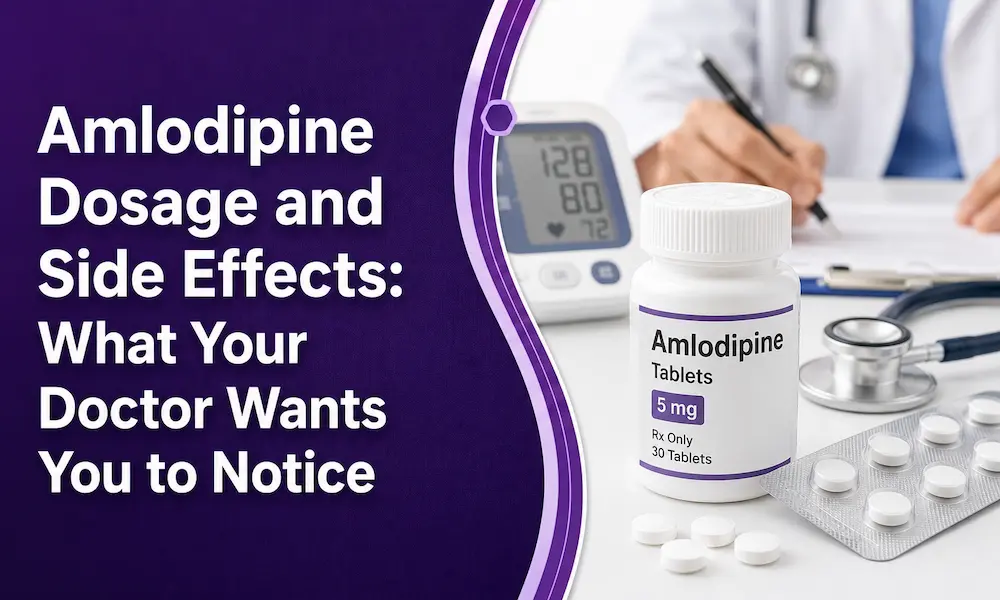
Amlodipine Dosage and Side Effects: What Does This Medicine Do?
Amlodipine helps many adults control high blood pressure, yet one small tablet can still raise big questions.
Why do ankles swell? Why does dizziness start after a new dose? Can amlodipine cause tiredness, flushing, or chest discomfort?
These questions matter because high blood pressure often gives no warning signs.
However, uncontrolled blood pressure can increase the risk of heart attack, stroke, kidney disease, and heart failure over time.
Amlodipine helps lower blood pressure by relaxing blood vessels and reducing pressure on the heart. It also helps some patients with angina, also called chest pain.
Need help reviewing blood pressure medicines? Schedule a visit with Passion Health Advanced Primary Care and talk to a primary care provider before changing any dose.
What Is Amlodipine, and How Does It Work?
Amlodipine belongs to a drug class called calcium channel blockers. Think of your blood vessels like pipes under pressure. When blood vessels stay tight, blood pressure can rise.
Amlodipine helps relax and widen those blood vessels, so blood can move with less resistance. As a result, the heart does not have to work as hard.
Doctors commonly prescribe amlodipine for high blood pressure. In adults, doctors may also use it for certain types of chest pain, including angina linked to coronary artery disease.
However, amlodipine does not treat sudden chest pain after it starts. It works best when taken regularly as prescribed, and a doctor may recommend a different medicine for sudden chest pain episodes.
Amlodipine treats high blood pressure, certain types of angina, and coronary artery disease by relaxing blood vessels and helping the heart pump with less strain.
Still, amlodipine dosage and side effects in adults can vary from person to person. Age, liver health, blood pressure readings, dizziness, ankle swelling, heart history, and other medicines can all affect the safest dose.
Therefore, never compare your dose with another patient’s prescription. One adult may do well on 5 mg, while another may need a lower or different plan because of side effects or health risks.
Common Dose Guide
Doctors usually start adults with high blood pressure on 5 mg once daily. Some adults may start at 2.5 mg once daily, especially if they need extra caution.
The usual maximum adult dose often reaches 10 mg once daily, but only a doctor should adjust it.
The dose may differ between patients, and patients should follow the doctor’s instructions instead of changing the dose alone.
Condition | Common Adult Dose Information | Important Safety Note |
High blood pressure | Often starts at 5 mg once daily | Some adults may start at 2.5 mg |
Angina/chest pain | Often 5 mg to 10 mg once daily | The doctor decides based on symptoms |
Older adults | May need a lower starting dose | Dizziness and low BP need attention |
Maximum dose | Usually not more than 10 mg daily | Never increase without medical advice |
Take amlodipine at the same time each day. Also, take it with or without food unless the doctor gives different instructions. Consistency helps control blood pressure.
Amlodipine 5 mg Side Effects: What Symptoms Can Happen?
Amlodipine 5 mg side effects may feel mild for some adults. However, even a standard dose can cause symptoms that need attention.
Commonly reported side effects include:
Swelling in the ankles, feet, or legs
Dizziness or lightheadedness
Flushing or warmth in the face
Tiredness or drowsiness
Nausea or stomach discomfort
Pounding heartbeat or palpitations
Ankle or foot swelling is a more common side effect. Drugs.com also lists dizziness, leg or ankle swelling, tiredness, stomach pain, nausea, and flushing among common side effects.
However, do not ignore symptoms that feel new, strong, or scary. A medicine side effect can look simple at first, but it may need a dose review.
Amlodipine 10 mg Side Effects: Why Higher Dose May Feel Different
Amlodipine 10 mg side effects may feel stronger because the dose sits at the usual adult maximum. Some patients notice more ankle swelling, dizziness, flushing, or tiredness after a dose increase.
This does not mean the medicine always causes danger. However, it does mean the body needs monitoring. Blood pressure may drop too low, especially during hot weather, exercise, dehydration, or sudden standing.
Call a doctor if dizziness feels severe, if swelling gets worse, or if symptoms affect walking, work, sleep, or daily comfort.
Amlodipine Ankle Swelling: Is It Normal or Serious?
Amlodipine-induced ankle swelling scares many patients. The swelling can happen because blood vessels relax and fluid can collect in the lower legs.
Mild swelling may not mean an emergency. Still, sudden swelling, one-sided leg swelling, chest pain, shortness of breath, or fast weight gain needs medical attention.
Also, do not stop amlodipine suddenly because blood pressure or chest pain can get worse. Patients should check with a doctor before stopping after regular use.
A doctor may review:
Current amlodipine dose
Blood pressure log
Salt intake
Kidney, liver, or heart history
Other blood pressure medicines
Swelling pattern and timing
Important Warnings Before You Take Amlodipine
Liver disease matters. Tell your doctor if you have liver disease before starting amlodipine, as your liver processes this medication, and impaired function requires a lower starting dose.
Alcohol is a risk. Drinking alcohol while on amlodipine can further lower your blood pressure and worsen side effects.
Pregnancy needs discussion. The effects of amlodipine on an unborn baby are not fully established, but high blood pressure during pregnancy carries its own serious risks to mother and baby—so your doctor will weigh the benefits against any potential harm.
Other heart medications need disclosure. Always tell your doctor about every other heart or blood pressure medication you are currently taking. Interactions can change how amlodipine performs in your body.
What to Do If You Feel Well on Amlodipine
Here is the part most patients get wrong. They feel better after a few weeks. Blood pressure normalises. Chest pain disappears. So they stop taking the medication.
High blood pressure often has no symptoms at all. You may feel completely normal while your arteries face dangerous levels of pressure.
That is exactly why doctors say to keep using amlodipine even when you feel well — because the disease is still present, even when the feeling is not.
This medication treats the numbers, not just the symptoms. Missing doses or stopping without medical guidance puts you back at risk of stroke and heart attack without any warning.
Lifestyle Changes That Work Alongside Amlodipine
Amlodipine alone is not the entire answer. It works as part of a complete treatment program that includes a controlled diet, regular exercise, weight management, and possibly other prescribed medications.
Practical steps that support amlodipine treatment:
Reduce salt intake to below 1,500 mg daily
Walk at least 30 minutes five days a week
Cut back on alcohol and avoid it close to your dose time
Monitor your blood pressure at home with a validated cuff
Keep every scheduled follow-up appointment with your doctor
Combining these habits with your amlodipine prescription gives your cardiovascular system the best possible outcome.
Medication fills the gap that lifestyle alone cannot close—especially in the early stages of treatment.
When to Contact Your Doctor About Amlodipine
Do not wait for your next scheduled visit if any of the following happen:
Ankle or leg swelling that gets noticeably worse
Chest pain that increases after starting or adjusting the dose
Dizziness that affects your ability to stand or walk safely
A feeling that your heart is racing or fluttering more than usual
Any new symptom that did not exist before you started the medication
Your doctor may adjust the dose, switch to a different calcium channel blocker, or add a second agent to improve control. There are always options—but only if you report what is happening.
What Should You Avoid While Taking Amlodipine?
Alcohol can lower blood pressure further and may increase certain side effects. Drugs.com warns that alcohol may increase some amlodipine side effects.
Also, Mayo Clinic lists grapefruit juice as a possible interaction concern. Therefore, ask a doctor or pharmacist before using grapefruit products with amlodipine.
Smart safety habits include:
Stand up slowly from sitting or lying down
Drink enough water, especially in hot weather
Track home blood pressure readings
Avoid doubling a missed dose
Keep regular follow-up visits
Tell the doctor about all medicines and supplements
Can Amlodipine Cure High Blood Pressure?
Amlodipine does not cure high blood pressure. It helps control it. Many adults feel normal even when their blood pressure stays high, so regular checkups matter.
Patients may need long-term blood pressure treatment and should keep appointments even when they feel well.
Lifestyle changes can also support treatment. Weight control, lower sodium intake, regular movement, better sleep, and routine primary care visits can improve long-term heart health.
Take Control of Your Blood Pressure Today
Amlodipine side effects range from mild discomfort to rare but serious reactions. Knowing the difference between what is expected and what needs urgent attention is knowledge that could protect your life.
Lowering your blood pressure with amlodipine directly lowers your risk of stroke and heart attack. That risk reduction is real. It is measurable. And it is worth managing correctly.
Do not manage this alone. Whether you are starting amlodipine for the first time, experiencing side effects, or unsure whether your current dose is working, the specialists at Passion Health Primary Care are ready to help.
Book an appointment → Passion Health Advanced Primary Care.
Review your blood pressure, amlodipine dosage, side effects, and heart health plan with a trusted primary care provider.
FAQs
1. What is amlodipine used for?
Doctors use amlodipine to treat high blood pressure. They may also prescribe it for certain types of chest pain called angina.
2. What is the common amlodipine dosage for adults?
Many adults start with 5 mg once daily. However, some people may need 2.5 mg or 10 mg, depending on their health and their doctor’s advice.
3. What are common amlodipine side effects?
Common side effects include ankle swelling, dizziness, flushing, tiredness, headache, and nausea.
4. Is ankle swelling from amlodipine serious?
Mild ankle swelling can happen. However, sudden swelling, breathing trouble, chest pain, or one-sided leg swelling needs medical attention.
5. Can I stop amlodipine if I feel side effects?
No. Do not stop or change amlodipine without asking your doctor. Sudden changes may raise blood pressure or worsen chest pain.