
Are You Ignoring These Early Signs of Hantavirus ?
Most patients I see don’t walk in saying, “I think this could be hantavirus.”
They come in convinced it’s just the flu.
It starts the same way—fever, body aches, fatigue. Nothing alarming. Nothing urgent. But in rare cases, what looks like a routine viral illness can shift rapidly into something far more serious: Hantavirus Pulmonary Syndrome.
And by the time breathing symptoms begin, the window for early intervention is already narrowing.
As a physician, I’ve learned that the biggest risk isn’t always the infection itself—it’s the delay in recognizing when symptoms don’t follow the usual pattern.
If you’ve recently been exposed to dust, closed spaces, or areas with rodent activity, those “flu-like” symptoms deserve a second look.
In this guide, I’ll walk you through how to tell the difference, what causes infection, and the practical steps that actually reduce your risk—so you can act early, not react late.
If you have concerns about your exposure or symptoms, Book an appointment with Passion Health Primary Care today for a same-day evaluation.
What Exactly is Hantavirus?
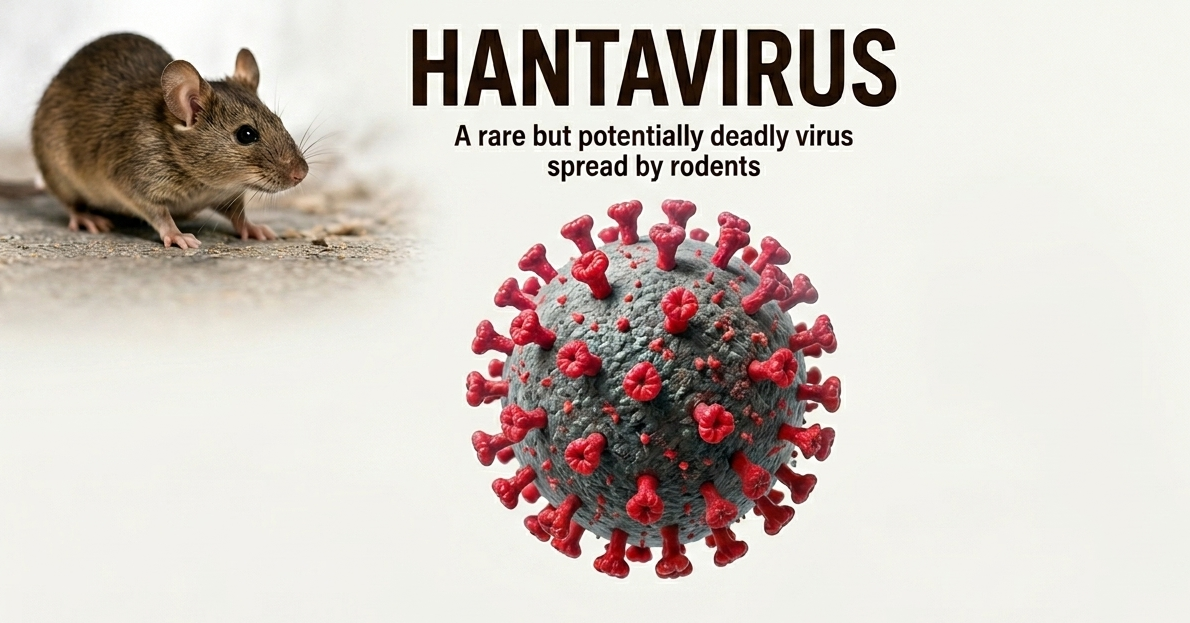
Hantaviruses belong to a family of viruses spread primarily by rodents. In North America, the deer mouse serves as the primary carrier.
Hantavirus Pulmonary Syndrome (HPS) — the most common form in North America, affecting the lungs
Hemorrhagic Fever with Renal Syndrome (HFRS) — more common in Europe and Asia, targeting the kidneys
These animals shed the virus in their urine, droppings, and saliva.
When rodent waste dries, the virus becomes airborne. Humans contract the illness by inhaling these contaminated dust particles, a process called aerosolization.
You can also become infected through direct contact with broken skin or by touching your face after handling contaminated items.
Signs and Symptoms of Hantavirus
Hantavirus symptoms tend to appear in two distinct phases, which is part of what makes early diagnosis so challenging.
Early Phase (Days 1–5)
These symptoms are nearly identical to the flu, which is why hantavirus is frequently missed at first:
Fever (often 101–104°F)
Fatigue and extreme tiredness
Muscle aches, particularly in the thighs, hips, back, and shoulders
Headaches
Chills
Nausea, vomiting, or diarrhea (in approximately half of patients)
Late Phase (Days 4–10)
This is where hantavirus becomes life-threatening:
Coughing — often with fluid buildup in the lungs
Shortness of breath — can progress rapidly to respiratory failure
Tightness in the chest
Fluid accumulating in the lungs (pulmonary edema)
The transition from the early to the late phase can occur within hours. This rapid deterioration is what makes recognizing early warning signs of hantavirus so critical.
Causes and Risk Factors
How Do You Get Hantavirus?
The primary route of infection is inhalation of aerosolized particles from rodent urine, feces, or saliva. This can happen when you:
Sweep or vacuum areas contaminated with rodent droppings
Disturb nesting materials in sheds, barns, or attics
Handle infected rodents directly
Bites from infected rodents can also transmit the virus, though this is less common.
Who Is Most at Risk?
Certain activities and environments significantly raise your exposure risk:
Rural homeowners and farmers — particularly those in the Southwest, Pacific Northwest, and Upper Midwest
Campers and hikers who sleep or spend time in areas with high rodent activity
Construction and maintenance workers dealing with old or abandoned structures
People cleaning out long-unused spaces — garages, storage units, cabins, barns
Pest control workers with frequent rodent contact
Why This Matters for Your Health
Hantavirus isn’t just a “rural problem.” With increasing outdoor recreation, remote work trends pushing people into rural areas, and rodent populations expanding into suburban environments, exposure risks are growing for more Americans.
When left unrecognized or untreated, hantavirus pulmonary syndrome can cause:
Acute respiratory distress syndrome (ARDS)
Organ failure, particularly affecting the heart and kidneys
Cardiogenic shock — a dangerous drop in the heart’s ability to pump blood
Death, in nearly 4 in 10 confirmed cases
Diagnosis
There is no rapid at-home test for hantavirus. Diagnosis requires a clinical evaluation combined with laboratory testing.
Your physician will typically order:
Complete blood count (CBC) — low platelet count and elevated white blood cells are key indicators
Comprehensive metabolic panel — to assess kidney and liver function
Chest X-ray or CT scan — to detect fluid in the lungs
Hantavirus-specific antibody tests — including IgM and IgG serology, available through state health departments and the CDC
Polymerase chain reaction (PCR) testing — to detect viral genetic material in early infection
Diagnosis is often made in combination with a thorough exposure history. If you’ve recently been in a rodent-contaminated environment and develop flu-like symptoms, tell your doctor immediately — this context is critical.
Treatment Options
There is currently no FDA-approved antiviral drug specifically for hantavirus. Treatment is supportive and focused on managing symptoms and preventing complications.
In a hospital or ICU setting, this typically includes:
Supplemental oxygen therapy to support breathing
Mechanical ventilation in severe respiratory failure
IV fluids were carefully managed to avoid worsening fluid buildup in the lungs
Extracorporeal membrane oxygenation (ECMO) in the most critical cases
Monitoring blood pressure and heart function continuously
The antiviral ribavirin has been studied but has not shown conclusive benefit for HPS in clinical trials.
The most powerful form of “treatment” is actually prevention and early detection, which is where primary care plays a vital role.
Prevention Tips: How to Protect Yourself and Your Family
Preventing hantavirus is largely about controlling rodent exposure. Here’s what actually works:
Seal your home against rodents:
Close gaps larger than a dime in walls, foundations, and around pipes
Use steel wool and caulk to seal entry points
Keep firewood, debris, and clutter away from your home’s exterior
Clean safely when rodents are suspected:
Never sweep or vacuum rodent droppings dry — this aerosolizes the virus
Wear rubber or plastic gloves and an N95 respirator mask
Wet down contaminated areas with a 10% bleach solution before cleaning
Double-bag all waste and dispose of it properly
Store food and trash properly:
Use rodent-proof containers for pet food, birdseed, and pantry items
Keep trash cans tightly sealed
Clean up food debris quickly and consistently
Outdoor and camping precautions:
Avoid sleeping on bare ground in rodent-prone areas
Use a tent with a floor when camping
Keep your camp clean and free of food scraps
Workplace safety:
If your job involves potential rodent exposure, use proper PPE
Follow OSHA guidelines for rodent contamination cleanup
When to See a Doctor
Seek urgent medical care if you experience any of the following after potential rodent exposure:
Fever above 101°F with muscle aches, particularly in the thighs or back
Rapid or difficult breathing
Dry cough that develops within days of flu-like symptoms
Sudden chest tightness or pressure
Dizziness or confusion
How Primary Care Can Help?
At Passion Health Primary Care, we understand that health concerns don’t always fit neatly into a schedule — and that fear of the unknown can be paralyzing. Our team of experienced primary care physicians provides:
Thorough exposure history evaluations for patients concerned about rodent contact
Ordering and interpreting hantavirus-specific lab work in coordination with state health authorities
Preventive care counseling for patients who live or work in high-risk environments
Urgent same-day appointments for symptoms that may require prompt attention
Ongoing chronic disease monitoring to ensure any complications are caught early
We don’t just treat illness — we build relationships with patients built on trust, clarity, and evidence-based medicine. Whether you’re worried about a recent exposure or simply want to understand your risk, we’re here to help you navigate it.
Book an appointment with Passion Health Primary Care today.
FAQs: Is It the Flu or Hantavirus?
1. How do I know if my symptoms are flu or hantavirus?
Early symptoms of both can look similar—fever, fatigue, body aches, and chills. The difference is that Hantavirus Pulmonary Syndrome often worsens rapidly within a few days and may progress to shortness of breath and chest tightness, which is not typical in most flu cases.
2. What causes hantavirus infection in humans?
Hantavirus is usually spread through inhalation of airborne particles from rodent urine, droppings, or saliva. It is not commonly spread from person to person in most strains found in the United States.
3. When should I seek medical help?
If you have flu-like symptoms plus recent exposure to rodents or enclosed dusty areas, or if you develop breathing difficulty, chest pressure, or a rapid decline in health, seek urgent medical care immediately.
4. Is there a cure for hantavirus?
There is no specific antiviral cure. Treatment focuses on early hospitalization and supportive care such as oxygen therapy, fluid management, and intensive monitoring.
5. Can hantavirus be prevented?
Yes. Prevention includes avoiding contact with rodents, sealing entry points in homes, wearing protective gear when cleaning contaminated areas, and avoiding dry sweeping in rodent-infested spaces.
6. Is hantavirus common in the United States?
It is rare, but cases do occur each year, especially in rural areas or places with high rodent exposure.
7. How fast does hantavirus progress?
In some cases, symptoms can worsen significantly within 3–7 days, especially once respiratory symptoms begin. Early recognition is critical for better outcomes.