
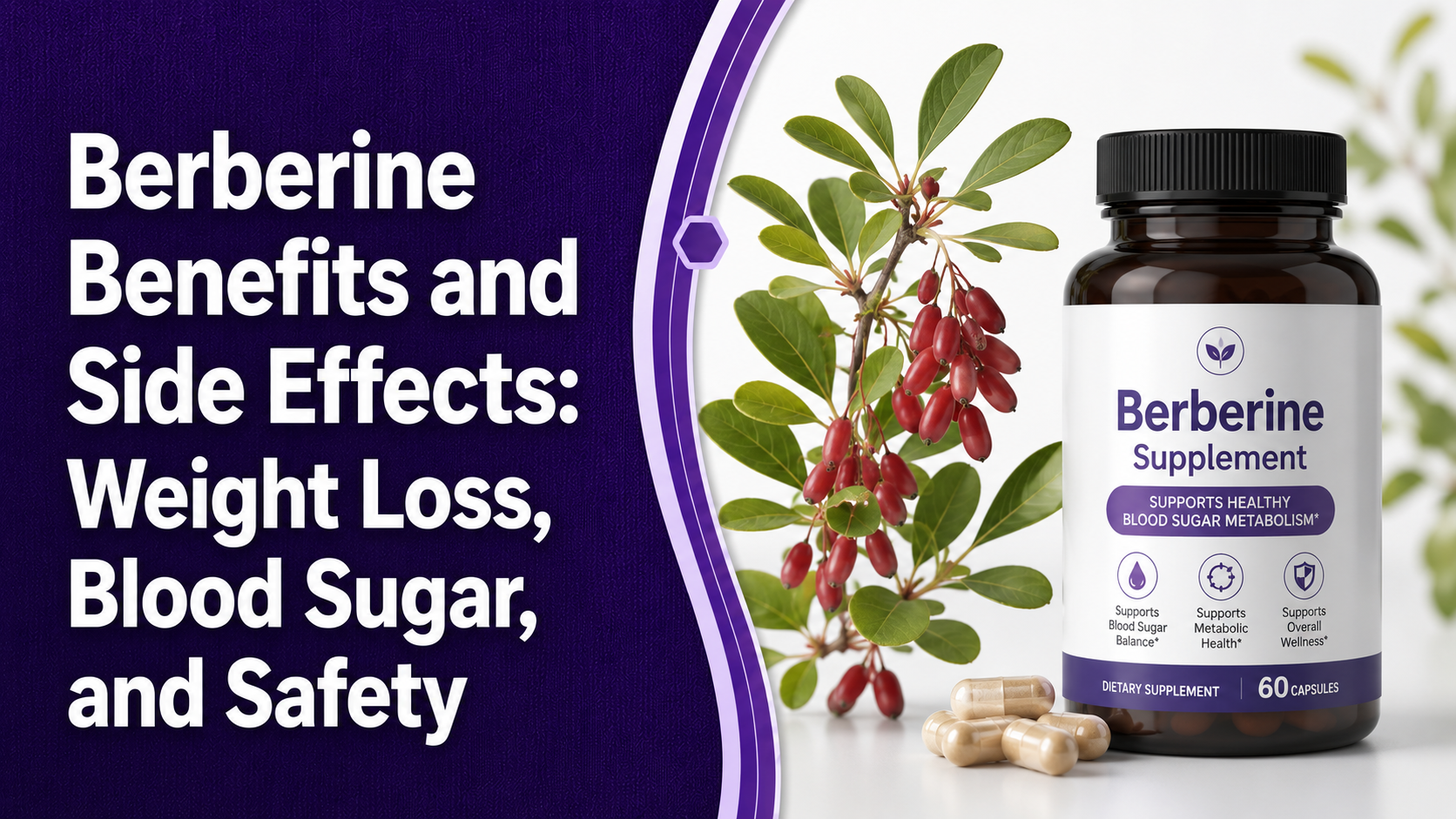
Is berberine safe for weight loss?
Natural supplements can look safe at first glance. However, a plant-based product can still affect blood sugar, blood pressure, digestion, and prescription medicines.
That is why many patients search for berberine benefits and side effects before they take it for weight loss, diabetes support, or cholesterol.
Berberine has become popular because social media often calls it a “natural weight-loss” option. Still, patients need facts, not hype. Berberine may offer mild support for weight management, blood sugar balance, and healthy cholesterol levels.
However, it does not work like prescription GLP-1 medications, and it should not replace medical treatment.
Berberine may support metabolism, but it is not FDA-approved for weight loss.
Before starting berberine, speak with a provider. Book an appointment with Passion Health Primary Care to review your medications, lab results, weight goals, and safety risks.
Berberine Benefits and Side Effects: What Is Berberine?
Berberine is a natural plant compound found in several herbs, including barberry, goldenseal, and Oregon grape.
Supplement brands sell it as capsules, powders, gummies, and liquid drops. Many adults use it for weight loss, blood sugar, cholesterol, and metabolism support.
The interest in berberine benefits and side effects comes from how berberine may affect AMPK.
AMPK(Adenosine Monophosphate-Activated Protein Kinase) helps the body manage energy, fat metabolism, and insulin response. In simple terms, this pathway may help the body use energy more efficiently.
However, berberine is still a supplement. The FDA does not approve dietary supplements before they enter the market, so quality, strength, and purity can differ from one product to another.
Berberine Benefits and Side Effects for Weight Loss
Many patients first hear about berberine because of weight loss. Berberine may help some adults lose a small amount of weight, especially when they also improve food choices, physical activity, sleep, and stress habits.
Berberine may support small weight changes in some people, but the results are usually mild and should not be compared with strong medical weight-loss treatments. That result can help some patients, but it is not dramatic.
So, patients should not expect berberine to melt fat quickly. It may support a healthy plan, but it cannot replace the plan.
Weight gain often comes from insulin resistance, thyroid problems, sleep issues, PCOS, menopause, stress, certain medicines, or poor eating patterns. Therefore, a real weight-loss plan should look deeper than one supplement.
Berberine Benefits and Side Effects: Weight Loss Expectations
Berberine may help with weight loss by supporting insulin sensitivity, fat metabolism, and appetite control. Still, it works best when patients also focus on:
Healthy meals with enough protein
High-fiber foods
Regular walking or exercise
Strength training
Better sleep
Lower sugar intake
Medical checkups
Lab testing when needed
As a result, berberine may become one small part of a bigger care plan. It should not become the whole plan.
Berberine Benefits and Side Effects for Blood Sugar
Blood sugar control is one of the most common reasons patients ask about berberine benefits and side effects.
Berberine may support insulin function and help the body manage blood sugar more effectively. It may also support healthier glucose levels after meals.
This may seem promising for adults with prediabetes or insulin resistance, but it also needs careful medical guidance. However, it can also create risk.
If a patient already takes diabetes medicine, berberine may lower blood sugar too much.
Low blood sugar can cause sweating, shaking, dizziness, hunger, weakness, confusion, or a fast heartbeat.
NCCIH warns that berberine can interact with medicines and advises patients who take medications to speak with a healthcare provider before using berberine supplements.
Who Should Be Careful With Berberine?
A patient should ask a provider before taking berberine if they use:
Transplant medicine
Multiple daily prescriptions
Other supplements that affect blood sugar
This step matters because supplement interactions can happen quietly. A patient may not notice a problem until blood sugar, blood pressure, or digestion changes.
Berberine Benefits and Side Effects for Cholesterol
Some adults take berberine for cholesterol and triglycerides. berberine may help with blood sugar, lipid levels, blood pressure, and gut health, but patients should stay careful with medication interactions.
Berberine may support mild cholesterol improvement for some adults. However, it does not replace statins or other heart-protection medicines when a provider prescribes them.
High cholesterol can raise the risk of heart attack and stroke, so patients should not stop prescribed medicine without medical advice.
Instead, patients should use lab results to guide decisions. A primary care visit can check LDL cholesterol, HDL cholesterol, triglycerides, A1C, liver function, kidney function, blood pressure, and weight trends.
Berberine Benefits and Side Effects for Gut Health
Berberine may affect gut bacteria and digestion. Some patients may notice better digestion. Others may develop stomach discomfort. This is why berberine benefits and side effects should always appear together in patient education.
Common digestive side effects include nausea, stomach pain, bloating, constipation, diarrhea, and vomiting. NCCIH lists these as reported side effects in research studies.
If a patient develops severe diarrhea, vomiting, dizziness, rash, yellowing of the skin, or unusual weakness, they should stop the supplement and contact a healthcare provider.
Berberine Benefits and Side Effects vs GLP-1 Medications
Many online posts compare berberine with GLP-1 medications. This comparison can confuse patients. Berberine does not work the same way as GLP-1 medicines.
GLP-1 medications affect appetite, digestion speed, and blood sugar through hormone pathways.
Berberine works differently through metabolic pathways such as AMPK. Also, prescription GLP-1 medicines have stronger clinical evidence for weight loss than berberine.
Therefore, patients should not call berberine a replacement for medical weight-loss treatment. It may support metabolism, but it does not offer the same level of weight-loss results as prescription therapy.
If a patient wants weight-loss help, a provider can review the right options. These may include nutrition changes, activity plans, lab testing, treatment for insulin resistance, prescription medication, or referral support.
Safety Risks
Safety matters more than trends. Berberine may help some adults, but it can create problems for others.
NCCIH warns that Women who are expecting a baby, breastfeeding women, and infants should avoid berberine. It may cause or worsen jaundice in newborn infants and may lead to serious complications.
Patients should also use caution if they have liver disease, kidney disease, low blood sugar episodes, low blood pressure, planned surgery, or complex medication schedules.
Berberine Can Interact With Medications
Berberine can interact with several medications, including metformin, cyclosporine, omeprazole, losartan, and others.
That does not mean every patient will have a dangerous reaction. However, it does mean patients should not guess. A provider can check whether berberine fits safely with the current medication list.
How to Use Berberine More Safely
Patients should not start berberine just because a social media video recommends it. A safer plan starts with a medical review.
Before taking berberine, ask:
What health goal am I trying to improve?
Do I have recent A1C and cholesterol results?
Do I take medicine for diabetes or blood pressure?
Could berberine interact with my prescriptions
Is the supplement third-party tested?
How long should I take it before reassessment?
What side effects should make me stop?
Also, choose supplements carefully. Since the FDA does not approve supplements before marketing, patients should look for brands that use third-party testing and clear ingredient labels.
When to See a Doctor
Schedule a primary care visit before using berberine if you have diabetes, prediabetes, high blood pressure, high cholesterol, liver problems, kidney problems, or daily prescription medications.
Also, see a doctor if you already take berberine and notice:
Severe stomach pain
Long-lasting diarrhea
Vomiting
Dizziness
Very low blood sugar symptoms
Very low blood pressure symptoms
Yellow skin or eyes
Extreme fatigue
Confusion
Allergic reaction symptoms
These symptoms need attention. Supplements can still cause real side effects.
Final Takeaway
Berberine benefits and side effects deserve careful attention. Berberine may support modest weight loss, blood sugar control, cholesterol improvement, metabolism, and gut health.
However, it can also cause nausea, diarrhea, constipation, bloating, vomiting, medication interactions, and blood sugar changes.
Berberine is not a miracle supplement. It is not the same as GLP-1 medicine.
It is not FDA-approved for weight loss. Most importantly, it may not suit every patient.
A safer path starts with facts, lab results, and medical guidance.
Book an appointment with Passion Health Advanced Primary Care today to discuss berberine, weight loss, blood sugar, cholesterol, and a personalized plan that protects your health.
FAQs About Berberine Benefits and Side Effects
1. What are the main berberine benefits?
Berberine may support weight management, blood sugar balance, cholesterol levels, and metabolism. However, results can vary, and berberine should not replace prescribed medicines or a medical weight-loss plan.
2. Can berberine help with weight loss?
Berberine may help some people with mild weight management support, especially when they also follow healthy eating, exercise, sleep, and stress-control habits. However, it is not a quick fat-loss solution or an FDA-approved weight-loss medicine. Dietary supplements are not approved by the FDA before marketing.
3. What are the common side effects of berberine?
Common side effects include nausea, stomach pain, bloating, constipation, diarrhea, and vomiting. These side effects mainly affect the digestive system.
4. Who should avoid berberine?
Breastfeeding women, infants, and young children should avoid berberine unless a healthcare provider gives specific guidance. NCCIH warns that berberine may be unsafe for infants and may also be unsafe during pregnancy or breastfeeding.
5. Should I talk to a doctor before taking berberine?
Yes. Talk to a doctor before taking berberine, especially if you use medicines for diabetes, blood pressure, cholesterol, blood thinning, or organ transplant care. Berberine may interact with medications and may affect blood sugar or blood pressure.