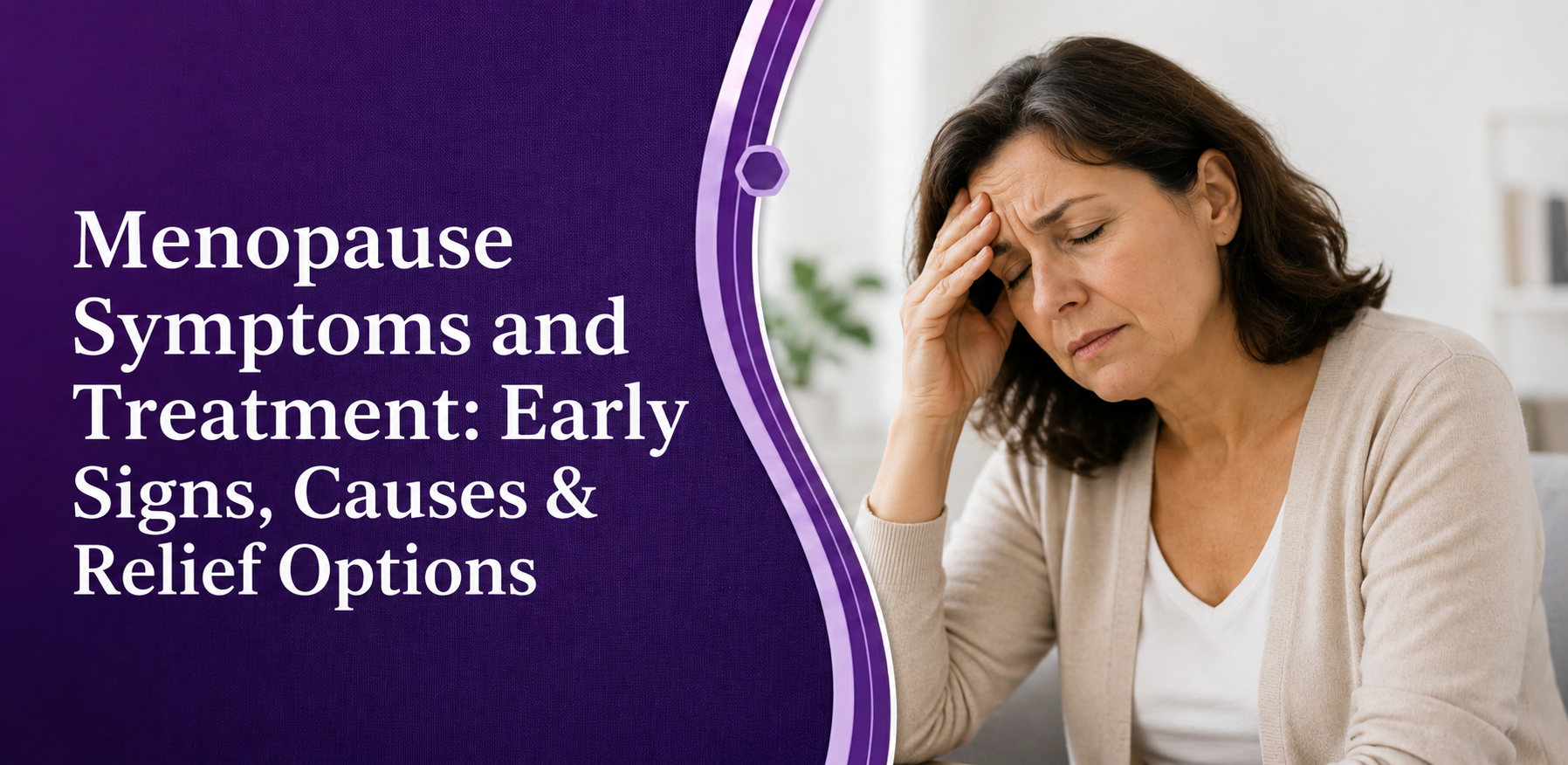
Menopause Symptoms and Treatment: When Normal Changes Become Warning Signs
Menopause can feel confusing when your body starts changing without warning. One month, your period may arrive late.
The next month, you may wake up sweating at night, feel more tired than usual, or notice mood changes that do not feel like you.
Many women brush these signs aside because life is busy. However, these early changes can be your body’s way of saying that hormone levels are shifting.
Menopause is a natural stage of life, but that does not mean every symptom should be ignored.
Hot flashes, sleep problems, irregular periods, vaginal dryness, weight changes, and brain fog can affect daily comfort, confidence, relationships, and long-term health.
Menopause is confirmed after 12 straight months without a menstrual period, and it usually happens around age 52.
Understanding Menopause Symptoms and Treatment helps women know what is normal, what needs medical attention, and when to speak with a healthcare provider.
If symptoms interrupt your sleep, mood, work, or daily routine, do not wait until they become harder to manage.
Book an appointment with Passion Health Primary Care for personalized menopause care, symptom evaluation, and treatment guidance.
Menopause Symptoms and Treatment: What Is Menopause?
Menopause happens when the ovaries gradually produce less estrogen and progesterone.
These hormones help control the menstrual cycle, support bone health, affect cholesterol levels, and influence many body systems. As hormone levels drop, periods become irregular and eventually stop.
Menopause itself is not a disease. It is a natural transition. Still, the symptoms can feel intense for some women. Others may notice only mild changes.
That is why Menopause Symptoms and Treatment should never follow a one-size-fits-all approach.
A woman reaches menopause after going 12 months without a period. After that, she enters postmenopause, which lasts for the rest of her life.
During this time, lower estrogen levels may increase the risk of bone loss and heart-related concerns, so regular checkups matter.
The Three Stages of Menopause Symptoms and Treatment
Menopause does not happen overnight. It usually develops in stages.
Perimenopause
Perimenopause is the transition before menopause. It can begin years before the final period, often during the 40s. During this stage, estrogen levels rise and fall unevenly. Because of this, symptoms may come and go.
Common perimenopause signs include:
Irregular periods
Heavier or lighter bleeding
Hot flashes
Night sweats
Mood changes
Trouble sleeping
Low energy
Brain fog
Breast tenderness
Some women think they are too young for menopause-related changes. However, perimenopause can begin earlier than expected. If symptoms start before age 45, a healthcare provider can help rule out other causes.
Menopause
Menopause is the point at which periods have stopped for 12 full months. At this stage, the ovaries no longer release eggs regularly, and estrogen levels stay lower.
Symptoms may continue during this time. Hot flashes, sleep disruption, vaginal dryness, and mood changes can still affect daily life. This is often when women start searching for Menopause Symptoms and Treatment because symptoms become harder to ignore.
Postmenopause
Postmenopause begins after menopause. Some symptoms may improve, but others may continue for years.
Vaginal dryness, urinary urgency, painful intercourse, bone loss, and heart health risks may become more important after menopause.
Postmenopause is not the time to stop paying attention to health. In fact, this stage makes preventive care even more important.
Early Menopause Symptoms Women Should Watch
Every woman experiences menopause differently. Still, some symptoms appear often and should not be ignored.
Irregular Periods
One of the first signs is a change in your menstrual cycle. Periods may become shorter, longer, heavier, lighter, or unpredictable. You may skip a month and then have bleeding again.
However, not all bleeding changes are “just menopause.” Contact a healthcare provider if your bleeding becomes very heavy, lasts longer than usual, happens after sex, or returns after menopause.
Hot Flashes and Night Sweats
Hot flashes can feel like sudden heat spreading through the body. They may cause sweating, flushing, rapid heartbeat, or discomfort. Night sweats can wake you up and leave you tired the next day.
According to a JAMA review, about 50% to 75% of women experience hot flashes, night sweats, or both during the menopausal transition.
Sleep Problems
Poor sleep can quickly affect mood, memory, appetite, and work performance. Some women wake up because of night sweats. Others struggle with anxiety, restlessness, or frequent urination.
When sleep loss continues, it can make every other symptom feel worse. That is why sleep concerns deserve attention during Menopause Symptoms and Treatment planning.
Mood Changes and Irritability
Hormone changes can affect emotions. Some women feel more anxious, sensitive, angry, or low than usual.
These changes can feel frustrating, especially when they appear suddenly.
However, mood changes may also come from poor sleep, stress, thyroid problems, or other health issues. A primary care evaluation can help identify the real cause.
Brain Fog and Memory Lapses
Many women report trouble focusing, forgetfulness, or slower thinking during menopause. This can feel scary, especially when it affects work or daily tasks.
In many cases, brain fog connects with hormone changes, poor sleep, stress, or mood shifts. Still, sudden or severe memory problems need medical evaluation.
Vaginal Dryness and Urinary Changes
Lower estrogen can affect vaginal and urinary tissues. Some women notice dryness, irritation, discomfort during sex, urinary urgency, or more frequent bathroom trips.
These symptoms are common, but they are not something women must silently tolerate. Treatment options are available.
Menopause Symptoms and Treatment: What Causes These Changes?
The main cause of menopause symptoms is changing hormone levels. Estrogen and progesterone affect more than periods. They influence temperature control, sleep, mood, skin, bones, cholesterol, and vaginal health.
As estrogen declines, the body has to adjust. This adjustment can trigger symptoms in different areas at the same time. That is why one woman may experience hot flashes and sleep problems, while another may struggle more with mood changes or vaginal dryness.
Other factors can also make symptoms worse, including:
Smoking
Alcohol use
Spicy foods
Caffeine
Sedentary lifestyle
Certain medications
Existing health conditions
Menopause Symptoms and Treatment Options
Treatment depends on your symptoms, medical history, age, and personal risk factors. Some women need only lifestyle changes. Others may benefit from medication or hormone therapy.
Lifestyle Changes for Menopause Relief
Small daily changes can reduce symptom intensity and improve overall health.
Helpful steps include:
Keep your bedroom cool at night
Wear light layers
Limit spicy foods if they trigger hot flashes
Reduce caffeine if it affects sleep
Stay physically active
Practice stress control
Maintain a healthy weight
Avoid smoking
Follow regular preventive checkups
Exercise helps support mood, sleep, weight, heart health, and bone strength. Even walking, swimming, stretching, or light strength training can make a difference.
Hormone Therapy
Hormone therapy may help women with moderate to severe symptoms, especially hot flashes, night sweats, and vaginal dryness.
Systemic estrogen therapy, alone or combined with progestogen when needed, can reduce vasomotor symptoms by about 75%.
However, hormone therapy is not right for everyone. A provider should review your age, symptoms, uterus status, personal medical history, and risk factors before recommending it.
Nonhormonal Treatment Options
Some women cannot or do not want to use hormone therapy. In those cases, nonhormonal medications and therapies may help.
Certain nonhormonal medications can reduce vasomotor symptoms by about 40% to 65%.
Nonhormonal options may include prescription medications, cognitive behavioral therapy, lifestyle changes, and targeted treatment for sleep or mood concerns.
Vaginal and Urinary Symptom Treatment
Vaginal dryness, irritation, and urinary discomfort can affect comfort and confidence. Options may include lubricants, moisturizers, low-dose vaginal estrogen, or other prescription treatments.
Do not feel embarrassed to discuss these symptoms. Primary care providers hear these concerns often, and effective care can improve quality of life.
When Should You See a Doctor?
You should schedule a visit if menopause symptoms affect your sleep, mood, energy, relationships, work, or daily routine. You should also seek medical care if your symptoms feel unusual, severe, or sudden.
Contact a healthcare provider if you notice:
Very heavy bleeding
Bleeding between periods
Bleeding after sex
Bleeding after menopause
Severe mood changes
Frequent night sweats
Painful intercourse
Urinary discomfort
Unexplained weight changes
Symptoms before age 45
Do not assume every symptom comes from menopause. Thyroid problems, anemia, diabetes, infections, medication effects, and other conditions can cause similar symptoms.
Menopause Symptoms and Treatment for Long-Term Health
Menopause care is not only about hot flashes. It also includes long-term prevention.
Lower estrogen can affect bone strength and heart health. Postmenopausal women have a higher risk for osteoporosis and cardiovascular disease, partly due to lower estrogen levels.
A good menopause care plan may include:
Cholesterol screening
Blood sugar screening
Bone health evaluation
Weight management support
Sleep and mood assessment
Medication review
Preventive screenings
This is where primary care becomes powerful. Instead of treating one symptom at a time, your provider can look at the full picture.
Final Thoughts
Menopause is natural, but suffering through symptoms is not required. Irregular periods, hot flashes, night sweats, mood changes, sleep problems, vaginal dryness, and brain fog can all affect quality of life. More importantly, some changes may signal a need for medical evaluation.
The best approach to Menopause Symptoms and Treatment starts with listening to your body.
Track your symptoms, notice what triggers them, and talk to a healthcare provider before symptoms take control of your routine.
With the right care, menopause can become a manageable transition instead of a confusing struggle.
Book an appointment with Passion Health Primary Care today for trusted menopause symptom evaluation, preventive screenings, and personalized treatment support.
FAQS
1. What are the first signs of menopause?
The first signs of menopause often include irregular periods, hot flashes, night sweats, mood changes, sleep problems, weight changes, and brain fog. Some women also notice vaginal dryness or lower energy during the early transition.
2. At what age does menopause usually start?
Menopause usually happens around age 52. However, perimenopause can begin years earlier, often in the 40s. If symptoms start before age 45, it is a good idea to speak with a healthcare provider.
3. How do I know if I am in menopause?
You are officially in menopause when you have gone 12 straight months without a menstrual period. Blood tests may help in some cases, but symptoms and menstrual history are usually very important for diagnosis.
4. Are hot flashes and night sweats normal during menopause?
Yes, hot flashes and night sweats are common during menopause. However, if they disturb your sleep, affect your daily routine, or happen frequently, treatment options may help.
5. What is the best treatment for menopause symptoms?
The best treatment depends on your symptoms, age, health history, and risk factors. Options may include lifestyle changes, hormone therapy, nonhormonal medications, vaginal treatments, and regular preventive care.
6. Can menopause cause mood swings and anxiety?
Yes, hormone changes during menopause can contribute to mood swings, irritability, anxiety, and emotional changes. Poor sleep and stress can make these symptoms worse, so proper evaluation is important.
7. When should I see a doctor for menopause symptoms?
You should see a doctor if symptoms affect your sleep, mood, energy, relationships, or daily life. You should also seek care for heavy bleeding, bleeding after menopause, severe mood changes, painful intercourse, or symptoms before age 45.
8. Can menopause increase health risks?
Yes, after menopause, lower estrogen levels may increase the risk of bone loss and heart-related problems. Regular checkups, screenings, exercise, and preventive care can help protect long-term health.