Key Takeaways
- HLHS occurs when the left side of a baby’s heart does not develop fully.
- Newborns with HLHS need immediate care from a pediatric heart specialist.
- The Norwood, Glenn and Fontan surgeries redirect blood flow in stages.
- Treatment improves circulation but does not completely cure the condition.
- Advances in care help many children with HLHS reach adolescence and adulthood.
- Lifelong cardiology and primary care support heart health, growth and development.
What Families Should Know About HLHS
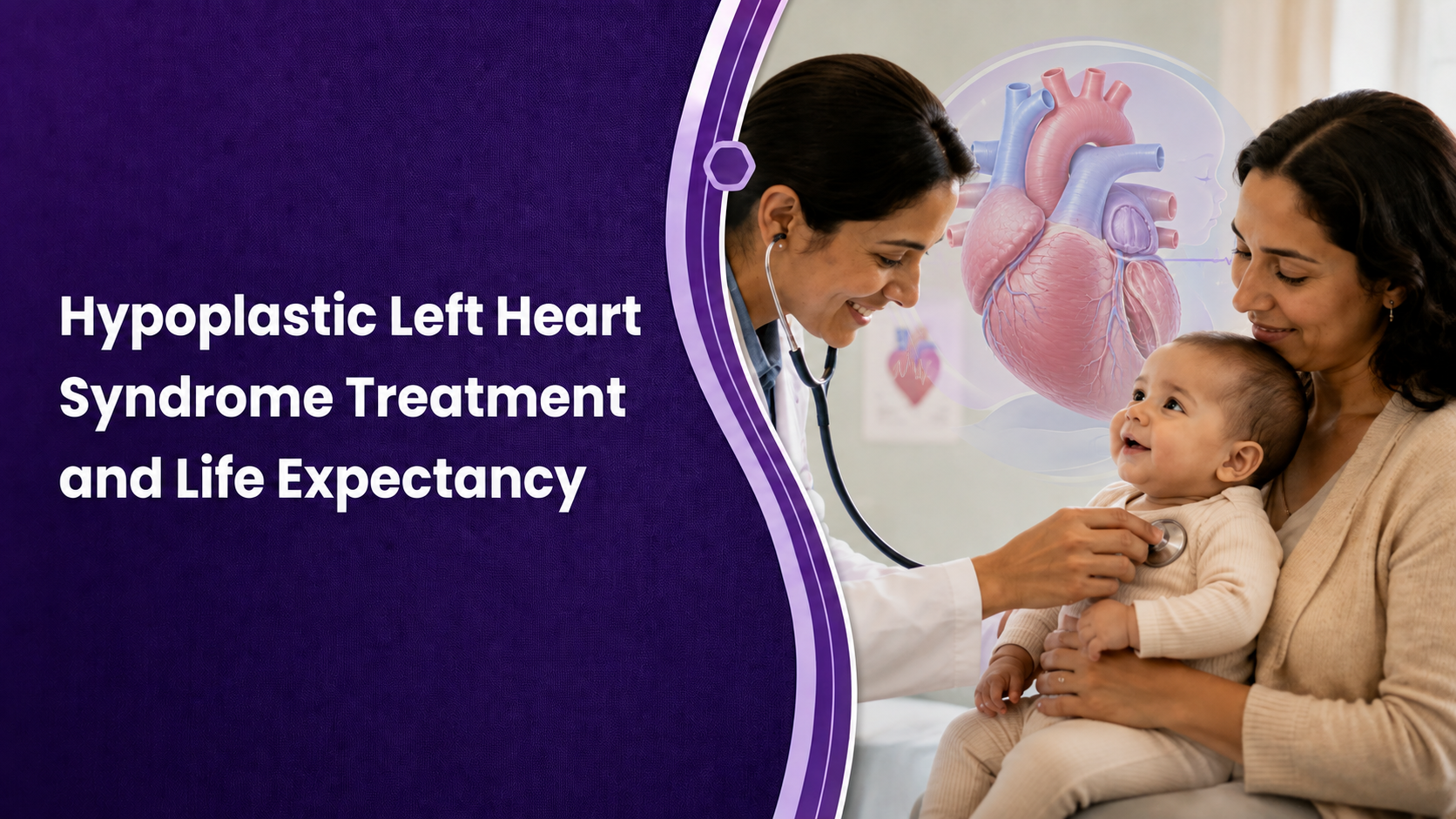
When a newborn’s heart cannot pump enough oxygen-rich blood, every hour—and every healthcare decision—matters. Hypoplastic left heart syndrome, or HLHS, is a critical congenital heart defect that affects the left side of a baby’s heart.
Although surgery cannot create a normal left ventricle, modern hypoplastic left heart syndrome treatment can improve circulation and help more children live longer.
A pediatric cardiologist and cardiac surgeon must direct the child’s heart care. Meanwhile, a primary care provider can support growth, nutrition, development, vaccinations, and everyday healthcare. Together, these professionals help families manage the heart condition without overlooking the child’s overall well-being.
What Is Hypoplastic Left Heart Syndrome?
HLHS develops when structures on the left side of the heart fail to grow fully during pregnancy. These structures may include the left ventricle, mitral valve, aortic valve and ascending aorta. Because the left side cannot pump enough oxygen-rich blood, the right side must supply blood to both the lungs and the body.
Before birth, two natural openings help blood move through the baby’s heart. Doctors call them the ductus arteriosus and foramen ovale. After delivery, these openings normally start to close. However, a baby with HLHS depends on them for circulation. Therefore, symptoms can appear quickly as the openings narrow.
According to the CDC, approximately 1 in 3,846 babies, or about 925 infants, develop HLHS each year in the United States.
What Causes HLHS?
Doctors do not know the exact cause in most cases. However, changes in genes or chromosomes may contribute to some congenital heart defects. Researchers also continue to examine how genetic, environmental, and pregnancy-related factors may work together.
Parents should understand that they did not cause the condition through an ordinary action during pregnancy. In addition, no proven strategy can completely prevent HLHS. Families with a history of congenital heart disease may benefit from genetic counseling before a future pregnancy.
Symptoms of Hypoplastic Left Heart Syndrome
A baby may look stable immediately after delivery because the temporary heart openings still support circulation. Nevertheless, symptoms can develop within hours or days as those openings begin to close.
Common warning signs include:
Blue, gray, or ashen skin, lips, or fingernails
Rapid or difficult breathing
Fast or weak pulse
Poor feeding
Cold hands and feet
Unusual sleepiness
Low activity
Difficulty gaining weight
Without prompt hypoplastic left heart syndrome treatment, a baby may develop shock. Cool, clammy skin, severe breathing problems, or reduced responsiveness require emergency care. [Mayo Clinic]
How Doctors Diagnose HLHS
Doctors may detect HLHS during pregnancy through a prenatal ultrasound. If an ultrasound shows a possible heart abnormality, the care team may recommend a fetal echocardiogram. This detailed ultrasound helps specialists examine the baby’s heart structure and blood flow.
An early diagnosis also helps the family prepare for delivery near a hospital with pediatric cardiac specialists. As a result, the baby can receive immediate evaluation and treatment after birth.
After delivery, doctors look for physical symptoms, low oxygen levels, and abnormal heart sounds. They usually confirm the diagnosis with an echocardiogram. Additionally, newborn pulse-oximetry screening may identify low blood oxygen before obvious symptoms develop.
How Does Hypoplastic Left Heart Syndrome Treatment Begin?
The medical team must stabilize the baby before surgery. First, doctors may give prostaglandin medicine to keep the ductus arteriosus open. This opening allows the right side of the heart to continue supplying blood to the body.
Some babies also need breathing support or medicines that strengthen heart function, control blood pressure, or remove excess fluid. Furthermore, feeding may require special attention because babies with HLHS often become tired before consuming enough milk.
The care team may recommend high-calorie formula or fortified breast milk to support growth. In some situations, a feeding tube provides the nutrition the baby needs. Every decision depends on the baby’s anatomy, oxygen level, weight, and overall condition.
The Three Stages of HLHS Surgery
Surgery forms the central part of hypoplastic left heart syndrome treatment. Surgeons usually complete three staged procedures that reroute circulation and allow the right ventricle to become the heart’s main pumping chamber.
1. Norwood Procedure
Surgeons usually complete the Norwood procedure within the first two weeks of life. During this operation, they construct a new pathway that allows the right ventricle to send blood to the body. They also create a route that supplies blood to the lungs.
The Norwood procedure involves complex heart reconstruction. Therefore, the baby needs close monitoring before and after surgery. Some mixing of oxygen-rich and oxygen-poor blood continues after this stage, so the baby’s skin may still appear mildly blue.
2. Bidirectional Glenn Procedure
The Glenn procedure commonly takes place when the baby reaches four to six months. Surgeons connect the superior vena cava, which carries blood from the upper body, directly to the pulmonary arteries.
Consequently, blood can flow toward the lungs without first passing through the right ventricle. This change reduces the ventricle’s workload and prepares circulation for the final surgical stage.
3. Fontan Procedure
Surgeons often complete the Fontan procedure between 18 months and three years of age. They direct blood from the lower body toward the pulmonary arteries. Afterward, most oxygen-poor blood travels directly to the lungs before returning to the heart.
These surgeries improve circulation, but they do not cure HLHS. In complex cases, a child may need additional procedures or a heart transplant. The British Heart Foundation emphasizes that ongoing appointments remain essential even when a child feels well.
What Is the Outlook After Treatment?
Families often search for one specific survival rate. However, no percentage can predict an individual child’s outcome. Prognosis depends on the baby’s heart anatomy, birth weight, additional medical conditions, surgical response, and treatment-center experience.
The first year often carries the greatest risk. Still, advances in hypoplastic left heart syndrome treatment have helped more children reach adolescence and adulthood.
Long-term concerns may include irregular heart rhythms, reduced exercise tolerance, poor growth, and developmental challenges. Consequently, every child requires lifelong congenital heart follow-up.
What Is the Life Expectancy for Someone With HLHS?
There is no single life-expectancy number for everyone with hypoplastic left heart syndrome. However, advances in surgery and ongoing medical care have greatly improved the outlook, allowing many children with HLHS to reach adolescence and adulthood.
Long-term outcomes depend on heart function, treatment response and other health conditions. Therefore, lifelong follow-up with congenital heart specialists remains essential. Primary care providers also support growth, vaccinations, nutrition and overall wellness throughout every stage of life. (Mayo Clinic)
How Primary Care Supports Children With HLHS
Cardiac specialists manage the heart defect, while primary care providers focus on the child’s broader health. This partnership becomes especially important after hospital discharge and between cardiology appointments.
A primary care provider can help with:
Growth and weight monitoring
Feeding and nutrition concerns
Routine childhood vaccinations
Developmental and behavioral screening
Common infections and illnesses
Medication-list review
Mental and emotional health
Specialist referrals
School and activity guidance
Transition planning for adult healthcare
Because HLHS creates complex needs, primary care providers should communicate with the cardiology team. Likewise, parents should share the child’s surgeries, medicines and care plan with every healthcare professional.
Your child’s cardiology team must manage HLHS. However, Passion Health Advanced Primary Care can support routine pediatric healthcare, developmental monitoring and family wellness while coordinating with appropriate specialists.
Healthy Living and Preventive Care
Children with HLHS may have less energy than other children. Even so, many can participate in school and suitable activities with guidance from their cardiologist. Families should ask the specialist which exercises remain safe and whether the child needs any restrictions.
Good dental hygiene also matters because people with certain heart conditions face a higher risk of endocarditis, an infection involving the heart’s inner lining or valves. However, families should never start preventive antibiotics without medical or dental guidance.
Moreover, regular vaccinations, balanced nutrition, and scheduled health examinations help protect overall health. Parents should also watch for changes in stamina, breathing, appetite, weight, or skin color and report concerns promptly.
When to Seek Emergency Care
If a child with HLHS develops:
Blue or gray lips or skin
Severe or rapidly worsening breathing difficulty
Fainting or loss of responsiveness
A very fast, weak, or irregular pulse
Sudden extreme weakness
Major feeding difficulty
Cold, clammy skin
A concerning change in oxygen level
Primary care can address many routine needs, but these warning signs require emergency assessment or immediate guidance from the cardiac team.
Lifelong Care Requires a Coordinated Team
Hypoplastic left heart syndrome treatment begins during infancy, but healthcare needs continue throughout life. Although the journey can feel overwhelming, coordinated follow-up helps families make informed decisions. Parents should understand emergency signs, follow the cardiology plan, and maintain preventive care.
Your child’s cardiology team manages HLHS, while everyday care supports overall health.
Schedule routine pediatric and preventive care with Passion Health Advanced Primary Care.
Frequently Asked Questions
1. Can doctors cure hypoplastic left heart syndrome?
No current procedure creates a normal left ventricle. Instead, hypoplastic left heart syndrome treatment reroutes circulation and allows the right ventricle to pump blood to the body.
2. Can a baby survive HLHS?
Many babies survive with timely specialist treatment. However, each child’s outlook depends on individual medical factors, surgical results, and long-term complications.
3. How soon does a baby with HLHS need surgery?
Surgeons commonly perform the Norwood procedure within the first two weeks after birth. Nevertheless, the cardiac team chooses the timing according to the baby’s condition.
4. Does every child need all three operations?
Many children follow the Norwood, Glenn and Fontan pathway. However, anatomy, complications or heart function may lead specialists to recommend another approach.
5. What role does primary care play?
Primary care supports routine examinations, growth, nutrition, vaccinations, development, and care coordination. A congenital cardiologist must continue directing heart-related treatment.

About the Author
Dr. Anantha Chentha is a board-certified internal medicine physician with extensive experience in primary care and chronic disease management. He provides comprehensive, patient-centered care with a focus on prevention, accurate diagnosis, and long-term health management.
View Provider Profile →