
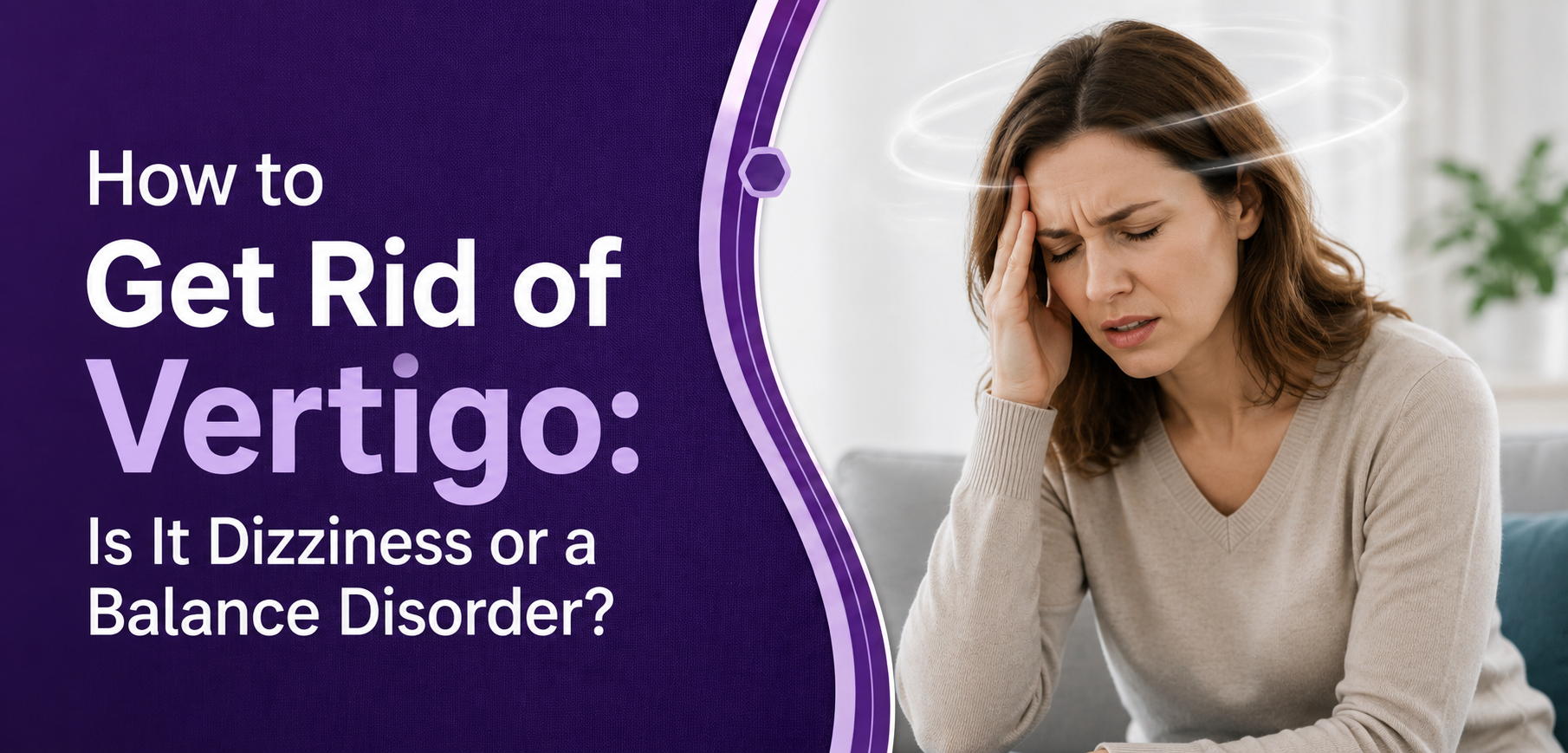
Spinning Dizziness, Balance Trouble, and When to Get Checked
Vertigo can make a normal room feel like it is spinning. Some people feel it when they turn in bed. Others notice it when they stand, bend, walk, or move their head too quickly.
Many patients call it dizziness, but vertigo has a more specific meaning. It often feels like you, the floor, or the room around you is moving when nothing actually moves.
Cleveland Clinic describes vertigo as a spinning sensation and notes that it often comes from another health issue rather than a single disease.
Feeling spinning dizziness, nausea, or balance trouble? Passion Health Advanced Primary Care can help check your symptoms and guide the next safe step.
Patients looking for primary care in Frisco, Irving, Plano, Prosper, Anna, Aubrey, Flower Mound, Ennis, Kaufman, Kemp, Mesquite, McKinney, TX
What Is Vertigo?
Vertigo means your brain receives confusing balance signals. You may feel spinning, tilting, swaying, or falling. Some people also feel nausea, vomiting, ear pressure, ringing in the ear, headache, or trouble walking.
Dizziness can mean many things. A person may feel lightheaded, weak, faint, or unsteady.
Vertigo means a false sense of movement. Vertigo may create spinning, whirling, falling, or tilting sensations.
Types of Vertigo
Doctors often group vertigo into two main types.
Peripheral vertigo starts in the inner ear or balance nerve. This type occurs more often. It may come from BPPV, vestibular neuritis, labyrinthitis, or Ménière’s disease.
Central vertigo starts in the brain or nervous system. This type happens less often, but it needs careful attention, especially when vertigo comes with weakness, vision changes, severe imbalance, or trouble speaking.
What Causes Vertigo?
Vertigo has many possible causes. The most common causes often involve the inner ear.
BPPV happens when tiny crystals in the inner ear move into the wrong area. This can trigger spinning when you roll over in bed, look up, bend down, or turn your head.
Other causes may include vestibular neuritis, labyrinthitis, migraine-related vertigo, Ménière’s disease, low blood pressure, some medicines, head injury, diabetes, heart rhythm problems, or brain-related conditions.
Vertigo causes include migraine, certain medicines, low blood pressure, diabetes, stroke, head injury, and inner ear problems.
Vertigo Symptoms Patients Should Notice
Vertigo does not feel the same for every person. Some symptoms last seconds. Others may come and go for days.
Common symptoms include:
Room-spinning feeling
Nausea or vomiting
Loss of balance
Trouble walking straight
Ringing in the ear
Ear fullness or pressure
Hearing changes
Motion sickness feeling
Fast, uncontrolled eye movement
How to Get Rid of Vertigo Safely
The best way to get rid of vertigo depends on the cause. A simple home tip may help mild symptoms, but recurring vertigo needs medical review.
During an episode, sit or lie down right away. Move slowly. Avoid sudden head turns. Use good lighting at night. Do not drive while symptoms continue. Drink fluids if dehydration may play a role.
Some patients need a repositioning maneuver. For BPPV, a clinician may use the Epley maneuver or another canalith repositioning method to help move inner ear crystals back into place.
Vertigo treatment may include repositioning maneuvers, medicine, vestibular rehabilitation therapy, and rarely surgery.
Can Vertigo Go Away on Its Own?
Sometimes vertigo improves without major treatment. Dizziness often improves as the body adapts over a few weeks. Treatment still depends on the cause and symptoms.
That does not mean every vertigo episode should be ignored. If vertigo keeps coming back, affects walking, causes vomiting, or feels different from your usual symptoms, a medical visit can help find the reason.
How Long Can Post-Vertigo Balance Problems Last?
Many people expect vertigo to end once the spinning stops. Some still feel unsteady after the worst part passes. They may feel off-balance while walking, turning, climbing stairs, or moving through busy places.
For some people, balance improves within days. Others notice lingering unsteadiness for weeks. Recovery depends on the cause of vertigo, age, fitness level, activity level, medicines, and existing ear or nerve conditions.
Gradual improvement usually feels reassuring. Worsening balance needs medical attention.
Why Do Balance Problems Continue After Vertigo?
The brain may need time to recalibrate after vertigo. Your inner ear, eyes, muscles, joints, and brain work together to control balance. When one part sends mixed signals, the whole system may feel unsettled.
Confidence also matters. After a scary spinning episode, many people avoid movement. They may stop walking outdoors, avoid stairs, or hold onto furniture all day. Less movement can slow balance recovery.
Busy visual places may also feel harder. Grocery stores, malls, airports, escalators, traffic, and crowded rooms can overwhelm a recovering balance system.
Practical Ways to Improve Balance After Vertigo
Gentle movement can help your balance system rebuild confidence. Start slowly and increase activity as comfort improves.
Helpful steps include:
Walk short distances each day
Stretch gently
Wear supportive shoes
Remove loose rugs
Keep hallways clear
Improve lighting at home
Use handrails on stairs
Sleep well
Stay hydrated
Review medicines with a doctor
Avoid pushing through severe dizziness. Safe progress works better than sudden overactivity.
When to See a Primary Care Doctor Near Me for Vertigo
See a primary care doctor if vertigo keeps returning, affects daily life, or makes walking unsafe. A visit also helps when symptoms start after a new medicine, illness, head injury, or blood pressure change.
You should also get checked if vertigo comes with hearing changes, ear pressure, ringing, ongoing nausea, vomiting, weakness, dehydration signs, or balance problems that do not improve.
A primary care provider may check your ears, blood pressure, walking, balance, eye movement, medicines, hydration, and health history. Some patients may need labs, vestibular therapy, ENT referral, neurology referral, or imaging.
When Vertigo May Need Urgent Medical Care
Some symptoms need urgent medical evaluation. Do not wait if vertigo comes with chest pain, sudden severe headache, fainting, new vision changes, weakness on one side, confusion, trouble walking, high fever, or new trouble speaking are warning signs for emergency evaluation.
Final Takeaway
Vertigo can feel scary, especially when dizziness, spinning, nausea, or balance trouble interrupts daily life. Some cases improve with time, but repeated or worsening symptoms need proper evaluation. The right treatment depends on the cause, not just the spinning feeling.
Vertigo Treatment Near Me in North Texas
Patients looking for primary care in Frisco, Irving, Plano, Prosper, Anna, Aubrey, Flower Mound, Ennis, Kaufman, Kemp, Mesquite, McKinney, TX, and nearby North Texas areas can visit for dizziness and vertigo evaluation.
Vertigo may come from an inner ear issue, migraine, medicine side effect, blood pressure change, dehydration, or another health concern.
Finding the cause helps guide safer treatment and may reduce the risk of repeated episodes.
Still feeling dizzy, unsteady, or unsure what caused your vertigo?
Passion Health Advanced Primary Care can help evaluate your symptoms and guide the next step.
FAQs
1. Is vertigo the same as dizziness?
No. Dizziness can mean lightheadedness, weakness, or feeling faint. Vertigo usually means a spinning or moving sensation.
2. Can vertigo go away on its own?
Sometimes. Mild vertigo may improve, but repeated, severe, or long-lasting vertigo needs medical evaluation.
3. What causes vertigo suddenly?
Sudden vertigo may come from inner ear crystals, migraine, infection, low blood pressure, dehydration, medicine side effects, or other health issues.
4. How do I get rid of vertigo safely?
Sit or lie down, move slowly, avoid sudden head turns, and do not drive during symptoms. A doctor can guide treatment based on the cause.
5. When should I see a primary care doctor for vertigo?
See a doctor if vertigo keeps coming back, affects walking, causes vomiting, comes with hearing changes, or does not improve.