Could Your Digestive Symptoms Signal a GI Condition?
Key takeaways
- Digestive symptoms that persist can signal a gastrointestinal condition worth evaluating.
- The gastrointestinal tract begins at the mouth and includes several organs involved in digestion.
- A primary care doctor can evaluate many common digestive concerns and refer you when needed.
- Lifestyle habits and medication safety can affect digestive symptoms and should be reviewed.
- Severe or emergency symptoms need prompt medical care rather than waiting for an appointment.
On this page
- Could Your Digestive Symptoms Signal a GI Condition?
- What Is the Gastrointestinal Tract?
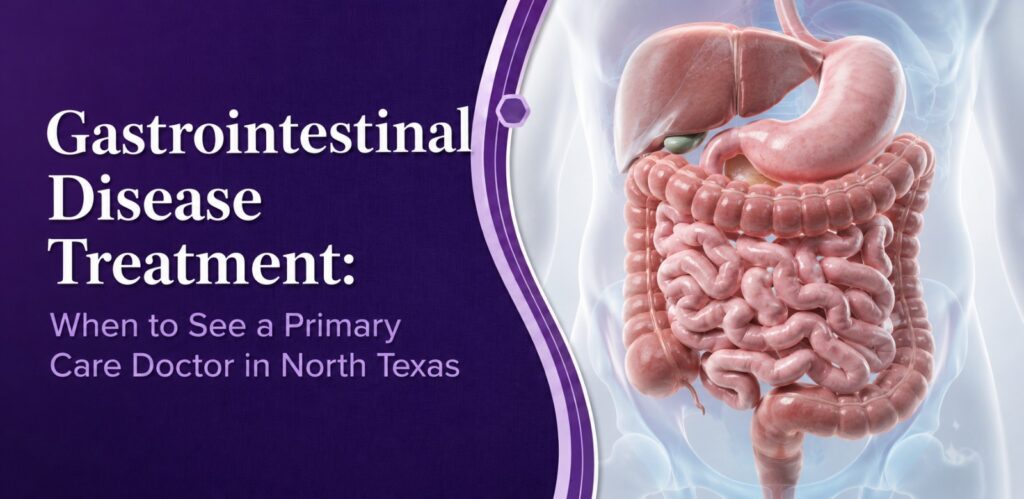
- Structure of the Gastrointestinal Tract
- What Are Gastrointestinal Diseases?
- Common Types of Gastrointestinal Conditions
- Common Gastrointestinal Disease Symptoms
- When Can a Primary Care Doctor Help?
- How Doctors Choose Gastrointestinal Disease Treatment
- Lifestyle Habits That May Support Digestion
- Medication Safety and Digestive Symptoms
- When to Schedule a Primary Care Appointment
- When Digestive Symptoms Need Emergency Care
- What to Expect During Your Appointment
- Why Early Evaluation Matters
- What Should You Do Next for Digestive Symptoms?
- Frequently Asked Questions
Digestive symptoms can affect meals, sleep, work, travel, and everyday activities. Mild gas or indigestion may improve without treatment, but symptoms that continue or repeatedly return may require medical attention.
Abdominal pain, constipation, diarrhea, heartburn, nausea, bloating, and changes in bowel habits can have several possible causes. A primary care doctor can review the pattern, identify warning signs, and recommend the right next step.
Do digestive symptoms keep returning? Book an appointment at Passion Health Advanced Primary Care for a primary care evaluation in North Texas.
Patients looking for primary care in Frisco, Irving, Plano, Prosper, , Aubrey, Flower Mound, Ennis, Kaufman, Kemp, , McKinney, TX
What Is the Gastrointestinal Tract?
The gastrointestinal tract, also called the GI tract, carries food through the digestive system. It begins at the mouth and continues through the body until waste leaves through the anus.
Each part of the digestive system performs a different job. Together, these organs break down food, absorb nutrients, move waste, and support hydration and energy.
Structure of the Gastrointestinal Tract
The main gastrointestinal structures include:
- Mouth: Begins digestion by chewing food and mixing it with saliva.
- Esophagus: Moves food from the mouth to the stomach.
- Stomach: Mixes food with acid and digestive enzymes.
- Small intestine: Digests food further and absorbs most nutrients.
- Large intestine: Absorbs water and forms stool.
- Rectum: Stores stool before a bowel movement.
- Anus: Controls the release of stool from the body.
The liver, pancreas, and gallbladder also support digestion. The liver produces bile, the gallbladder stores bile, and the pancreas releases enzymes that help break down food.
What Are Gastrointestinal Diseases?
Gastrointestinal diseases affect the digestive tract or the organs that support digestion. Some conditions start suddenly and improve within a few days, while others continue for months or years.
Doctors may describe gastrointestinal conditions as functional or structural.
- Functional conditions affect how the digestive tract works, even when tests do not show visible damage.
- Structural conditions involve physical changes such as inflammation, ulcers, narrowing, growths, or damaged tissue.
Understanding the type of gastrointestinal condition helps the doctor choose appropriate testing and treatment.
Common Types of Gastrointestinal Conditions
Many conditions can affect digestion and bowel habits. Common gastrointestinal diseases include:
- Acid reflux and gastroesophageal reflux disease
- Irritable bowel syndrome
- Constipation
- Chronic diarrhea
- Lactose intolerance
- Celiac disease
- Diverticular disease
- Crohn’s disease
- Ulcerative colitis
- Peptic ulcers
- Hemorrhoids
- Gastrointestinal infections
These conditions do not share one treatment plan. A person with acid reflux needs different care from someone with celiac disease, inflammatory bowel disease, or an intestinal infection.
A clear diagnosis can prevent unnecessary food restrictions and repeated use of over-the-counter products. It also helps the doctor treat the cause rather than only controlling the symptoms.
Common Gastrointestinal Disease Symptoms
Digestive conditions can cause different symptoms depending on which organ they affect. Some symptoms remain mild, while others interfere with eating, sleeping, or completing daily responsibilities.
Common gastrointestinal symptoms include:
- Abdominal pain or cramping
- Heartburn or acid reflux
- Gas and bloating
- Nausea or vomiting
- Constipation
- Diarrhea
- Swallowing difficulty
- Changes in stool appearance
- Sudden bowel urgency
- Reduced appetite
- Unplanned weight loss
The pattern of symptoms provides important information. Your doctor may ask when symptoms started, how often they occur, which foods trigger them, and whether they wake you during the night.
Are Digestive Symptoms Affecting Your Daily Life?
A primary care doctor can review your abdominal pain, bloating, heartburn, constipation, diarrhea, medications, and overall health to help identify the right next step.
Book an Appointment →When Can a Primary Care Doctor Help?
A primary care doctor can evaluate many common gastrointestinal concerns. The visit may include a health history, abdominal examination, medication review, and discussion about diet and bowel habits.
The doctor may check for dehydration, infection, food intolerance, inflammation, or medication side effects. These findings help narrow down the possible cause.
Depending on your symptoms, your doctor may recommend the following:
- Blood tests
- Stool tests
- Urine tests
- Abdominal imaging
- Food intolerance evaluation
- Medication changes
- Gastroenterology referral
Primary care doctors can also coordinate care when you need a colonoscopy, endoscopy, advanced imaging, or specialist treatment.
How Doctors Choose Gastrointestinal Disease Treatment
Gastrointestinal disease treatment depends on the diagnosis. Doctors also consider symptom severity, medical history, current medications, age, test results, and the effect of symptoms on daily life.
A treatment plan may include:
- Dietary changes
- Increased fluid intake
- Fiber adjustments
- Physical activity
- Stress management
- Prescription medication
- Over-the-counter medication
- Symptom monitoring
- Specialist care
For example, doctors may manage irritable bowel syndrome with dietary adjustments, medication, stress support, or changes in fiber intake.
Celiac disease requires a strict gluten-free diet. Inflammatory bowel diseases may require medicines that control inflammation and reduce the risk of complications.
Lifestyle Habits That May Support Digestion
Lifestyle changes may improve some digestive symptoms, but the recommendations should match the diagnosis. A strategy that helps one condition may worsen another.
Keeping a food and symptom diary may help identify patterns involving:
- Dairy products
- Spicy foods
- High-fat meals
- Caffeine
- Alcohol
- Artificial sweeteners
- Stress
- Specific medications
Drink enough water, especially during hot North Texas weather or episodes of diarrhea and vomiting. Fluid loss can lead to weakness, dizziness, dry mouth, reduced urination, and dehydration.
Increase fiber slowly when your doctor recommends it. Adding a large amount of fiber too quickly may increase bloating, gas, and abdominal discomfort.
Regular movement can support bowel function. Eating slowly, choosing smaller meals, and avoiding meals close to bedtime may also help selected cases of heartburn and indigestion.
Medication Safety and Digestive Symptoms
People commonly use antacids, acid reducers, laxatives, anti-diarrheal medicines, and gas-relief products for digestive symptoms.
These medicines may provide short-term relief, but frequent use can hide an ongoing condition. Some products can also cause side effects or interact with prescription medicines.
Bring a list of your medicines and supplements to your appointment. Pain relievers, antibiotics, iron tablets, diabetes medicines, weight-management treatments, and supplements may affect digestion.
A primary care doctor can identify possible medication triggers and recommend a safer treatment plan.
When to Schedule a Primary Care Appointment
Schedule a primary care visit when digestive symptoms:
- Continue longer than expected
- Keep returning
- Interrupt sleep or work
- Limit food or fluid intake
- Affect everyday activities
- Require frequent medication
- Cause a major change in bowel habits
You should also contact a doctor for persistent heartburn, recurring vomiting, swallowing problems, ongoing constipation, prolonged diarrhea, or unexplained appetite changes.
Blood in the stool, unplanned weight loss, severe abdominal pain, or heartburn that does not improve also requires medical evaluation.
These symptoms do not always indicate a serious disease. However, early evaluation can identify treatable causes and prevent symptoms from becoming harder to manage.
When Digestive Symptoms Need Emergency Care
Do not wait for a routine appointment when symptoms become severe or worsen rapidly.
Seek immediate medical care for:
- Severe or rapidly worsening abdominal pain
- Vomiting blood
- Black or tarry stools
- Heavy rectal bleeding
- Fainting or confusion
- A hard, swollen, or extremely painful abdomen
- Severe dehydration
- Inability to keep fluids down
Chest pressure, breathing difficulty, sweating, or pain that spreads to the jaw, arm, back, or shoulder may indicate a heart problem rather than indigestion.
What to Expect During Your Appointment
Before your visit, write down when the symptoms started, how often they occur, what foods trigger them, and whether you have noticed changes in your stool.
Also mention recent illnesses, travel, medication changes, supplements, stress, and family history. A family history of celiac disease, inflammatory bowel disease, colon polyps, or colorectal cancer may affect testing decisions.
Your doctor may ask about pain location, eating habits, sleep, hydration, bowel frequency, and previous treatments. Clear details can help the care team choose the right tests.
Why Early Evaluation Matters
Early evaluation can identify infections, medication side effects, food intolerances, inflammatory conditions, or other manageable causes.
Primary care also provides ongoing follow-up. Your doctor can review test results, track symptom changes, adjust medication, and refer you to a gastroenterologist when necessary.
What Should You Do Next for Digestive Symptoms?
Digestive symptoms can have many possible causes. Repeated self-treatment or highly restrictive diets may delay an accurate diagnosis.
A primary care evaluation can help identify the likely cause and create a practical care plan based on your symptoms, medications, and overall health.
Are you experiencing ongoing abdominal pain, bloating, reflux, constipation, diarrhea, or other digestive concerns? Book an appointment at Passion Health Advanced Primary Care for coordinated primary care in North Texas.

Our Primary Care Locations
Need care for this?
A Passion Health clinician can see you in person or online.
In person
Request an in-person visit at any Passion Health location to review your cholesterol numbers and heart risk.
Choose your clinic and clinician across North Texas
Book an appointment in person at Passion Health clinicsOnline
Answer a few questions online to find the right next step, whether that is a visit, lab work, or a referral. For non-emergency questions, you can get care online through Passion Health Online Care.
Adults 18 and older in Texas · Texas-licensed clinicians
Get the right care in a few stepsBlood work
Your clinician can order a lipid panel and any other labs recommended for you during your visit.
Essential Blood Work · $59
Get Passion Health Blood WorkFrequently Asked Questions
Can primary care doctors treat gastrointestinal diseases?
Yes. Primary care doctors can evaluate and manage many common digestive conditions and refer patients to a gastroenterologist when specialist care becomes necessary.
What are the most common gastrointestinal symptoms?
Common symptoms include abdominal pain, heartburn, bloating, nausea, constipation, diarrhea, gas, and changes in bowel habits.
When should I see a doctor for stomach problems?
Schedule a visit when symptoms persist, repeatedly return, worsen, or interfere with eating, sleeping, working, or regular activities.
Do gastrointestinal diseases always require medication?
No. Treatment may include hydration, dietary changes, lifestyle support, medication, monitoring, procedures, or a combination of approaches.
When might I need a gastroenterologist?
You may need specialist care for gastrointestinal bleeding, abnormal test results, swallowing problems, inflammatory bowel disease, persistent symptoms, endoscopy, or colonoscopy.
About the Author
Dr. Anantha Chentha is a board-certified internal medicine physician with extensive experience in primary care and chronic disease management. He provides comprehensive, patient-centered care with a focus on prevention, accurate diagnosis, and long-term health management.
View Provider Profile →Related Post

Why Do I Wake Up to Pee Several Times at Night? Is It Normal?Why Do I Wake Up to Pee Several Times at Night? Is It Normal?
Medically reviewed by Dr. Anantha Chentha, MD, FACP, CHCQM-PHY ADV Internal Medicine Key takeaways Waking up to urinate at night is called nocturia. Occasional trips can be normal, but frequent

FTL1 Protein Linked to Brain Aging — Can It Be Stopped?FTL1 Protein Linked to Brain Aging — Can It Be Stopped?
How FTL1 Relates to Memory Loss Key takeaways Researchers at UCSF linked the FTL1 protein to memory decline and brain aging in mice. Reducing FTL1 in older mice was associated

Why Is My Ferritin Low but My Hemoglobin Normal?Why Is My Ferritin Low but My Hemoglobin Normal?
Medically reviewed by Dr. Anantha Chentha, MD, FACP, CHCQM-PHY ADV Internal Medicine You open your laboratory report and notice something confusing. Your ferritin result carries a low flag, but your