
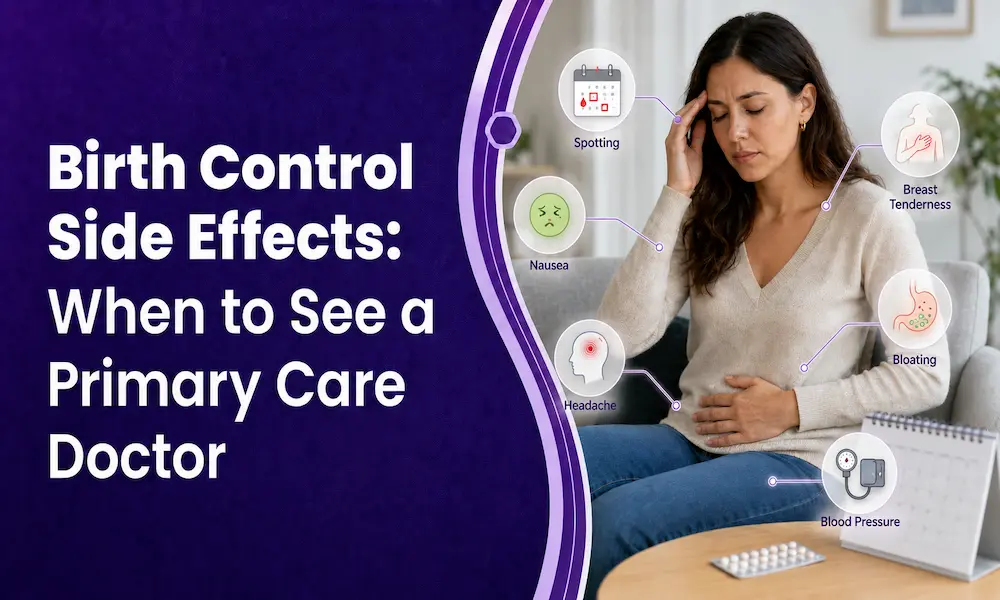
How Hormonal Contraception Affects Your Body and Mental Health
Hormonal birth control can prevent pregnancy, ease menstrual pain, regulate bleeding, and improve acne. However, it may also cause unexpected changes in your period, mood, weight, skin, or sexual health.
Because birth control side effects differ by method, dose, and personal health history, another person’s experience may not match yours. Although mild symptoms often improve within a few months, persistent or worsening changes need medical attention.
Not feeling like yourself after starting or changing birth control? Schedule a health and medication review with Passion Health Advanced Primary Care.
Patients looking for primary care in Frisco, Irving, Plano, Prosper, Aubrey, Flower Mound, Ennis, Kaufman, Kemp, McKinney, TX
Key Takeaways
- Hormonal contraception may affect menstrual bleeding, mood, headaches, skin, appetite, and sexual health.
- Side effects vary across pills, implants, injections, hormonal IUDs, patches, and vaginal rings.
- Mild spotting, nausea, breast tenderness, and headaches may improve as the body adjusts.
- Estrogen-containing methods may not suit people with migraine with aura or certain cardiovascular risks.
- Seek immediate care for chest pain, breathing difficulty, one-sided leg swelling, or sudden neurological symptoms. Primary care can assess other concerns, check blood pressure, review medications, and coordinate referrals.
What Is Hormonal Birth Control?
Hormonal birth control uses estrogen, progestin, or a combination of both hormones to prevent pregnancy.
Available options include combination pills, progestin-only pills, hormonal IUDs, implants, injections, skin patches, and vaginal rings.
These methods do not work in the same way. Most hormonal methods suppress or prevent ovulation. Many also thicken cervical mucus, which makes it harder for sperm to reach an egg. Additionally, some methods thin the uterine lining.
Nonhormonal choices include condoms, diaphragms, fertility-awareness methods, and copper IUDs. Importantly, hormonal contraception and IUDs do not protect against sexually transmitted infections. Condoms can lower the risk of many STIs when people use them correctly.
What Are the Most Common Birth Control Side Effects?
Although responses differ, several symptoms occur more often during the first few months of hormonal contraception.
Menstrual bleeding changes
Spotting between periods commonly occurs after someone starts a new method. Periods may also become lighter, less predictable, or temporarily absent.
Meanwhile, implants and progestin-only methods can cause irregular bleeding patterns that may continue longer.
A missed period does not always signal a problem. Nevertheless, consider a pregnancy test if you missed doses, used the method incorrectly, or developed pregnancy symptoms.
Contact a doctor if bleeding becomes heavy, lasts longer than expected, or accompanies significant pelvic pain.
Headaches and migraines
Hormonal changes may trigger headaches or alter an existing migraine pattern. Therefore, tell your clinician if you develop new headaches or notice a major change in their severity or frequency.
Migraine with aura requires particular attention because estrogen-containing contraception may increase stroke risk in this group. The CDC classifies combined hormonal contraceptives as an unacceptable health risk for patients who experience migraine with aura.
Nausea and breast tenderness
Some people experience mild nausea after starting hormonal contraception. Taking an oral contraceptive with food or before bedtime may help, depending on its instructions. However, frequent vomiting may reduce pill effectiveness and requires product-specific guidance.
Similarly, temporary breast tenderness may occur as hormone levels change.
Fatigue and sleep changes
Hormonal changes may influence energy and sleep for some people. However, many other conditions can cause fatigue, including anemia, thyroid disorders, depression, sleep problems, and medication effects.
Instead of assuming contraception causes ongoing tiredness, discuss persistent symptoms with a clinician. A focused evaluation can identify other treatable causes.
Appetite and weight changes
Many people worry that hormonal contraception will cause substantial weight gain. Yet weight can change for several reasons, including fluid retention, appetite, activity, sleep, stress, and underlying health conditions.
Some methods may affect weight more than others. Even so, rapid or unexplained changes deserve a broader health assessment rather than an automatic assumption about contraception.
Can Hormonal Contraception Affect Mental Health?
Hormonal contraception may affect brain systems involved in mood and stress. Some people report anxiety, sadness, irritability, or emotional sensitivity, while others notice no change or feel better as menstrual symptoms, PMDD, or pregnancy-related worries improve.
Research findings remain mixed, so no single response applies to everyone. Track when symptoms start and consider other influences, including sleep, stress, relationships, medications, and previous mental-health conditions.
Contact a healthcare professional if mood changes persist or disrupt daily life. Seek immediate crisis support for thoughts of self-harm or concerns about staying safe.
How Can Hormonal Contraception Affect Sexual Health?
Hormonal contraception may increase, decrease, or not affect sexual desire. Some people experience vaginal dryness, reduced sensitivity, or discomfort, while others feel better because of less menstrual pain or pregnancy-related anxiety.
However, stress, depression, infections, menopause, pelvic conditions, medications, and relationship concerns can cause similar changes. Discuss persistent symptoms with a healthcare professional to identify the cause and consider other contraceptive options.
What Birth Control Pill Users Should Know
Oral contraceptives fall into two main categories:
Combination pills: These pills contain estrogen and progestin. They may make periods more predictable, reduce menstrual cramps, decrease heavy bleeding, and improve acne. However, possible side effects include spotting, nausea, breast tenderness, headaches, and mood changes. Estrogen-containing pills may also slightly increase the risk of blood clots in certain users.
Progestin-only pills: These pills contain progestin without estrogen. They may suit some people who cannot use estrogen because of specific health conditions or risk factors. However, they may cause irregular bleeding, spotting, headaches, breast tenderness, or missed periods. Because timing requirements vary among products, follow the instructions provided with your specific prescription.
Consistent use matters: Birth control pills work best when taken according to the prescribed schedule. Missing pills or taking them late may reduce pregnancy protection, depending on the product.
Missed-pill instructions vary: Do not follow one general rule after missing a dose. Instead, check the instructions included with your pill pack or contact a pharmacist or healthcare professional. The correct next step depends on the type of pill, the number of missed doses, and when they were missed.
Do Symptoms Improve Over Time?
Many mild symptoms improve during the first two or three months as the body adapts. For example, spotting, nausea, and breast tenderness may gradually decrease.
However, waiting does not make sense when symptoms worsen or interfere with everyday life. Contact a doctor if birth control side effects continue without improvement, begin after a dose change, or cause you to stop taking medication unpredictably.
Also, never stop a prescribed method without considering pregnancy risk and an alternative plan. A healthcare professional can explain how to change methods safely.
Are Birth Control Side Effects Affecting Your Daily Life?
A primary care provider can review your symptoms, blood pressure, health history, and current medications to help determine whether your contraceptive method still fits your needs.
Book an Appointment →Benefits Beyond Pregnancy Prevention
Hormonal contraception may offer several noncontraceptive benefits. Depending on the method, it may:
Make periods lighter or more predictable
Reduce menstrual cramps
Lower the risk of iron-deficiency anemia from heavy bleeding
Improve certain types of acne
Reduce PMS or PMDD symptoms
Help manage endometriosis-related pain
Support treatment of some PMOS/PCOS symptoms
Lower the risk of ovarian and endometrial cancers
Still, no method guarantees every benefit. Your clinician should match the option to your symptoms, goals, and medical history.
Who May Face a Higher Risk of Serious Complications?
Most healthy people can use hormonal contraception safely. However, certain health factors can make estrogen-containing methods less appropriate.
A clinician should carefully review:
Migraine with aura
Uncontrolled high blood pressure
Smoking, especially after age 35
Previous blood clots or clotting disorders
Certain liver conditions
Current or previous breast cancer
Recent childbirth
Major surgery or prolonged immobility
Medicines that may interact with contraception
The CDC provides method-specific recommendations because one condition may affect the safety of combination pills, progestin-only methods, implants, injections, and IUDs differently. Not sure whether your contraceptive method fits your health needs?
A primary care doctor can review your blood pressure, migraine history, medications, smoking status, symptoms, and personal risk factors.
Book an Appointment →
When Should You See a Primary Care Doctor?
Schedule a primary care visit if you experience:
Persistent spotting or irregular bleeding
New or worsening headaches
Frequent nausea
Mood changes that affect daily life
Increased blood pressure
Unexplained weight changes
Vaginal dryness or sexual discomfort
Symptoms that began after changing methods
Difficulty remembering daily medication
Possible interactions with other medicines
During the appointment, bring the name or package of your contraceptive and a complete medication list. Additionally, note when your symptoms started and whether they follow a pattern.
Which Symptoms Require Immediate Medical Attention?
Although serious complications remain uncommon, recognize possible warning signs. Seek immediate medical care for:
Sudden chest pain
Trouble breathing
Coughing up blood
Pain, warmth, or swelling in one leg
Sudden vision loss or significant vision changes
A sudden, severe, or unusual headache
Facial drooping or weakness on one side
Difficulty speaking
Fainting or severe confusion
Severe abdominal pain
Do not wait for a routine appointment when these symptoms occur.
How Primary Care Can Help
A primary care clinician can provide a practical starting point for contraceptive concerns.
First, the clinician can check blood pressure and review headache, menstrual, cardiovascular, and mental-health symptoms. Next, they can examine potential interactions among prescriptions, over-the-counter products, and supplements.
Primary care can also evaluate other explanations for symptoms. For example, thyroid disease, anemia, pregnancy, infection, or a separate mental-health condition may resemble contraception-related changes.
When necessary, the clinician can coordinate an OB-GYN referral or recommend urgent evaluation. This coordinated approach helps patients address both contraceptive needs and overall health.
Birth Control Care in North Texas
Passion Health Advanced Primary Care supports patients across North Texas who have concerns about menstrual changes, headaches, mood symptoms, blood pressure, medication safety, or other birth control side effects.
Our primary care team can review your symptoms and individual risk factors. Then, we can explain appropriate next steps or coordinate specialist care when needed.
Final Takeaway
Hormonal contraception offers effective pregnancy prevention and several potential health benefits. Even so, it can affect menstrual bleeding, headaches, mood, skin, appetite, and sexual health differently from one person to another.
Do not ignore persistent or worsening birth control side effects. A timely primary care visit can determine whether your symptoms reflect a temporary adjustment, a separate health condition, or the need for a different contraceptive option.
Are new symptoms affecting your health or daily life? Book an appointment with Passion Health Advanced Primary Care for a personalized health and medication review.
Our Primary Care Locations
Frequently Asked Questions
1. How long do common symptoms last?
Mild spotting, nausea, headaches, or breast tenderness may improve within a few months. However, contact a clinician when symptoms persist, worsen, or interfere with daily activities.
2. Can hormonal contraception cause anxiety or depression?
Some users report mood changes, but research remains mixed. Because individual responses vary, seek medical guidance when emotional changes become persistent or disruptive.
3. Do birth control pills always cause weight gain?
No. Some users notice fluid retention, appetite changes, or minor weight fluctuations, while many notice no meaningful change.
4. Is spotting normal after starting contraception?
Spotting commonly occurs after starting or changing hormonal contraception. Nevertheless, heavy, prolonged, painful, or pregnancy-related bleeding needs medical evaluation.
5. Is long-term hormonal contraception safe?
Many people can use hormonal contraception safely for years. Still, health changes such as new migraines, high blood pressure, smoking, or a history may change which method fits safely.
6. Should I visit primary care or an OB-GYN?
Primary care can evaluate symptoms, check blood pressure, review medications, and assess general health risks. An OB-GYN may provide additional support for complex gynecological concerns or procedures.

About the Author
Dr. Anantha Chentha is a board-certified internal medicine physician with extensive experience in primary care and chronic disease management. He provides comprehensive, patient-centered care with a focus on prevention, accurate diagnosis, and long-term health management.
View Provider Profile →Related Post

What Is the Adolescence Age Range? Stages and Development ExplainedWhat Is the Adolescence Age Range? Stages and Development Explained
Medically reviewed by Dr. Anantha Chentha, MD, FACP, CHCQM-PHY ADV Internal Medicine Book an Appointment Call Us +1 (214) 666-6259 Key Takeaways Adolescence generally begins around age 10 and may
Energy Drinks Side Effects You Must KnowEnergy Drinks Side Effects You Must Know
Energy Drinks Side Effects: 10 Hidden Dangers You Can’t Ignore Energy drinks promise instant focus, sharp concentration, and nonstop energy. That is exactly why brands like Red Bull®, Monster®, 5-hour
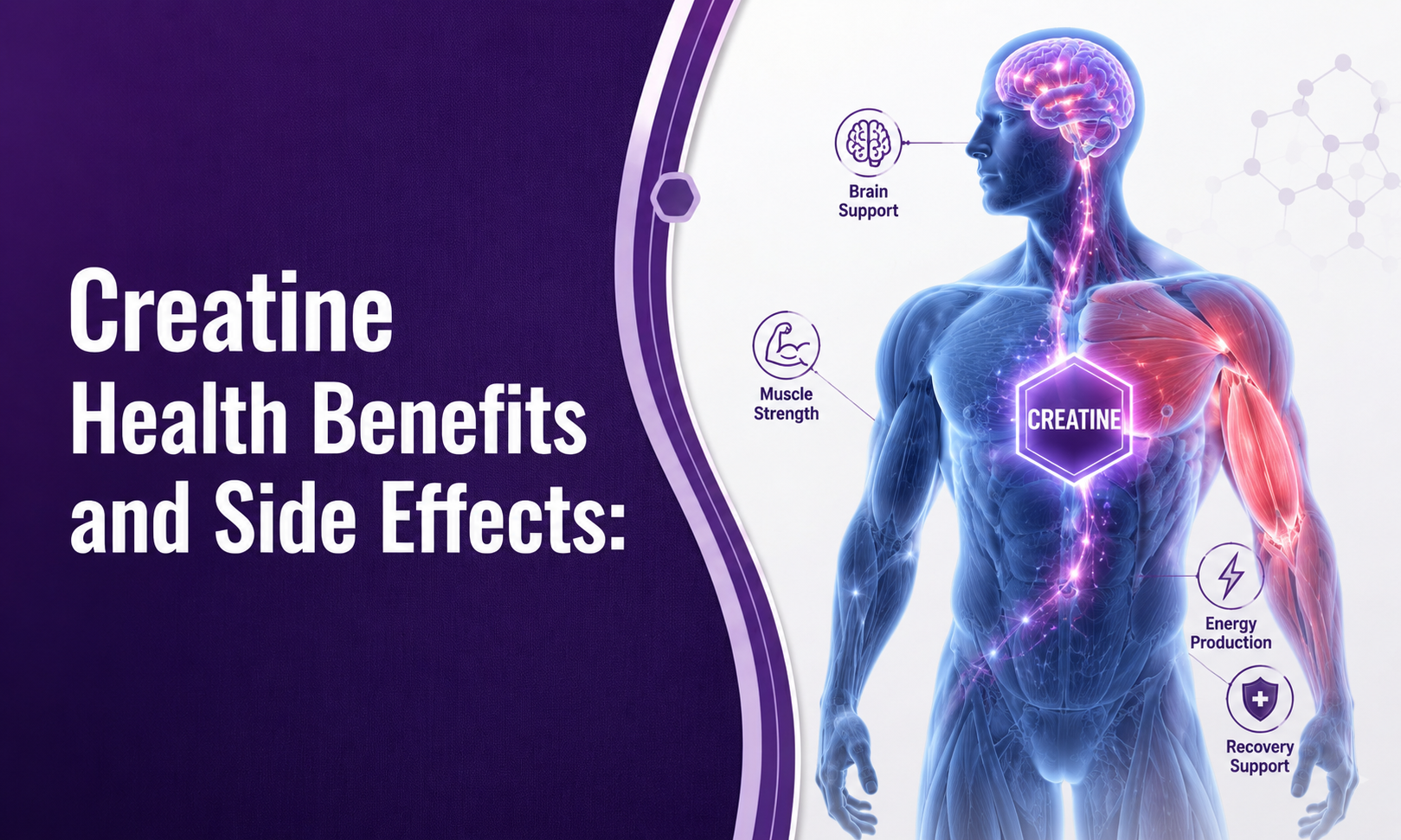
Creatine Health Benefits and Side Effects: Is It Helping Your Body or Creating Hidden Risks?Creatine Health Benefits and Side Effects: Is It Helping Your Body or Creating Hidden Risks?
To Book an Appointment Call Us +1 214 666 6259 Creatine Health Benefits and Side Effects: What Happens Inside Your Body? Creatine is one of the most talked-about supplements in