
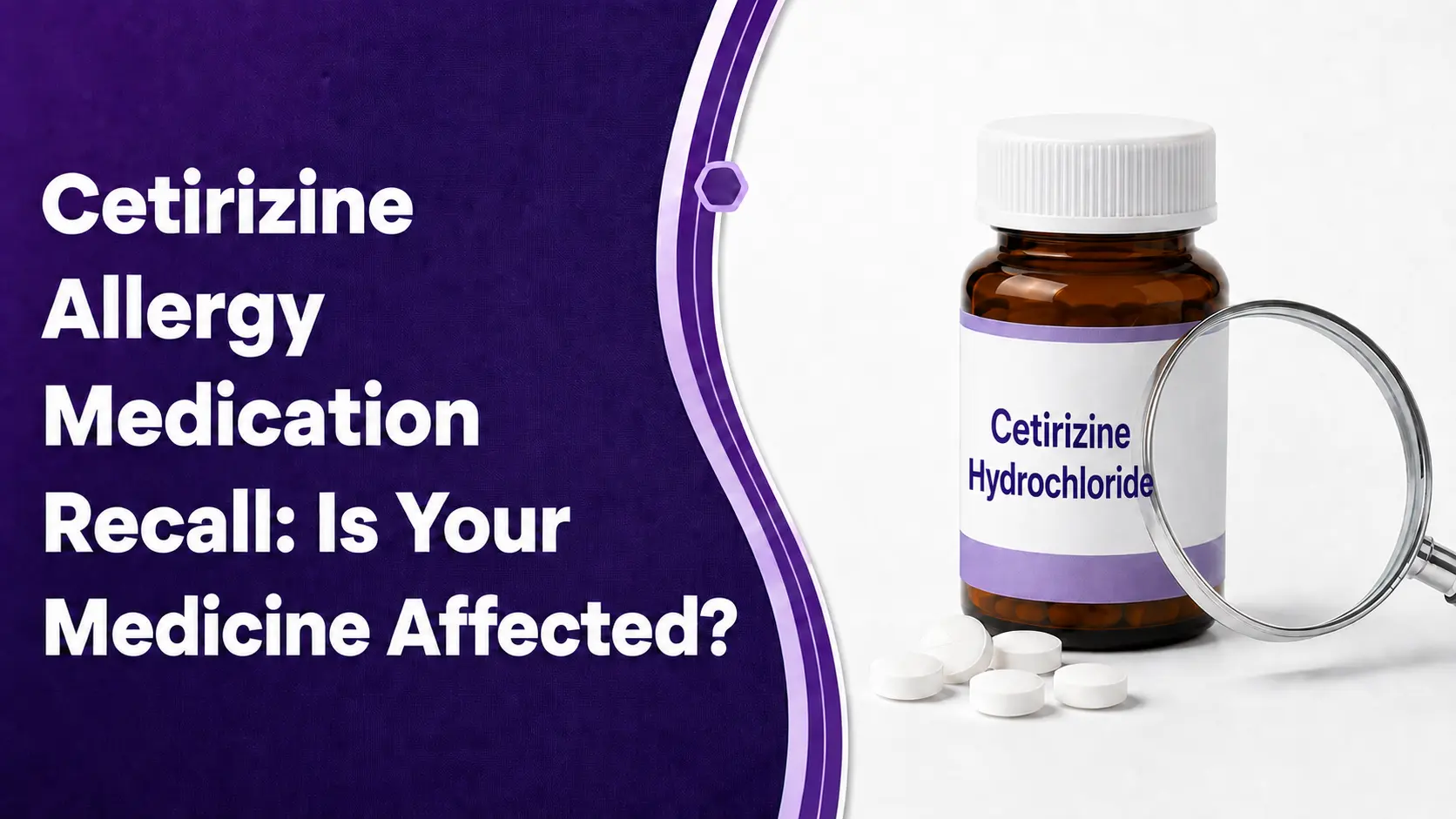
What Should You Know Before Taking Cetirizine?
Cetirizine can provide convenient, once-daily relief from sneezing, a runny nose, itchy eyes, and hives. However, taking any allergy medicine safely requires understanding how it works, its possible side effects, and when persistent symptoms need medical attention.
A recent nationwide recall also affects four specific lots of cetirizine hydrochloride 5 mg tablets. Therefore, patients should check their medication bottles without assuming that every cetirizine product is unsafe.
This guide explains how to use cetirizine safely, which warning signs deserve attention, and how primary care can help with ongoing allergies or medication concerns.
Do allergies keep returning or interfere with your daily life? Book an appointment at Passion Health Advanced Primary Care for personalized care.
Patients looking for primary care in Frisco, Irving, Plano, Prosper, Anna, Aubrey, Flower Mound, Ennis, Kaufman, Kemp, McKinney, TX
Key Takeaways
- Cetirizine helps relieve sneezing, runny nose, itchy or watery eyes, and hives by blocking histamine.
- A nationwide recall affects only four specific lots of cetirizine hydrochloride 5 mg tablets—not every cetirizine product.
- Check the NDC, lot number, and expiration date on your bottle to determine whether the recall affects your medicine.
- Common cetirizine side effects include drowsiness, tiredness, dry mouth, dizziness, and headache.
- Alcohol and other medicines that cause sleepiness may increase cetirizine-related drowsiness.
- People with kidney or liver disease, older adults, and patients taking several medicines should seek professional guidance.
- Contact a primary care doctor when allergy symptoms persist, hives repeatedly return, or medication side effects affect daily life.
- Breathing difficulty, facial or throat swelling, fainting, or rapidly worsening symptoms require immediate emergency care.
What Is Cetirizine?
Cetirizine belongs to a group of medicines called second-generation antihistamines. It blocks histamine, a natural chemical that the immune system releases during an allergic reaction.
Histamine can trigger nasal swelling, sneezing, itching, watery eyes, and skin reactions. By limiting histamine’s effects, cetirizine can reduce these symptoms. However, it does not cure the underlying allergy.
Patients can find cetirizine in several forms, including standard tablets, chewable tablets, capsules, dissolving tablets, and liquid medicine.
Some products also combine cetirizine with pseudoephedrine, a decongestant. Because combination medicines carry additional precautions, patients should read the entire label before taking them.
News Update: Four Lots of Cetirizine Allergy Medication Recalled
Unique Pharmaceutical Laboratories recall four lots of cetirizine hydrochloride 5 mg tablets because of possible ranitidine cross-contamination. People who are hypersensitive to ranitidine could develop a severe allergic reaction. No related adverse events had been reported at the time the recall was announced.
Product detail | Recall information |
Product | Cetirizine Hydrochloride Tablets USP, 5 mg |
Package | 100-tablet bottle |
Distributor | Rising Pharma Holdings Inc. |
NDC | 16571-401-10 |
Lot numbers | GY825029, GY825030, GY825031, GY825032 |
Expiration | October 2028 |
The recall does not affect every cetirizine product. If your bottle matches these details, set it aside and contact your pharmacy about a return, replacement, and safe alternative.
Why Is Cetirizine Prescribed?
Doctors and pharmacists commonly recommend cetirizine for seasonal and year-round allergy symptoms. For example, it may help relieve:
Sneezing
Runny nose
Itching inside the nose or throat
Red, itchy, or watery eyes
Itching and swelling caused by hives
Cetirizine may help manage ordinary itchy hives. However, patients should not use it to self-treat spots that look bruised, blistered, painful, unusually colored, or non-itchy. These skin changes may have another cause and require medical evaluation.
Additionally, contact a healthcare provider when hives do not improve within three days, repeatedly return, or continue for more than six weeks.
How Should You Take Cetirizine Safely?
Many cetirizine products require one daily dose, with or without food. Nevertheless, patients should follow the package label or their healthcare provider’s instructions because the correct dose can vary by age, formulation, and kidney function.
Chew chewable tablets thoroughly before swallowing. Meanwhile, use dry hands to remove dissolving tablets from their packaging and place them directly on the tongue. For liquid cetirizine, use the supplied measuring cup, syringe, or medication spoon rather than a household spoon.
If you miss a dose, take it when you remember. However, skip it when the next scheduled dose is close. Never take two doses to replace one missed dose.
Before taking a new bottle, review the label carefully. This extra step has become especially important following the cetirizine allergy medication recall announcement.
What Are the Common Side Effects of Cetirizine?
Cetirizine generally causes less sedation than many older antihistamines. Even so, some patients experience the following:
Drowsiness
Tiredness
Dry mouth
Dizziness
Nausea
Sore throat or cough
Because cetirizine can reduce alertness, avoid driving or operating machinery until you understand how it affects you. Furthermore, alcohol may increase drowsiness.
Sleep medicines, opioid pain relievers, muscle relaxers, other allergy medicines, and certain medications for anxiety or seizures may also increase sedation. Therefore, share a complete medication and supplement list with your doctor or pharmacist.
Allergy and Medication Review
Are Cetirizine Side Effects Affecting Your Daily Life?
A primary care provider can review your symptoms, current medicines, health conditions, and possible interactions to help you choose an appropriate allergy treatment.
Book an Appointment →Who Should Speak With a Primary Care Doctor Before Taking Cetirizine?
Most adults can purchase cetirizine without a prescription. However, over-the-counter availability does not make every product appropriate for every patient.
Speak with a primary care doctor before using cetirizine if you have kidney disease, liver disease, multiple health conditions, or a history of strong medication reactions. Older adults may also need individual dosing guidance.
Likewise, people who are pregnant, planning pregnancy, or breastfeeding should discuss their options with a qualified healthcare professional. Patients taking several medicines can benefit from a medication review to identify duplicate ingredients and possible interactions.
The cetirizine allergy medication recall news also provides a timely reason to review every allergy product in the home. A primary care provider can help patients compare alternatives without combining medicines that contain similar ingredients.
Can Stopping Cetirizine Cause Severe Itching?
Rarely, people may develop widespread, severe itching within a few days of stopping cetirizine after taking it regularly for several months or years. The itching may occur even when the person had no itching before starting the medicine.
Contact a healthcare provider if this reaction develops. Additionally, avoid repeatedly stopping and restarting long-term cetirizine without professional advice.
When Should You Contact a Primary Care Doctor?
Arrange a primary care appointment when allergy symptoms persist, worsen, or interfere with sleep and daily activities. Frequent hives, unexplained skin changes, bothersome drowsiness, or the need for daily medicine also deserve evaluation.
Moreover, allergy-like symptoms do not always come from allergies. Viral infections, asthma, medication reactions, and other conditions can cause similar problems.
A primary care provider can review the symptom pattern, examine the patient, assess current medicines, and recommend appropriate testing or treatment.
If you have questions about the cetirizine allergy medication recall notice, bring the bottle or a clear photograph of its label to your pharmacy or medical appointment.
How Can Primary Care Help With Allergies and Medication Safety?
A primary care provider can review your allergy symptoms, health history, and current medications. This review may identify drug interactions, duplicate ingredients, or medical conditions that could affect how safely you use cetirizine.
Additionally, your provider can evaluate persistent allergies or recurring hives, recommend suitable treatment options, and arrange allergy testing or a specialist referral when necessary.
When Do Allergy Symptoms Require Emergency Care?
Seek immediate emergency help for difficulty breathing, speaking, or swallowing. Facial, tongue, mouth, or throat swelling also requires urgent action.
Additional warning signs include wheezing, severe dizziness, fainting, drooling caused by swallowing difficulty, or loss of consciousness. These symptoms may indicate anaphylaxis.
Cetirizine cannot replace epinephrine prescribed for a life-threatening allergic reaction. Therefore, follow your emergency treatment plan and seek immediate assistance.
How Should You Store and Dispose of Cetirizine?
Keep cetirizine in its original, tightly closed container at room temperature. Store it away from excess heat, moisture, and direct access by children.
Do not flush unused medicine. Instead, use a medication take-back program or ask a pharmacist about safe disposal. For affected products, follow the pharmacy or manufacturer’s return instructions connected with the cetirizine allergy medication recall notice.
Final Takeaway
The recall affects four specific lots of Rising Pharma cetirizine hydrochloride 5 mg tablets, not every cetirizine product. Check the NDC, lot number, expiration date, and distributor information on your bottle.
Contact your pharmacy if the details match. Finally, speak with a primary care provider if allergies continue, hives return, side effects become bothersome, or you need help choosing another medication.
Need help reviewing your allergy symptoms or medications? Book an appointment at Passion Health Advanced Primary Care →
Our Primary Care Locations
Frequently Asked Questions
1. Is every cetirizine product recalled?
No. The recall affects only four lots of cetirizine hydrochloride 5 mg tablets distributed by Rising Pharma Holdings.
2. Which cetirizine lot numbers are recalled?
The recalled lot numbers are GY825029, GY825030, GY825031, and GY825032. All affected bottles have an expiration date of October 2028.
3. What should I do if my cetirizine matches the recall?
Set the bottle aside and contact the pharmacy that dispensed it. Ask about return instructions, a replacement, and a suitable allergy medicine to use instead.
4. What are the common side effects of cetirizine?
Common side effects include drowsiness, tiredness, dry mouth, dizziness, headache, and nausea. Contact a healthcare provider if side effects become severe or persistent.
5. When should I see a primary care doctor for allergies?
Schedule an appointment when symptoms persist, worsen, frequently return, or interfere with sleep and daily activities. Recurring hives or medication concerns also deserve a medical review.

About the Author
Dr. Anantha Chentha is a board-certified internal medicine physician with extensive experience in primary care and chronic disease management. He provides comprehensive, patient-centered care with a focus on prevention, accurate diagnosis, and long-term health management.
View Provider Profile →Related Post

Diabetes Management in Frisco, TX: Looking for a Primary Care Doctor?Diabetes Management in Frisco, TX: Looking for a Primary Care Doctor?
Medically reviewed by Dr. Anantha Chentha, MD, FACP, CHCQM-PHY ADV Internal Medicine Key Takeaways Primary care can support ongoing diabetes management in Frisco, TX. Your diabetes care plan should reflect
Can Hydroxyzine Make Anxiety Worse? Why Some Patients Feel UneasyCan Hydroxyzine Make Anxiety Worse? Why Some Patients Feel Uneasy
To Book an Appointment Call Us +1 (214) 666 6259 Hydroxyzine and Anxiety: When Calm Feels Uncomfortable Hydroxyzine often helps people feel calmer, but some patients still ask an important

High Blood Pressure Headaches: Symptoms, Locations, and ReliefHigh Blood Pressure Headaches: Symptoms, Locations, and Relief
High Blood Pressure Headaches: Symptoms, Locations, and Relief High blood pressure, also known as hypertension, is a common condition that affects millions of adults. While many people with high blood