
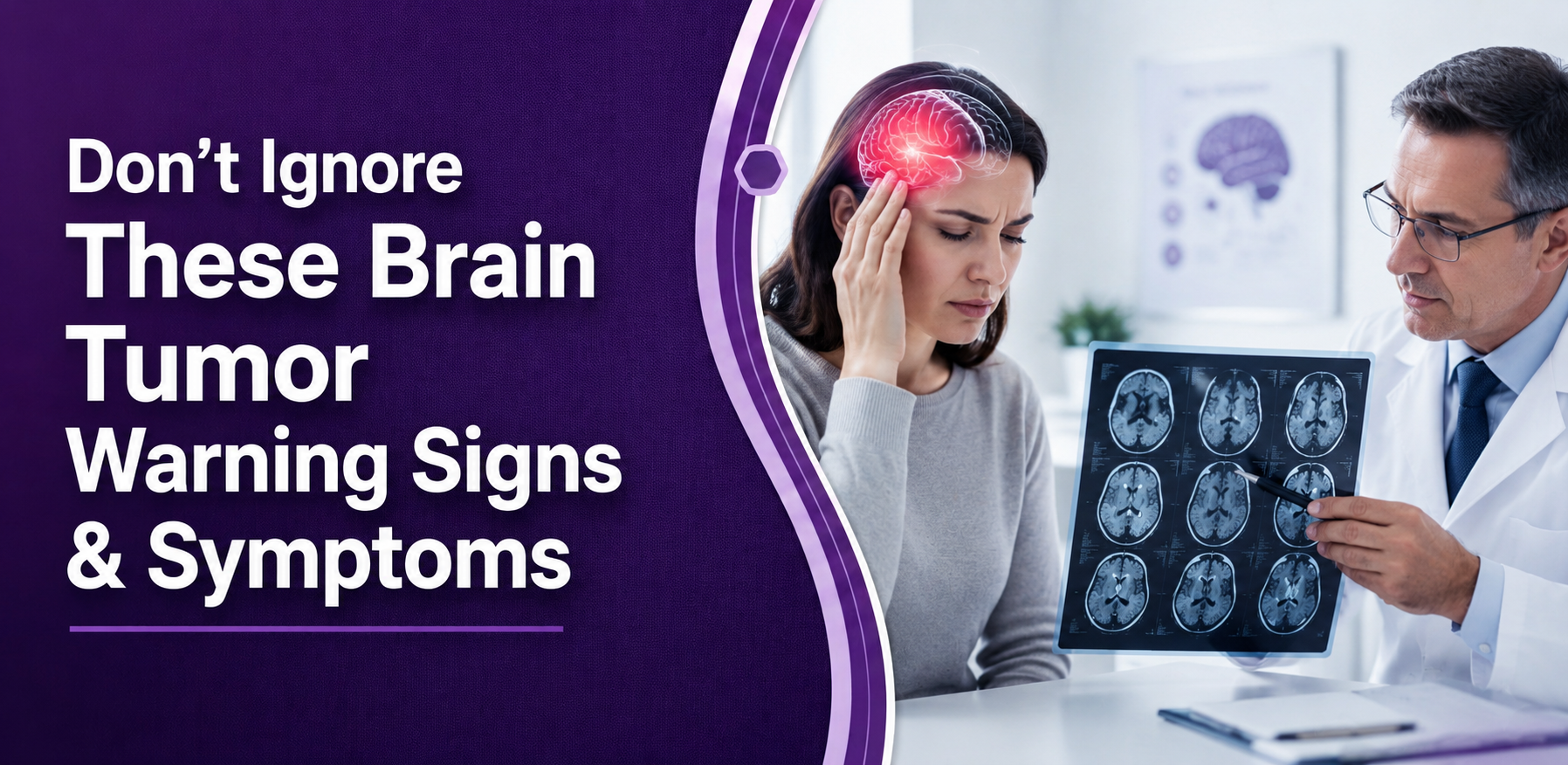
Recognising Brain Tumour Warning Signs: What You Need to Know
Experiencing unexplained neurological symptoms can be deeply unsettling. When you or a loved one is dealing with persistent headaches, sudden vision changes, or unexplained mood shifts, it is natural for the mind to jump to the worst-case scenario. However, knowledge is your most powerful tool.
While the prospect of a Brain tumor is frightening, early detection is one of the most critical factors in achieving a successful medical outcome. Many symptoms of a brain tumor mimic those of common, less severe conditions—such as migraines, stress, or fatigue. Understanding exactly what to look for and when to consult a healthcare professional can empower you to take control of your health.
Are you or a loved one experiencing unexplained headaches, sudden vision changes, or new neurological symptoms? Don’t wait for things to worsen. Schedule a consultation with the expert medical team at Passion Health Advance Primary Care today to get the clarity and comprehensive care you need.
What Actually Is a Brain Tumor?
At its core, a brain tumor is an abnormal mass or growth of cells within or surrounding the brain. Because the skull is a rigid structure with limited space, any unusual growth can create pressure, interfering with normal brain function and triggering noticeable symptoms.
Medical professionals generally categorize brain tumors into two main types:
Benign (Non-Cancerous): These tumors typically grow slowly and possess distinct borders. While they are not cancerous, they can still press against sensitive brain tissue and require medical intervention.
Malignant (Cancerous): These are aggressive growths that can spread rapidly into surrounding brain tissue, requiring immediate and comprehensive treatment strategies like surgery, radiation, or chemotherapy.
The Core Warning Signs of a Brain Tumor
Symptoms of a brain tumor are highly variable. They depend almost entirely on the tumor’s size, growth rate, and specific location within the brain. For instance, a tumor near the optic nerve will primarily affect vision, while one in the frontal lobe may alter personality.
Here are the primary warning signs that warrant a medical evaluation:
1. Headaches That Feel “Different.”
Headaches are incredibly common, but a tumor-related headache often has distinct characteristics. You should pay close attention to a headache.
Is worse immediately upon waking up in the morning.
Progressively worsens in frequency and intensity over weeks or months.
Is not relieved by over-the-counter pain medications.
Is accompanied by nausea or vomiting, particularly in the morning.
2. Unexplained Seizures.
For many patients, a seizure is the very first indicator of a brain tumor. If an adult with no prior history of epilepsy suddenly experiences a seizure—whether it is a full-body convulsion or a subtle, temporary loss of awareness—immediate medical evaluation is necessary.
3. Cognitive Decline and Personality Changes.
Because the brain governs our thoughts and emotions, a tumor can alter a person’s fundamental behaviour. Warning signs include:
Sudden, uncharacteristic mood swings or irritability.
Difficulty concentrating, speaking, or finding the right words.
Short-term memory loss or profound confusion in familiar settings.
Apathy or loss of interest in daily activities.
4. Physical and Sensory Disruptions.
As a tumor presses against different motor or sensory pathways, it can cause localized physical issues:
Vision changes: Double vision, blurred vision, or a gradual loss of peripheral vision.
Weakness: Sudden numbness, tingling, or weakness, often isolated to one side of the face, an arm, or a leg.
Balance issues: Unexplained clumsiness, dizziness, or difficulty walking.
Key Risk Factors
While a brain tumor can affect anyone at any age, certain factors may increase the risk. Age is a significant variable; while they can occur in children, the risk for most types of brain tumors increases as one gets older. Additionally, a history of exposure to high-dose ionizing radiation (such as previous cancer treatments) or certain rare, inherited genetic syndromes can elevate an individual’s risk.
How Is It Diagnosed?
If you present with warning signs, a doctor will not jump to conclusions. Diagnosis is a precise, multi-step clinical process. It usually begins with a comprehensive neurological exam to test your vision, hearing, balance, and reflexes.
If your doctor spots an anomaly, the next step is advanced imaging. Magnetic Resonance Imaging (MRI) and Computerized Tomography (CT) scans provide detailed cross-sections of the brain, allowing specialists to pinpoint the exact location and size of any mass.
When to Seek Immediate Medical Attention
Never ignore persistent or suddenly severe neurological symptoms. You should seek Medical care if you experience:
A sudden, severe headache unlike any you have felt before.
A first-time seizure.
Sudden onset of numbness, paralysis, or loss of vision.
If your symptoms are subtle but persistent—such as a lingering headache that changes in pattern or a gradual memory decline.
Your health matters, and you don’t have to navigate these symptoms alone. If you have noticed any of these warning signs in yourself, a professional medical evaluation is the safest next step. Contact Passion Health Advanced Primary Care today to book a thorough health assessment.
Frequently Asked Questions (FAQs)
1. Can a routine blood test detect a brain tumor?
No, a brain tumor cannot be diagnosed with a standard blood test. While blood tests can check your overall health or identify other conditions causing your symptoms, a definitive diagnosis requires neurological exams and advanced imaging, such as an MRI or CT scan.
2. Are all brain tumors cancerous?
No. A significant percentage of brain tumors are benign (non-cancerous). While benign tumors do not spread to other parts of the body as cancer does, they still require medical monitoring and treatment because their growth can press against vital brain structures.
3. How fast do brain tumor symptoms appear?
The onset of symptoms varies widely. Symptoms of a slow-growing (low-grade) tumor may develop subtly over months or even years, often being mistaken for normal aging or stress. Conversely, a fast-growing (high-grade) tumor can cause severe symptoms to appear suddenly over just a few days or weeks.
4. Can stress or anxiety cause the same symptoms as a brain tumor?
Yes, chronic stress and anxiety can easily cause tension headaches, fatigue, dizziness, and difficulty concentrating. However, stress does not typically cause seizures, localized physical paralysis, or progressive morning headaches accompanied by vomiting. If your symptoms are new, persistent, or worsening, it is crucial to rule out physical causes with a doctor.