
A sudden bout of severe diarrhea can feel like a minor stomach issue, until it turns bloody, painful, and relentless. That is when Shigella infection needs attention.
This infection spreads fast, hits hard, and now, in many cases, no longer responds easily to standard antibiotics.
Most people ignore early warning signs. That delay often leads to dehydration, hospital visits, or worse complications.
You do not need to take that risk. This guide breaks down exactly what to watch for, how it spreads, and how to protect yourself and your family before things spiral.
If symptoms have already started, do not wait. Early medical care can prevent serious complications.
What Is Drug-Resistant Shigellosis?
Key takeaways
- Shigella infection can cause diarrhea, fever, and stomach cramps, and bloody diarrhea needs prompt medical attention.
- Some Shigella strains are resistant to antibiotics, which can make treatment more complex.
- Handwashing, safe food and water, and staying home when sick are key prevention steps.
- Children, older adults, and people with weakened immune systems are at higher risk of dehydration or complications.
- Seek care if diarrhea lasts more than three days, blood appears in the stool, or signs of dehydration develop.
On this page
- What Is Drug-Resistant Shigellosis?
- What Are the Symptoms of Shigella Infection?
- How Does Shigella Spread?
- Why Antibiotic Resistance Makes It More Dangerous
- Is Drug-Resistant Shigella a Concern in the U.S.?
- Who Is at Higher Risk?
- Practical Prevention Tips
- When to See a Doctor Immediately
- Treatment Approach for Drug-Resistant Cases
- Complications You Should Be Aware Of
- How to Protect Your Family at Home
- Travel Safety: Avoid Bringing Infection Home
- The Role of Public Awareness
- Final Thoughts: Act Early, Stay Protected
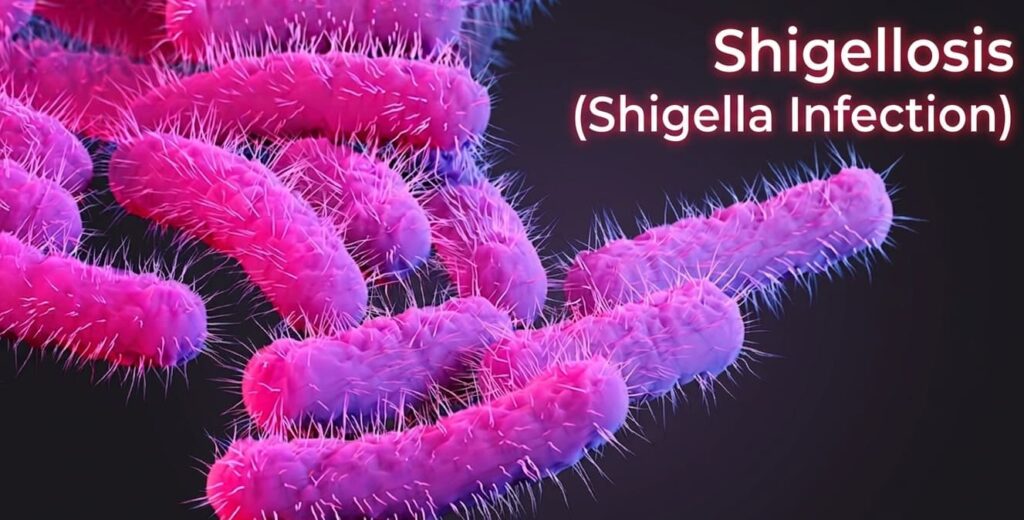
Understanding the infection itself is the first step. Shigellosis is a bacterial illness caused by Shigella. It affects the intestines and spreads through contaminated food, water, or direct contact with infected stool.
Now, here is the growing concern. Some strains no longer respond to common antibiotics. These are called antimicrobial-resistant strains. As a result, treatment becomes more complex, recovery takes longer, and complications increase.
This shift makes prevention more important than ever.
What Are the Symptoms of Shigella Infection?
Symptoms often begin one to two days after exposure. At first, they may seem mild. However, they can escalate quickly.
Early Warning Signs
Sudden diarrhea
Fever and chills
Stomach cramps
Nausea
Severe Symptoms That Signal Danger
Bloody or mucus-filled diarrhea
Persistent abdominal pain
Dehydration (dry mouth, low urine, dizziness)
Fatigue and weakness
These signs should not be ignored. Bloody diarrhea can indicate intestinal damage and needs urgent attention.
Children and older adults face a higher risk. Their bodies lose fluids faster, which increases the danger of severe dehydration.
How Does Shigella Spread?
This infection does not need much to spread. Even a tiny amount of bacteria can cause illness.
Common Transmission Routes
Contaminated food or water
Poor hand hygiene after restroom use
Contact with infected surfaces
Close personal or sexual contact
Because of this, prevention relies heavily on hygiene habits. One missed handwash can pass the infection to others.
In crowded environments, the spread becomes even faster.
Why Antibiotic Resistance Makes It More Dangerous
In the past, antibiotics cleared most cases quickly. Now, resistant strains reduce treatment options.
Here is what changes:
Longer illness duration
Increased risk of complications
Higher medical costs
Greater chance of spreading infection
That is why prevention should focus on early detection and strict hygiene, not only on medication.
Is Drug-Resistant Shigella a Concern in the U.S.?
Some Shigella strains are resistant to multiple antibiotics, and extensively drug-resistant (XDR) strains can be harder to treat. Surveillance data show that resistance has increased in some periods, so treatment choices should follow current clinical guidance.
Who Is at Higher Risk?
Surveillance reports have identified some groups, including adult men who have sex with men and people living with HIV, as being at higher risk in some outbreaks. Local transmission is also an important factor.
For example, a simple handshake or shared food can pass on bacteria. Because symptoms mimic common stomach bugs, many dismiss early warning signs.
That delay allows the infection to worsen. Some groups face higher exposure and complications.
Most Vulnerable Populations
Young children
International travelers
People with weakened immune systems
Individuals in close-contact environments
For these groups, prevention habits are essential every day.
Even mild symptoms in these populations can escalate quickly.
Why Some Oral Antibiotics May Not Work
Many Shigella infections respond to oral antibiotics, but resistant strains may not. In some cases, patients may need intravenous treatment or hospital care.
Specialized lab testing is often needed to identify resistance, so early detection plays an important role.
Need care for this?
A Passion Health clinician can see you in person or online.

In person
Book an in-person visit with a Passion Health Primary Care provider if diarrhea is bloody, lasts more than three days, or comes with high fever. You can book at any of our locations.
Choose your clinic and clinician across North Texas
Book an appointment in person at Passion Health clinics
Online
Note when symptoms started, how often you have diarrhea, any recent travel or food exposures, and any medications you have taken. For non-emergency questions, you can get care online through Passion Health Online Care.
Adults 18 and older in Texas · Texas-licensed clinicians
Get the right care in a few steps
Blood work
Stool testing can identify Shigella and, when needed, whether the strain is resistant to antibiotics.
Essential Blood Work · $59
Get Passion Health Blood WorkPractical Prevention Tips
Prevention does not require complex steps. Simple habits create strong protection.
Daily Hygiene Practices
Wash your hands with soap for at least 20 seconds
Clean fruits and vegetables thoroughly
Drink safe, filtered, or boiled water
Avoid sharing personal hygiene items
Food Safety Measures
Eat freshly cooked food
Avoid raw or undercooked meals
Store food properly
Personal Safety Habits
Avoid close contact with infected individuals
Maintain hygiene during and after sexual activity
Stay home when symptoms appear
These steps form the core of prevention. Consistency matters more than complexity.
When to See a Doctor Immediately
Many people delay care, hoping symptoms will pass. That decision often worsens the condition.
Seek medical attention if:
Diarrhea lasts more than three days
Blood appears in the stool
High fever persists
Signs of dehydration develop
Quick action improves outcomes. Early treatment reduces complications and prevents spread to others.
Treatment Approach for Drug-Resistant Cases
Treatment focuses on symptom control and preventing dehydration.
Common Medical Approaches
Oral or IV hydration
Electrolyte replacement
Careful antibiotic selection (only when necessary)
Doctors now choose antibiotics based on resistance patterns. This approach improves effectiveness and avoids unnecessary drug use.
Because of resistance, self-medication can worsen the situation. Always seek professional advice.
Complications You Should Be Aware Of
Ignoring symptoms can lead to serious complications.
Possible Health Risks
Severe dehydration
Intestinal damage
Blood infections
Post-infectious arthritis
Children may also experience growth and nutritional issues after severe infection.
These risks highlight why early care and prevention matter so much.
How to Protect Your Family at Home
Once one person gets infected, others may be at risk.
Household Protection Tips
Isolate the infected individual when possible
Disinfect bathrooms regularly
Wash clothes and linens separately
Use gloves when handling contaminated items
Strong home hygiene may reduce transmission.
Travel Safety: Avoid Bringing Infection Home
Travel increases exposure risk, especially in areas with poor sanitation.
Smart Travel Habits
Drink bottled or boiled water only
Avoid street food with questionable hygiene
Carry hand sanitizer at all times
Wash your hands before every meal
Following these habits can help reduce risk during travel.
The Role of Public Awareness
Awareness drives prevention. When people recognize symptoms early and practice hygiene, infection rates drop.
Communities benefit when individuals act responsibly:
Stay home when sick
Avoid preparing food for others during illness
Educate family members about hygiene
Small actions create a large impact.
Final Thoughts: Act Early, Stay Protected
Drug-resistant infections are a growing global health concern. Awareness, hygiene, and timely care still make a meaningful difference.
Prevention does not need to be complicated. Simple steps such as clean hands, safe food, and early treatment make a difference.
Ignoring symptoms invites complications. Acting early protects not just you, but everyone around you.