Red Swollen Leg? It Could Be Cellulitis
A red, swollen, warm, and painful leg can feel scary, especially when the skin changes quickly. Many people first think it may be a small rash, bug bite, or minor skin irritation. However, cellulitis in the leg may point to a bacterial skin infection that needs medical care.
Cellulitis often affects the lower leg and can spread if treatment starts late. Mayo Clinic explains that cellulitis usually happens when bacteria enter through a break in the skin, and the affected area may become swollen, painful, and warm.
If your leg looks red, feels hot, hurts to touch, or the swelling keeps increasing, do not ignore it. Book an appointment with Passion Health Advanced Primary Care for timely evaluation and treatment guidance.
What Is Cellulitis in the Leg?
Cellulitis is a bacterial infection that affects the skin and deeper tissues under the skin.
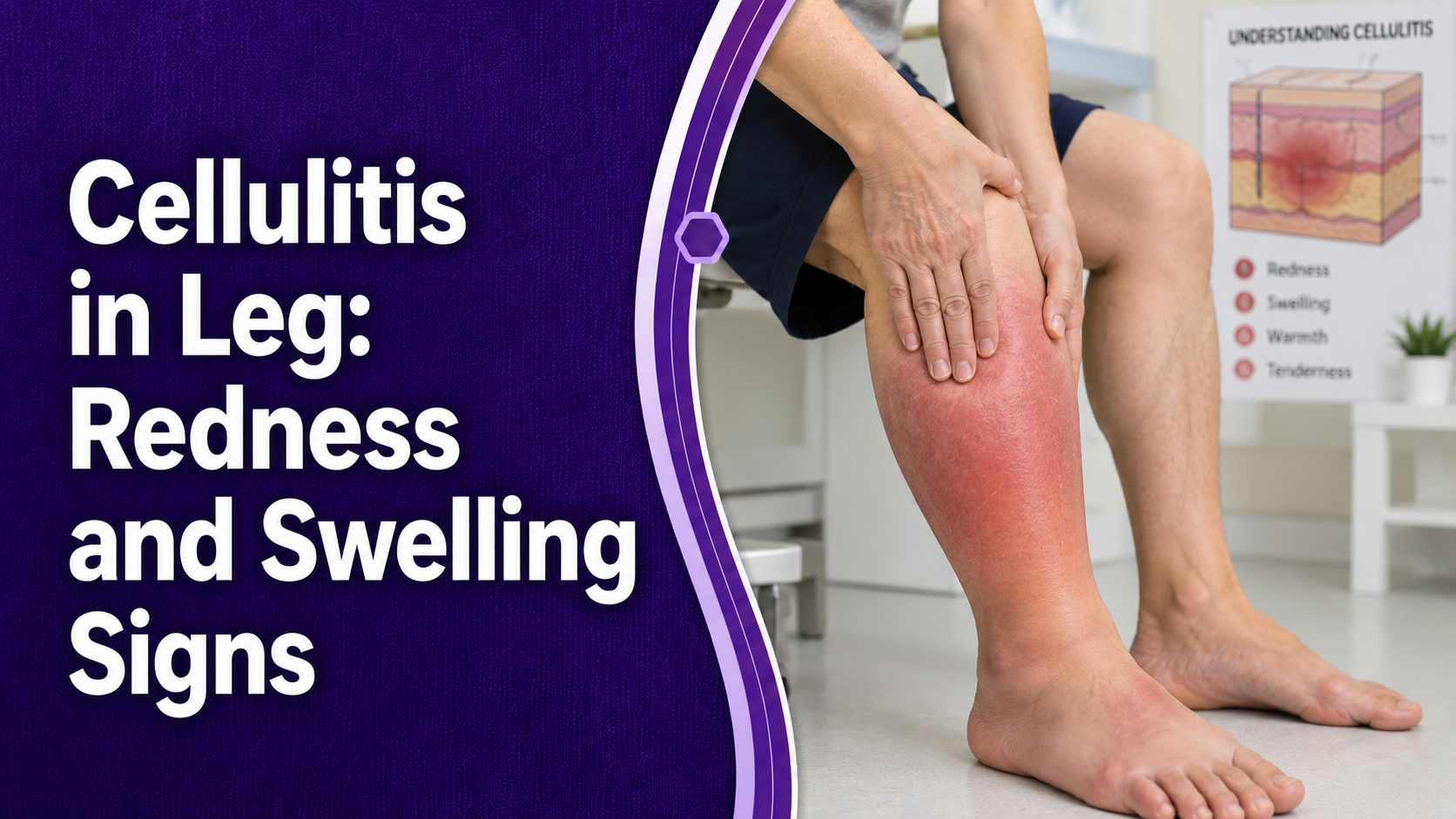
It can happen anywhere on the body, but the lower leg is one of the most common areas. Cellulitis often affects the lower leg and may cause warm, red, tender, painful skin.
The infection may start from a tiny cut, scratch, wound, insect bite, cracked skin, athlete’s foot, or another skin problem. Sometimes, the opening in the skin looks so small that the person may not notice it.
Once bacteria enter, the immune system responds. As a result, the skin may become red, swollen, tight, warm, and painful. In some cases, the person may also feel feverish, tired, or unwell.
Why does cellulitis in the Leg Redness and Swelling Happens
Cellulitis in the leg redness and swelling happens because bacteria enter the skin and trigger infection. The body sends blood flow and immune cells to the area, which causes redness, heat, tenderness, and swelling.
Common causes include:
Small cuts or scrapes
Insect bites
Cracked or dry skin
Athlete’s foot
Eczema or other itchy skin conditions
Surgical wounds
Leg ulcers
Poor circulation
Long-term leg swelling
Strep and staph bacteria as common causes of cellulitis and explain that bacteria can enter through wounds or areas where the skin barrier breaks.
Even a minor skin injury can become a problem when bacteria get inside. Therefore, a red and swollen leg should not be treated casually if it keeps spreading or becomes painful.
Early Symptoms of Cellulitis in the Leg
Early cellulitis may look like a simple skin rash at first. However, the symptoms often become more noticeable as the infection grows.
Common symptoms include:
Redness in one area of the leg
Swelling or tight skin
Warmth compared with nearby skin
Pain or tenderness
Skin that looks shiny or stretched
Fever or chills
Blisters in some cases
Red streaks moving from the infected area
Swollen glands near the infection
Many patients search for cellulitis in legs because these are often the first visible signs. If the area grows larger, feels hotter, or becomes more painful, the infection may be spreading.
Cellulitis in the Leg vs Normal Skin Redness
Not every red patch on the leg means cellulitis. Skin redness can also happen from irritation, allergy, injury, sunburn, eczema, or poor circulation. However, cellulitis usually has a few warning patterns.
Cellulitis may be more likely when:
The red area feels warm or hot
The swelling increases
The skin feels painful or tender
The redness spreads over hours or days
The person has fever, chills, or body aches
The skin looks tight, shiny, blistered, or streaked
The problem appears after a cut, bite, wound, or crack in the skin
Cellulitis symptoms can look like other skin conditions, so a healthcare provider should check the area for the right diagnosis.
A primary care visit can help confirm whether the redness is cellulitis or another condition that needs different care.
When Cellulitis in the Leg Needs Medical Care
Cellulitis can spread quickly. That is why early diagnosis matters. People should seek emergency care if they have a swollen rash that changes quickly or fever, and see a healthcare professional within 24 hours if a swollen rash is growing even without fever.
Get medical help quickly if you notice:
Redness spreading fast
Fever or chills
Red streaks from the infected area
Severe pain
Blisters or pus
Black or dark skin changes
Swelling that keeps increasing
Cellulitis near the eye or face
Diabetes, poor circulation, or a weak immune system
Health direct recommends urgent medical help if redness spreads quickly, pain becomes severe, fever develops, diabetes or a weakened immune system is present, or the face is affected.
Do not wait for cellulitis to “go away on its own.” Early care can reduce the risk of complications.
Cellulitis in the Leg: Symptoms and Treatment
The main treatment for cellulitis usually involves antibiotics. A doctor chooses treatment based on the symptoms, severity, location, medical history, and possible bacteria involved.
For mild cellulitis, a doctor may prescribe oral antibiotics. For severe cellulitis, hospital care and IV antibiotics may be needed. Healthcare providers usually prescribe oral antibiotics for cellulitis, while severe cases may require hospitalization and IV antibiotics.
Treatment may also include:
Resting the affected leg
Keeping the leg raised when possible
Drinking enough fluids
Taking pain relief only as advised
Keeping the skin clean and dry
Monitoring the redness to see if it spreads
Following the full antibiotic course
Never stop antibiotics early unless your doctor tells you. Even if the redness improves, the infection may return if treatment ends too soon.
How Doctors Diagnose Cellulitis
Doctors usually diagnose cellulitis by checking the skin, asking about symptoms, and reviewing medical history.
They may ask when the redness started, whether it spread, whether fever occurred, and whether there was a cut, bite, wound, or previous skin infection.
In some cases, tests may help most cases do not need tests, but severe cellulitis may require blood tests, skin tests, or bacterial culture to check whether the infection has spread or identify the bacteria.
A doctor may also mark the edge of the red area to track whether it is growing or shrinking during treatment.
Risk Factors for Cellulitis in the Leg
Some people have a higher chance of getting cellulitis. Risk factors include:
Previous cellulitis
Diabetes
Poor blood flow
Long-term leg swelling
Weakened immune system
Skin conditions like eczema
Athlete’s foot
Skin wounds or ulcers
Extra body weight
Recent surgery
Frequent cuts or skin injuries
Injury, weakened immune system, skin conditions, long-term swelling, history of cellulitis, and excess weight are factors that can increase cellulitis risk.
People with diabetes or poor circulation should check their feet and legs often because small wounds may become serious faster.
Can Cellulitis Become Serious?
Yes, cellulitis can become serious without timely treatment. The infection may spread to deeper tissues, lymph nodes, bloodstream, bones, or other areas.
Untreated cellulitis can worsen and, in some cases, bacteria may spread into the bloodstream and lead to sepsis.
Warning signs of a serious infection include high fever, confusion, fast heartbeat, fast breathing, dizziness, severe weakness, or a rapidly worsening skin infection. These symptoms need urgent medical care.
How to Prevent Cellulitis from Coming Back
Good skin care can lower the risk of cellulitis, especially for people who have had it before.
Helpful prevention steps include:
Wash cuts and scrapes with soap and water
Cover wounds with a clean bandage
Change bandages daily
Keep skin moisturized to prevent cracking
Treat athlete’s foot or fungal infections early
Avoid scratching itchy skin
Wear shoes outside
Protect legs during yard work or outdoor activity
Check your feet daily if you have diabetes
Manage swelling, diabetes, and circulation problems with medical care
Good hygiene, handwashing, lotion for dry cracked skin, gloves when cuts may happen, protective footwear, and checking skin breaks for signs of infection.
Prevention matters because cellulitis can come back, especially in people with swelling, poor circulation, or repeated skin injuries.
When to Primary Care
Visit Passion Health Advanced Primary Care if you notice cellulitis in leg redness and swelling, especially when the area feels warm, painful, tight, or spreads. A primary care provider can check your symptoms, review your health history, decide whether antibiotics are needed, and guide you on safe recovery steps.
Early care is important because cellulitis may spread quickly. A small red area today can become a larger, more painful infection if treatment is delayed.
Final Thoughts
Cellulitis in the leg redness and swelling should never be ignored. A red, swollen, warm, and painful leg may be an early sign of infection. With timely diagnosis and proper antibiotics, many people recover well. However, delayed care can allow cellulitis to spread and become dangerous.
If you notice leg redness, swelling, warmth, pain, fever, or spreading skin changes, book an appointment with Passion Health Advanced Primary Care today. Early care can protect your skin, your leg, and your overall health.
FAQs About Cellulitis in Leg Redness and Swelling
1. Is cellulitis in the leg serious?
Cellulitis can become serious if it spreads or stays untreated. Early treatment usually helps control the infection and reduce complications.
2. What does cellulitis in the leg look like?
It may look like a red, swollen, warm, painful patch of skin. The skin may also feel tight, shiny, tender, or hot.
3. Can cellulitis go away without antibiotics?
Cellulitis usually needs antibiotics. Home care alone may not treat the infection. A doctor should check the affected area.
4. How fast can cellulitis spread?
Cellulitis can spread quickly, sometimes within hours or days. Fast-spreading redness, fever, or severe pain needs urgent medical care.
5. Should I walk with cellulitis in my leg?
Resting and raising the leg may help reduce swelling. However, follow your doctor’s advice because severe pain, swelling, or fever may need more careful treatment.