PCOS Renamed to PMOS: What Women Need to Know
For years, millions of women struggled with confusing symptoms like irregular periods, stubborn weight gain, acne, facial hair growth, infertility, and exhaustion — only to hear one frustrating sentence from doctors:
“You don’t have cysts, so it may not be PCOS.”
That misunderstanding may finally change.
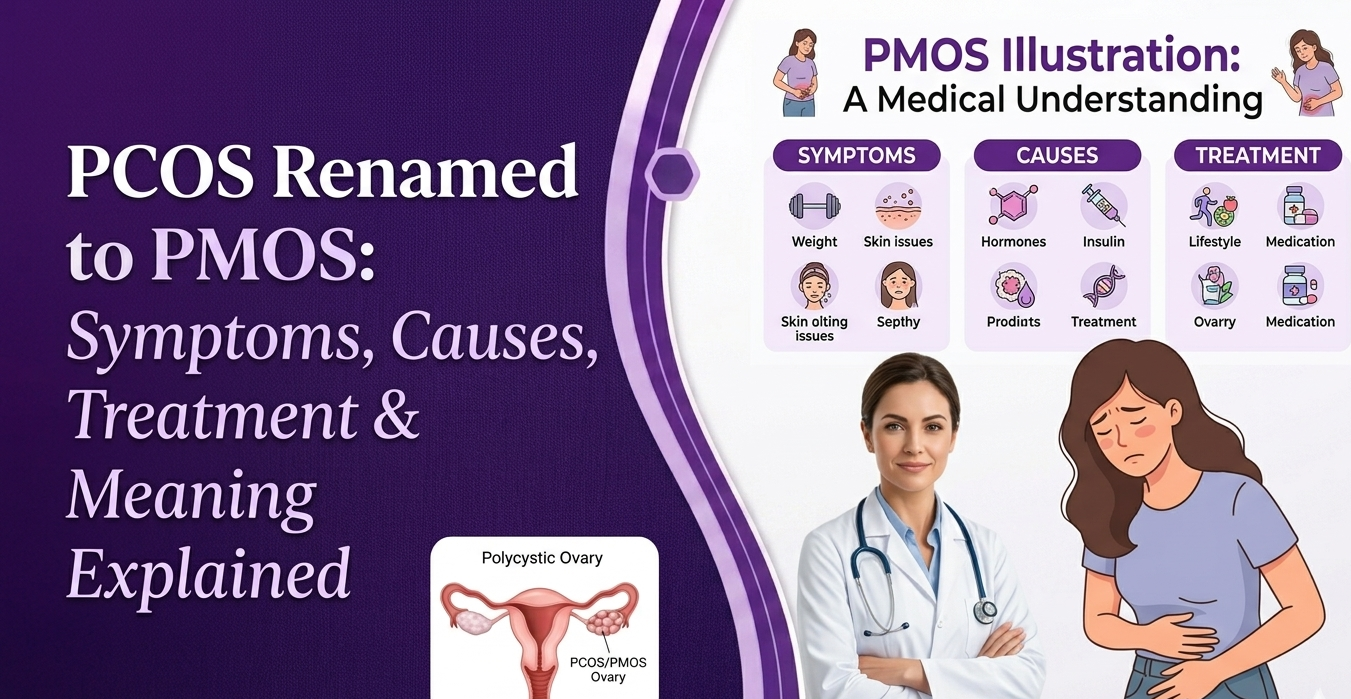
Health experts worldwide have officially announced a new name for PCOS: PMOS, short for Polyendocrine Metabolic Ovarian Syndrome. The change marks a major shift in how doctors understand this condition. More importantly, it may help women get diagnosed earlier and treated more effectively.
The old name focused mainly on ovarian cysts. However, the condition affects far more than the ovaries. Hormones, metabolism, insulin resistance, heart health, fertility, and mental health all play a role.
Many women spend years ignoring symptoms because they think irregular periods or sudden weight gain are “normal.” Others silently struggle with infertility, anxiety, or fatigue without knowing PMOS may be the real cause.
Concerned your symptoms point to PMOS? Book a primary care consultation with Passion Health today — early assessment makes all the difference.
What Is PMOS?
PMOS stands for Polyendocrine Metabolic Ovarian Syndrome. Doctors introduced this new term to replace PCOS because the old name often confused.
The word “polycystic” made many people believe that ovarian cysts define the disease. In reality, many women with PCOS never develop true cysts.
Instead, PMOS reflects the full picture:
Hormonal imbalance
Metabolic dysfunction
Ovulation problems
Fertility challenges
Cardiovascular risks
The condition affects multiple hormone systems throughout the body. Therefore, experts felt the new name better explains what patients actually experience.
Why PCOS Was Renamed to PMOS
The medical community debated the name change for more than a decade. Researchers, endocrinologists, and patient advocacy groups agreed that the old term created several problems.
The Old Name Misled Patients
Many women delayed seeking care because they believed they needed ovarian cysts to have PCOS. Some even received incorrect diagnoses after normal ultrasound scans.
As a result, treatment often started years later than it should have.
PMOS Better Reflects Metabolic Health
Insulin resistance plays a major role in many PMOS cases. Blood sugar problems, obesity risk, inflammation, and cardiovascular concerns frequently appear alongside reproductive symptoms.
The new name highlights those metabolic risks instead of focusing only on the ovaries.
Doctors Want Earlier Diagnosis
Earlier diagnosis helps prevent serious complications such as:
Type 2 diabetes
Fatty liver disease
Infertility
Endometrial cancer
The PMOS name may encourage more complete screening and earlier intervention.
PMOS Symptoms Women Should Never Ignore
PMOS symptoms can appear gradually. Some women notice only mild signs at first. However, the condition often worsens without treatment.
Irregular Periods
Missed periods, delayed cycles, or very heavy bleeding commonly signal ovulation problems.
Some women get fewer than eight periods a year.
Weight Gain and Difficulty Losing Weight
Many women with PMOS struggle with stubborn abdominal fat even after dieting and exercise.
Insulin resistance often makes weight loss extremely difficult.
Facial Hair and Hormonal Changes
High androgen levels can trigger:
Facial hair growth
Chin hair
Chest hair
Acne
Oily skin
Hair thinning
These symptoms often create emotional distress and low self-esteem.
Fertility Problems
PMOS affects ovulation. Therefore, many women experience difficulty getting pregnant.
In some cases, infertility becomes the first major warning sign.
Fatigue and Brain Fog
Hormonal imbalance and insulin resistance can leave women feeling constantly exhausted.
Many patients describe:
Low energy
Poor concentration
Mood swings
Anxiety
Depression symptoms
What Causes PMOS?
Doctors still do not know the exact cause. However, research shows several factors contribute to PMOS.
Insulin Resistance
Insulin resistance remains one of the strongest drivers of PMOS.
When the body stops responding properly to insulin, the pancreas produces more insulin. High insulin levels then stimulate excess androgen production in the ovaries.
That hormonal imbalance disrupts ovulation.
Genetics
PMOS often runs in families. Therefore, women with mothers or sisters who have hormonal disorders face a higher risk.
Chronic Inflammation
Low-grade inflammation may also increase androgen production and worsen metabolic dysfunction.
Lifestyle Factors
Poor sleep, chronic stress, processed foods, and inactivity can intensify symptoms, especially in women already genetically vulnerable.
PMOS and Insulin Resistance Connection
Many women think PMOS only affects fertility. However, the condition strongly connects to blood sugar health.
Insulin resistance increases the risk of:
Prediabetes
Type 2 diabetes
Weight gain
Fatty liver disease
High cholesterol
Heart disease
This connection explains why early treatment matters so much.
Unfortunately, many women ignore early symptoms until metabolic damage becomes severe.
How Doctors Diagnose PMOS
Doctors usually diagnose PMOS based on a combination of symptoms, lab tests, and imaging.
A diagnosis typically involves at least two of these findings:
Irregular ovulation
Elevated androgen levels
Polycystic ovaries on ultrasound
However, doctors also check for other conditions that mimic PMOS symptoms.
Blood Tests for PMOS
Testing may include:
These tests help identify underlying metabolic problems early.
PMOS Treatment Options
No single cure exists for PMOS. However, treatment can significantly improve symptoms and reduce long-term health risks.
Lifestyle Changes
Even modest weight loss can improve hormone balance and ovulation.
Doctors often recommend:
High-protein meals
Reduced processed sugar
Regular exercise
Better sleep habits
Stress management
Medications
Treatment may include:
Birth control pills
Metformin
Ovulation medications
Anti-androgen therapy
Each treatment depends on symptoms and fertility goals.
Fertility Support
Many women with PMOS successfully become pregnant after proper treatment.
Early intervention improves fertility outcomes significantly.
Long-Term Risks of Untreated PMOS
Ignoring PMOS can create serious long-term health consequences.
Type 2 Diabetes
Insulin resistance can gradually progress into diabetes if left unmanaged.
Heart Disease
Women with PMOS often develop:
High cholesterol
High blood pressure
Chronic inflammation
These factors increase cardiovascular risk over time.
Mental Health Challenges
Hormonal changes can affect emotional health. Many women with PMOS experience:
Anxiety
Depression
Low confidence
Social isolation
Endometrial Cancer Risk
Irregular ovulation may cause the uterine lining to build up excessively, increasing cancer risk over time.
PMOS vs PCOS: What Actually Changed?
The condition itself has not changed. The name changed.
Doctors still recognize the same hormonal and metabolic disorder. However, PMOS better reflects modern medical understanding.
The new term may improve:
Awareness
Diagnosis accuracy
Patient education
Research focus
Treatment strategies
Most importantly, the new name validates what many women experienced for years: this condition affects the entire body, not just the ovaries.
When to See a Doctor for PMOS Symptoms
Many women dismiss symptoms for years because they believe hormonal changes are normal.
You should seek medical evaluation if you experience:
Missed periods
Rapid weight gain
Persistent acne
Excess facial hair
Hair thinning
Fertility problems
Severe fatigue
Early treatment can prevent future complications and improve overall health.
Final Thoughts on the PCOS to PMOS Change
The transition from PCOS to PMOS represents more than a name update. It signals a major shift in women’s healthcare.
For too long, many women suffered silently while symptoms went undiagnosed or misunderstood. The new PMOS terminology helps doctors focus on the hormonal and metabolic reality behind the condition.
Early diagnosis matters. Hormonal imbalance, insulin resistance, and fertility issues can worsen quietly over time.
Book a PMOS evaluation at Passion Health Primary Care before hormonal symptoms turn into long-term health complications.
1. What is PMOS?
PMOS stands for Polyendocrine Metabolic Ovarian Syndrome, the new name for PCOS. Experts renamed the condition to better reflect its hormonal and metabolic effects on the body.
2. Why was PCOS renamed to PMOS?
Doctors changed the name because many women with PCOS do not actually have ovarian cysts. The new term highlights the condition’s impact on hormones, metabolism, insulin resistance, and reproductive health.
3. What are the most common PMOS symptoms?
Common PMOS symptoms include irregular periods, weight gain, acne, facial hair growth, hair thinning, fatigue, and fertility problems.
4. Can PMOS cause infertility?
Yes. PMOS can disrupt ovulation, making it harder to get pregnant. However, early diagnosis and treatment can improve fertility outcomes.
5. Is PMOS linked to diabetes?
Yes. Many women with PMOS have insulin resistance, which increases the risk of prediabetes and Type 2 diabetes if left untreated.