
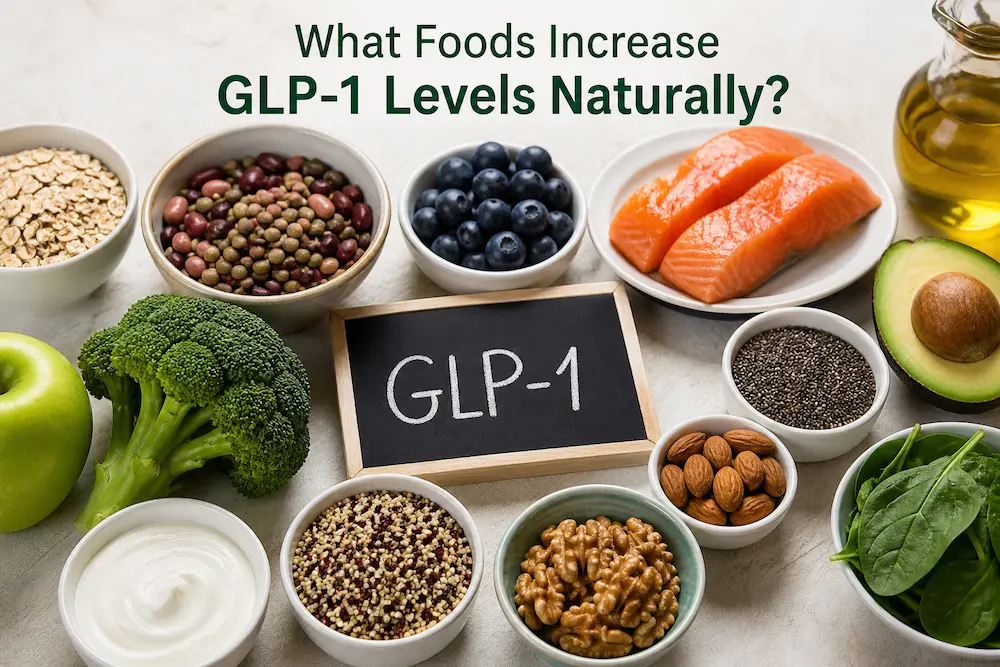
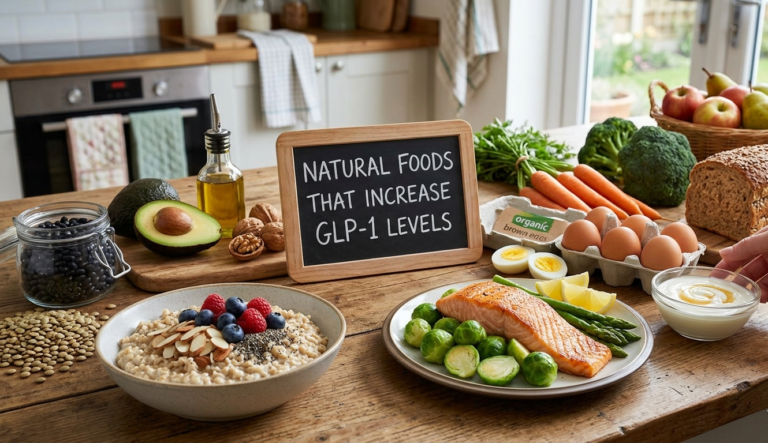
Increase GLP-1 Levels Naturally Through Nutrition
Foods that increase GLP-1 levels naturally are gaining attention for one reason: people want better control over hunger, weight, and blood sugar without jumping straight to medication.
As a primary care physician, I have noticed one pattern. Many patients struggle with constant hunger, slow metabolism, and weight gain despite “eating healthy.” The missing link often involves hormones—especially GLP-1.
GLP-1 helps regulate appetite, slows digestion, and improves insulin response. When levels stay low, cravings increase, and weight loss becomes harder.
The good news? Certain foods can stimulate GLP-1 naturally and improve metabolic balance.
If hunger feels out of control or weight loss has stalled, it may be time to look deeper at how diet influences this hormone—and when to seek medical guidance.
Don’t wait for a health crisis to take action. Book your consultation with Passion Health Primary Care today to optimize your metabolic health.
What Is GLP-1 and Why Does It Matter for Appetite Control
GLP-1 (glucagon-like peptide-1) is a gut hormone released after eating. It sends signals to the brain that reduce hunger and increase fullness.
It also:
Slows stomach emptying
Improves insulin secretion
Reduces blood sugar spikes
When GLP-1 response weakens, appetite increases. Over time, this contributes to weight gain, insulin resistance, and metabolic dysfunction.
Many modern diets suppress natural GLP-1 activity. However, targeted food choices can help restore it.
Foods That Increase GLP-1 Levels Naturally and Support Weight Loss
Certain nutrients directly stimulate GLP-1 release. Others improve gut health, which indirectly enhances hormone function.
High-Protein Foods That Increase GLP-1 Levels Naturally
Protein triggers one of the strongest GLP-1 responses.
Examples include:
Eggs
Greek yogurt
Lentils
Chickpeas
Lean meats
Protein also reduces ghrelin, the hunger hormone. This combination helps control cravings and prolong satiety.
Patients who increase protein intake often report fewer snack cravings within days.
Fiber-Rich Foods That Increase GLP-1 Levels Naturally
Soluble fiber plays a major role in GLP-1 production.
Top sources:
Oats
Apples
Flaxseeds
Beans
Vegetables like broccoli and carrots
Fiber ferments in the gut, producing short-chain fatty acids. These compounds stimulate GLP-1 release and improve gut hormone signaling.
Low fiber intake remains one of the most common issues in primary care nutrition assessments.
Healthy Fats That Support GLP-1 Release: Not all fats are harmful. In fact, healthy fats can enhance GLP-1 secretion.
Best options:
Nuts (almonds, walnuts)
Seeds (chia, flax)
Olive oil
Avocados
These fats slow digestion and increase satiety signals. As a result, patients feel fuller longer and eat less overall.
Fermented Foods That Improve GLP-1 Through Gut Health
Gut health strongly influences hormone production.
Fermented foods help restore gut bacteria balance:
Yogurt
Kefir
Sauerkraut
Kimchi
A healthier microbiome improves GLP-1 signaling efficiency. This leads to better appetite control and improved metabolic function.
How Meal Timing Affects Foods That Increase GLP-1 Levels Naturally
How you eat is just as important as what you eat. A 2022 study conducted in Jakarta found that the order of your food matters. Consuming vegetables before carbohydrates significantly increased GLP-1 levels in people with type 2 diabetes.
This effect was most prominent 60 minutes after the meal. By simply eating your salad or broccoli first, you can increase GLP-1 levels naturally and manage your glucose more effectively.
Meal timing matters as much as food quality.
Eating large, irregular meals can blunt GLP-1 response. On the other hand, structured eating patterns improve hormone signaling.
Helpful strategies:
Start the day with protein-rich meals
Avoid late-night eating
Maintain consistent meal timing
Some patients benefit from time-restricted eating, which may enhance GLP-1 release.
Common Mistakes That Block GLP-1 Production
Even with healthy food choices, certain habits reduce effectiveness.
1. Highly Processed Foods: Refined carbs and sugars spike insulin but fail to stimulate GLP-1 properly.
2. Low Protein Intake: Skipping protein leads to poor satiety signaling and increased hunger.
3. Lack of Fiber: Without fiber, gut bacteria cannot support hormone production.
4. Frequent Snacking: Constant eating prevents proper GLP-1 cycling and reduces its impact.
These patterns appear frequently in patients struggling with a weight plateau.
If appetite feels uncontrolled despite trying diet changes, there may be an underlying hormonal imbalance. A structured metabolic evaluation can help identify whether the GLP-1 response needs medical support.
Foods That Increase GLP-1 Levels Naturally vs Medical Treatment
Diet plays a powerful role. However, it has limits.
Natural approaches:
Improve mild appetite dysregulation
Support early weight management
Enhance gut health
Medical GLP-1 therapies:
Provide stronger appetite suppression
Help with obesity or insulin resistance
Offer predictable, sustained results
As a physician, the key lies in matching the right approach to the patient’s condition. Ignoring persistent symptoms often delays effective treatment.
Who Should Focus on Foods That Increase GLP-1 Levels Naturally
Diet-based strategies work best for:
Early weight gain
Mild insulin resistance
Lifestyle-driven metabolic changes
However, certain signs indicate the need for medical evaluation:
Constant hunger despite eating
Rapid weight gain
Difficulty losing weight
Elevated blood sugar levels
These symptoms suggest a deeper hormonal imbalance.
Practical Daily Plan to Boost GLP-1 Naturally
A simple structure improves results:
Morning: High-protein breakfast (eggs, yogurt)
Lunch: Fiber-rich meal with vegetables and legumes
Evening: Balanced meal with protein, fiber, and healthy fats
Snacks (if needed): Nuts or seeds instead of processed foods
Consistency matters more than perfection.
Why Ignoring Appetite Hormones Can Be Risky
Uncontrolled appetite does not just affect weight.
Over time, it increases the risk of:
Type 2 diabetes
Fatty liver disease
Cardiovascular conditions
Many patients delay care because they assume hunger is normal. Persistent hunger often signals a metabolic imbalance that requires attention.
Conclusion
Foods that increase GLP-1 levels naturally can improve appetite control, support weight loss, and enhance metabolic health. However, diet alone may not be enough for everyone.
When hunger feels overwhelming or weight does not respond to lifestyle changes, a deeper medical approach becomes necessary.
Early intervention leads to better outcomes and prevents long-term complications.
Take the first step toward a healthier version of yourself. Click here to book your session with Passion Health Primary Care and master your metabolism today.